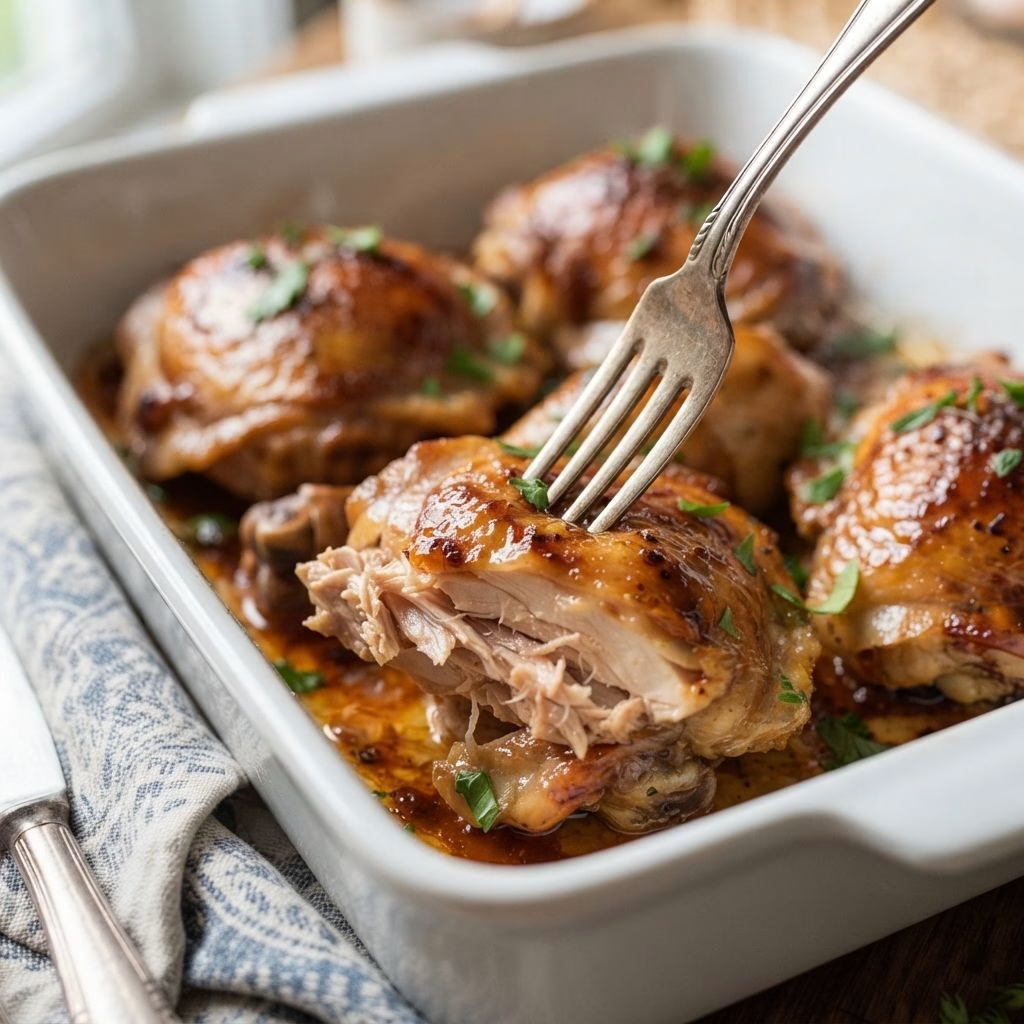
I still remember the first time I drizzled Maple Dijon Roasted Chicken Recipe over a tray of chicken and thought, “this is either going to be amazing or a total mess.” It turned out to be the former, and now it’s on repeat in my kitchen every single week. I love how a handful of pantry staples can turn plain chicken into something sticky, tangy, and downright crave-worthy.
If you’re short on time but still want a homemade dinner that tastes like you tried hard, this one’s for you. Trust me, once you make it, you’ll wonder why you didn’t discover it sooner. It’s become my go-to answer whenever someone asks me for an easy dinner that still feels a little special.
Cooking Time
- Prep Time: 10 minutes
- Cooking Time: 40-45 minutes
- Total Time: 50-55 minutes
Ingredients
- 4-6 bone-in, skin-on chicken pieces (thighs or drumsticks work beautifully here)
- Salt, to taste, brings out the natural flavor of the chicken before the glaze goes on
- Black pepper, to taste, adds a gentle bite that balances the sweetness of the maple
- 1/4 cup Dijon mustard, the tangy backbone of the glaze, so don’t swap it for yellow mustard
- 1/4 cup pure maple syrup, use the real stuff, not pancake syrup, for authentic flavor
- 2 cloves garlic, minced, fresh garlic gives a much rounder flavor than the jarred kind
- 2 tablespoons brown sugar, helps the glaze caramelize into a beautiful golden crust
- 1 tablespoon olive oil, keeps the glaze glossy and helps it cling to the chicken
Note: this recipe serves 4-6 people comfortably.
Equipment You Need
- Roasting pan or rimmed baking sheet, to hold the chicken and catch the drippings
- Wire rack, optional but great for air circulation so the skin crisps evenly
- Small mixing bowl, for whisking together the maple Dijon glaze
- Whisk or fork, to blend the glaze ingredients smoothly
- Meat thermometer, to check the chicken hits a safe internal temperature
- Pastry brush, to spread the glaze evenly over the chicken pieces
How to Make Maple Dijon Roasted Chicken Recipe?
This recipe comes together in just a few simple stages, so don’t let the ingredient list intimidate you. I promise the process is nearly hands-off once the chicken hits the oven. Here’s exactly how I do it every time.
Preheat and Prep the Chicken
Start by preheating your oven to 350°F so it’s fully heated by the time the chicken goes in. Pat the chicken pieces dry with a paper towel, which helps the skin crisp up nicely. Season both sides generously with salt and pepper before moving on to the glaze.
Whisk Together the Glaze
In a small bowl, whisk the Dijon mustard, maple syrup, minced garlic, brown sugar, and olive oil until fully combined. The mixture should look glossy and slightly thick. I always give it a taste at this stage to check the sweet-tangy balance.
Coat the Chicken
Arrange the seasoned chicken pieces in your roasting pan, ideally on a rack. Brush about half of the glaze generously over the top of each piece, making sure every inch gets coated. Save the rest of the glaze for later in the cooking process.
Roast Until Golden
Place the pan in the oven and roast for about 40-45 minutes. Halfway through, brush the reserved glaze over the chicken for an extra layer of flavor and shine. This second coat is what really builds that sticky, caramelized finish.
Check for Doneness
Use a meat thermometer to confirm the chicken has reached 165°F in the thickest part, away from the bone. If it needs a few more minutes, keep it in and check again rather than guessing. Once done, the skin should look deeply golden and glossy.
Rest and Serve
Let the chicken rest for about 5 minutes before serving so the juices redistribute. This little pause makes a noticeable difference in tenderness. Spoon any remaining pan glaze over the top right before you plate it.
Additional Tips for Making This Recipe Better
I’ve made this dish more times than I can count, and these small tweaks have made a real difference for me.
- I always pat the chicken completely dry first, since extra moisture keeps the skin from crisping properly.
- I like to bring the chicken to room temperature for about 15 minutes before roasting, so it cooks more evenly.
- I sometimes add a pinch of smoked paprika to the glaze when I want a deeper, smokier flavor.
- I never skip the second glaze coat halfway through, since that’s what gives the chicken its glossy finish.
- I let the chicken rest before slicing, because cutting into it too soon lets all the good juices escape.
- I keep a close eye on the last 10 minutes of roasting, since the maple sugars can go from perfectly caramelized to burnt quickly.
Common Mistakes to Avoid
I learned most of these the hard way, so hopefully this saves you a step or two.
- I once rushed the drying step and ended up with soggy skin, so now I always pat the chicken bone dry first.
- I’ve overcrowded the pan before, which steams the chicken instead of roasting it, so I always leave space between pieces.
- I used to skip the thermometer and guess doneness, which led to dry chicken more than once.
- I’ve used imitation maple syrup by mistake, and the flavor was noticeably flatter than the real thing.
- I forgot to reserve half the glaze once and ended up with a dry, underwhelming finish, so I always split it in two.
How to Serve Maple Dijon Roasted Chicken?
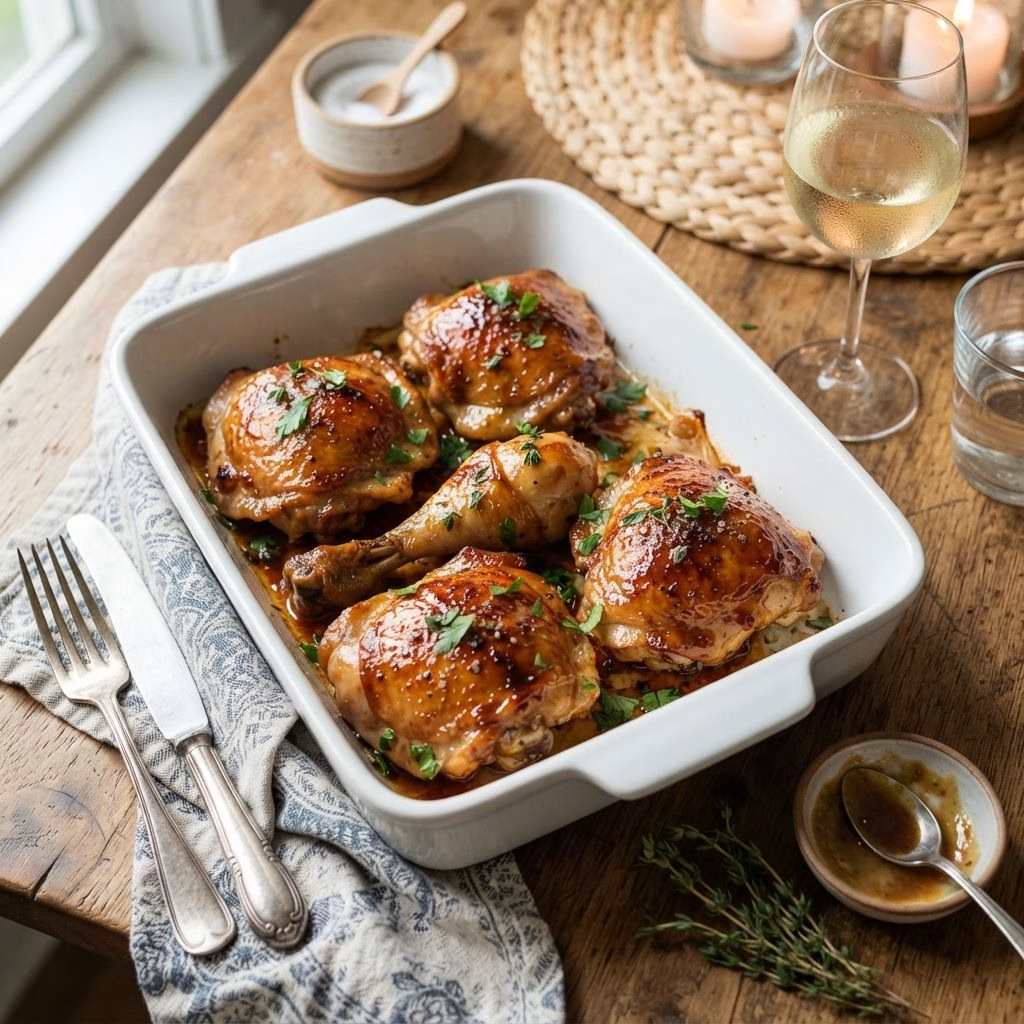
I love serving this chicken family-style on a large platter, drizzled with any extra pan glaze for a glossy, restaurant-worthy look. A scattering of fresh chopped parsley or thyme adds a pop of color that makes the whole dish feel special. For sides, I usually go with roasted potatoes, buttered green beans, or a simple sheet pan of vegetables tossed in the same glaze.
If you’re craving something heartier, pairing the chicken with a sweet potato bowl or a warm grain like quinoa rounds out the meal beautifully. A wedge of lemon on the side never hurts either, since a little acidity cuts through the sweetness nicely.
If you enjoy this flavor combination, you’ll probably also love this honey garlic chicken thighs recipe, which leans into a similar sweet-savory profile but with a different glaze.
Variations
- Swap chicken thighs for chicken breast if you prefer white meat, just reduce the cooking time slightly.
- Turn this into a one-pan meal by adding chopped potatoes and carrots around the chicken before roasting.
- Make it dairy-free easily, since the recipe naturally contains no dairy to begin with.
- Use a sugar-free maple syrup alternative and skip the brown sugar for a lower-sugar version.
- Add a splash of apple cider vinegar to the glaze for extra tang and brightness.
- Toss in fresh rosemary or thyme sprigs while roasting for a more herby, fragrant finish.
- Try this glaze on a sheet pan with vegetables for an easy sheet pan maple dijon chicken and vegetables dinner.
Nutritional Information
Here’s a general idea of what you can expect per serving, though exact numbers will vary based on the cut of chicken used.
- Calories: approximately 320-380 kcal
- Protein: approximately 28-32 g
- Carbohydrates: approximately 14-18 g
- Fat: approximately 16-20 g
Make Ahead and Storage
You can whisk the glaze up to 2 days ahead and store it covered in the fridge, which makes weeknight prep even faster. Just give it a quick stir before brushing it onto the chicken, since the ingredients may separate slightly while sitting.
Leftover chicken keeps well in an airtight container in the refrigerator for up to 4 days. I like to reheat it gently in the oven at 325°F until warmed through, since this keeps the skin from turning rubbery like a microwave often does.
This chicken also freezes nicely for up to 3 months. I recommend freezing it in a single layer first, then transferring to a freezer bag once solid, so the pieces don’t stick together. Thaw overnight in the fridge before reheating for the best texture.
Why You’ll Love This Recipe?
This dish has earned a permanent spot in my dinner rotation, and here’s why I think it deserves one in yours too.
- It’s incredibly easy to prepare. With just a handful of ingredients and minimal hands-on time, this is the kind of recipe you can make even on your busiest weeknights.
- It’s endlessly versatile. Whether you use chicken thighs, chicken breast, or even a whole cut-up chicken, the glaze adapts beautifully to whatever you have on hand.
- It works for casual dinners and special occasions alike. The glossy glaze makes it look far more impressive than the effort it actually takes.
- It reheats and stores well. This makes it a smart choice for meal prep or for stretching into next-day lunches without losing flavor.
- It pairs with almost anything. From roasted vegetables to grain bowls, this chicken slots easily into whatever sides you already love.
If you’re building out a weekly dinner rotation, this pairs nicely alongside something like this baked lemon herb chicken and vegetables recipe for variety without much extra planning.
FAQs
Can I use chicken breast instead of thighs for this recipe?
Yes, chicken breast works well here, though it cooks faster, so start checking for doneness around the 25-30 minute mark.
What can I substitute for Dijon mustard?
Stone-ground or whole grain mustard works as a substitute, giving a slightly coarser texture but a similar tangy flavor.
How do I know when the chicken is fully cooked?
The safest way is to use a meat thermometer and check that the thickest part of the chicken reads 165°F.
Can I make this recipe ahead of time for meal prep?
Absolutely. You can roast the chicken ahead and store it in the fridge, then reheat gently in the oven before serving throughout the week.
Is this recipe good for a sheet pan dinner with vegetables?
Yes, this glaze works wonderfully as a sheet pan maple dijon chicken and vegetables recipe, just add your favorite veggies around the chicken before roasting.

Maple Dijon Roasted Chicken Recipe
Ingredients
Method
- Start by preheating your oven to 350°F so it’s fully heated by the time the chicken goes in. Pat the chicken pieces dry with a paper towel, which helps the skin crisp up nicely. Season both sides generously with salt and pepper before moving on to the glaze.
- In a small bowl, whisk the Dijon mustard, maple syrup, minced garlic, brown sugar, and olive oil until fully combined. The mixture should look glossy and slightly thick. I always give it a taste at this stage to check the sweet-tangy balance.
- Arrange the seasoned chicken pieces in your roasting pan, ideally on a rack. Brush about half of the glaze generously over the top of each piece, making sure every inch gets coated. Save the rest of the glaze for later in the cooking process.
- Place the pan in the oven and roast for about 40-45 minutes. Halfway through, brush the reserved glaze over the chicken for an extra layer of flavor and shine. This second coat is what really builds that sticky, caramelized finish.
- Use a meat thermometer to confirm the chicken has reached 165°F in the thickest part, away from the bone. If it needs a few more minutes, keep it in and check again rather than guessing. Once done, the skin should look deeply golden and glossy.
- Let the chicken rest for about 5 minutes before serving so the juices redistribute. This little pause makes a noticeable difference in tenderness. Spoon any remaining pan glaze over the top right before you plate it.
Notes
- I always pat the chicken completely dry first, since extra moisture keeps the skin from crisping properly.
- I like to bring the chicken to room temperature for about 15 minutes before roasting, so it cooks more evenly.
- I sometimes add a pinch of smoked paprika to the glaze when I want a deeper, smokier flavor.
- I never skip the second glaze coat halfway through, since that’s what gives the chicken its glossy finish.
- I let the chicken rest before slicing, because cutting into it too soon lets all the good juices escape.
- I keep a close eye on the last 10 minutes of roasting, since the maple sugars can go from perfectly caramelized to burnt quickly.