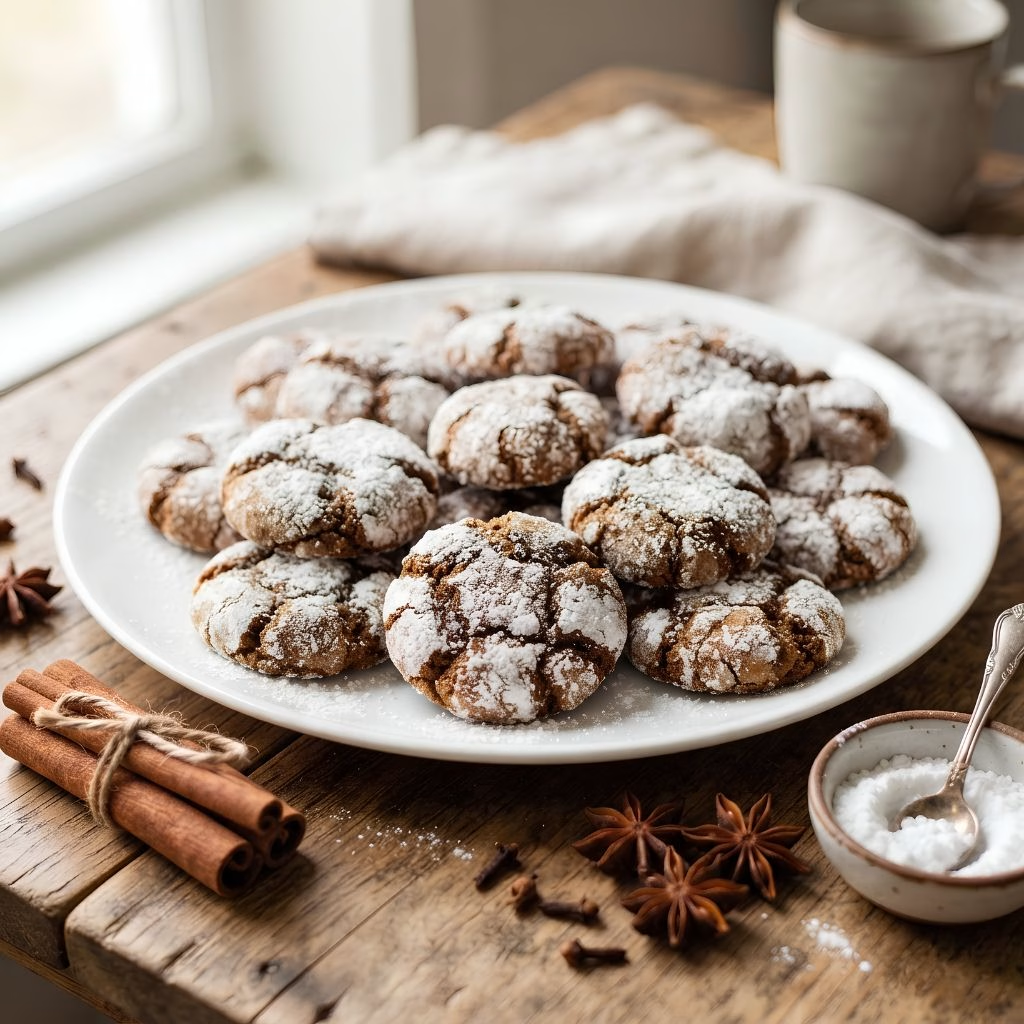
I still remember the first time I pulled a tray of pfeffernusse out of my oven and the whole kitchen smelled like Christmas. I’d heard about this German Pfeffernusse Cookie Recipe for years but never attempted them myself until one chilly December afternoon.
Honestly, I was nervous about getting the spice blend right, but after a few batches I finally nailed it. Now this old fashioned pfeffernusse cookies recipe is a permanent fixture on my holiday baking list, and I’m walking you through every step I learned along the way.
Cooking Time
- Prep Time: 20 minutes (plus 2 hours chilling)
- Cook Time: 12-15 minutes per batch
- Total Time: About 2 hours 45 minutes
Ingredients
- 1/2 cup molasses – gives the dough its deep, dark color and that classic chewy bite
- 1/4 cup honey – adds a floral sweetness that balances the spices nicely
- 1/4 cup shortening – keeps the cookies tender; don’t swap for oil or they’ll spread too thin
- 1/4 cup margarine (or softened butter) – adds richness and helps the dough hold its shape
- 2 large eggs, room temperature – binds everything together, so pull them out early
- 4 cups all-purpose flour – spoon and level it instead of scooping, or your cookies turn out dense
- 3/4 cup white sugar – for that classic sweetness in every bite
- 1/2 cup brown sugar – adds moisture and a hint of caramel flavor
- 1 1/2 teaspoons ground cardamom – the warm, citrusy note that makes pfeffernusse taste authentic
- 1 teaspoon ground nutmeg – freshly grated if you have it, the flavor is so much stronger
- 1 teaspoon ground cloves – a little goes a long way, don’t be tempted to add more
- 1 teaspoon ground ginger – brings a gentle heat that builds in the background
- 2 teaspoons anise extract – this is the ingredient that makes these cookies unmistakably German
- 2 teaspoons ground cinnamon – rounds out the spice mix with warmth
- 1 1/2 teaspoons baking soda – helps the cookies puff slightly as they bake
- 1 teaspoon ground black pepper – yes, pepper in a cookie, and it’s what gives pfeffernusse its name
- 1/2 teaspoon salt – balances all that sweetness and spice
- 1 cup confectioners’ sugar, for dusting – rolls the warm cookies in a snowy coat once baked
Note: This recipe makes about 3 dozen cookies and serves 10-12 people.
Equipment You’ll Need
- Medium saucepan – for warming and combining the molasses, honey, and fats
- Large mixing bowl – to combine the dry ingredients and bring the dough together
- Whisk – for blending the flour with the spices evenly
- Measuring cups and spoons – precision matters, especially with the spices
- Baking sheets – lined or lightly greased for even baking
- Cooling rack – lets air circulate so the cookies don’t get soggy on the bottom
- Small bowl or paper bag – for dusting the warm cookies in confectioners’ sugar
How to Make a Pfeffernusse Cookies Recipe?
Making this easy pfeffernusse cookie recipe comes together in three main stages: warming the wet ingredients, mixing the dough, and baking. It looks like a long ingredient list, but the actual process is simple once everything is measured out. Here’s exactly how I do it in my own kitchen.
Warm the Wet Ingredients
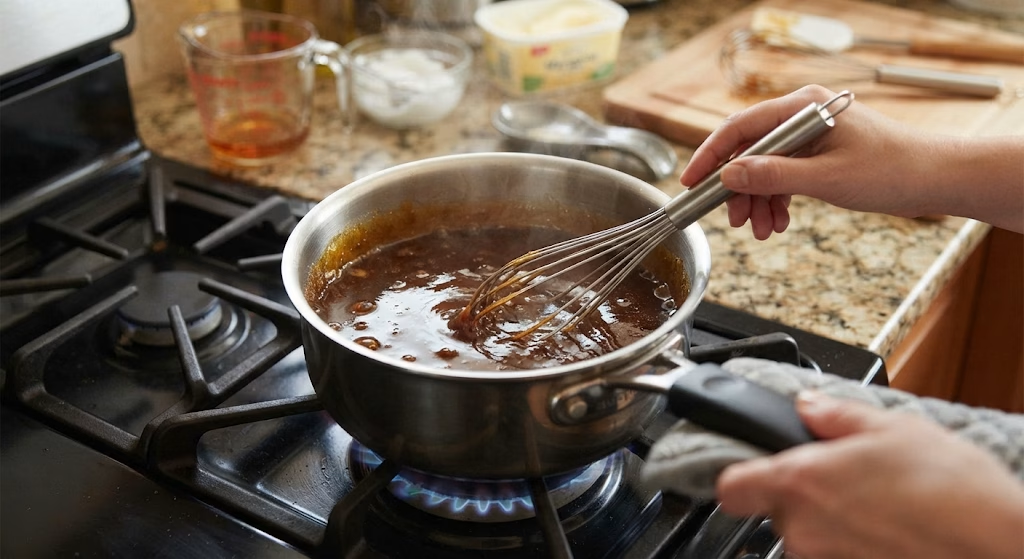
In a saucepan over medium heat, combine the molasses, honey, shortening, and margarine. Stir constantly until everything melts together into a smooth, glossy mixture. Remove the pan from the heat and let it cool to room temperature before moving on, otherwise you’ll end up scrambling your eggs.
Add the Eggs
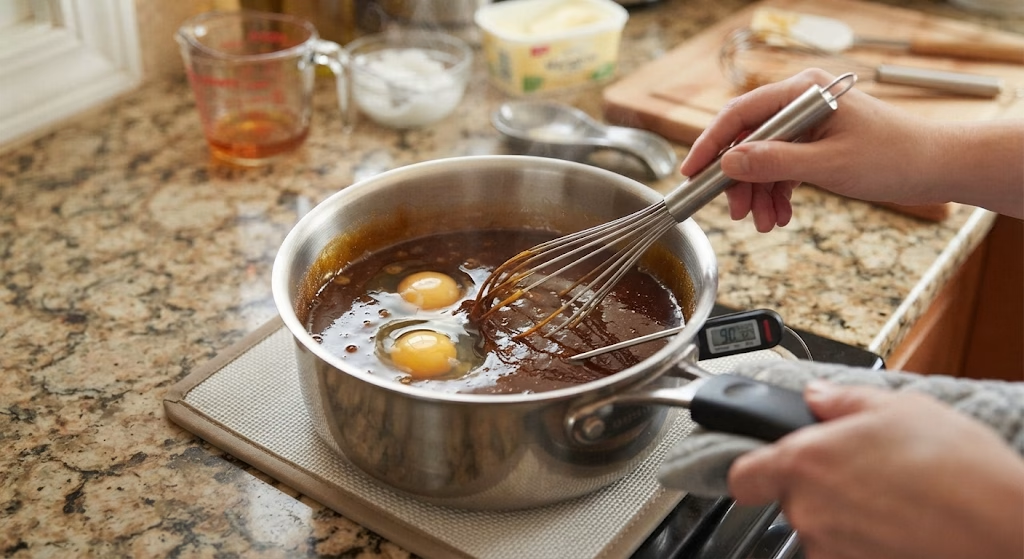
Once the molasses mixture has cooled, crack in the two eggs and whisk them in thoroughly. This step adds structure and moisture to the dough. Make sure the mixture isn’t warm anymore, since hot liquid can cook the eggs instantly.
Mix the Dry Ingredients
In your large bowl, combine the flour, both sugars, cardamom, nutmeg, cloves, ginger, cinnamon, baking soda, pepper, and salt. Whisk everything together well so the spices are evenly distributed throughout the flour. This prevents any one cookie from tasting too peppery or too sweet.
Combine Wet and Dry
Pour the cooled molasses mixture into the bowl of dry ingredients along with the anise extract. Stir everything together until a thick, sticky dough forms. It should feel dense, almost like a cookie dough crossed with gingerbread dough.
Chill the Dough
Cover the bowl and refrigerate the dough for at least 2 hours, or overnight if you have time. Chilling firms up the fats so the cookies hold their round shape instead of spreading flat in the oven.
Shape and Bake
Preheat your oven to 325°F. Roll the chilled dough into small, acorn-sized balls and place them about 1 inch apart on your baking sheets. Bake for 10 to 15 minutes, until the tops look set and slightly cracked.
Cool and Dust with Sugar
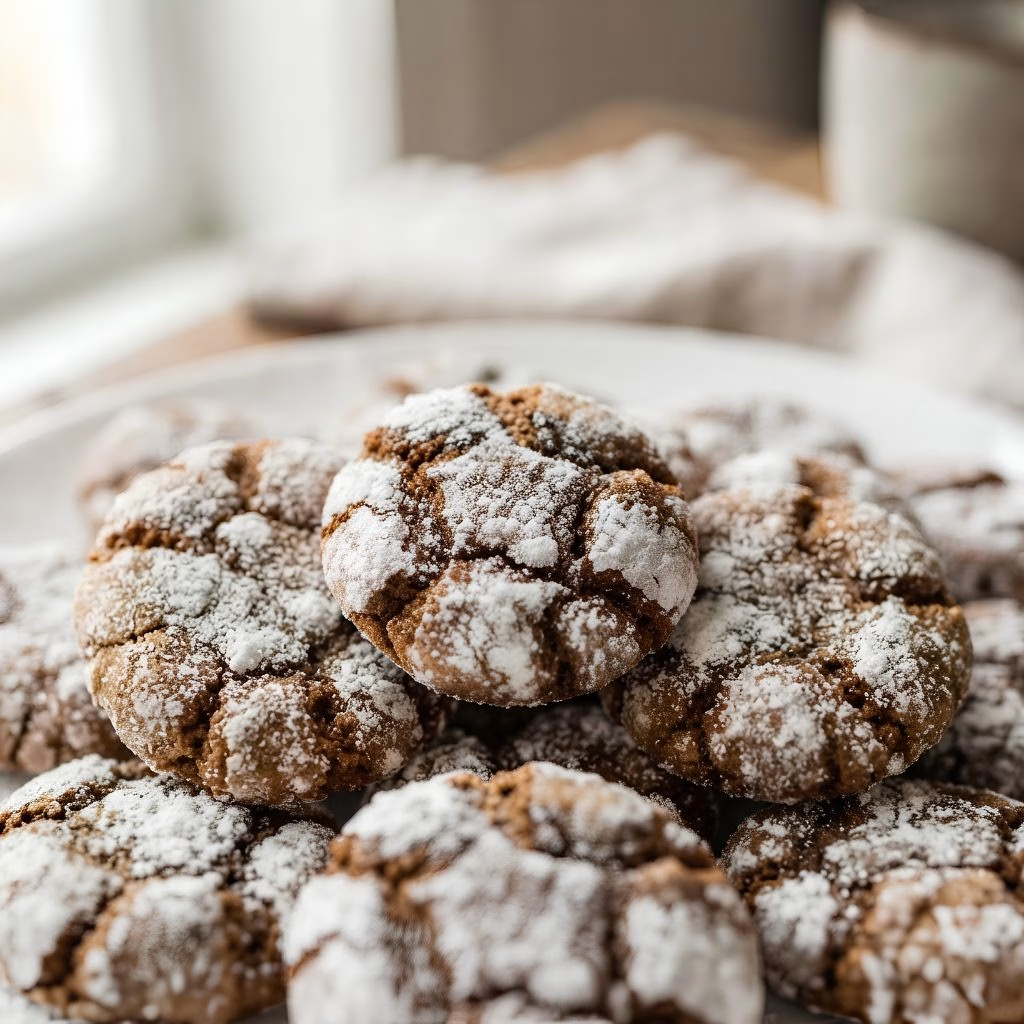
Let the cookies cool for a few minutes on the sheet before transferring them to a wire rack. Once they’re just warm, roll them in confectioners’ sugar so it sticks nicely to the surface.
Additional Tips for Making This Recipe Better
- I always use room-temperature eggs, since cold eggs can seize up the cooled molasses mixture and make it lumpy.
- I never skip the chilling step, even when I’m short on time, because it’s what keeps the cookies from spreading too much.
- I like to freshly grate my nutmeg instead of using the pre-ground kind, and I can really taste the difference.
- I measure my flour by spooning it into the cup and leveling it off, which keeps my cookies from turning out dry and crumbly.
- I double-coat mine in powdered sugar after they’ve cooled completely for an extra snowy, bakery-style finish.
Common Mistakes to Avoid
- I once skipped chilling the dough entirely, and my cookies spread into flat, greasy puddles on the tray.
- I overbaked a batch trying to get them extra crisp, and they ended up tough instead of lightly chewy inside.
- I used cold butter straight from the fridge once instead of letting it soften, and the dough never came together smoothly.
- I dusted the cookies with sugar while they were too hot, and it melted right into the surface instead of coating it.
- I crowded my baking sheet the first time I made these, and the cookies baked unevenly because they were too close together.
How to Serve Pfeffernusse Cookies?
I love piling these onto a rustic wooden board lined with parchment paper, with a light dusting of extra confectioners’ sugar over the top for that classic snowy look. They pair beautifully with a cup of hot coffee, mulled wine, or spiced tea during the colder months.
For a festive touch, I’ll scatter a few cinnamon sticks and star anise pods around the plate, which makes for a gorgeous holiday dessert table centerpiece.
If you’re hosting a cookie exchange, these also travel well stacked in a decorative tin lined with wax paper. For another spiced holiday treat to set alongside them, you might like this gingerbread cookie recipe from our collection, since the warm spices complement each other so well on a dessert tray.
Variations
- Swap the shortening for butter entirely for a richer, more buttery flavor throughout.
- Make a dairy-free version by using a plant-based margarine in place of regular margarine.
- Add a tablespoon of finely chopped candied orange or lemon peel for a citrusy twist.
- Use a sugar substitute like coconut sugar for a slightly lower glycemic option.
- Mix in finely chopped almonds or walnuts for a bit of crunch in every bite.
- Glaze instead of dust by brushing the cookies with a thin powdered sugar and milk icing.
Nutritional Information
Here’s a quick look at what you can expect per cookie based on this batch size.
- Calories: Around 110-120 kcal per cookie
- Protein: About 1.5 grams per cookie
- Carbohydrates: Roughly 20 grams per cookie
- Fat: Approximately 3 grams per cookie
Make Ahead and Storage
You can make the dough up to 2 days in advance and keep it tightly covered in the fridge until you’re ready to bake. This actually deepens the spice flavor, so it’s not a bad idea to plan ahead.
Store baked cookies in an airtight container at room temperature for up to 2 weeks. Pfeffernusse are known for mellowing and tasting even better after a few days, so don’t worry about baking them too early.
To freeze, place cooled, undusted cookies in a freezer-safe bag for up to 3 months. Thaw at room temperature and dust with fresh confectioners’ sugar right before serving.
Why You’ll Love This Recipe?
This isn’t just another cookie recipe. Here’s why I keep coming back to it every single holiday season.
- Easy to prepare ahead: The dough chills in the fridge, so you can break the process into two days if your schedule is busy.
- Packed with cozy flavor: Between the cardamom, cloves, and anise, every bite tastes like the holidays in cookie form.
- Great for gifting: These hold up well in tins and boxes, making them perfect for cookie swaps or homemade gifts.
- Naturally dairy-adjustable: Swapping the margarine for a plant-based version makes this easy to adapt for different diets.
- Freezer-friendly: You can bake a big batch and freeze half for later without losing any flavor or texture.
FAQs
What does pfeffernusse mean and where did it originate?
Pfeffernusse translates roughly to “pepper nut,” referring to the black pepper in the dough. Its pfeffernusse cookies origin traces back to Northern Germany, where it became a traditional Christmas cookie centuries ago.
How do you pronounce pfeffernusse?
The pfeffernusse pronunciation is roughly “FEH-fer-noo-seh,” though many English speakers simply say “pepper-noose” for ease.
Can I buy pfeffernusse cookies instead of making them?
Yes, if you’re searching for pfeffernusse cookies where to buy, many German bakeries, specialty grocery stores, and online retailers carry them, especially around the holiday season.
Why are my pfeffernusse cookies hard instead of chewy?
This usually happens from overbaking or using too much flour. Stick closely to the bake time and measure your flour carefully for a softer, chewier texture.
Can I make a smaller batch of this recipe?
Absolutely, you can halve all the ingredients listed above. Just keep the oven temperature and bake time the same, and check for doneness a minute or two early.
For another cozy baking project, check out this sugar cookie recipe if you want to round out your holiday cookie tray with something a little simpler.

German Pfeffernusse Cookie Recipe
Ingredients
Method
- In a saucepan over medium heat, combine the molasses, honey, shortening, and margarine. Stir constantly until everything melts together into a smooth, glossy mixture. Remove the pan from the heat and let it cool to room temperature before moving on, otherwise you’ll end up scrambling your eggs.
- Once the molasses mixture has cooled, crack in the two eggs and whisk them in thoroughly. This step adds structure and moisture to the dough. Make sure the mixture isn’t warm anymore, since hot liquid can cook the eggs instantly.
- In your large bowl, combine the flour, both sugars, cardamom, nutmeg, cloves, ginger, cinnamon, baking soda, pepper, and salt. Whisk everything together well so the spices are evenly distributed throughout the flour. This prevents any one cookie from tasting too peppery or too sweet.
- Pour the cooled molasses mixture into the bowl of dry ingredients along with the anise extract. Stir everything together until a thick, sticky dough forms. It should feel dense, almost like a cookie dough crossed with gingerbread dough.
- Cover the bowl and refrigerate the dough for at least 2 hours, or overnight if you have time. Chilling firms up the fats so the cookies hold their round shape instead of spreading flat in the oven.
- Preheat your oven to 325°F. Roll the chilled dough into small, acorn-sized balls and place them about 1 inch apart on your baking sheets. Bake for 10 to 15 minutes, until the tops look set and slightly cracked.
- Let the cookies cool for a few minutes on the sheet before transferring them to a wire rack. Once they’re just warm, roll them in confectioners’ sugar so it sticks nicely to the surface.
Notes
- I always use room-temperature eggs, since cold eggs can seize up the cooled molasses mixture and make it lumpy.
- I never skip the chilling step, even when I’m short on time, because it’s what keeps the cookies from spreading too much.
- I like to freshly grate my nutmeg instead of using the pre-ground kind, and I can really taste the difference.
- I measure my flour by spooning it into the cup and leveling it off, which keeps my cookies from turning out dry and crumbly.
- I double-coat mine in powdered sugar after they’ve cooled completely for an extra snowy, bakery-style finish.