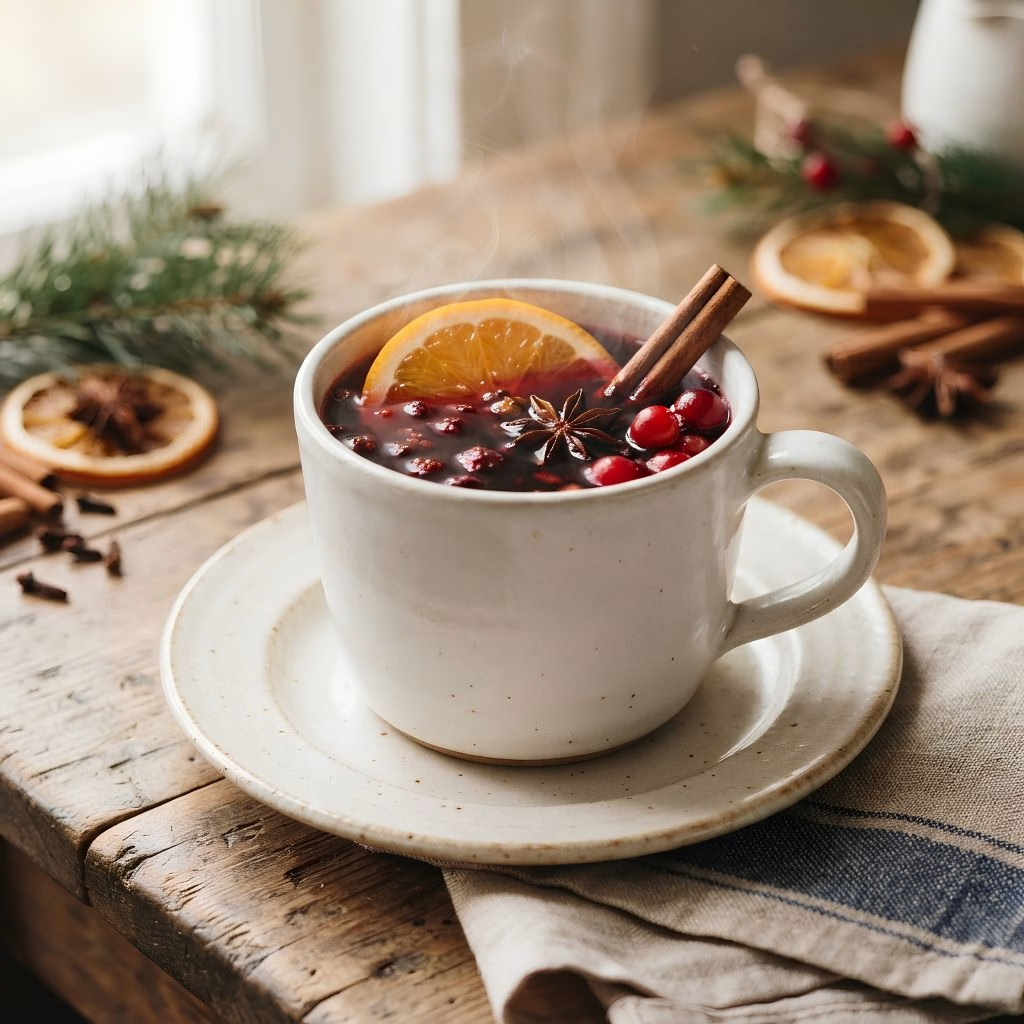
I started making this German Mulled Wine Recipe a few winters ago after tasting something close to it at a Christmas market stall, and I haven’t gone back to store-bought versions since.
There’s something about the smell of orange, cinnamon, and cloves simmering on the stove that instantly makes my whole kitchen feel like the holidays. I’ve tweaked this batch after batch until I landed on something that tastes genuinely authentic, not watered down or overly sweet.
If you’ve ever wondered how to make a real glühwein wine at home, I promise it’s far easier than it looks. Let me walk you through exactly how I make mine.

Cooking Time
- Prep Time: 10 minutes
- Cooking Time: 30 minutes
- Total Time: 40 minutes
Ingredients
- 1 bottle (750 ml) dry red wine — choose an inexpensive, fruity red like merlot or pinot noir, there’s no need to splurge here
- ½ cup granulated sugar — adjust this up or down depending on how sweet you like your mulled wine
- 1 orange, sliced into rounds — adds natural citrus brightness that balances the warm spices
- 1 lemon, sliced into rounds — brings a touch of tartness that keeps the wine from tasting flat
- 4 whole cinnamon sticks — gives that signature cozy flavor, always use whole sticks, not ground cinnamon
- 8 whole cloves — a little goes a long way, so don’t be tempted to add more than this
- 2 whole star anise — adds a subtle licorice warmth that’s classic in a traditional glühwein recipe
- ¼ cup brandy (optional) — stirred in at the end for a stronger, boozier glühwein recipe brandy version
Note: this recipe serves 4 to 6.
Equipment You Need
- Medium saucepan — for gently heating the wine and spices together
- Wooden spoon — useful for stirring without scratching your pot
- Sharp knife and cutting board — for slicing the orange and lemon
- Fine mesh strainer — to catch the spices and fruit before serving
- Ladle — makes pouring the hot wine into mugs much easier
- Heatproof mugs or glasses — ideally ones with handles since the wine is served hot
How to Make a German Mulled Wine Recipe?
This German mulled wine recipe comes together in one pot with barely any hands-on effort. You mostly just let the stove do the work while the spices slowly infuse into the wine. Here’s exactly how I put mine together.
Combine the Wine and Aromatics
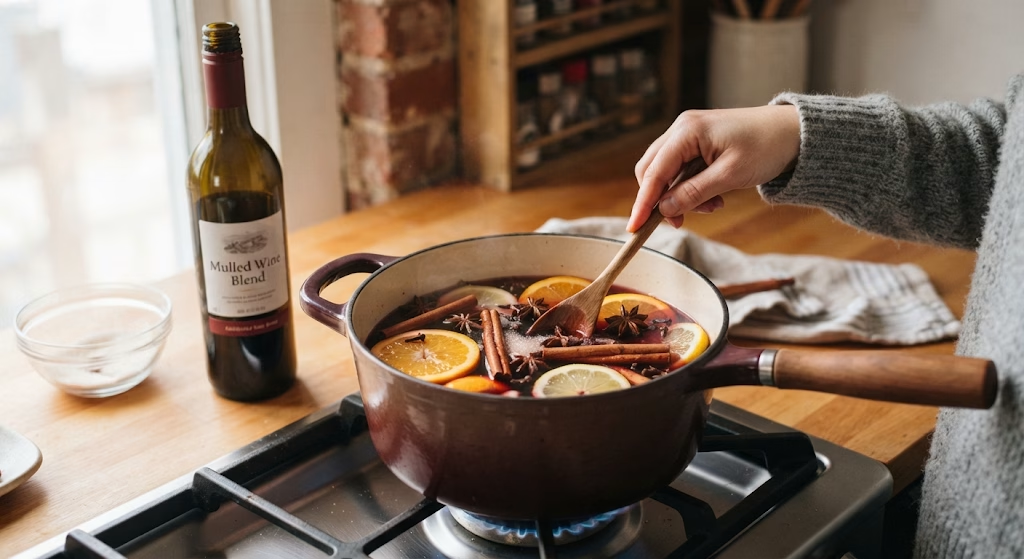
Pour your bottle of red wine into a medium saucepan set over low heat. Add the sugar, orange slices, lemon slices, cinnamon sticks, cloves, and star anise directly into the pot. Stir everything together gently so the sugar begins to dissolve into the wine.
Warm the Wine Slowly
Keep the heat on low and let the wine warm gradually, stirring every few minutes. This step is really about patience, since rushing it on high heat can boil off the alcohol and leave the flavor flat. You’re looking for steam, not bubbles.
Let the Spices Infuse
Once the wine is hot, let it sit on low heat for about 20 to 25 minutes so the spices have time to fully infuse. The longer it simmers gently, the deeper and more fragrant the flavor becomes, so don’t rush this part.
Add the Brandy
If you’re using brandy, stir it in during the last five minutes of cooking. Adding it too early can cause more of the alcohol to cook off, so this timing really does make a difference in the final taste.
Strain and Serve
Turn off the heat and ladle the wine through a fine mesh strainer into heatproof mugs, leaving the spices and fruit behind. Serve it immediately while it’s still warm and fragrant, with a fresh orange slice or cinnamon stick as a simple garnish.
Additional Tips for Making This Recipe Better
After making this more times than I can count, here’s what I’ve learned really makes a difference.
- I always taste my wine before serving and add a touch more sugar if it feels too sharp.
- I never let the wine come to a full boil, since that’s the fastest way to lose both flavor and alcohol content.
- I like tying my whole spices into a small cheesecloth pouch, which makes straining so much easier afterward.
- I keep my mulled wine on the lowest simmer setting if I’m serving a crowd over a few hours.
- I always use a wine I’d actually enjoy drinking on its own, since cheap doesn’t have to mean bad.
Common Mistakes to Avoid
- I once let my wine boil hard on the stove, and it turned bitter and lost most of its warmth almost completely.
- I used ground spices instead of whole ones early on, and it left a gritty texture at the bottom of every mug.
- I added too much sugar thinking sweeter was better, and it ended up masking the actual wine flavor.
- I forgot to strain my wine before serving once, and nobody wants to bite into a clove mid-sip.
- I left the brandy in from the very start, and the alcohol flavor completely overpowered everything else.
How to Serve German Mulled Wine?
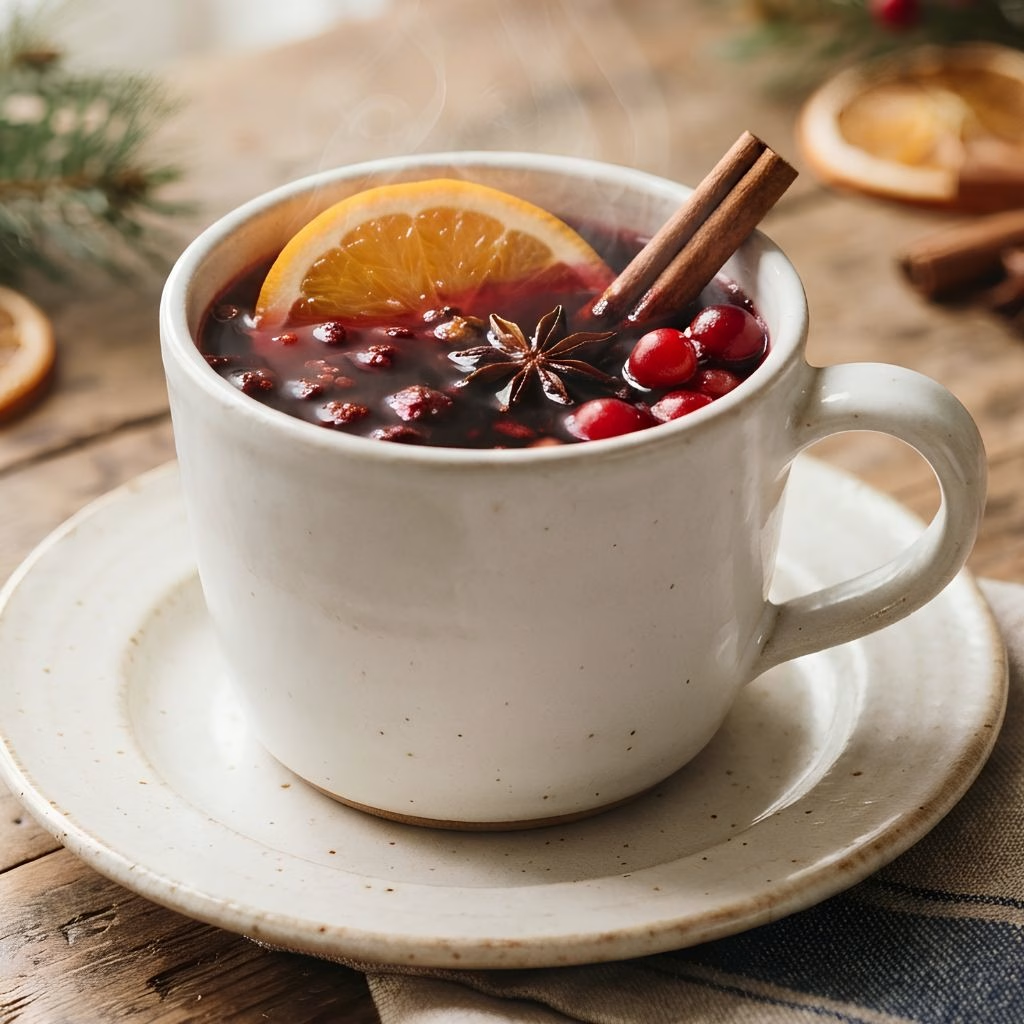
I like serving mine in clear glass mugs so you can actually see the deep ruby color along with the floating orange slices inside. A cinnamon stick resting in each mug as a stirrer adds a nice touch, and a small star anise pod on the rim makes it feel a little more festive.
This pairs beautifully with something warm and spiced on the side, like a plate of German Pfeffernüsse cookies fresh off the cooling rack. Set it all out on a small tray near the fireplace or dinner table, and it instantly feels like a proper holiday gathering.
Variations
- Swap the red wine for a dry white wine if you prefer a lighter, less bold version
- Add a few tablespoons of honey instead of sugar for a softer, more rounded sweetness
- Try a swiss mulled wine recipe twist by stirring in a splash of kirsch instead of brandy
- Use apple cider in place of half the wine for a milder, less boozy family-friendly batch
- Add fresh ginger slices for a spicier, warming kick alongside the classic spices
- Toss in a handful of dried cranberries for extra color and a slightly tart finish
Nutritional Information
Here’s a rough estimate per serving, which will vary slightly depending on the wine and sugar used.
- Calories: 210 kcal
- Protein: 0.3 g
- Carbohydrates: 22 g
- Fat: 0 g
Make Ahead and Storage
You can make the spiced wine mixture a day in advance and simply reheat it gently on the stove before serving, which actually deepens the flavor even more.
Store any leftover mulled wine in an airtight container in the refrigerator, where it will stay good for up to 3 days.
To reheat, warm it slowly in a saucepan over low heat, and avoid using the microwave since it can heat unevenly and affect the flavor.
Why You’ll Love This Recipe?
This has become one of my favorite things to make every winter, and here’s why I think you’ll feel the same.
- It’s incredibly easy: With just one pot and a handful of pantry spices, this comes together with very little effort for how impressive it tastes.
- It’s endlessly adaptable: Whether you’re after an authentic german glühwein recipe or a lighter, non-alcoholic twist, the base recipe bends easily.
- It fills the house with warmth: The smell alone while it simmers makes any gathering feel instantly more festive.
- It’s a crowd-pleaser: This is one of those drinks that disappears fast at parties, so I always make a double batch.
- It’s budget-friendly: You don’t need a fancy bottle of wine to get a genuinely delicious result here.
FAQs
What’s the difference in glühwein vs mulled wine?
Glühwein is simply the German name for mulled wine, though it traditionally leans on cinnamon, cloves, and citrus more than some other regional versions.
Can I make this without alcohol?
Yes, you can substitute the wine with grape juice or a non-alcoholic red wine and skip the brandy entirely for a kid-friendly version.
What’s the best glühwein recipe wine to use?
A dry, fruity red like merlot, pinot noir, or zinfandel works best, since it holds up well against the warm spices without turning too sweet.
How long should I let the wine simmer?
Around 20 to 25 minutes on low heat is enough to infuse the spices fully without risking a boil that burns off the flavor.
Can I make a big batch for a party?
Absolutely, this recipe doubles or triples easily, just keep it on your stove’s lowest simmer setting or transfer it to a slow cooker to keep warm for guests.
If you’re planning a full German-inspired spread for the holidays, this mulled wine also pairs wonderfully with something rich like a German plum cake for dessert.

German Mulled Wine Recipe
Ingredients
Method
- Pour your bottle of red wine into a medium saucepan set over low heat. Add the sugar, orange slices, lemon slices, cinnamon sticks, cloves, and star anise directly into the pot. Stir everything together gently so the sugar begins to dissolve into the wine.
- Keep the heat on low and let the wine warm gradually, stirring every few minutes. This step is really about patience, since rushing it on high heat can boil off the alcohol and leave the flavor flat. You’re looking for steam, not bubbles.
- Once the wine is hot, let it sit on low heat for about 20 to 25 minutes so the spices have time to fully infuse. The longer it simmers gently, the deeper and more fragrant the flavor becomes, so don’t rush this part.
- If you’re using brandy, stir it in during the last five minutes of cooking. Adding it too early can cause more of the alcohol to cook off, so this timing really does make a difference in the final taste.
- Turn off the heat and ladle the wine through a fine mesh strainer into heatproof mugs, leaving the spices and fruit behind. Serve it immediately while it’s still warm and fragrant, with a fresh orange slice or cinnamon stick as a simple garnish.
Notes
- I always taste my wine before serving and add a touch more sugar if it feels too sharp.
- I never let the wine come to a full boil, since that’s the fastest way to lose both flavor and alcohol content.
- I like tying my whole spices into a small cheesecloth pouch, which makes straining so much easier afterward.
- I keep my mulled wine on the lowest simmer setting if I’m serving a crowd over a few hours.
- I always use a wine I’d actually enjoy drinking on its own, since cheap doesn’t have to mean bad.