I still remember the first time I spatchcocked a turkey for Thanksgiving, and honestly, I haven’t gone back to the traditional method since. I was tired of dry breast meat and a bird that took half the day to roast, so I decided to try butterflying it flat on a sheet pan instead.
The difference floored me crispy, golden skin all over and juicy meat from the breast down to the thighs, in almost half the time. Once I cracked that breastbone and watched the turkey roast evenly in under two hours, I knew I’d never cook it whole again. Let me walk you through exactly how I make my Spatchcock Turkey Recipe every single time.
Cooking Time
- Prep Time: 30 minutes
- Cooking Time: 1 hour 30 minutes to 1 hour 45 minutes
- Total Time: 2 hours 15 minutes (plus optional overnight dry brine)
Ingredients
- 1 whole turkey (12–14 pounds), spatchcocked — a smaller bird spatchcocks easier and cooks more evenly than an oversized one
- 3 tablespoons kosher salt — the backbone of a good dry brine, don’t skimp here
- 1 tablespoon black pepper, freshly cracked — freshly ground pepper has far more punch than pre-ground
- 6 tablespoons unsalted butter, softened — I like butter over oil for a richer, more golden skin
- 4 cloves garlic, minced — fresh garlic beats the jarred stuff every time for flavor
- 2 tablespoons fresh rosemary, chopped — thyme works too if that’s what you have on hand
- 2 tablespoons fresh thyme leaves — adds an earthy, aromatic layer under the skin
- 1 lemon, sliced — for stuffing under the bird and brightening the pan drippings
- 1 large onion, sliced — creates a flavorful bed for the turkey to roast on
- 2 carrots, roughly chopped — adds body and sweetness to the pan drippings for gravy
- 2 celery stalks, roughly chopped — a classic aromatic base, don’t skip it
- 1 cup low-sodium chicken or turkey stock — keeps the pan drippings from scorching while roasting
Note: This recipe serves 10–12 people comfortably, with leftovers to spare.
Equipment You Need
- Poultry shears or sharp kitchen scissors – essential for cutting out the backbone cleanly
- Large cutting board – gives you a stable surface to work the bird on
- Rimmed baking sheet – catches drippings and holds the turkey steady
- Wire rack – elevates the turkey so hot air circulates underneath for even cooking
- Instant-read meat thermometer – the only reliable way to know when the turkey is done
- Paper towels – for patting the bird completely dry before seasoning
- Mixing bowl – for blending your butter and herb mixture
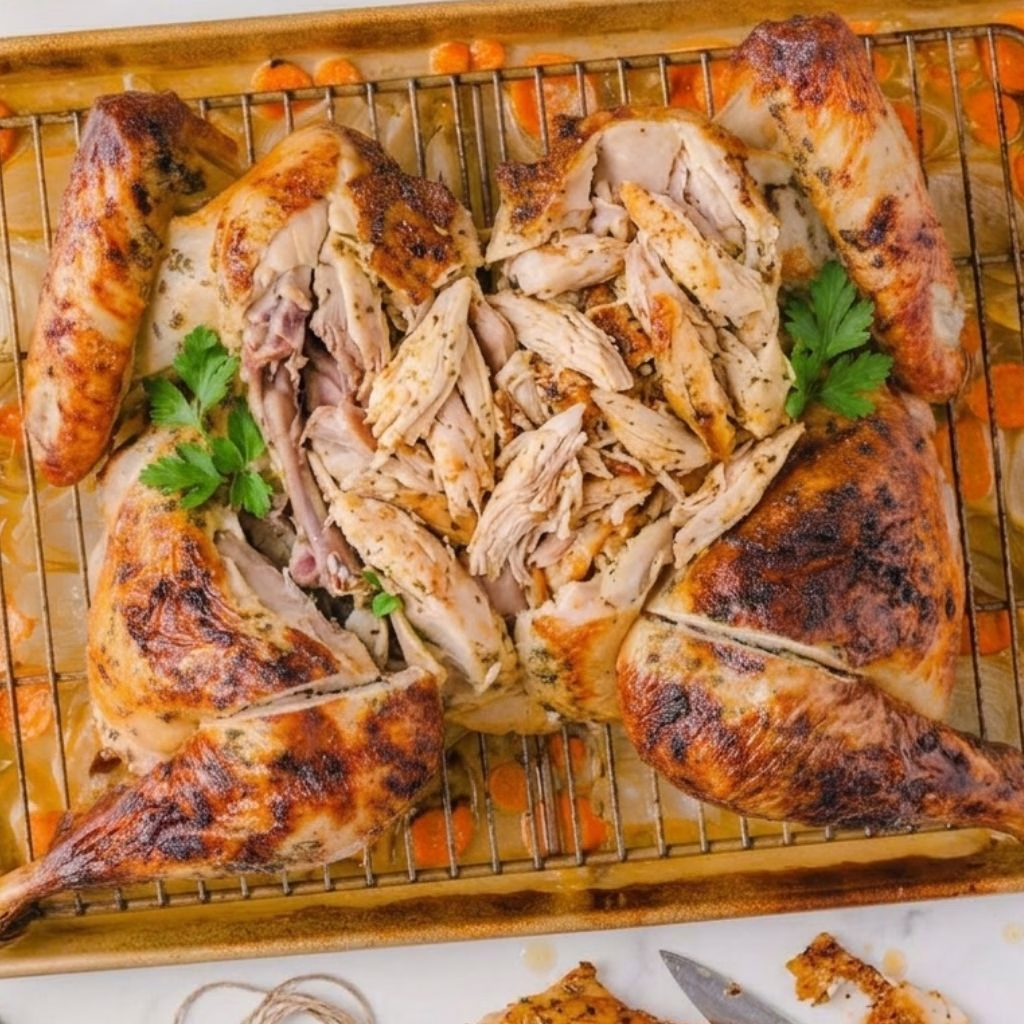
How to Make Spatchcock Turkey Recipe?
Making a spatchcock turkey sounds intimidating the first time, but it’s really just a handful of simple steps. Once you get the backbone out and the bird flattened, the rest is mostly hands-off roasting. I promise it looks far more complicated than it actually is.
Step 1: Pat the Turkey Dry
Start by removing the turkey from its packaging and taking out the giblets and neck if included. Pat the entire bird dry, inside and out, with paper towels. This step matters more than people think, since excess moisture is the enemy of crispy skin later in the oven.
Step 2: Remove the Backbone
Place the turkey breast-side down on your cutting board with the tail end facing you. Using poultry shears, cut along one side of the backbone from tail to neck, then repeat on the other side to free it completely. Save the backbone for stock or gravy later.
Step 3: Flatten the Bird
Flip the turkey breast-side up and press down firmly on the breastbone with the heel of your hand. You’ll hear a crack as the bird flattens out, which is exactly what you want. This flattening is what allows the turkey to cook so much faster and more evenly than roasting it whole.
Step 4: Dry Brine (Optional but Recommended)
Rub the kosher salt evenly all over the skin and under it where you can reach. Place the turkey uncovered in the fridge overnight, or for at least 8 hours if time allows. This dry brine step draws moisture to the surface, which then gets reabsorbed, seasoning the meat deeply and helping the skin crisp up beautifully.
Step 5: Prepare the Herb Butter
In a small bowl, mash together the softened butter, minced garlic, rosemary, thyme, and black pepper until fully combined. This compound butter is what gives the turkey its deep, savory flavor right under the skin.
Step 6: Season and Butter the Turkey
Gently loosen the skin over the breast and thighs with your fingers, then massage about two-thirds of the herb butter directly onto the meat under the skin. Rub the remaining butter over the outside of the skin for extra browning and flavor.
Step 7: Build the Roasting Bed
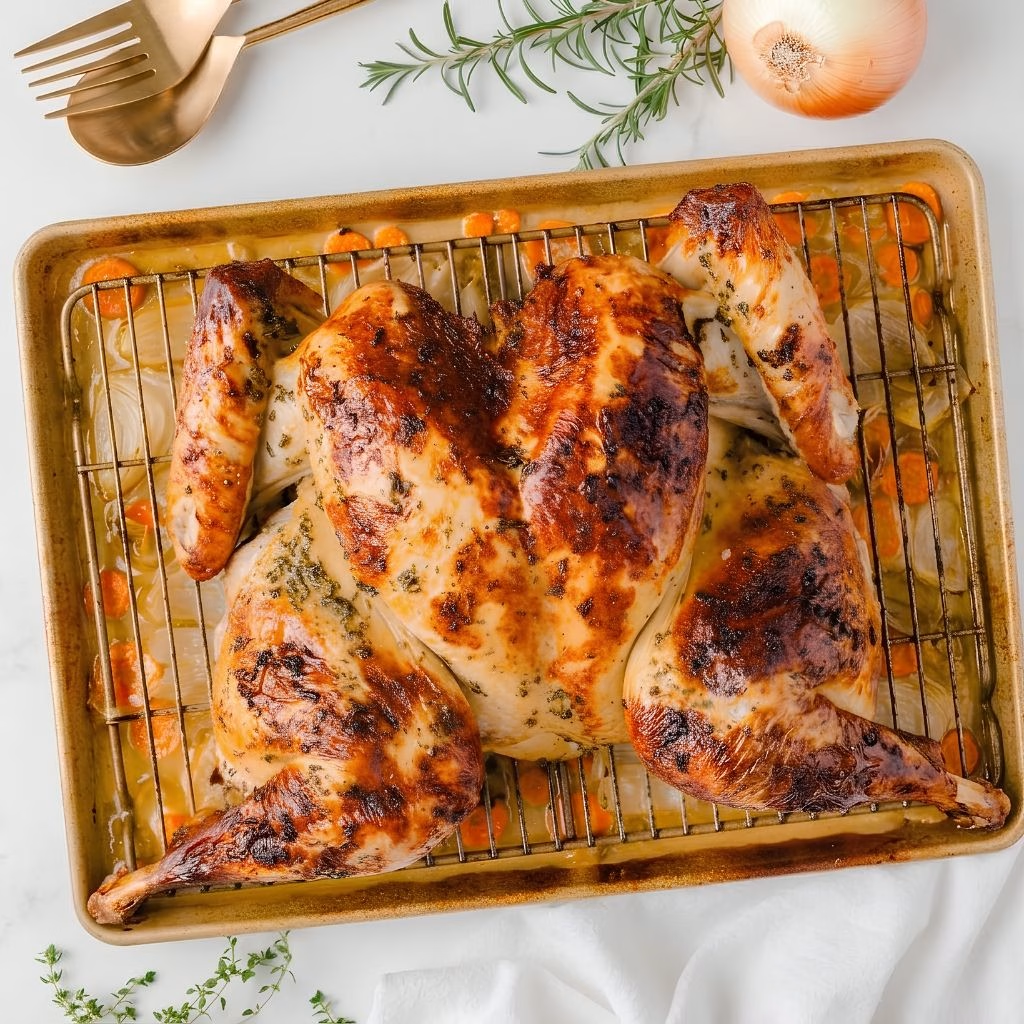
Scatter the onion, carrots, celery, and lemon slices across the bottom of your baking sheet, then place the wire rack on top. Pour the chicken stock into the pan below the rack to keep the drippings from burning during the long roast.
Step 8: Arrange and Roast the Turkey
Place the turkey breast-side up on the wire rack, tucking the wing tips underneath and splaying the legs outward. Roast at 450°F for 60–90 minutes, until a thermometer reads 165°F in the breast and 175°F in the thigh.
Step 9: Rest Before Carving
Remove the turkey from the oven and tent it loosely with foil. Let it rest for 20–30 minutes before carving, which allows the juices to redistribute through the meat instead of spilling out onto your cutting board.
Additional Tips for Making This Recipe Better
After making this spatchcock turkey more times than I can count, here’s what I’ve learned works best:
- I always dry brine overnight if I can plan ahead, because it makes a noticeable difference in both seasoning and skin texture.
- I rotate my baking sheet halfway through roasting since my oven runs a little hotter in the back.
- I never skip patting the turkey dry before seasoning, because a damp bird just steams instead of crisping.
- I check the temperature in multiple spots, since the breast and thigh don’t always finish at the exact same time.
- I let the compound butter sit at true room temperature so it spreads easily under the skin without tearing it.
Common Mistakes to Avoid
- I used to roast at too low a temperature thinking it was safer, but that just gave me pale, rubbery skin high heat is what crisps it properly.
- I once skipped resting the turkey because I was in a rush, and all the juices ended up on the cutting board instead of in the meat.
- I learned the hard way that a wet bird won’t brown, so always pat it completely dry before seasoning.
- I overcrowded my baking sheet with too many vegetables once, which blocked airflow and led to uneven cooking.
- I relied on cooking time alone instead of a thermometer early on, and ended up with an undercooked thigh always check the internal temp.
How to Serve Spatchcock Turkey
Carve the turkey directly on the baking sheet or transfer it to a large wooden board for presentation. Separate the legs, thighs, wings, and breast, then slice the breast meat against the grain for maximum tenderness. Arrange everything on a large platter, tuck in some fresh herb sprigs and lemon slices for color, and spoon a little of the pan drippings over the top just before serving.
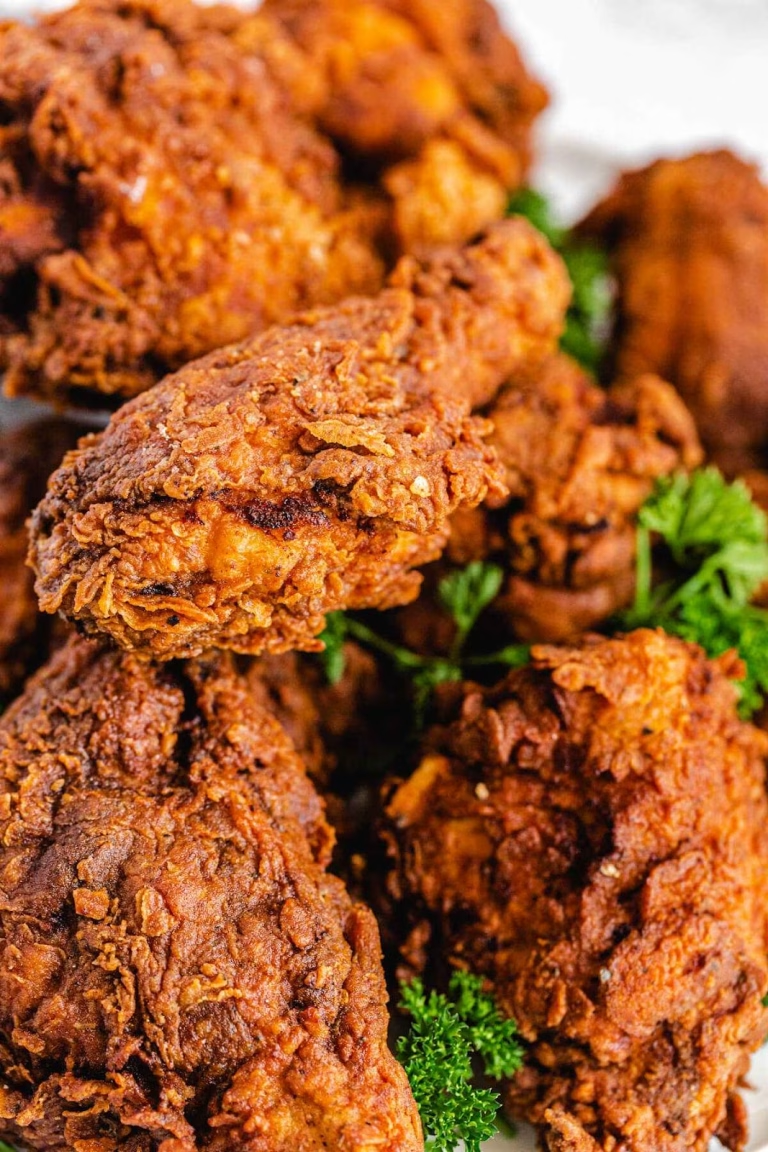
A warm bowl of turkey gravy recipe on the side rounds out the whole spread beautifully, and classic sides like mashed potatoes or a buttery roasted vegetable medley never go wrong alongside it. If you’re looking for another crowd-pleasing main to pair with your holiday table, this honey butter fried chicken is always a hit with guests who love a little extra crunch.
Variations
- Smoked spatchcock turkey recipe – finish the bird on a smoker at 250°F for a deeper, woodsy flavor instead of the oven
- Dairy-free version – swap the butter for olive oil or a plant-based butter alternative
- Citrus and herb twist – add orange zest and sage to the compound butter for a brighter aroma
- Spicy rub variation – mix smoked paprika, cayenne, and brown sugar into the butter for a bold, sweet-heat crust
- UK-style version – use goose fat instead of butter for an extra-crisp, traditional British finish
- Alton Brown-inspired method – brine the turkey in a saltwater solution for 8–16 hours before spatchcocking and roasting
Nutritional Information
Here’s a general nutritional breakdown per serving (based on roughly 6 ounces of roasted turkey):
- Calories: 320 kcal
- Protein: 42g
- Carbohydrates: 2g
- Fat: 16g
Make Ahead and Storage
You can spatchcock the turkey and apply the dry brine up to 24 hours ahead, keeping it uncovered in the fridge until you’re ready to roast. This actually improves the final texture, so getting a head start works in your favor.
Leftover turkey keeps well in an airtight container in the refrigerator for 3–4 days. Reheat gently in a 300°F oven with a splash of stock to keep the meat from drying out.
For longer storage, carve the meat and freeze it in freezer-safe bags for up to 3 months. Thaw overnight in the fridge before reheating for the best texture.
Why You’ll Love This Recipe
This spatchcock turkey recipe has become my go-to for every holiday gathering, and here’s why I think you’ll love it too:
- It cooks in nearly half the time of a traditional whole turkey, which means more oven space for your side dishes and less waiting around.
- The flattened shape exposes more skin to direct heat, so every single bite gets that crispy, golden texture instead of just the top.
- It’s incredibly forgiving for beginners, since even cooking means less risk of a dry breast or undercooked thigh.
- You can easily customize the herb butter and rub to match whatever flavors your family loves, from citrus-forward to smoky and spiced.
- The flat shape makes carving dramatically simpler, so you spend less time wrestling with the bird and more time at the table.
FAQs
Can I spatchcock a frozen turkey?
No, the turkey needs to be fully thawed first so you can cut through the backbone cleanly and flatten it properly.
What temp should I cook a spatchcock turkey at?
I roast mine at 450°F, which gives the best balance of crispy skin and a fast, even cook throughout the bird.
Do I need poultry shears to spatchcock a turkey?
Poultry shears make it much easier, but a sharp, sturdy kitchen knife can work in a pinch if you’re careful and patient.
Can I stuff a spatchcock turkey?
Not inside the cavity, since it’s flattened, but you can absolutely serve stuffing on the side baked separately in a dish.
How do I know when my spatchcock turkey is fully cooked?
Check with an instant-read thermometer in the thickest part of the breast and thigh you’re looking for 165°F and 175°F respectively.
For another easy dinner idea your family will love, check out this creamy garlic parmesan pasta as a comforting side or next-day pairing with your turkey leftovers.

Spatchcock Turkey Recipe
Ingredients
Method
- Start by removing the turkey from its packaging and taking out the giblets and neck if included. Pat the entire bird dry, inside and out, with paper towels. This step matters more than people think, since excess moisture is the enemy of crispy skin later in the oven.
- Place the turkey breast-side down on your cutting board with the tail end facing you. Using poultry shears, cut along one side of the backbone from tail to neck, then repeat on the other side to free it completely. Save the backbone for stock or gravy later.
- Flip the turkey breast-side up and press down firmly on the breastbone with the heel of your hand. You’ll hear a crack as the bird flattens out, which is exactly what you want. This flattening is what allows the turkey to cook so much faster and more evenly than roasting it whole.
- Rub the kosher salt evenly all over the skin and under it where you can reach. Place the turkey uncovered in the fridge overnight, or for at least 8 hours if time allows. This dry brine step draws moisture to the surface, which then gets reabsorbed, seasoning the meat deeply and helping the skin crisp up beautifully.
- In a small bowl, mash together the softened butter, minced garlic, rosemary, thyme, and black pepper until fully combined. This compound butter is what gives the turkey its deep, savory flavor right under the skin.
- Gently loosen the skin over the breast and thighs with your fingers, then massage about two-thirds of the herb butter directly onto the meat under the skin. Rub the remaining butter over the outside of the skin for extra browning and flavor.
- Scatter the onion, carrots, celery, and lemon slices across the bottom of your baking sheet, then place the wire rack on top. Pour the chicken stock into the pan below the rack to keep the drippings from burning during the long roast.
- Place the turkey breast-side up on the wire rack, tucking the wing tips underneath and splaying the legs outward. Roast at 450°F for 60–90 minutes, until a thermometer reads 165°F in the breast and 175°F in the thigh.
- Remove the turkey from the oven and tent it loosely with foil. Let it rest for 20–30 minutes before carving, which allows the juices to redistribute through the meat instead of spilling out onto your cutting board.
Notes
- I always dry brine overnight if I can plan ahead, because it makes a noticeable difference in both seasoning and skin texture.
- I rotate my baking sheet halfway through roasting since my oven runs a little hotter in the back.
- I never skip patting the turkey dry before seasoning, because a damp bird just steams instead of crisping.
- I check the temperature in multiple spots, since the breast and thigh don’t always finish at the exact same time.
- I let the compound butter sit at true room temperature so it spreads easily under the skin without tearing it.