I still remember the first time I roasted a whole turkey for my family, nervously opening the oven door every twenty minutes to check on it. Over the years I’ve learned that cooking a turkey doesn’t need to be stressful once you know the right turkey cooking times and temperatures.
I’m sharing my simplest, no-fuss method here, the one I now use every single holiday without fail. Whether you’re wondering how long to cook turkey per kg or how long to cook turkey in oven at 350, I’ve got you covered. By the end of this guide, you’ll know exactly how to cook a turkey in the oven to be moist, golden, and ready to impress your guests.
Cooking Time
- Prep Time: 25 minutes
- Cooking Time: 3 hours to 3 hours 30 minutes
- Total Time: 3 hours 55 minutes (plus 30 minutes resting)
Ingredients
- 1 whole turkey (12-15 lbs) – the star of the dish, choose a fresh or fully thawed bird for the best texture
- 1/2 cup unsalted butter, softened – helps the skin turn golden and keeps the breast meat from drying out
- 2 tablespoons kosher salt – seasons the meat deeply, table salt works too but use a little less
- 1 tablespoon black pepper, freshly ground – adds a warm, mild heat that balances the richness of the butter
- 2 teaspoons dried thyme – brings an earthy, herby note, fresh thyme sprigs work even better if you have them
- 1 teaspoon dried rosemary, crushed – pairs beautifully with turkey and fills the kitchen with a lovely aroma
- 1 lemon, halved – stuffed inside the cavity, it adds brightness and keeps the meat tasting fresh, not heavy
- 1 onion, quartered – placed inside the cavity for extra flavor, don’t skip it, it makes a real difference
- 4-5 garlic cloves, smashed – infuses the turkey from the inside out with a subtle, savory depth
- 2 cups low-sodium chicken or turkey stock – poured into the roasting pan to keep the oven moist and prevent drying
- 2 tablespoons olive oil – rubbed over the skin before the butter for extra crispness, don’t skip this step
Note: Serves 10-12 people
Equipment You Need
- Large roasting pan – holds the turkey and catches all the flavorful drippings
- Roasting rack – lifts the turkey so hot air circulates evenly underneath
- Instant-read meat thermometer – checks the internal temperature so you never overcook or undercook the bird
- Aluminum foil – tents the turkey to stop the skin from browning too fast
- Kitchen twine – ties the legs together so the turkey cooks evenly and looks neat
- Basting brush – spreads butter and pan juices over the skin for extra color and flavor
- Sharp carving knife – slices the finished turkey cleanly once it’s rested
How to Make a Turkey Recipe?
Making turkey at home is honestly easier than most people expect once you break it into simple stages. I always start by prepping the bird, then move on to seasoning, roasting, and finally resting before carving. Follow these steps and you’ll have a moist, golden turkey every single time.
Step 1: Thaw and Dry the Turkey
If your turkey is frozen, thaw it in the fridge, allowing roughly 24 hours for every 5 pounds of weight. Once thawed, remove the giblets and pat the entire bird dry, inside and out, with paper towels. Drying the skin thoroughly is the real secret to crispy, golden results later.
Step 2: Season the Turkey
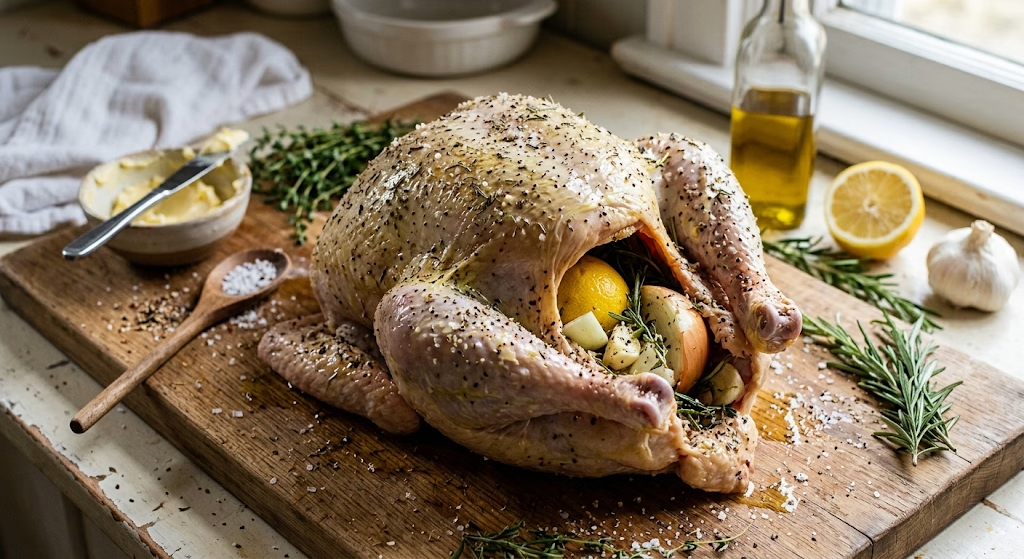
Rub olive oil all over the skin, then massage the softened butter underneath and over the surface for extra richness. Sprinkle the salt, pepper, thyme, and rosemary generously, making sure to season both the outside and the cavity. Stuff the lemon, onion, and garlic inside the turkey for flavor from within.
Step 3: Truss and Prepare the Pan
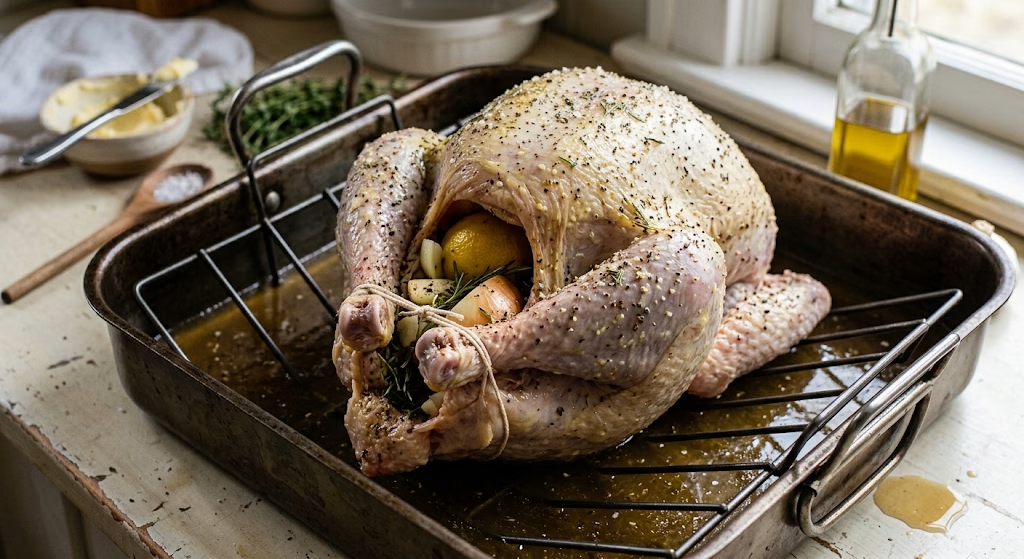
Tie the legs together loosely with kitchen twine so the turkey holds its shape while roasting evenly. Place the rack inside your roasting pan and set the turkey breast-side up on top of it. Pour the stock into the bottom of the pan to keep the oven environment moist throughout.
Step 4: Roast the Turkey
Preheat your oven to 350°F and place the turkey on the middle rack, uncovered at first for better browning. As a rule of thumb, roast for about 13 minutes per pound, so a 15-pound turkey needs roughly 3 hours 15 minutes. Tent loosely with foil halfway through if the skin starts browning too quickly.
Step 5: Check the Temperature
Insert your instant-read thermometer into the thickest part of the thigh without touching the bone for an accurate reading. The turkey is done when it reads 165°F in the thigh and the breast meat reaches around 160°F. Pull it from the oven right at this point since it will continue cooking slightly while resting.
Step 6: Rest and Carve
Let the turkey rest, loosely tented with foil, for at least 20 to 30 minutes before you even think about carving it. This resting period allows the juices to redistribute through the meat instead of spilling out onto your cutting board. Once rested, carve the turkey using a sharp knife and serve it warm.
Additional Tips for Making This Recipe Better
I’ve made plenty of turkeys over the years, and these are the tricks that genuinely made the biggest difference for me.
- I always bring my turkey to room temperature for about an hour before roasting since a cold bird cooks unevenly.
- I never skip drying the skin completely, because moisture is the enemy of that crispy, golden exterior I’m after.
- I like placing a few extra pats of butter under the skin right over the breast for added juiciness.
- I always use a meat thermometer instead of guessing by time alone, it’s saved me from dry turkey more than once.
- I rest my turkey longer than I think I need to, and it always pays off in juicier slices.
Common Mistakes to Avoid
Through trial and error, I’ve picked up on a few mistakes that quietly ruin an otherwise great turkey.
- I used to skip patting the turkey dry, and it always led to pale, soggy skin instead of a golden crust.
- I once stuffed the cavity with raw stuffing, which slowed the cooking and left the meat overdone by the time the stuffing was safe.
- I learned the hard way that opening the oven door too often drops the temperature and stretches out the cooking time.
- I used to pull the turkey out too early, so now I always confirm doneness with a thermometer, not a timer alone.
- I didn’t rest the turkey long enough in the beginning, and all those flavorful juices ended up on the cutting board instead of in the meat.
How to Serve Turkey Recipe?
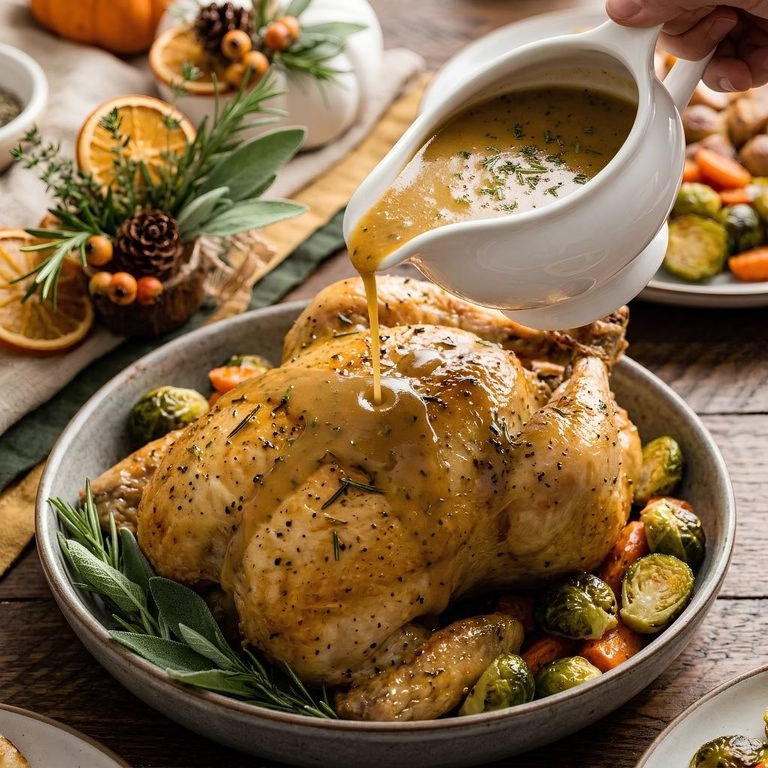
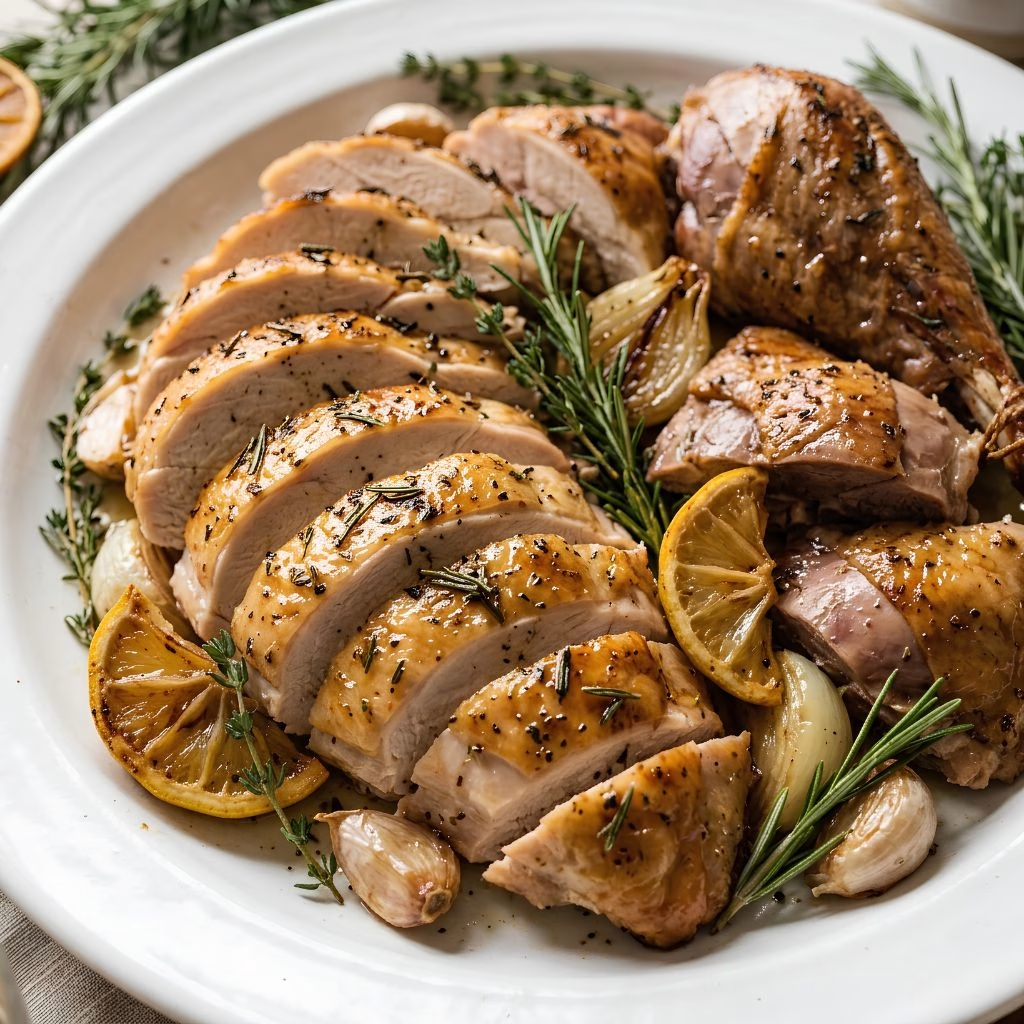
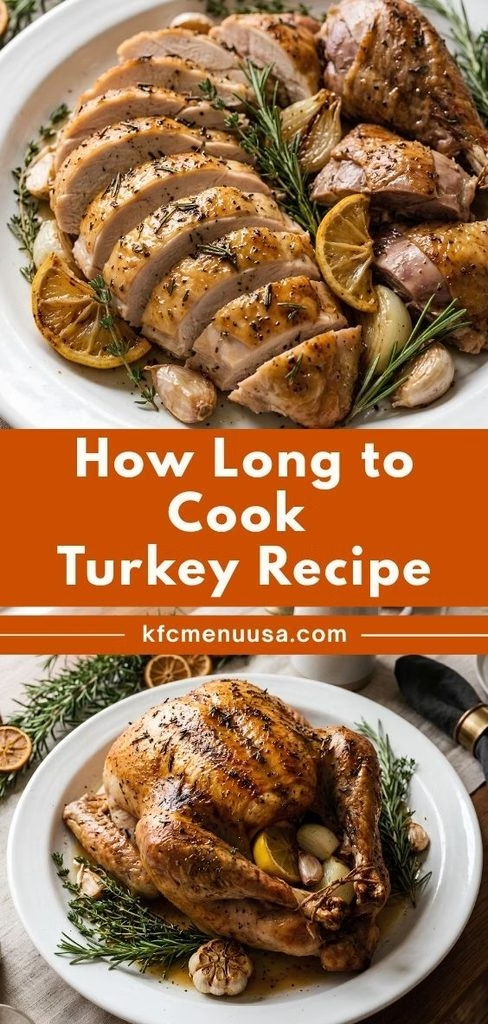
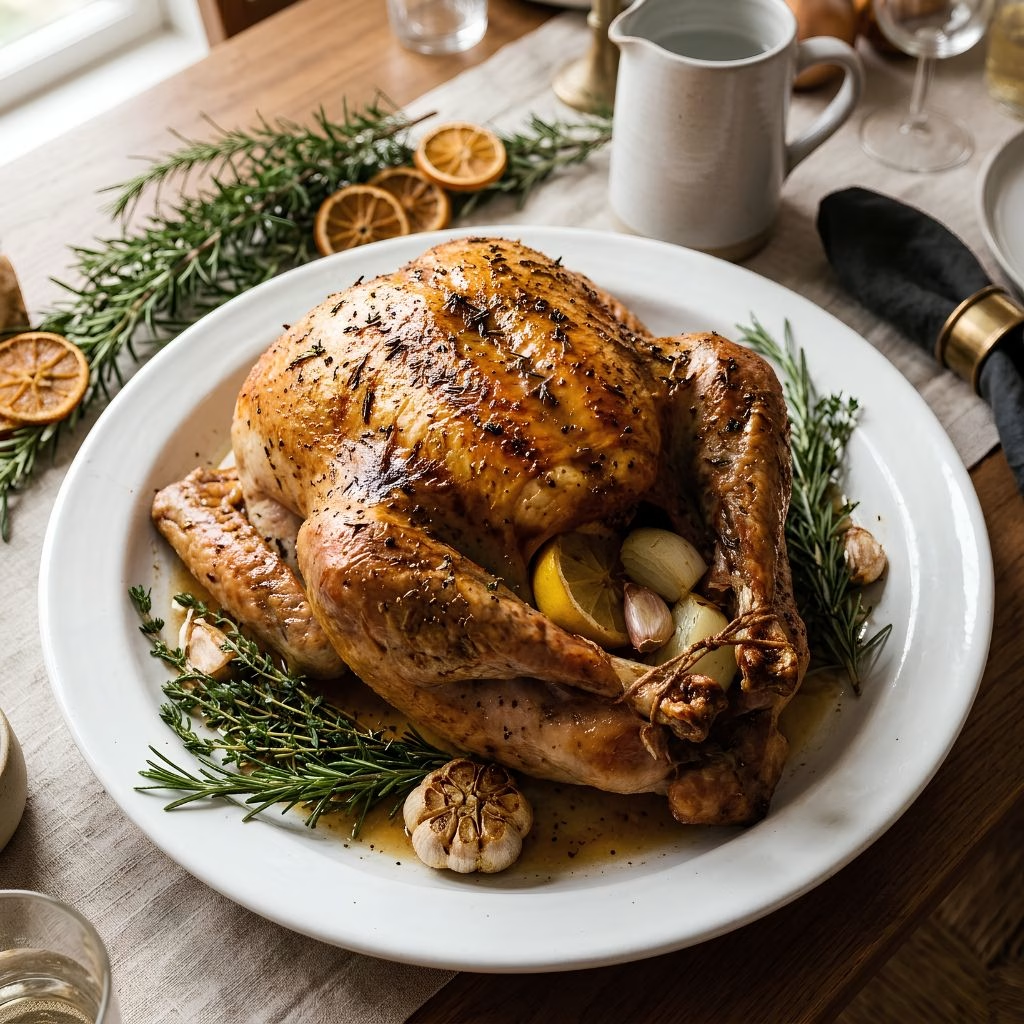
I love carving my turkey right at the table for that big holiday reveal everyone looks forward to. Arrange the slices on a large platter, layering white and dark meat so guests can pick their favorite. A scatter of fresh rosemary sprigs, thyme, and a few orange or lemon slices around the edges instantly makes the platter look festive.
Drizzle a little of the pan drippings or warm gravy over the top just before serving for extra shine and flavor. I usually pair it with mashed potatoes, roasted vegetables, and warm bread rolls on the side.
Variations
- Swap the butter for olive oil or dairy-free margarine if you want a dairy-free version of this recipe.
- Add orange zest and sage to the butter rub for a brighter, more citrusy flavor profile.
- Use a dry brine with just salt for 24 hours beforehand if you have extra time and want deeper seasoning.
- Try a spatchcocked turkey for a quicker cooking time and more evenly crisped skin all around.
- Add smoked paprika or cayenne to the seasoning mix if you prefer a little warmth in every bite.
Nutritional Information
Here’s a general breakdown per serving based on roasted turkey without skin, so you can plan your plate accordingly.
- Calories: 220 kcal
- Protein: 33g
- Carbohydrates: 1g
- Fat: 9g
Make Ahead and Storage
Make Ahead: You can season and truss the turkey up to a day in advance, then keep it covered in the fridge until you’re ready to roast it the next morning.
Storage: Store leftover turkey in an airtight container in the fridge for up to 4 days, making sure it has cooled down first before sealing.
Freezing: Sliced turkey freezes well for up to 3 months, just wrap it tightly in foil and place it inside a freezer-safe bag.
Reheating: Reheat gently in the oven at 325°F covered with foil, or microwave individual portions with a splash of broth to keep the meat moist.
Why You’ll Love This Recipe?
This turkey recipe has become my go-to for every holiday gathering, and here’s why I think you’ll love it too.
- It’s beginner-friendly: Even if you’ve never cooked a whole turkey before, these simple steps make the process approachable and stress-free.
- It stays moist every time: The butter rub and stock in the pan keep the meat juicy from start to finish without any fancy brining required.
- It’s easy to customize: You can swap herbs, add citrus, or adjust the seasoning to match whatever flavors your family loves most.
- It feeds a crowd: With 10-12 generous servings, it’s perfect for holidays, potlucks, or any big family dinner.
- It pairs with everything: The mild, herby flavor goes well with nearly any side dish, so your whole menu comes together effortlessly.
If you enjoy festive mains like this one, you might also like this Garlic Butter Roast Chicken for a smaller weeknight version of the same cozy flavors.
FAQs
How long to cook turkey per kg?
As a general guide, cook the turkey for about 25-30 minutes per kilogram at 350°F until it reaches 165°F internally.
How long to cook turkey in oven at 350?
At 350°F, plan for roughly 13 minutes per pound for an unstuffed turkey, so a 15-pound bird takes about 3 hours 15 minutes.
How to cook a turkey quickly?
Spatchcocking the turkey, meaning removing the backbone and flattening it, significantly cuts down cooking time and roasts more evenly.
Can I cook the turkey from frozen?
It’s best to fully thaw your turkey first, since cooking from frozen takes much longer and can cook unevenly.
What’s the best way to keep turkey moist in the oven?
Basting with pan juices, using plenty of butter under the skin, and not overcooking past 165°F are the best ways to keep it moist.
For gravy that complements this turkey perfectly, check out this Homemade Turkey Gravy recipe to pour right over your sliced turkey.

How Long to Cook a Turkey Recipe
Ingredients
Method
- If your turkey is frozen, thaw it in the fridge, allowing roughly 24 hours for every 5 pounds of weight. Once thawed, remove the giblets and pat the entire bird dry, inside and out, with paper towels. Drying the skin thoroughly is the real secret to crispy, golden results later.
- Rub olive oil all over the skin, then massage the softened butter underneath and over the surface for extra richness. Sprinkle the salt, pepper, thyme, and rosemary generously, making sure to season both the outside and the cavity. Stuff the lemon, onion, and garlic inside the turkey for flavor from within.
- Tie the legs together loosely with kitchen twine so the turkey holds its shape while roasting evenly. Place the rack inside your roasting pan and set the turkey breast-side up on top of it. Pour the stock into the bottom of the pan to keep the oven environment moist throughout.
- Preheat your oven to 350°F and place the turkey on the middle rack, uncovered at first for better browning. As a rule of thumb, roast for about 13 minutes per pound, so a 15-pound turkey needs roughly 3 hours 15 minutes. Tent loosely with foil halfway through if the skin starts browning too quickly.
- Insert your instant-read thermometer into the thickest part of the thigh without touching the bone for an accurate reading. The turkey is done when it reads 165°F in the thigh and the breast meat reaches around 160°F. Pull it from the oven right at this point since it will continue cooking slightly while resting.
- Let the turkey rest, loosely tented with foil, for at least 20 to 30 minutes before you even think about carving it. This resting period allows the juices to redistribute through the meat instead of spilling out onto your cutting board. Once rested, carve the turkey using a sharp knife and serve it warm.
Notes
- I always bring my turkey to room temperature for about an hour before roasting since a cold bird cooks unevenly.
- I never skip drying the skin completely, because moisture is the enemy of that crispy, golden exterior I’m after.
- I like placing a few extra pats of butter under the skin right over the breast for added juiciness.
- I always use a meat thermometer instead of guessing by time alone, it’s saved me from dry turkey more than once.
- I rest my turkey longer than I think I need to, and it always pays off in juicier slices.