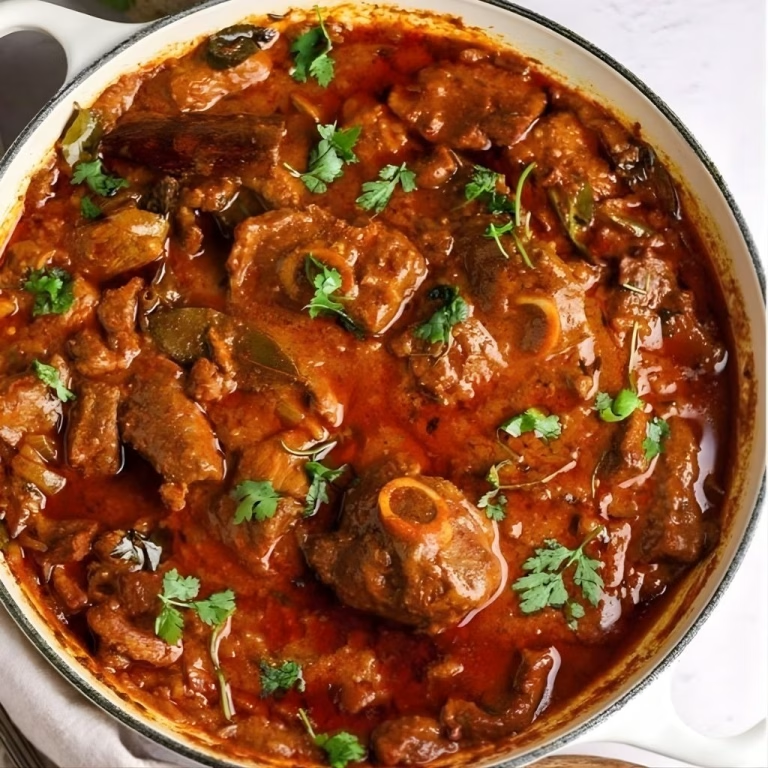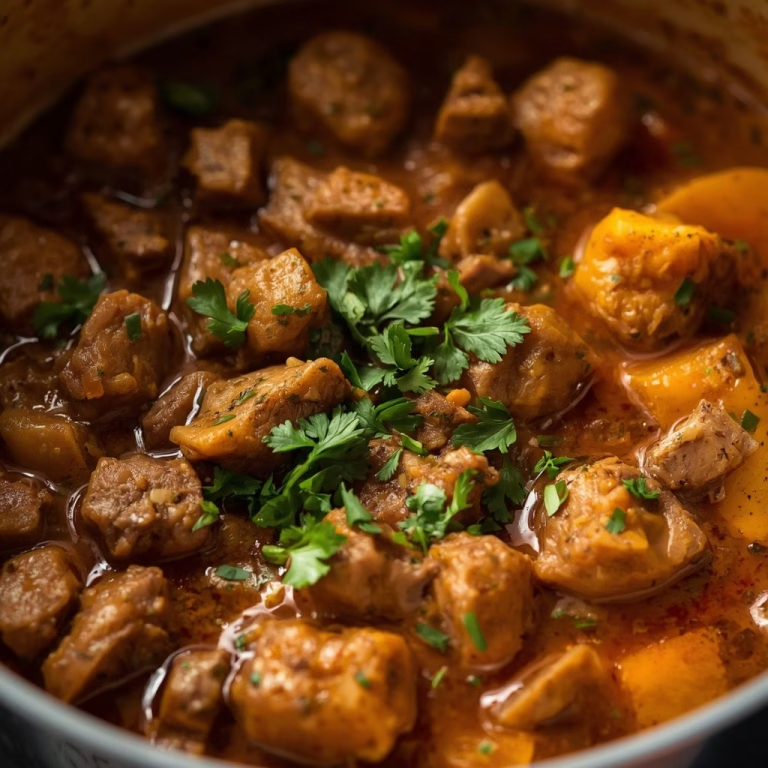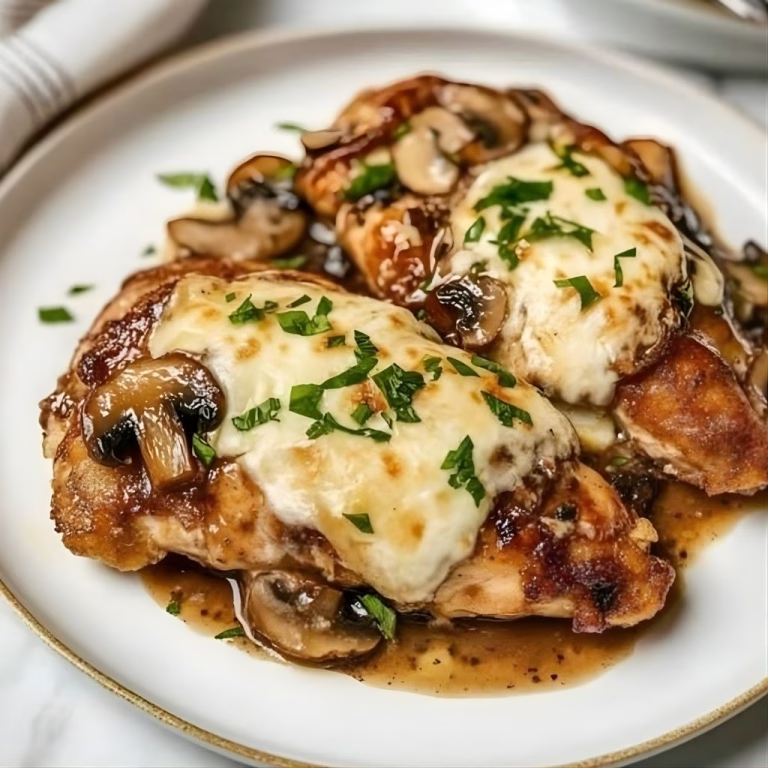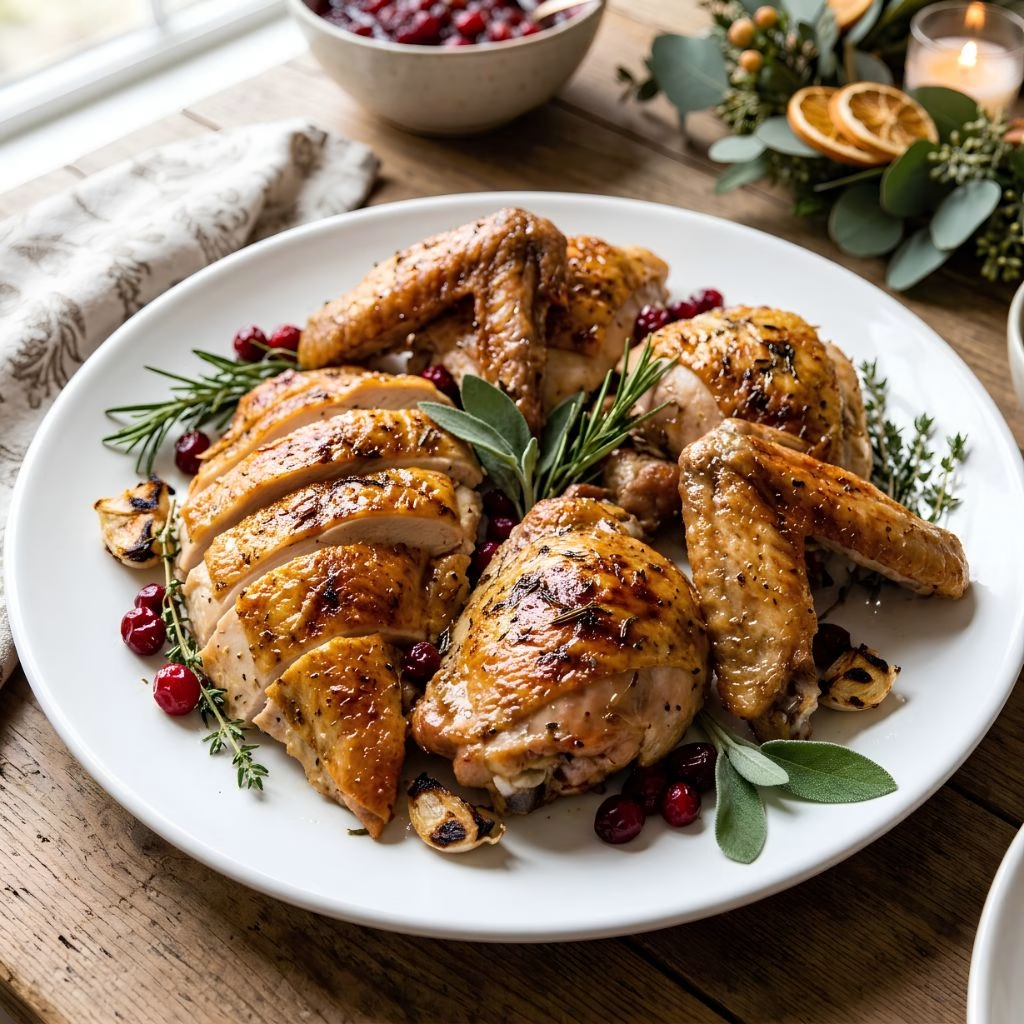
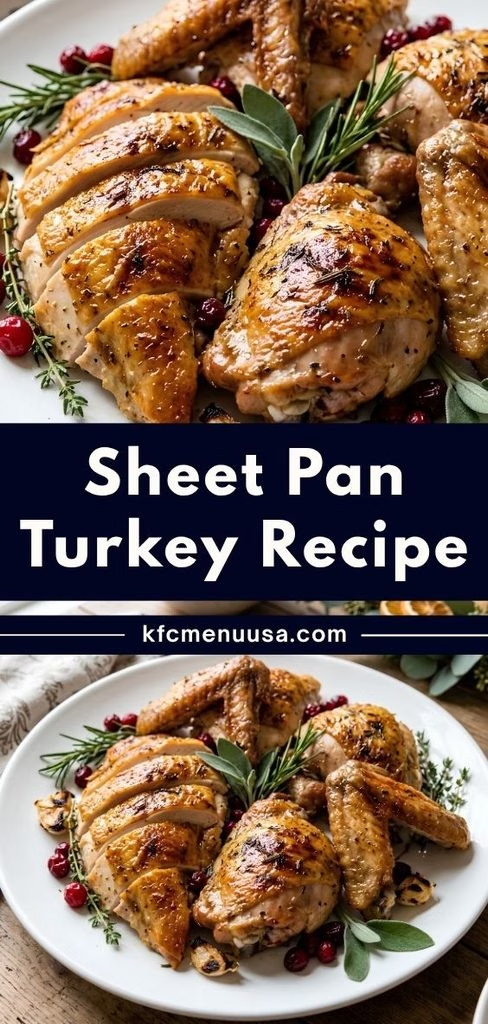
I made this Sheet Pan Turkey Recipe on a busy weeknight, and I honestly could not believe how fast it cooked. I cut the bird into pieces, spread them on one pan, and the oven did the rest.
The skin turned deep golden and crackly, and the meat stayed juicy all the way through. Carving was so easy that I felt like I had cheated the system. If you love simple turkey dinner recipes, this one belongs in your regular rotation.
Cooking Time
Here is how the time breaks down, so you can plan your meal with confidence.
- Prep Time: 15 minutes
- Cooking Time: 1 hour
- Total Time: 1 hour 15 minutes
Ingredients
Only a few ingredients are needed here, so quality and prep matter. Each item below comes with a quick tip.
- 10 lb whole turkey, fully defrosted: A frozen center cooks unevenly, so thaw it completely first.
- 3 tbsp olive oil: It helps the skin brown and turn crisp.
- 1/4 tsp salt (or seasoned salt): Salt pulls out the natural flavor of the meat.
- 1/4 tsp black pepper: Freshly ground pepper gives a bolder, warmer bite.
- 1/2 cup turkey dry rub (optional): Pick a rub you love, since it adds instant depth and color.
Note: serves several
Equipment You Need
You do not need a fancy roasting pan for this recipe. A few kitchen basics are plenty.
- Large rimmed baking sheet (about 12×18 inches): It holds all the turkey pieces and catches the juices.
- Cutting board: It gives you a stable surface for cutting up the bird.
- Kitchen scissors: They cut through joints and bones quickly and safely.
- Instant-read meat thermometer: It tells you exactly when the turkey is done.
- Spoon or baster: It helps you coat the pieces with pan juices.

How to Make Sheet Pan Turkey Recipe?
This method turns a big bird into a quick, no-fuss dinner. You cut the turkey into sections, roast them on one pan, and let them rest. Follow the steps below and you will get crisp skin and tender meat every time.
Prepare the Turkey
Unwrap the turkey and pull out the bag and neck from the cavity. Toss them, or save the neck if you want to make gravy later. Pat the bird dry so the skin can crisp up nicely in the oven.
Preheat the Oven
Set your oven to 400°F and place a rack in the middle position. A hot start is what gives the skin its golden, crackly finish. Let the oven fully heat while you cut up the turkey.
Remove the Wings
Place the turkey on your cutting board and grab your kitchen scissors. Cut each wing off at the joint so it comes off in one whole piece. Arrange both wings on the sheet pan with a little space between them.
Separate the Legs and Thighs
Cut each leg and thigh away from the body, keeping them as one piece. Lay them on the pan without overlapping, so hot air can circulate. Good spacing helps every piece brown evenly.
Cut Out the Breast Section
Use the scissors to trim away the bottom half of the chest cavity. Keep the top half with both breasts still attached. This piece is the star of your sheet pan turkey breast, so handle it gently.
Flatten the Breasts
Press down on the breast section with your palm until the bone between them cracks. This flattens the piece so it cooks evenly and quickly. Place it on the pan next to the other pieces.
Oil and Season
Rub the olive oil over all the skin, covering every piece well. Sprinkle on the salt, pepper, and your dry rub if you are using one. Make sure the seasoning reaches the sides and the crevices.
Roast at High Heat
Slide the pan onto the middle rack and roast at 400°F for 30 minutes. This first blast sets the skin and starts the browning. Do not open the oven door during this time.
Lower the Heat and Baste
Reduce the oven to 350°F, then spoon the pan juices over each piece. Basting adds moisture and boosts the golden color. Do it quickly so the oven does not lose too much heat.
Finish Roasting
Roast for another 25 to 30 minutes, until the skin is browned to your liking. Check that the thickest part of the thigh and breast reads at least 165°F. For a bigger bird, check the temperature every 15 minutes.
Rest and Carve
Let the pieces rest on the pan for at least 25 minutes before you carve. Resting lets the juices settle back into the meat. Slice the breast, pull apart the thighs, and serve warm.
Additional Tips for Making This Recipe Better
A few small habits made a big difference when I cooked this turkey. These are the tricks I now use every time.
- I always thaw the turkey in the fridge for at least three days, because a partly frozen bird cooks unevenly.
- I pat the skin completely dry before oiling it, and that is my secret to extra crispy skin.
- I use a thermometer in both the thigh and the breast, since they cook at different speeds.
- I add 15 to 20 minutes at a time for larger birds, then check again so nothing dries out.
- I use a pan with a deep lip if I add vegetables, which stops juices from spilling in my oven.
- I try a dry brine a day ahead sometimes, using the method in my dry brine turkey recipe for even deeper flavor.
- I save the pan drippings, because they make a lovely base for a quick gravy.
Common Mistakes to Avoid
Turkey is simple, but a few slip-ups can ruin it. I have made most of these myself, so learn from me.
- Cooking a partly frozen turkey: I once rushed this, and the middle stayed raw. Thaw it fully in the fridge first.
- Crowding the pan: When I packed the pieces together, the skin turned soft. Leave a little space around each piece.
- Skipping the thermometer: I used to guess, and I ended up with dry breast meat. Always check for 165°F.
- Carving too soon: I sliced right away once, and all the juices ran out. Rest the turkey for at least 25 minutes.
- Forgetting to baste: My first batch looked pale on top. A quick spoon of pan juices fixes that.
How to Serve Sheet Pan Turkey Recipe?
This turkey looks beautiful on a big platter, so show it off. Pair it with cozy sides for a full, satisfying meal.
- Arrange the carved pieces on a warm platter and tuck in fresh thyme or rosemary sprigs.
- Add orange slices or roasted cranberries around the edges for a pop of color.
- Serve it with cream corn casserole, twice-baked potatoes, or sweet potatoes.
- Add green beans, whether stovetop, canned, or air fryer, for a fresh, crisp side.
- Spoon warm pan juices over the sliced meat right before serving.
- Start the meal with a warm bowl of roasted pumpkin soup for a cozy fall table.
Variations
You can change this recipe in many ways without losing the easy method. Here are some ideas I like.
- Turkey with vegetables: Scatter sliced onions, baby carrots, or Brussels sprouts around the pieces for a complete turkey with vegetables recipe.
- Roast turkey with vegetables in pan: Use a large-lipped pan so the veggies soak up the juices while roasting.
- Sheet pan turkey breast and vegetables: Swap the whole bird for a bone-in breast and roast it with root vegetables.
- Turkey tenderloin sheet pan dinner: Use tenderloins instead, and shorten the cooking time since they are smaller.
- Sheet pan turkey cutlets: Pick thin cutlets for a faster weeknight dinner, and check them early.
- Smoky flavor: Rub the skin with a smoked turkey seasoning blend for a deeper taste.
- Dairy-free and sugar-free: This base recipe already is both, as long as your rub has no added sugar.
Nutritional Information
Here is a quick look at the nutrition for one 3 oz serving. These numbers are estimates and can change with your rub and turkey size.
- Calories: 614 kcal
- Protein: 87 g
- Carbohydrates: Very low (little to none from the turkey itself)
- Fat: 27 g
Make Ahead and Storage
Leftovers are a bonus with this recipe. Follow these simple guidelines to keep the turkey fresh and tasty.
Make Ahead
You can thaw, cut, and season the turkey the day before. Cover the pan and refrigerate it overnight. Bring it to room temperature for a short while before roasting.
Storage
Let the turkey cool, then place the meat in airtight containers. Store it in the fridge for up to 3 to 4 days. Keep it covered so it does not dry out.
Reheating
Warm slices in a 325°F oven, covered with foil. Add a splash of broth or pan juices to keep the meat moist. Heat until hot and steaming throughout.
Freezing
Freeze sliced or shredded turkey in freezer bags with the air pressed out. It keeps well for about 2 to 3 months. Thaw it overnight in the fridge before reheating.
Why You’ll Love This Recipe?
This recipe takes the stress out of cooking a big bird. Here are the reasons I keep coming back to it.
- It is fast: A 10 lb turkey is done in about an hour. That is much quicker than roasting a whole bird.
- It is easy to carve: Cutting the turkey into pieces before cooking makes serving simple. You skip the awkward wrestling with a big bird.
- It needs little equipment: You only need one sheet pan, scissors, and a thermometer. There is no special roasting pan to buy or clean.
- It frees up oven space: The flat pan leaves room for your side dishes. That makes a full turkey dinner easier to time.
- It is easy to customize: Change the rub, add vegetables, or use different cuts. The method works with many flavors and diets.
FAQs
What temperature should a cut-up turkey be cooked at?
Start at 400°F for 30 minutes, then lower the oven to 350°F to finish. This gives you crisp skin and juicy meat.
How long does sheet pan turkey take to cook?
A 10 lb turkey takes about 1 hour in total. Larger birds need more time, so check the temperature often.
How do I know when the turkey is done?
Use a thermometer and look for at least 165°F in the thickest part of the thigh and breast. Check both areas to be safe.
Can I add vegetables to the pan?
Yes, onions, baby carrots, and Brussels sprouts all work well. Use a pan with a large lip so the juices stay contained.
Do I need to thaw the turkey first?
Yes, always thaw it completely before cooking. Three days in the fridge is usually the minimum for a large bird.

Sheet Pan Turkey Recipe
Ingredients
Method
- Unwrap the turkey and pull out the bag and neck from the cavity. Toss them, or save the neck if you want to make gravy later. Pat the bird dry so the skin can crisp up nicely in the oven.
- Set your oven to 400°F and place a rack in the middle position. A hot start is what gives the skin its golden, crackly finish. Let the oven fully heat while you cut up the turkey.
- Place the turkey on your cutting board and grab your kitchen scissors. Cut each wing off at the joint so it comes off in one whole piece. Arrange both wings on the sheet pan with a little space between them.
- Cut each leg and thigh away from the body, keeping them as one piece. Lay them on the pan without overlapping, so hot air can circulate. Good spacing helps every piece brown evenly.
- Use the scissors to trim away the bottom half of the chest cavity. Keep the top half with both breasts still attached. This piece is the star of your sheet pan turkey breast, so handle it gently.
- Press down on the breast section with your palm until the bone between them cracks. This flattens the piece so it cooks evenly and quickly. Place it on the pan next to the other pieces.
- Rub the olive oil over all the skin, covering every piece well. Sprinkle on the salt, pepper, and your dry rub if you are using one. Make sure the seasoning reaches the sides and the crevices.
- Slide the pan onto the middle rack and roast at 400°F for 30 minutes. This first blast sets the skin and starts the browning. Do not open the oven door during this time.
- Reduce the oven to 350°F, then spoon the pan juices over each piece. Basting adds moisture and boosts the golden color. Do it quickly so the oven does not lose too much heat.
- Roast for another 25 to 30 minutes, until the skin is browned to your liking. Check that the thickest part of the thigh and breast reads at least 165°F. For a bigger bird, check the temperature every 15 minutes.
- Let the pieces rest on the pan for at least 25 minutes before you carve. Resting lets the juices settle back into the meat. Slice the breast, pull apart the thighs, and serve warm.
Notes
- I always thaw the turkey in the fridge for at least three days, because a partly frozen bird cooks unevenly.
- I pat the skin completely dry before oiling it, and that is my secret to extra crispy skin.
- I use a thermometer in both the thigh and the breast, since they cook at different speeds.
- I add 15 to 20 minutes at a time for larger birds, then check again so nothing dries out.
- I use a pan with a deep lip if I add vegetables, which stops juices from spilling in my oven.
- I save the pan drippings, because they make a lovely base for a quick gravy.