Creamy Jamaican Shrimp Rasta Pasta Recipe | Flavorful Island Pasta
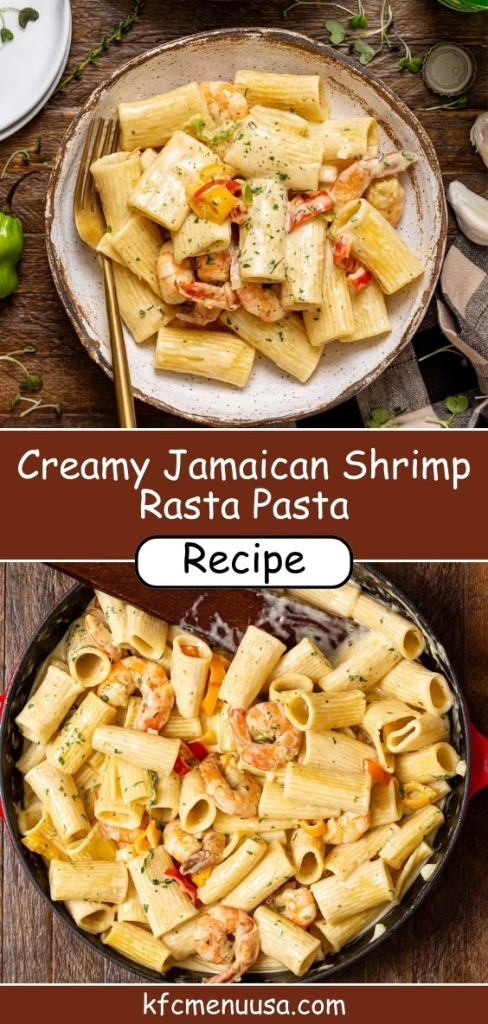
I just made this Creamy Jamaican Shrimp Rasta Pasta last night, and oh, what a journey of flavor it was. I could taste the warmth of jerk spices, the creaminess of cheese, and the sweetness of peppers all in one bite.
Every time I cook this, I feel like I’m transporting myself to a Caribbean beach, just chopping peppers and stirring sauce in my kitchen. I love how the shrimp stays tender, and how the pasta soaks up that rich, spicy, creamy sauce.
After making it, I’m convinced it’s become one of my go-to dinner recipes—comfort, color, and kick all in a skillet, much like the cozy richness of this savory short rib ragu recipe I enjoyed earlier this month.
Ingredients Section
Here are the ingredients I used, with measurements and my pro tips on why each item matters. These little details make a big difference.
For the Shrimp:
- 2 lbs wild-caught jumbo or colossal shrimp, deveined — big shrimp give you satisfying bites and hold up well without overcooking.
- 1 tablespoon extra virgin olive oil — gives a clean, fruity base for sautéing without overpowering.
- 1 tablespoon unsalted butter — helps round out flavor; unsalted lets you control salt better.
- 1 teaspoon sea salt
- 1 teaspoon black pepper
- 1 teaspoon smoked paprika — adds smokiness and depth; more interesting than plain paprika.
- 1 teaspoon garlic powder
- 1 teaspoon dried parsley
For the Rasta Pasta & Sauce:
- 1 (16 oz.) package organic rigatoni pasta — short shapes like rigatoni hold creamy sauce well; organic if you prefer fewer pesticides.
- 1 tablespoon extra virgin olive oil — for sautéing the veggies and garlic, gives better flavor than neutral oils.
- 4 garlic cloves, minced — fresh garlic unlocks much more aroma; skip the granulated if possible.
- 2 cups chopped bell peppers (mixed colors) — red, yellow, green give vibrant color, fresh crunch, and sweetness.
- 2 fresh thyme sprigs — fresh thyme has more flavor; dried works in a pinch but less punch.
- 2 tablespoons organic all-purpose flour — thickens the sauce so it clings to pasta.
- 1-2 tablespoons jerk seasoning (homemade or store-bought) — start with less; you can always add more heat.
- 2 cups organic heavy cream — makes the sauce rich & velvety; organic tends to taste cleaner.
- 1 cup chicken or seafood stock, low-sodium — adds depth; low-sodium avoids over-salting once cheese comes in.
- 2 tablespoons white cooking wine — gives a slight acidity and layers of flavor; optional.
- 1 cup freshly-grated Parmesan cheese — freshly grated melts better, tastes fresher.
- 1 cup shredded thick-cut mild cheddar (optional) — cheddar brings sharpness; thicken cuts (or milder kinds) if sharper is not your thing.
Garnish:
- Chopped scallions (green onions)
Note: serves 4 full servings
Variations
If you want to mix things up, adapt dietary needs, or bump up flavor, here are some options I’ve used or thought about. Fans of hearty Italian flavors might also like exploring other pasta recipes for more weeknight inspiration.
- Dairy-free / Vegan: Swap heavy cream with full-fat coconut cream or coconut milk; use vegan butter instead of regular butter; replace the cheeses with dairy-free shredded cheese or even nutritional yeast.
- Gluten-free: Use gluten-free pasta (rigatoni or other shapes) and ensure your stock is GF-friendly; check your jerk seasoning if store-bought.
- Lower heat / mild flavors: Use 1 tablespoon jerk seasoning instead of 2; omit red pepper flakes or smoky spices; choose mild cheddar instead of sharp.
- Extra spicy: Add more jerk seasoning, or include some scotch bonnet peppers or red pepper flakes; finish with a dash of hot sauce.
- Add-ins: I sometimes throw in chopped spinach or kale for green dimension (fresh, not frozen works better); or mushrooms for umami; roasted chickpeas for crunch; or swap shrimp for chicken or tofu if seafood isn’t your thing.
Cooking Time
Here’s how much time you’ll need to pull this together:
- Prep Time: 10 minutes
- Cooking Time: 20 minutes
- Total Time: 30 minutes
Equipment You Need
Here are the kitchen tools I used, what they do, and how they help:
- Medium 10-inch skillet — to sauté the shrimp nicely without crowding them.
- Large 12-inch skillet — big enough for making sauce and combining pasta + shrimp.
- Large pot — for boiling pasta.
- Wooden spoon or heat-proof spatula — to stir sauce and pasta without scratching pans.
- Grater — for paring down Parmesan fresh; freshly grated cheese melts better.
- Knife & cutting board — for chopping bell peppers, scallions, garlic.
How to Make Creamy Jamaican Shrimp Rasta Pasta Recipe Name?
Here I walk you through the full steps, from start to finish, in simple stages.
Boil the Pasta
I start by cooking the rigatoni in a large pot of salted boiling water. I aim for al dente, usually about 6-8 minutes instead of the full time so the pasta still holds texture when it’s tossed with sauce. Once done, I drain and set aside, reserving a little pasta water just in case the sauce needs loosening later.
Season & Sauté the Shrimp
While pasta is boiling, I pat the shrimp dry to help them sear well. I mix salt, pepper, smoked paprika, garlic powder, and parsley, then in a medium skillet heat olive oil + butter until butter melts and starts to foam.
I add minced garlic, then the shrimp, cooking about 3-4 minutes total until pink, turning once. Remove shrimp to a plate so they don’t overcook.
Make the Sauce & Combine Everything
In a larger skillet, I heat olive oil and garlic until fragrant, then add chopped bell peppers and thyme, cooking until peppers soften (~3-4 min). I sprinkle in flour and jerk seasoning, stir to coat veggies, then whisk in heavy cream, stock, and white wine.
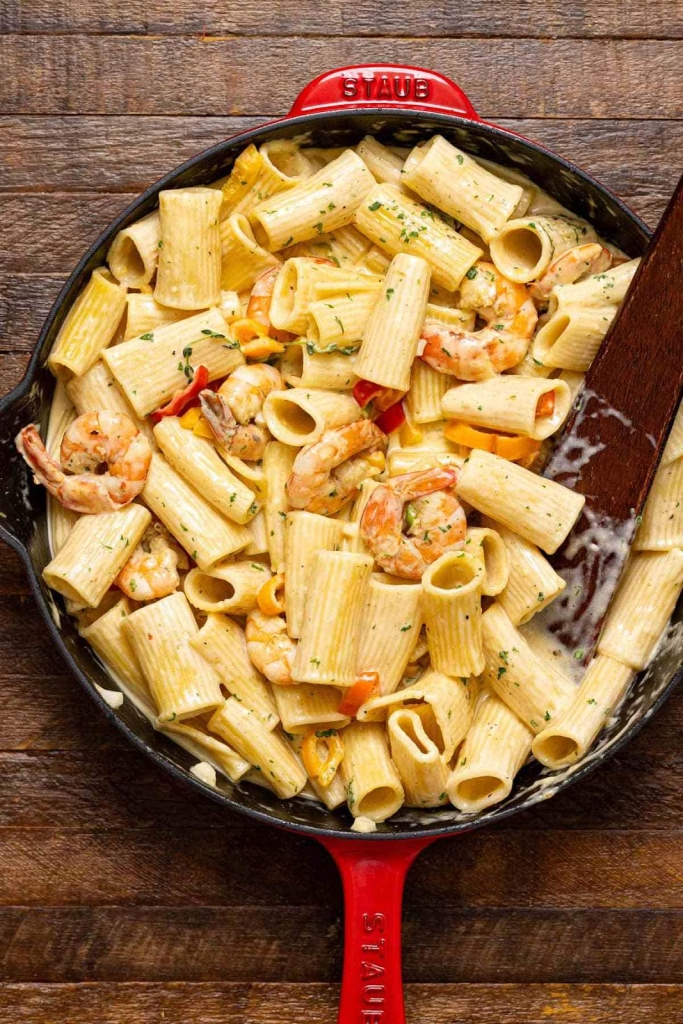
Once the sauce thickens and is smooth, I stir in Parmesan and cheddar (if using), then add cooked pasta + shrimp, tossing until everything is coated. Let it simmer for 1-2 more minutes. I finish by discarding thyme sprigs and garnishing with chopped scallions. Serve hot.
You can also enjoy similar one-pan meals such as this flavorful one-pot sausage linguine recipe when you’re craving a quick but impressive dinner.
Additional Tips for Making this Recipe Better
From my experience making this dish multiple times, these extra tips really improve the result:
- I always dry the shrimp well before seasoning; moisture prevents browning and causes steaming, which muddies the flavor.
- I use fresh garlic (not powder) whenever possible; garlic powder is okay, but fresh gives a brighter flavor in sauce.
- I taste the sauce after adding jerk seasoning but before the cheese; I adjust salt/heat early rather than try to fix later.
- I don’t overcrowd the skillet when cooking shrimp; if too many, they steam instead of sear.
- I let the sauce rest for a minute off heat before serving; flavors meld more, sauce thickens slightly, giving better texture.
How to Serve Creamy Jamaican Shrimp Rasta Pasta Recipe Name?
Presentation and pairing ideas to make your dish look as good as it tastes.
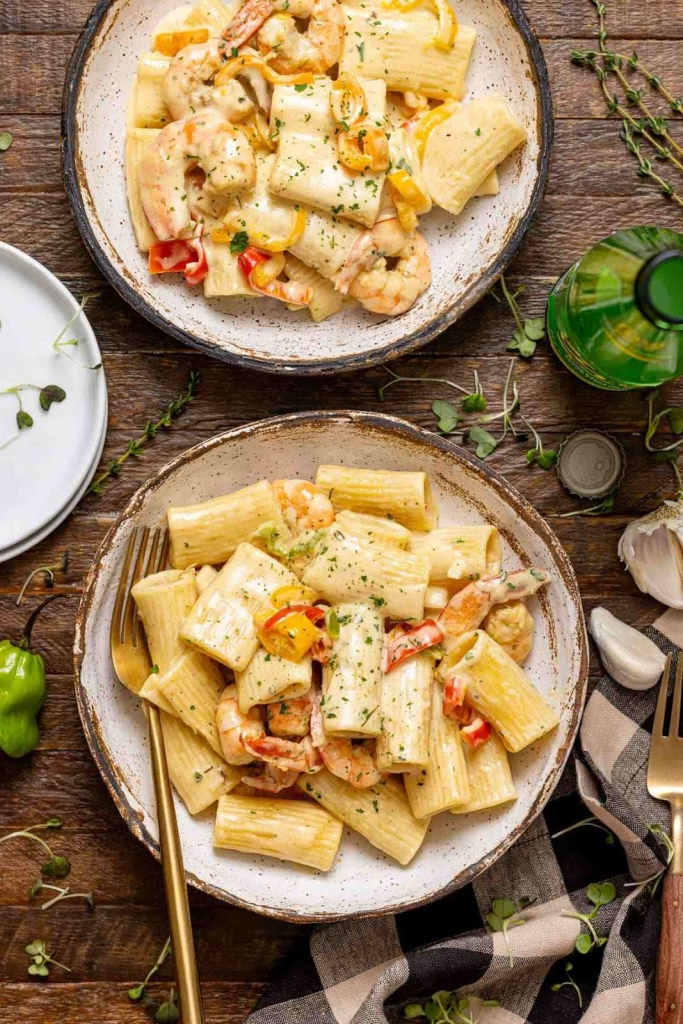
- Serve in a deep pasta bowl, letting sauce pool around the pasta; swirl the shrimp on top so they show.
- Garnish with chopped scallions (green onions) for a fresh pop of green, and perhaps a sprinkle more Parmesan at the table.
- Add extra color: a few thin slivers of red pepper or microgreens give visual interest.
- Pair with sides like garlic bread, fried sweet plantains, or roasted vegetables. Drizzle a little olive oil or melted butter over bread to soak up sauce.
Nutritional Information
Approximate nutrition facts per serving:
- Calories: ~ 749 kcal
- Protein: ~ 19 g
- Carbohydrates: ~ 14 g
- Fat: ~ 70 g
Make Ahead and Storage
Storage
Any leftovers go into a tightly sealed container and stay fresh in the refrigerator for about 3-4 days. I always cool completely before covering to avoid soggy pasta.
Freezing
I don’t usually freeze this one with cheese; the dairy can change texture. But if you want to freeze, freeze sauce and shrimp separately (without pasta) in freezer-safe containers for up to a month. Thaw overnight in the fridge.
Reheating
When warming up leftovers, I gently reheat over low heat on the stove, adding a splash of stock or cream to loosen the sauce if it’s thickened too much. Microwave works too, but use shorter bursts and stir often so the sauce doesn’t break.
Why You’ll Love This Recipe?
Here are some strong reasons I keep returning to this one—it isn’t just tasty, it has perks.
- Flavor packed & creamy comfort — The blend of jerk seasoning, creamy sauce, garlic, and cheese gives you richness plus heat in every bite.
- Quick & simple for weeknights — From prep to table in ~30 minutes, one-pot/skillet action, not a huge mess.
- Versatile for dietary needs — Easy to make dairy-free, gluten-free, or vegan with simple swaps. Works with other proteins too.
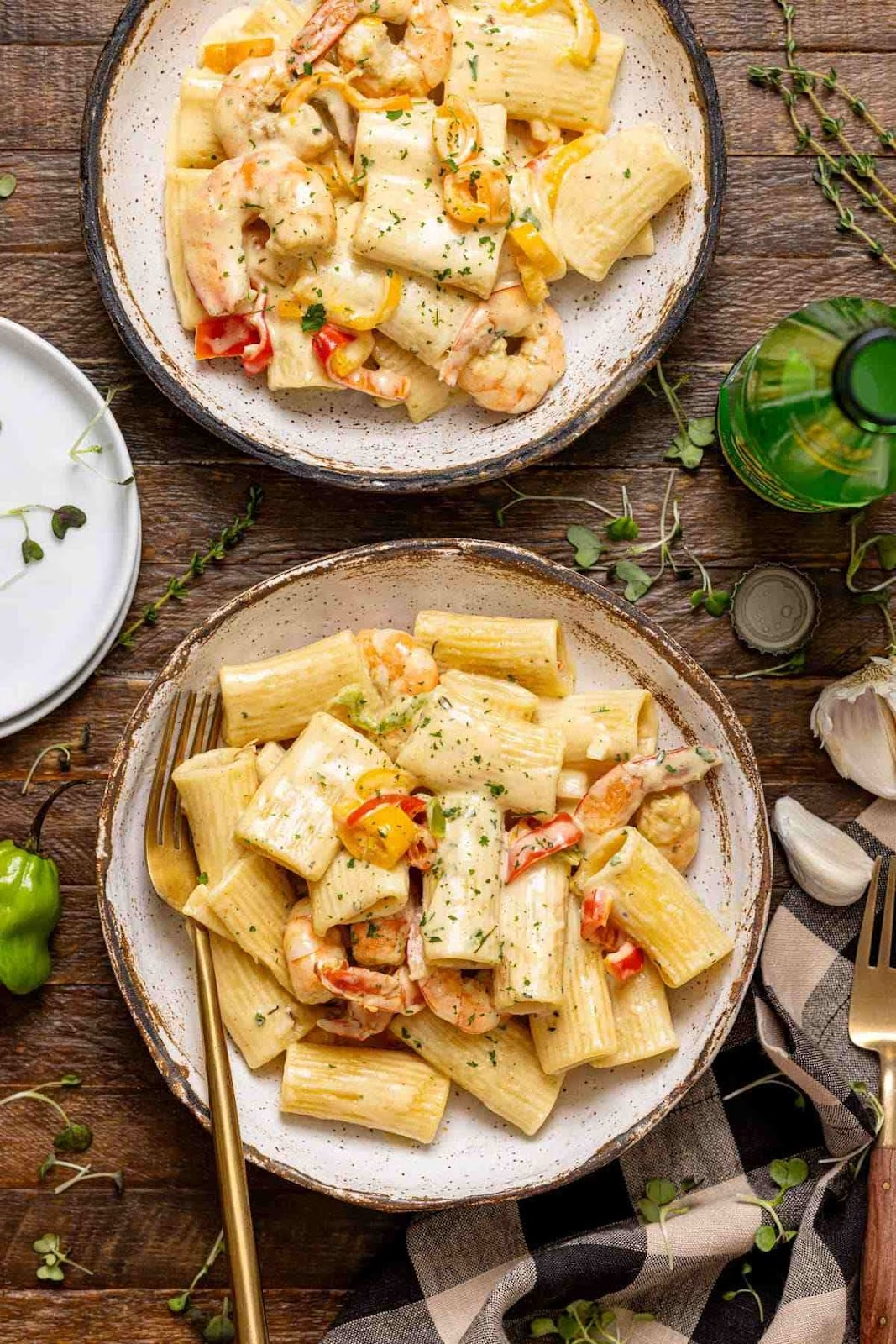
- Visually stunning on plate — Bright peppers, golden pasta, pink shrimp, green garnish: it looks like you made something special.
- Great leftovers — I love that next-day flavor intensifies; reheated well, still delicious, so good for meal prep.

Creamy Jamaican Shrimp Rasta Pasta Recipe
Ingredients
Method
- I start by cooking the rigatoni in a large pot of salted boiling water. I aim for al dente, usually about 6-8 minutes instead of the full time so the pasta still holds texture when it’s tossed with sauce. Once done, I drain and set aside, reserving a little pasta water just in case the sauce needs loosening later.
- While pasta is boiling, I pat the shrimp dry to help them sear well. I mix salt, pepper, smoked paprika, garlic powder, and parsley, then in a medium skillet heat olive oil + butter until butter melts and starts to foam. I add minced garlic, then the shrimp, cooking about 3-4 minutes total until pink, turning once. Remove shrimp to a plate so they don’t overcook.
- In a larger skillet, I heat olive oil and garlic until fragrant, then add chopped bell peppers and thyme, cooking until peppers soften (~3-4 min). I sprinkle in flour and jerk seasoning, stir to coat veggies, then whisk in heavy cream, stock, and white wine. Once the sauce thickens and is smooth, I stir in Parmesan and cheddar (if using), then add cooked pasta + shrimp, tossing until everything is coated. Let it simmer for 1-2 more minutes. I finish by discarding thyme sprigs and garnishing with chopped scallions. Serve hot.
Notes
- I always dry the shrimp well before seasoning; moisture prevents browning and causes steaming, which muddies the flavor.
- I use fresh garlic (not powder) whenever possible; garlic powder is okay, but fresh gives a brighter flavor in sauce.
- I taste the sauce after adding jerk seasoning but before the cheese; I adjust salt/heat early rather than try to fix later.
- I don’t overcrowd the skillet when cooking shrimp; if too many, they steam instead of sear.
- I let the sauce rest for a minute off heat before serving; flavors meld more, sauce thickens slightly, giving better texture.