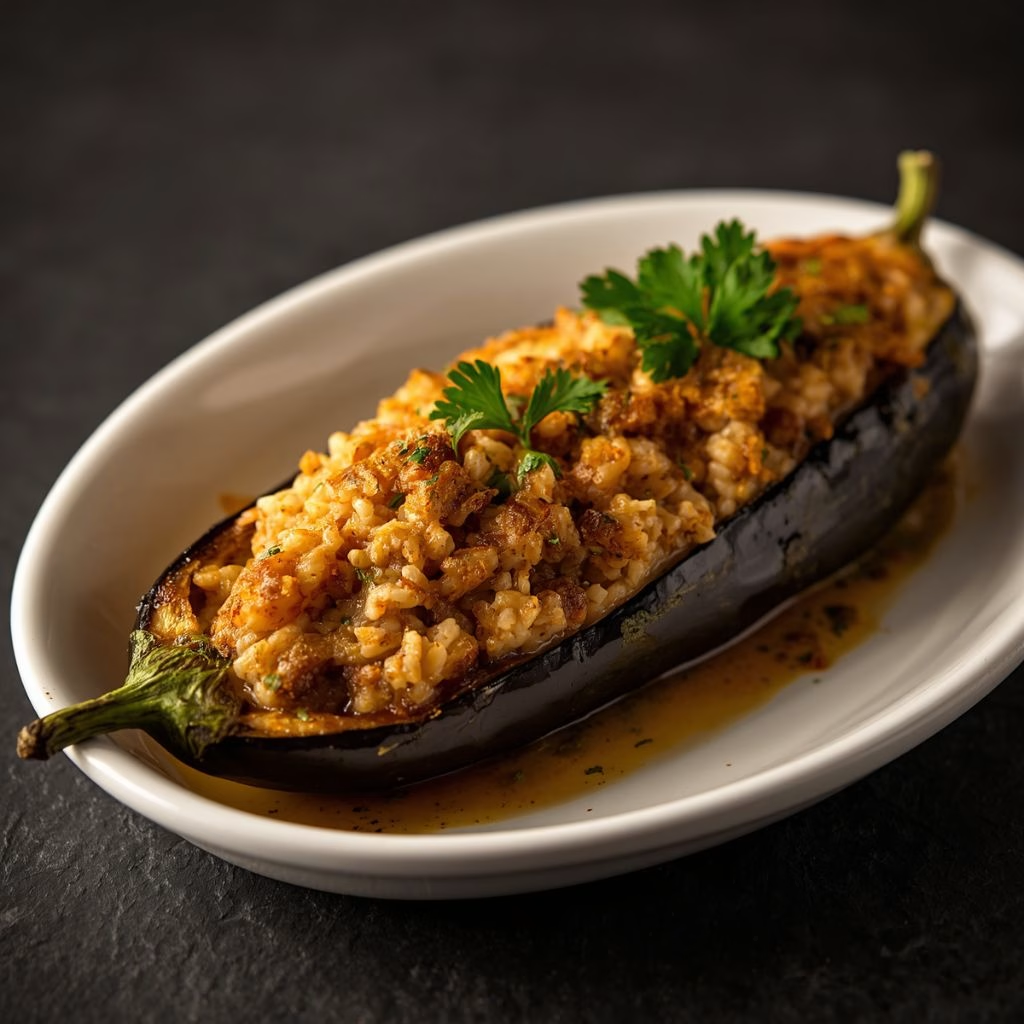
I still remember the first time I pulled a tray of these baked stuffed eggplants out of the oven. The whole kitchen smelled like tomatoes, garlic, and warm olive oil. I made this on a lazy Sunday when I wanted something hearty but completely meat-free, and it turned into one of my favorite dinners to repeat.
The rice filling gets soft and almost sticky, soaking up every bit of the herby tomato sauce. The potatoes around the eggplants turn golden and soak up all those pan juices too. If you love Mediterranean comfort food, I promise this one is worth the little bit of extra time it takes.
Cooking Time
- Prep Time: 30 minutes
- Cooking Time: 1 hour 30 minutes
- Total Time: 2 hours
Equipment You Need
- Large frying pan or skillet – for cooking the onion, garlic, eggplant flesh, and tomato base
- Sharp paring knife – for hollowing out the eggplants without tearing the skin
- Spoon – for scooping out the eggplant flesh cleanly
- Baking dish – large enough to hold all six stuffed eggplants and potato wedges
- Parchment paper – to cover the dish before sealing it, so foil doesn’t touch the food
- Aluminum foil – to seal in steam so the rice cooks evenly
- Cutting board – for chopping vegetables and herbs
Ingredients
- 6 large eggplants (about 1800 grams) – the star of the dish, and the “bowl” for the filling
- 550 grams potatoes, peeled and cut into wedges – they roast alongside and soak up the tomato-olive oil juices
- 1 medium onion, minced (about 150 grams) – builds the savory base of the filling
- 4 large garlic cloves, chopped – adds depth and aroma to the sauce
- 2 large tomatoes, chopped (about 400 grams) for the filling – gives the rice mixture its juicy, fresh tomato flavor
- 1 large tomato, chopped (about 200 grams) for the pan – layered over the potatoes for extra sweetness while roasting
- 1 small sweet red pepper, finely chopped (about 100 grams) – adds a mild sweetness and color to the filling
- 1½ tablespoons tomato paste – caramelize it briefly for a richer, deeper tomato flavor
- 170 grams round grain white rice, such as Karolina or Arborio – choose a round-grain rice, it turns creamy instead of dry
- 4 tablespoons parsley, finely chopped – use fresh, not dried, for a brighter herb flavor
- 2 tablespoons fresh basil, chopped – pairs beautifully with the sweet roasted eggplant
- 2 teaspoons dried oregano – classic Mediterranean flavor, split between the filling and the topping
- 3 tablespoons pine nuts – adds a subtle nuttiness and texture, walnuts work as a substitute
- 140 ml extra virgin olive oil, plus a splash for sautéing – don’t skimp here, it’s essential for flavor and texture
Note: This recipe serves 6.
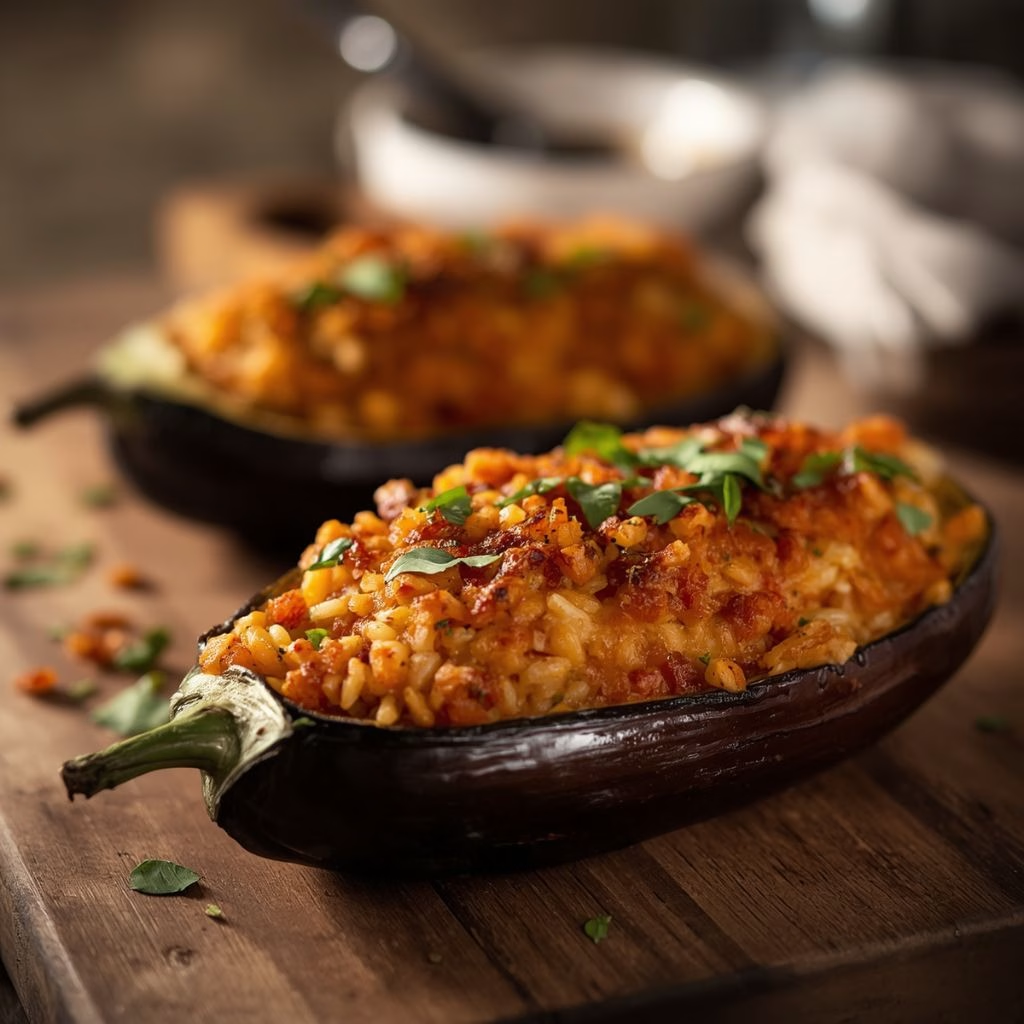
How to Make Baked Stuffed Eggplant with Rice Recipe?
Making this dish comes down to four simple stages: hollowing the eggplants, cooking a rich tomato-rice filling on the stovetop, stuffing everything together, and letting it bake low and slow. None of the steps are difficult, they just take a little patience. Here’s exactly how I do it every time.
Prepare the Eggplants
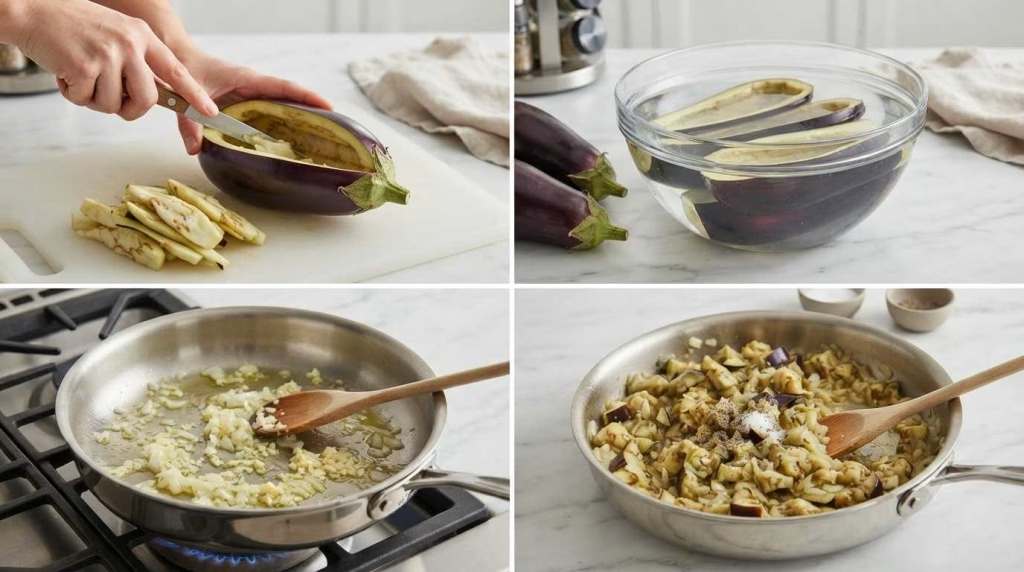
I start by washing each eggplant, then slicing off the top and bottom, and cutting a lid down one side lengthwise. Using a small knife, I trace around the inside and scoop out most of the flesh with a spoon, leaving about a centimeter of wall for support. I keep every bit of that scooped flesh since it goes right into the filling.
Prevent Browning
Once hollowed, I drop the eggplant shells into a bowl of water while I finish prepping the rest. This little trick keeps them from turning brown and looking dull before they even hit the oven. It only takes a few extra minutes but makes a real difference in presentation.
Cook the Onion and Garlic
In a large pan, I warm a splash of olive oil over medium heat and add the minced onion with chopped garlic. I let them cook gently until soft and translucent, stirring now and then so the garlic doesn’t catch and turn bitter.
Soften the Eggplant Flesh
Next, I stir in the chopped eggplant flesh with a pinch of salt and pepper, then raise the heat slightly so it cooks down and turns tender. This step matters a lot because it melts the eggplant into a silky texture that blends right into the rice filling later.
Build the Tomato Base
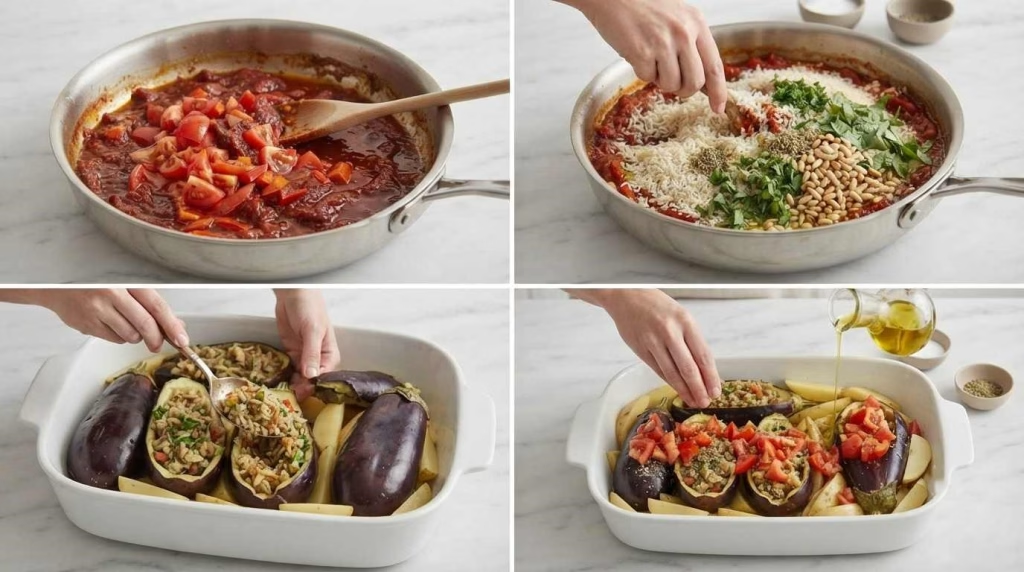
I stir in the tomato paste and let it cook for about a minute so it deepens in color and flavor. Then I add the chopped tomatoes and red pepper, cooking everything until it softens and releases its juices. I take the pan off the heat once it looks glossy and rich.
Mix in the Rice and Herbs
Off the heat, I stir the rice into the tomato mixture along with parsley, basil, a teaspoon of oregano, pine nuts, and a good pour of olive oil. Everything gets coated evenly so each grain of rice picks up flavor before it even hits the oven. If you enjoy flavorful rice-based meals, Slow Cooker Hoisin Chicken Recipe is another satisfying option with a rich, savory sauce.
Stuff and Arrange the Eggplants
I spoon the rice filling generously into each eggplant shell, without pressing it down too firmly since the rice will expand as it bakes. I place the lids back on top and arrange them snugly in a baking dish with the potato wedges tucked around them.
Top and Season
I scatter the remaining chopped tomato over the potatoes, drizzle everything with the rest of the olive oil, and sprinkle on the last teaspoon of oregano. A little salt and pepper over the whole pan rounds out the seasoning before baking.
Bake Covered
I pour water around the sides of the dish, then cover it tightly with parchment paper followed by aluminum foil to trap the steam. This goes into a 200°C (400°F) oven for about 1 hour and 20 minutes, giving the rice time to cook through gently.
Uncover and Roast
Once the rice is tender, I remove the cover and let everything roast uncovered for a few more minutes so the potatoes pick up some golden color. If the pan still looks watery, I bump the heat up slightly for this final stretch.
Rest Before Serving
I turn off the oven and let the dish sit inside with the door cracked open for about 30 minutes. This resting time lets the rice and potatoes soak up every last bit of the flavorful pan juices before I bring it to the table.
Additional Tips for Making This Recipe Better
I’ve made this dish enough times now to have a few tricks that really make a difference.
- I always pick eggplants that feel heavy and firm for their size, since lighter ones tend to have more seeds and a spongier texture.
- I never skip caramelizing the tomato paste for that extra minute, it genuinely deepens the whole dish’s flavor.
- I like using fresh basil and parsley instead of dried, the taste difference is noticeable in a dish this simple.
- When I want a smokier note, I swap the sweet red pepper for a fire-roasted one and add a pinch of smoked paprika.
- I let the dish rest in the warm oven before serving instead of rushing it, it makes the rice so much more flavorful.
Common Mistakes to Avoid
I’ve made a few of these mistakes myself over the years, so I like to flag them for anyone trying this recipe for the first time.
- I used to pack the rice filling in too tightly, which caused the eggplants to split open as the rice expanded during baking.
- I once skipped soaking the hollowed eggplants in water, and they turned brown and looked far less appetizing by the time I baked them.
- I rushed the tomato paste step early on, and the filling ended up tasting flat instead of rich and deep.
- I forgot to cover the dish tightly one time, and the rice came out undercooked because too much steam escaped.
- I’ve learned not to slice into the eggplants right out of the oven, since letting them rest helps the filling set and stay together.
How to Serve Baked Stuffed Eggplant with Rice?
I like serving these warm, or even at room temperature, since the flavors really open up once they’ve had a moment to settle. A piece of tangy feta cheese on the side is my go-to pairing, along with crusty bread for scooping up the tomato-olive oil sauce left in the pan.
For a fuller Mediterranean spread, I’ll sometimes add a small plate of baked feta dip or a warm slice of Fried Feta Saganaki. A light drizzle of extra olive oil and a few torn basil leaves on top just before serving makes the presentation feel a little more special.
If you’re planning a complete meal, Teriyaki Chicken Lettuce Wraps Recipe also makes a delicious addition for anyone who enjoys flavorful homemade dishes.
Variations
- Swap the pine nuts for chopped walnuts or almonds if that’s what I have on hand, the flavor holds up beautifully.
- For a gluten-free version, this recipe is naturally gluten-free as long as the rice used isn’t a blended product.
- I sometimes add crumbled feta into the filling itself for a creamier, tangier bite, though it’s no longer strictly vegan.
- For a spicier version, I stir a pinch of chili flakes or diced fresh chili into the tomato base.
- Ground meat can be added to the filling for a heartier, non-vegetarian take on this same base recipe.
Nutritional Information
Here’s a general idea of what’s in each serving of this dish, based on six servings total.
- Calories: 570 kcal
- Protein: 11g
- Carbohydrates: 76g
- Fat: 28g
Make Ahead and Storage
I store any leftovers in an airtight container in the fridge, where they stay fresh for up to 4 days. Honestly, I think this dish tastes even better the next day once the flavors have had more time to blend together.
To freeze, I let the eggplants cool completely first, then pack them into airtight containers for up to 2 months. When I’m ready to eat them, I thaw them in the fridge overnight, or leave them at room temperature for a couple of hours, then reheat gently in the oven or microwave, covered.
Why You’ll Love This Recipe?
This dish has earned a permanent spot in my regular dinner rotation, and here’s why I think it deserves one in yours too.
- It’s a filling, satisfying vegetarian main that doesn’t feel like it’s missing anything, even without meat.
- The texture is soft, mellow, and almost sticky in the best way, thanks to the round-grain rice soaking up all that tomato and olive oil.
- It’s made with simple, everyday pantry ingredients, nothing hard to find or expensive.
- It’s naturally dairy-free and vegan as written, so it works for a wide range of diets.
- The leftovers reheat wonderfully and taste even richer the next day, making it a great make-ahead dinner option.
FAQs
Can I make a vegetarian stuffed eggplant with rice without pine nuts?
Yes, you can leave them out completely or swap in chopped walnuts or almonds for a similar crunch and flavor.
How is this different from an Italian stuffed eggplant with rice?
Italian versions often use Parmesan and breadcrumbs, while this Greek style leans on olive oil, herbs, and tomato-rice filling instead.
Is there a Lebanese stuffed eggplant vegetarian version?
Yes, Lebanese versions often use spiced rice with tomatoes and sometimes chickpeas, similar in spirit but with different spices.
Can I make an easy stuffed eggplant with ground beef and rice from this recipe?
Yes, just brown some ground beef with the onion and garlic, then mix it into the rice filling before stuffing.
What is a Lebanese stuffed eggplant with walnuts?
It’s a version where walnuts replace pine nuts in the rice filling, giving a slightly earthier, richer flavor.
Do you have a simple Lebanese stuffed eggplant recipe tip?
Keep the spice blend warm and fragrant, think cinnamon or allspice mixed into the tomato-rice filling.
What makes a Mediterranean stuffed eggplant unique?
It’s the mix of olive oil, fresh herbs, and tomatoes that gives Mediterranean versions their light, herby character.
Can I make a Lebanese stuffed eggplant pickled version?
Yes, some cooks pickle small eggplants stuffed with rice and herbs in vinegar brine, but that’s a cold, tangy variation, not baked.

Baked Stuffed Eggplant with Rice Recipe
Ingredients
Method
- I start by washing each eggplant, then slicing off the top and bottom, and cutting a lid down one side lengthwise. Using a small knife, I trace around the inside and scoop out most of the flesh with a spoon, leaving about a centimeter of wall for support. I keep every bit of that scooped flesh since it goes right into the filling.
- Once hollowed, I drop the eggplant shells into a bowl of water while I finish prepping the rest. This little trick keeps them from turning brown and looking dull before they even hit the oven. It only takes a few extra minutes but makes a real difference in presentation.
- In a large pan, I warm a splash of olive oil over medium heat and add the minced onion with chopped garlic. I let them cook gently until soft and translucent, stirring now and then so the garlic doesn’t catch and turn bitter.
- Next, I stir in the chopped eggplant flesh with a pinch of salt and pepper, then raise the heat slightly so it cooks down and turns tender. This step matters a lot because it melts the eggplant into a silky texture that blends right into the rice filling later.
- I stir in the tomato paste and let it cook for about a minute so it deepens in color and flavor. Then I add the chopped tomatoes and red pepper, cooking everything until it softens and releases its juices. I take the pan off the heat once it looks glossy and rich.
- Off the heat, I stir the rice into the tomato mixture along with parsley, basil, a teaspoon of oregano, pine nuts, and a good pour of olive oil. Everything gets coated evenly so each grain of rice picks up flavor before it even hits the oven.
- I spoon the rice filling generously into each eggplant shell, without pressing it down too firmly since the rice will expand as it bakes. I place the lids back on top and arrange them snugly in a baking dish with the potato wedges tucked around them.
- I scatter the remaining chopped tomato over the potatoes, drizzle everything with the rest of the olive oil, and sprinkle on the last teaspoon of oregano. A little salt and pepper over the whole pan rounds out the seasoning before baking.
- I pour water around the sides of the dish, then cover it tightly with parchment paper followed by aluminum foil to trap the steam. This goes into a 200°C (400°F) oven for about 1 hour and 20 minutes, giving the rice time to cook through gently.
- Once the rice is tender, I remove the cover and let everything roast uncovered for a few more minutes so the potatoes pick up some golden color. If the pan still looks watery, I bump the heat up slightly for this final stretch.
- I turn off the oven and let the dish sit inside with the door cracked open for about 30 minutes. This resting time lets the rice and potatoes soak up every last bit of the flavorful pan juices before I bring it to the table.
Notes
- I always pick eggplants that feel heavy and firm for their size, since lighter ones tend to have more seeds and a spongier texture.
- I never skip caramelizing the tomato paste for that extra minute, it genuinely deepens the whole dish’s flavor.
- I like using fresh basil and parsley instead of dried, the taste difference is noticeable in a dish this simple.
- When I want a smokier note, I swap the sweet red pepper for a fire-roasted one and add a pinch of smoked paprika.
- I let the dish rest in the warm oven before serving instead of rushing it, it makes the rice so much more flavorful.