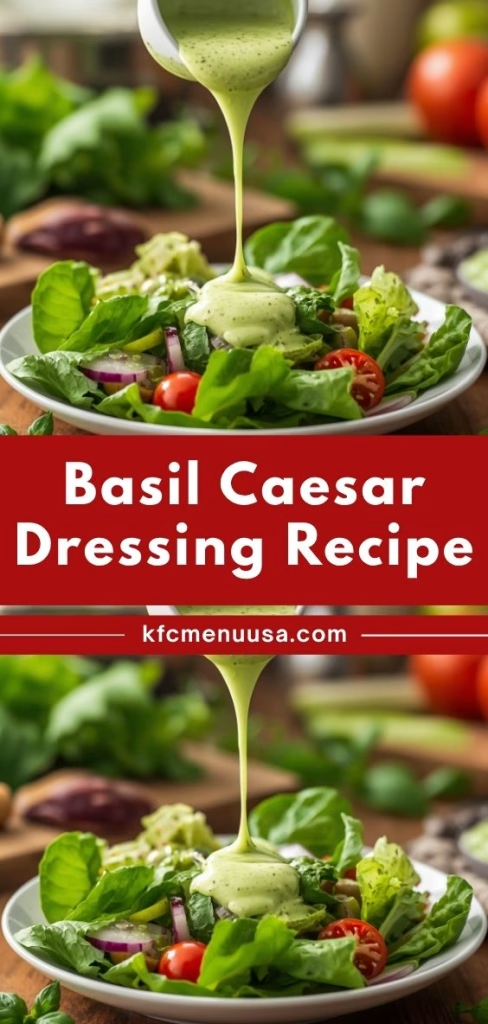
I stumbled onto this Basil Caesar Dressing Recipe after a salad I had on a trip that I couldn’t stop thinking about. I came home and tried to recreate it in my own kitchen, and after a couple of tweaks (turns out I went a little heavy on the garlic the first time), I finally nailed it.
It’s creamy, herby, and just bright enough from the lemon to keep every bite interesting. I make a batch of this almost every week now because it genuinely beats anything I’ve bought off a shelf.
Cooking Time
- Prep Time: 5 minutes
- Cooking Time: 0 minutes (no cooking required)
- Total Time: 5 minutes
Ingredients
- 1 garlic clove, peeled and chopped – fresh garlic gives a much cleaner bite than the jarred stuff
- A small handful of fresh basil leaves, roughly chopped (about ¼ to ⅓ cup) – always use fresh basil here, dried just won’t give you that bright flavor
- 1 teaspoon dijon mustard – helps the dressing emulsify and adds a gentle tang
- 1 teaspoon Worcestershire sauce – this is what gives it that classic caesar depth
- ¾ cup mayonnaise (homemade or good-quality store-bought) – the creamy base of the whole dressing
- Juice and zest of half a lemon – zest first, then juice, for the freshest citrus punch
- A pinch of kosher salt – season lightly since mayo and mustard already carry some salt
- Freshly ground black pepper, to taste – skip the pre-ground stuff if you can, it makes a difference
Note: This recipe makes about ¾ cup of dressing, enough to serve 6 people generously over salad.
Equipment You Need
- Small food processor or chopper – blends everything into a smooth, well-combined dressing
- Microplane or fine grater – for zesting the lemon without getting thick, bitter strips
- Measuring spoons and cups – to keep your ratios accurate
- Citrus juicer or reamer – makes getting the lemon juice out quick and mess-free
- Airtight jar or container – for storing any leftover dressing in the fridge

How to Make a Basil Caesar Dressing Recipe?
This dressing comes together in one step, which is honestly the best part of the whole recipe. There’s no cooking involved, just blending. I usually have it ready before my salad greens are even rinsed and dried.
Prep Your Ingredients
Start by peeling and roughly chopping your garlic clove, then rinse and roughly chop your basil leaves. Zest your lemon half using a microplane before you juice it, since it’s much easier to zest a whole lemon half than a squeezed one. Set everything near your food chopper so you’re not scrambling mid-process.

Combine Everything in the Chopper
Add the chopped garlic, basil, dijon mustard, Worcestershire sauce, mayonnaise, lemon juice, lemon zest, salt, and black pepper directly into your small food chopper or processor bowl. There’s no particular order that matters here, so just toss it all in together.

Blend Until Smooth
Pulse or blend the mixture until the garlic and basil are finely minced and everything looks fully combined and creamy. This usually only takes about 20 to 30 seconds. Scrape down the sides once if needed to make sure nothing’s stuck.
Taste and Adjust
Give the dressing a quick taste before serving. If it needs more brightness, add a touch more lemon juice; if it needs more punch, a small pinch of extra salt or pepper does the trick. Adjust in small increments since the flavors are already fairly concentrated.
Chill Before Serving
Transfer the dressing to a jar or airtight container and let it sit in the fridge for at least 15 to 20 minutes before serving. This short rest lets the garlic and basil flavors settle into the mayo base rather than tasting sharp and separate.
Additional Tips for Making This Recipe Better
I’ve made this dressing more times than I can count, and these are the things that consistently make it better.
- I always zest the lemon before juicing it, since it’s nearly impossible to zest after the lemon’s been squeezed dry.
- I go easy on the garlic the first time around, since it gets more pungent the longer the dressing sits in the fridge.
- I use homemade mayo when I have the time, because it makes the dressing noticeably richer and fresher tasting.
- I let the dressing rest in the fridge for a bit before serving, since the flavors blend together so much better after a short chill.
- I taste as I go instead of dumping everything in blindly, since lemons and mustard brands vary a lot in strength.
Common Mistakes to Avoid
Here are a few slip-ups I’ve made myself while perfecting this recipe.
- Using frozen or dried basil instead of fresh — I tried this once and the flavor was flat and honestly a little bitter.
- Adding too much garlic at once — I learned the hard way that it intensifies a lot after a few hours in the fridge.
- Skipping the zest and only using the juice — I lose a lot of the citrus aroma when I do this, so I never skip it now.
- Over-blending the mixture — I’ve ended up with a slightly runny texture when I blend too long, so short pulses work best for me.
- Not tasting before serving — I’ve served an underseasoned batch before simply because I skipped this quick step.
How to Serve Basil Caesar Dressing?
I love drizzling this dressing over crisp romaine lettuce, torn kale, or a simple mixed greens bowl. For a classic presentation, I toss the greens first, then plate them and add an extra drizzle on top right before serving so it looks glossy and fresh.
A few shavings of parmesan, some crunchy croutons, and a light crack of black pepper on top take the presentation up a notch. It also works beautifully as a dip for roasted vegetables or a spread for a chicken wrap if you want to use it beyond salad.
Variations
- Dairy-free option: swap the mayo for a vegan mayo alternative for a completely dairy-free dressing.
- Herb swap: try swapping half the basil for fresh parsley or a bit of tarragon for a different herbal note.
- Extra kick: add a small dash of hot sauce or a pinch of red pepper flakes for some heat.
- Cheesy twist: blend in a tablespoon of finely grated parmesan for a richer, more traditional caesar flavor.
- Lighter version: use a mix of half mayo and half plain Greek yogurt to cut down on richness while keeping it creamy.
- Extra zing: add an extra squeeze of lemon juice or a splash of white wine vinegar if you like your dressing tangier.
Nutritional Information
Here’s a general idea of what one serving (about 2 tablespoons) of this dressing looks like nutritionally.
- Calories: approximately 140 kcal
- Protein: approximately 0.5g
- Carbohydrates: approximately 1g
- Fat: approximately 15g
Make Ahead and Storage
You can absolutely make this dressing ahead of time, and honestly, it tastes even better after sitting for a few hours since the flavors have more time to meld together.
Store the dressing in an airtight jar or container in the refrigerator, where it will stay fresh for up to 5 to 7 days. Give it a quick stir or shake before each use since the ingredients can settle slightly.
I don’t recommend freezing this dressing, since mayo-based dressings tend to separate and turn grainy once thawed. It’s best enjoyed fresh from the fridge rather than frozen and reheated.
Why You’ll Love This Recipe?
There are a handful of reasons this dressing has become a regular in my kitchen rotation.
- It’s incredibly quick to make: from start to finish, this takes about 5 minutes with zero cooking involved.
- It’s endlessly versatile: I use it on salads, as a dip, and even as a sandwich spread depending on my mood.
- It’s easy to customize: whether I want it dairy-free, lighter, or spicier, this recipe adapts easily to what I’m craving.
- It tastes fresher than store-bought: since I control every ingredient, there’s no strange aftertaste like some bottled dressings have.
- It’s a crowd-pleaser: every time I bring this to a gathering, people ask for the recipe before the salad bowl is even empty.
FAQs
How is this different from Chopt’s basil caesar dressing?
Chopt’s version leans heavier on parmesan and anchovy for a saltier, more traditional caesar profile, while this homemade version keeps things lighter and brighter with fresh basil and lemon as the star flavors.
Can I turn this into a creamy pesto caesar dressing?
Yes, you can blend in a spoonful of basil pesto along with the existing ingredients for a deeper, more herby pesto caesar flavor while keeping the same creamy mayo base.
What are the basic ingredients in a chopt-style basil caesar dressing?
A chopt-style version typically includes mayo, parmesan, garlic, lemon, basil, and often anchovy paste for extra umami, which is close to this recipe minus the anchovy.
How does this compare to a classic caesar salad dressing?
A classic caesar dressing usually includes anchovies, egg yolk, and parmesan for a sharper, saltier flavor, while this basil version is milder, herbier, and easier to make at home.
Is this similar to a pizzeria limone-style caesar dressing?
It’s in the same family, since both rely on lemon and creamy bases, but pizzeria-style versions often add more parmesan and olive oil for a richer, restaurant-style finish.
How does this compare to Fresh Express pesto caesar dressing?
Fresh Express’s bottled version leans more toward a pesto-forward, oil-based dressing, while this homemade one keeps a lighter mayo base with fresh basil folded throughout.
What does “pesto caesar” usually mean on a menu?
It generally refers to a caesar dressing blended with basil pesto for extra herb flavor and richness, which is essentially the direction this basil caesar dressing already leans toward.

Basil Caesar Dressing Recipe
Ingredients
Method
- Start by peeling and roughly chopping your garlic clove, then rinse and roughly chop your basil leaves. Zest your lemon half using a microplane before you juice it, since it’s much easier to zest a whole lemon half than a squeezed one. Set everything near your food chopper so you’re not scrambling mid-process.
- Add the chopped garlic, basil, dijon mustard, Worcestershire sauce, mayonnaise, lemon juice, lemon zest, salt, and black pepper directly into your small food chopper or processor bowl. There’s no particular order that matters here, so just toss it all in together.
- Pulse or blend the mixture until the garlic and basil are finely minced and everything looks fully combined and creamy. This usually only takes about 20 to 30 seconds. Scrape down the sides once if needed to make sure nothing’s stuck.
- Give the dressing a quick taste before serving. If it needs more brightness, add a touch more lemon juice; if it needs more punch, a small pinch of extra salt or pepper does the trick. Adjust in small increments since the flavors are already fairly concentrated.
- Transfer the dressing to a jar or airtight container and let it sit in the fridge for at least 15 to 20 minutes before serving. This short rest lets the garlic and basil flavors settle into the mayo base rather than tasting sharp and separate.
Notes
- I always zest the lemon before juicing it, since it’s nearly impossible to zest after the lemon’s been squeezed dry.
- I go easy on the garlic the first time around, since it gets more pungent the longer the dressing sits in the fridge.
- I use homemade mayo when I have the time, because it makes the dressing noticeably richer and fresher tasting.
- I let the dressing rest in the fridge for a bit before serving, since the flavors blend together so much better after a short chill.
- I taste as I go instead of dumping everything in blindly, since lemons and mustard brands vary a lot in strength.