I never thought a dressing could take over my kitchen the way this one has. I started making this basil honey mustard dressing on a whim, just to use up some basil before it wilted, and now I can’t stop. It’s tangy, a little sweet, savory, and it turns even the most boring bowl of greens into something I actually look forward to eating.
I keep a jar of Basil Honey Mustard Dressing Recipe in my fridge at all times, and honestly, I drizzle it on almost everything now. If you love a dressing that pulls double duty as a dip, a sauce, and a marinade, you’re going to want to bookmark this one.
Cooking Time
- Prep Time: 5 minutes
- Cooking Time: 0 minutes (no cooking required)
- Total Time: 5 minutes
Ingredients
- 1/3 cup fresh basil leaves and tender tops — this is where all the bright, herby flavor comes from, so don’t skip it
- 1/2 cup olive oil — go with a good quality one since its flavor really comes through in the final dressing
- 3 tablespoons balsamic vinegar — brings the tangy backbone that balances the sweetness
- 1 1/2 tablespoons honey — softens the sharpness and rounds out the flavor
- 1 teaspoon Dijon mustard — helps everything emulsify into a creamy, cohesive dressing
- 1 teaspoon salt — wakes up every other flavor in the mix
- 1/2 teaspoon black pepper — adds a gentle kick without overpowering the basil
- 2-3 tablespoons water (optional) — use this if you want a thinner, pourable consistency
Note: This recipe makes about 200 grams of dressing, enough to serve 6-8 people over salads or as a dip.
Equipment You Need
- Immersion blender — quickly purees everything into a smooth, creamy dressing
- Deep bowl or container — gives the blender enough room to work without splattering
- Glass jar with a lid — perfect for storing the dressing in the fridge
- Measuring spoons and cups — for accurate, consistent results every time

How to Make Basil Honey Mustard Dressing Recipe?
I promise this is one of the easiest recipes you’ll ever make. There’s no cooking involved, no fancy technique, and no waiting around. You just toss everything into a container and let your blender do the work.
Gather and Measure Everything First
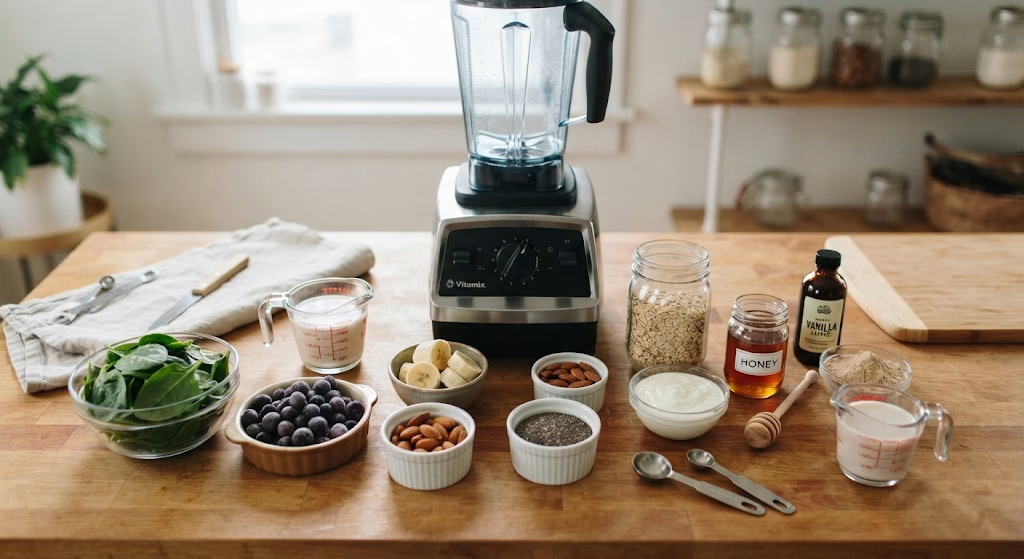
Before I touch the blender, I like to measure out every ingredient and have it sitting right in front of me. This makes the whole process faster and means I’m not scrambling to find the honey while everything else is already in the bowl. It also helps me avoid measuring mistakes.
Combine the Ingredients
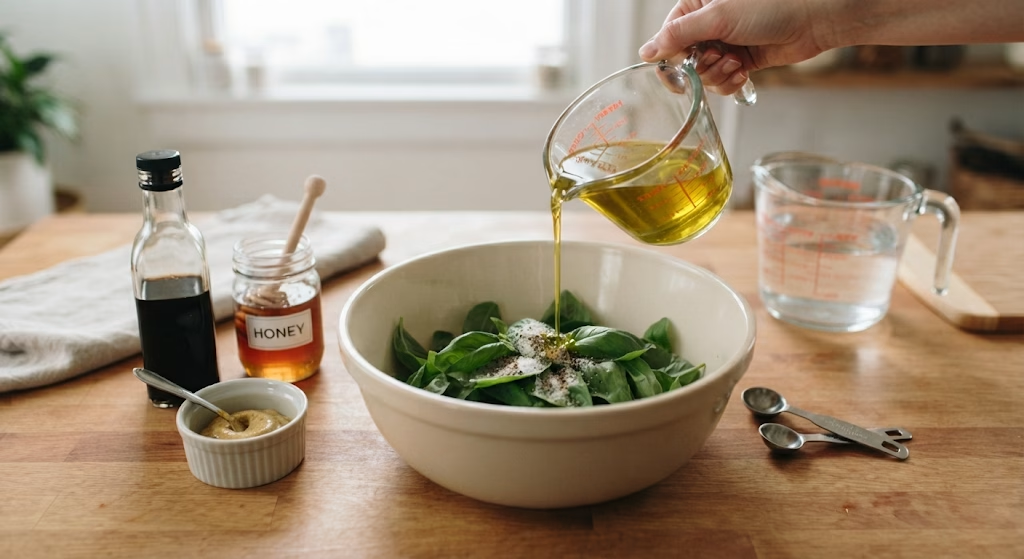
Add the basil, olive oil, balsamic, honey, Dijon mustard, salt, and pepper into a deep bowl or container. I leave out the water at this stage since I only add it if I want a thinner consistency later. Keeping the water separate gives me more control over the final texture.
Blend Until Creamy
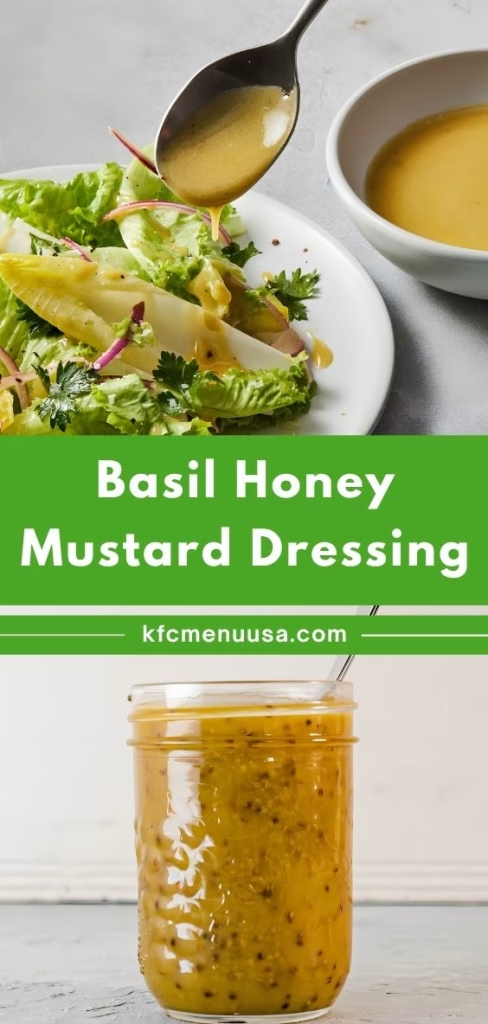
Using an immersion blender, I blend everything for just a few seconds until the mixture turns creamy and pale green, with small flecks of basil still visible throughout. If you don’t have an immersion blender, a regular blender or food processor works just as well here.
Adjust the Consistency
If the dressing feels too thick for what I’m using it for, I add water one tablespoon at a time, blending briefly after each addition, until it reaches the pourable consistency I want. This step is completely optional and depends on how you plan to use it.
Transfer and Chill
Once I’m happy with the texture, I pour the dressing into a clean glass jar and pop it in the fridge. It’s ready to use immediately, but I think it tastes even better after sitting for about 20 minutes so the flavors can meld together.
Additional Tips for Making This Recipe Better
I’ve made this dressing more times than I can count, so here are a few things I’ve learned along the way.
- I always taste and adjust the salt at the end since basil bunches can vary quite a bit in flavor intensity.
- I never use basil that’s starting to wilt or brown because it makes the dressing taste dull instead of fresh.
- When I want a bolder mustard flavor, I add an extra half teaspoon of Dijon without changing anything else.
- I blend in short bursts instead of one long blend so I don’t accidentally turn the basil into a completely smooth puree those little flecks add texture I love.
- If I’m short on fresh basil, I’ve swapped in fresh parsley, and it still turns out delicious, just with a slightly different flavor profile.
Common Mistakes to Avoid
- I made the mistake of using dried basil once, and it just doesn’t work here — fresh basil is what gives this dressing its bright flavor and color.
- I’ve over-blended it before and ended up with a dressing that lost its herby texture, so now I stick to short pulses.
- I forgot to shake the jar before using it once and got a spoonful of pure oil this dressing separates when it sits, so always give it a good shake first.
- I used a low-quality balsamic once and could really taste the difference, so I try to use one I’d actually enjoy sipping-worthy quality.
- I skipped tasting before serving and it turned out too tangy for my crowd, so now I always taste and adjust honey or salt right before serving.
How to Serve Basil Honey Mustard Dressing
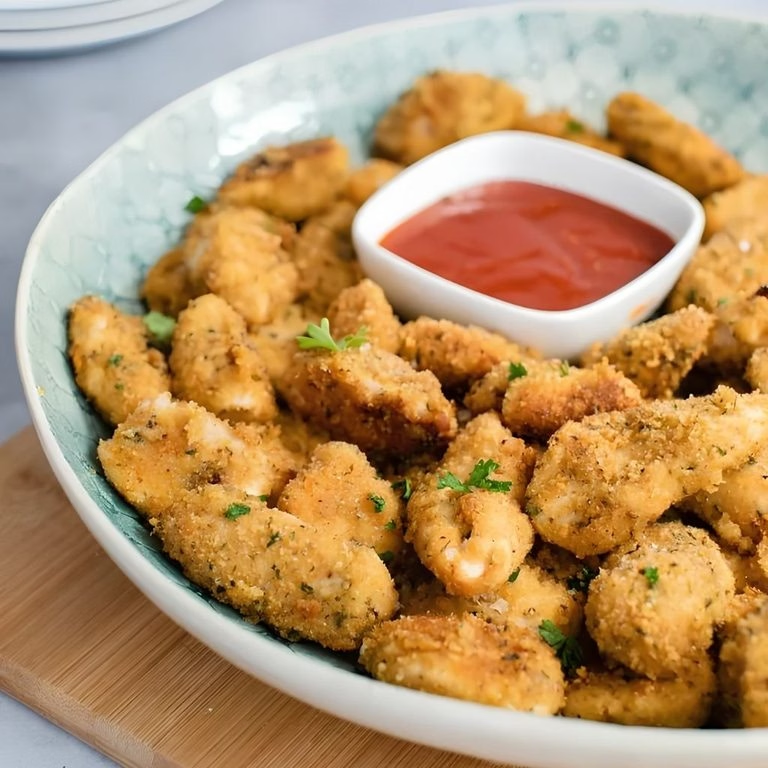
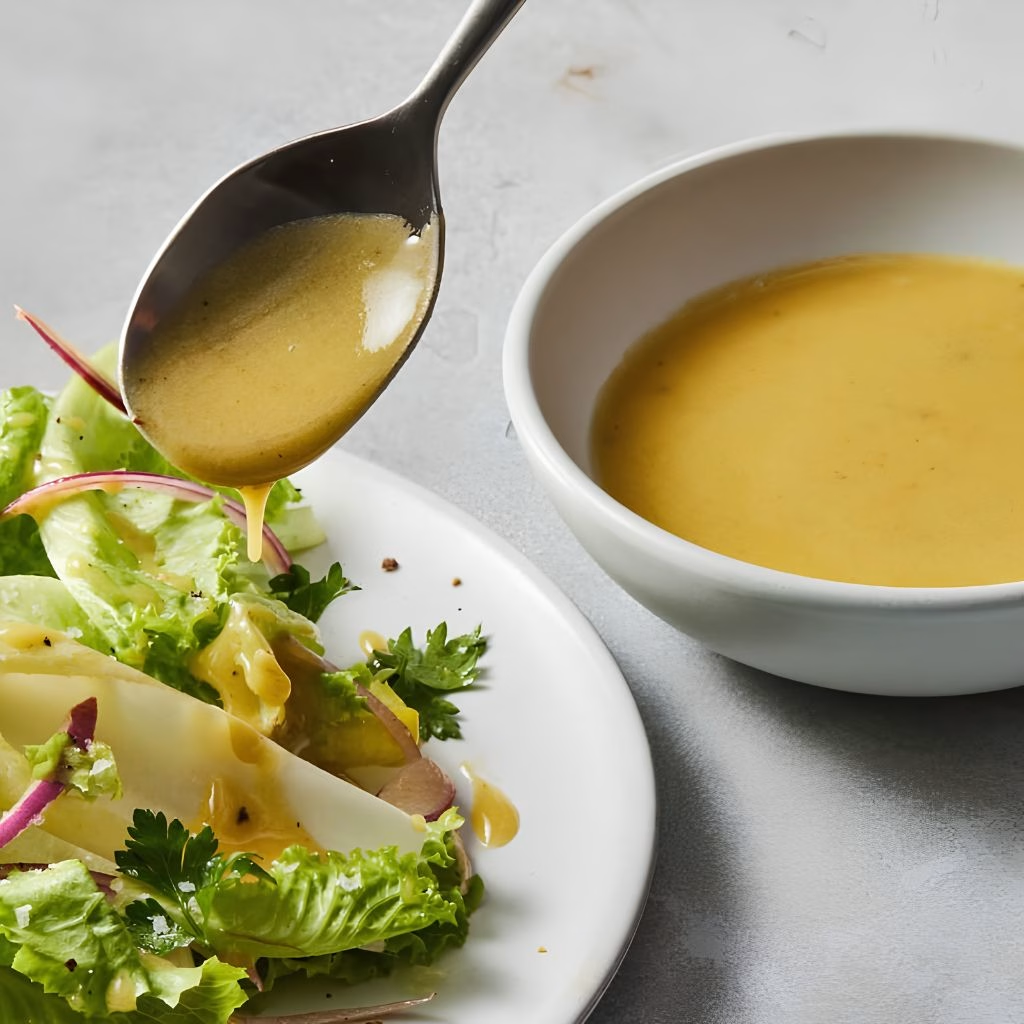
This dressing is incredibly versatile, and I’ve served it a dozen different ways. My favorite is drizzling it generously over a bowl of mixed greens, cherry tomatoes, and shaved parmesan. It also works beautifully as a dip alongside crispy chicken meatballs or a veggie platter.
For something a little different, I like brushing it over grilled zucchini or roasted vegetables right before serving, since the warmth brings out even more of the basil aroma.
A small drizzle over a charcuterie board also adds a lovely pop of color and flavor. For presentation, I love pouring it into a small glass pitcher or jar with a spoon resting inside, so people can help themselves and control how much they want.
Variations
- Swap the honey for maple syrup if you want a fully vegan version.
- Use apple cider vinegar instead of balsamic for a lighter, brighter tang.
- Try fresh parsley or a mix of basil and spinach if you’re low on basil.
- Add a small clove of garlic for a sharper, more savory flavor.
- Squeeze in a little fresh lime juice for a citrusy twist that pairs beautifully with grilled dishes.
- Stir in a spoonful of Greek yogurt if you want a creamier, richer texture.
Nutritional Information
Here’s a general idea of what you can expect per serving of this dressing, though exact values will vary based on your specific ingredients.
- Calories: Approximately 90-100 kcal per 2-tablespoon serving
- Protein: Less than 1 gram per serving
- Carbohydrates: Around 4-5 grams per serving, mostly from the honey
- Fat: Roughly 9 grams per serving, largely from the olive oil
Make Ahead and Storage
You can absolutely make this dressing ahead of time, which is honestly one of my favorite things about it. Store it in an airtight jar or container in the fridge for up to a week.
If you want it to last even longer, make the dressing without the basil and stir in fresh basil right before you plan to use it, since the basil is what shortens its shelf life the most.
This dressing doesn’t need reheating since it’s meant to be served cold or at room temperature. If it separates in the fridge, which is completely normal, just give it a good shake or whisk before serving.
Why You’ll Love This Recipe
This basil honey mustard dressing has genuinely become a staple in my kitchen, and here’s why I think you’ll feel the same way.
- It comes together in just 5 minutes with zero cooking involved, which makes it perfect for busy weeknights when I don’t want to fuss over anything.
- It’s incredibly versatile, since I use it as a salad dressing, a dip, a marinade, and even a sauce for roasted vegetables.
- It’s easy to customize based on what I have on hand, whether that’s swapping the honey, the vinegar, or the herb.
- The flavor is genuinely balanced, hitting sweet, tangy, and savory notes all at once, so it never feels one-dimensional.
- It stores well, meaning I can make a batch on Sunday and have a flavorful dressing ready to go all week long.
FAQs
Can I use this as a creamy basil dressing?
Yes, if you want a creamier texture, blend it a bit longer or stir in a spoonful of Greek yogurt or mayonnaise for extra richness.
How is this different from a balsamic basil vinaigrette recipe?
This dressing includes honey and Dijon mustard, which makes it sweeter and creamier than a traditional balsamic basil vinaigrette, which usually relies only on oil and vinegar.
What makes this a good basil salad dressing recipe?
The fresh basil, balanced sweetness from honey, and tang from balsamic make it flavorful enough to elevate even the simplest salad.
Is this considered a simple basil dressing recipe?
Definitely. It only takes 5 minutes, uses one bowl, and requires no cooking, making it one of the easiest dressings you can whip up.
Can I turn this into a lime basil vinaigrette recipe?
Yes, just swap the balsamic for fresh lime juice for a brighter, citrusy variation that works great with grilled dishes.
How do I make a garlic basil vinaigrette version?
Simply blend in one small garlic clove along with the other ingredients for a sharper, more savory flavor.
Is this the same as a basil Dijon vinaigrette?
It’s closely related, since Dijon mustard is a key ingredient here too, but this version leans sweeter thanks to the added honey.
Can I use this as a basil dressing for tomato salad?
Absolutely, it pairs wonderfully with fresh tomatoes, especially when drizzled over a simple tomato and mozzarella salad.

Basil Honey Mustard Dressing Recipe
Ingredients
Method
- Before I touch the blender, I like to measure out every ingredient and have it sitting right in front of me. This makes the whole process faster and means I’m not scrambling to find the honey while everything else is already in the bowl. It also helps me avoid measuring mistakes.
- Add the basil, olive oil, balsamic, honey, Dijon mustard, salt, and pepper into a deep bowl or container. I leave out the water at this stage since I only add it if I want a thinner consistency later. Keeping the water separate gives me more control over the final texture.
- Using an immersion blender, I blend everything for just a few seconds until the mixture turns creamy and pale green, with small flecks of basil still visible throughout. If you don’t have an immersion blender, a regular blender or food processor works just as well here.
- If the dressing feels too thick for what I’m using it for, I add water one tablespoon at a time, blending briefly after each addition, until it reaches the pourable consistency I want. This step is completely optional and depends on how you plan to use it.
- Once I’m happy with the texture, I pour the dressing into a clean glass jar and pop it in the fridge. It’s ready to use immediately, but I think it tastes even better after sitting for about 20 minutes so the flavors can meld together.
Notes
- I always taste and adjust the salt at the end since basil bunches can vary quite a bit in flavor intensity.
- I never use basil that’s starting to wilt or brown because it makes the dressing taste dull instead of fresh.
- When I want a bolder mustard flavor, I add an extra half teaspoon of Dijon without changing anything else.
- I blend in short bursts instead of one long blend so I don’t accidentally turn the basil into a completely smooth puree those little flecks add texture I love.
- If I’m short on fresh basil, I’ve swapped in fresh parsley, and it still turns out delicious, just with a slightly different flavor profile.