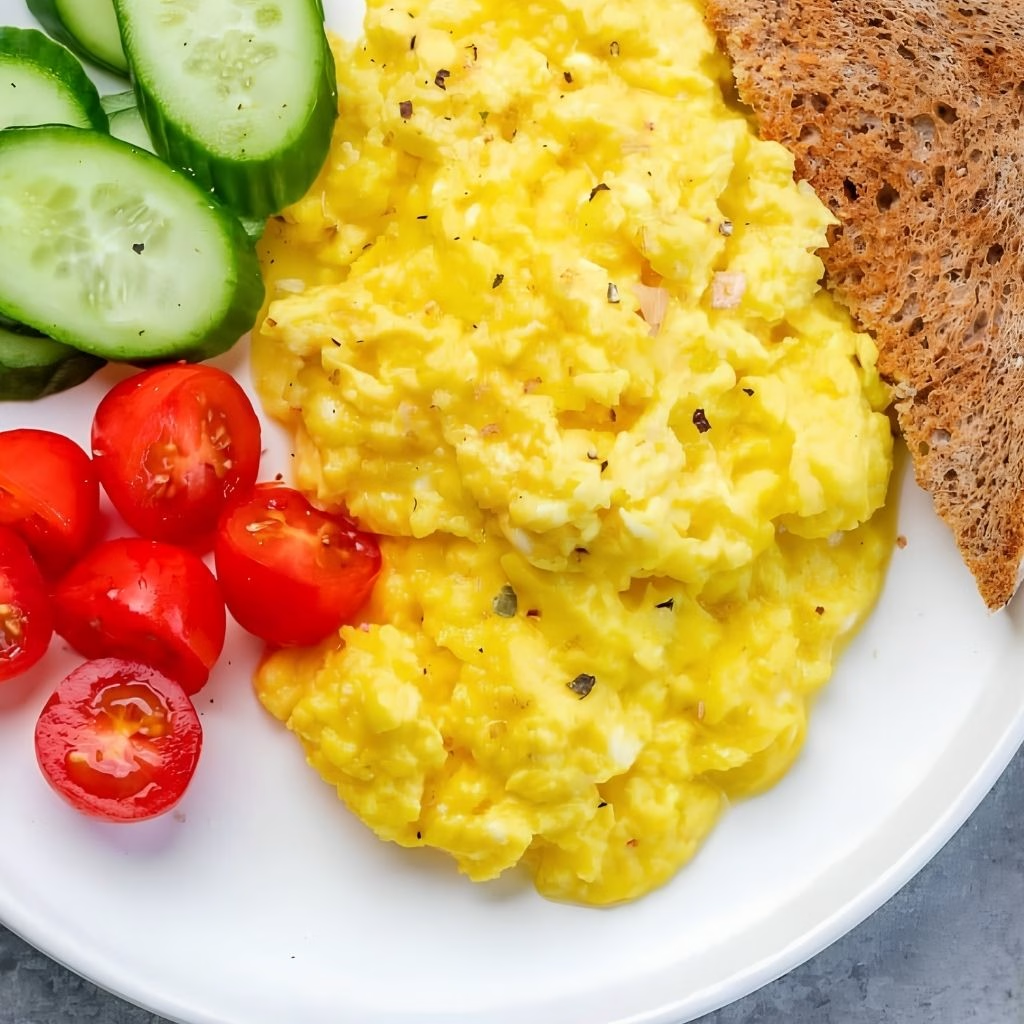
I started making Cottage Cheese Scrambled Eggs Recipe on a random Tuesday when I was too lazy to make a protein shake, and honestly, it changed my whole breakfast game. I whisked a scoop of cottage cheese into my eggs almost as an experiment, and the eggs came out softer, creamier, and way more filling than my usual scramble.
Now I make this at least three mornings a week because it keeps me full until lunch without any weird aftertaste. If you’ve been eyeing cottage cheese in your fridge wondering what to do with it, this is the easiest way to use it up. Let me walk you through exactly how I make it, plus a few things I learned the hard way.
Cooking Time
- Prep Time: 5 minutes
- Cooking Time: 5 minutes
- Total Time: 10 minutes
Ingredients
- 4 large eggs – the base of the dish, choose fresh eggs for the fluffiest texture
- 1/2 cup cottage cheese – adds creaminess and a big protein boost, small curd blends in best
- 1 tablespoon milk (optional) – makes the eggs a touch softer, skip it if you want them richer
- 1/4 teaspoon salt – balances the mild flavor of the cottage cheese
- 1/8 teaspoon black pepper – adds a little warmth without overpowering the eggs
- 1 teaspoon butter or oil spray – keeps the eggs from sticking and adds a light richness
- Fresh herbs or chives (optional) – brightens the dish and adds a pop of color
Note: This recipe serves 2 people generously, or 1 person with leftovers.
Equipment You Need
- Nonstick skillet – helps the eggs slide out easily without sticking or tearing
- Mixing bowl – for whisking the eggs and cottage cheese together before cooking
- Whisk or fork – breaks down the eggs and blends the cottage cheese smoothly
- Rubber spatula – lets you gently fold the curds without scrambling them too hard
- Measuring cups – keeps your egg-to-cottage cheese ratio consistent every time
How to Make Cottage Cheese Scrambled Eggs Recipe?
This recipe comes together in one bowl and one pan, so there’s barely any cleanup involved. I usually start by getting all my ingredients measured out first so the actual cooking goes fast. Here’s exactly how I break it down step by step.
Whisk the Eggs and Cottage Cheese
Crack the eggs into your mixing bowl and add the cottage cheese right on top. Whisk everything together until you don’t see big curds of cheese floating around anymore. I like to whisk for a good 30 seconds so the mixture turns pale and slightly frothy, which is what gives the eggs their fluffiness later.
Season the Mixture
Sprinkle in the salt and pepper, then give it one more quick whisk. I’ve found that seasoning at this stage, rather than after cooking, spreads the flavor much more evenly through every bite. If I’m adding herbs, I stir those in now too.
Heat the Pan
Warm your nonstick skillet over medium-low heat and add the butter or oil spray. I always wait until the butter is just melted and slightly foamy before pouring in the eggs, because a pan that’s too hot will make the eggs rubbery instead of soft.
Pour and Let It Sit
Pour the egg mixture into the skillet and let it sit undisturbed for about 15 seconds. This lets the bottom start to set before you touch it, which actually helps build those soft, pillowy curds instead of a scrambled mess.
Fold Gently With a Spatula
Using your rubber spatula, gently push the eggs from the edges of the pan toward the center. Keep doing this in slow motions rather than stirring quickly. This step usually takes me about a minute and a half, and it’s the key to getting that creamy, restaurant-style texture.
Remove From Heat Early
Take the pan off the heat when the eggs still look slightly glossy and a little underdone. They’ll keep cooking from the residual heat, so pulling them off a touch early prevents dry, overcooked eggs. Let them sit for 30 seconds before plating.
Additional Tips for Making This Recipe Better
I’ve made this recipe more times than I can count, and these small tweaks made the biggest difference for me.
- I always use small curd cottage cheese because it blends into the eggs much more smoothly than large curd.
- I let my eggs sit at room temperature for a few minutes before whisking, since cold eggs straight from the fridge cook less evenly.
- I keep my heat on medium-low the entire time, because I learned that high heat is what turns creamy eggs into dry, rubbery ones.
- I whisk the cottage cheese in really well so I don’t end up with random cheesy pockets throughout the eggs.
- I always season before cooking instead of after, since it distributes the flavor so much better.
Common Mistakes to Avoid
I’ve made pretty much every mistake possible with this recipe, so let me save you the trouble.
- I once cranked the heat too high to save time, and the eggs turned rubbery and dry within a minute. Medium-low really is the way to go.
- I used to stir constantly like normal scrambled eggs, which broke down the curds too much. Gentle folding works so much better.
- I forgot to whisk the cottage cheese thoroughly once, and I ended up with cold cheese clumps in hot eggs, which was not pleasant.
- I left the eggs on the heat a little too long thinking they weren’t done, and they turned out overcooked and stiff instead of creamy.
- I skipped seasoning entirely one time, assuming the cottage cheese would add enough flavor on its own, and the eggs tasted pretty flat.
How to Serve Cottage Cheese Scrambled Eggs?
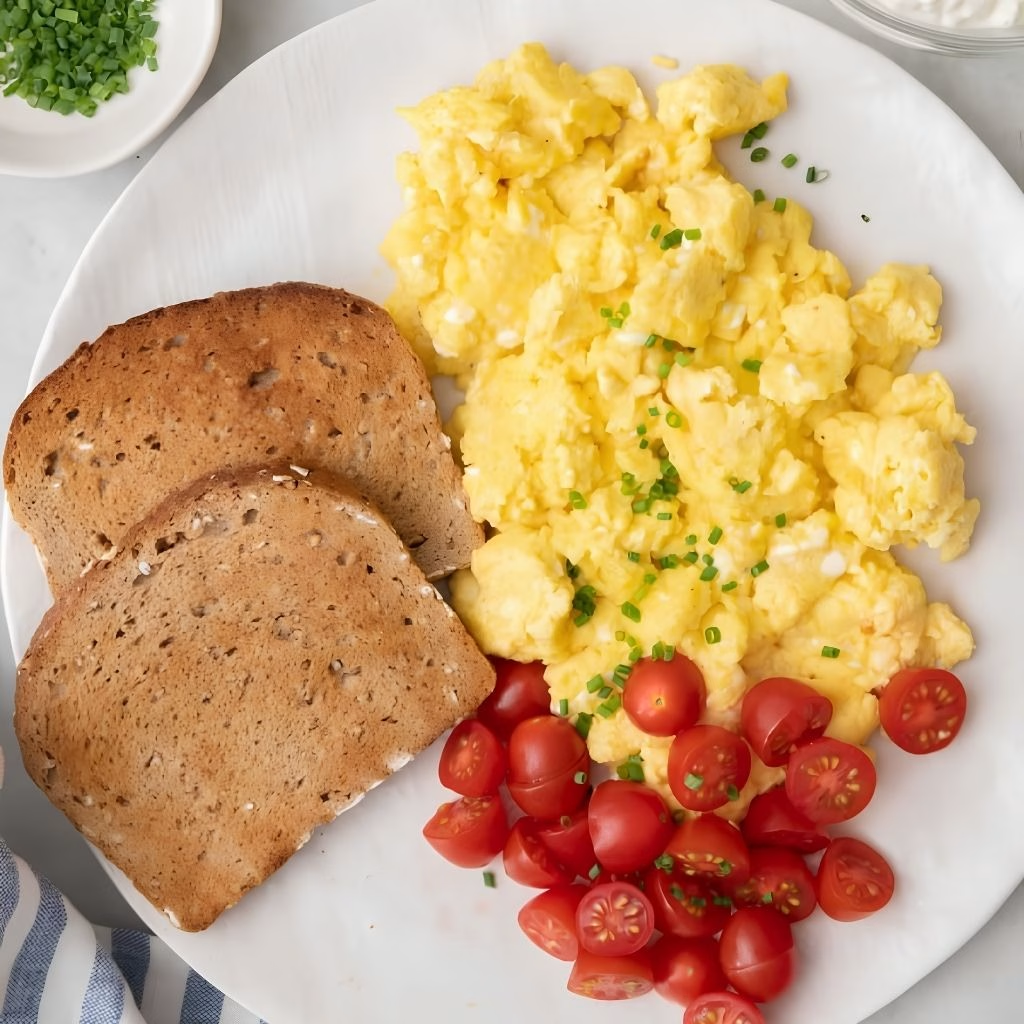
I love serving these eggs straight out of the pan while they’re still warm and glossy, piled onto a plate next to some toasted sourdough or whole grain bread. A few fresh chives or a light dusting of black pepper on top makes the plate look a lot more put together without any extra effort. On busier mornings, I’ll wrap them into a warm tortilla with a little hot sauce for an easy breakfast taco.
If I’m serving guests, I like pairing them with roasted cherry tomatoes and avocado slices for a bit of color and freshness on the plate. For a heartier weekend spread, they work really well alongside crispy hash browns or a simple fruit bowl.
Variations
- Dairy-free version: swap the cottage cheese for a dairy-free ricotta alternative to keep the creamy texture without the lactose.
- Spinach version: stir in a handful of chopped fresh spinach while cooking for extra color, fiber, and nutrients.
- Spicy version: add a pinch of chili flakes or a dash of hot sauce for a little heat.
- Cheesy upgrade: sprinkle in shredded cheddar or crumbled feta for a richer flavor.
- Veggie-packed version: mix in diced bell peppers, mushrooms, or onions for a more filling breakfast.
- Herb-forward version: fold in fresh dill or basil right before serving for a fresh, garden-style twist.
Nutritional Information
Here’s a rough breakdown per serving, based on two eggs and a quarter cup of cottage cheese.
- Calories: approximately 220
- Protein: approximately 20g
- Carbohydrates: approximately 3g
- Fat: approximately 14g
Make Ahead and Storage
These eggs are best enjoyed fresh since the texture is at its creamiest right off the stove, but they do hold up reasonably well in the fridge. Store any leftovers in an airtight container for up to 2 days, and reheat gently in the microwave in short bursts so they don’t turn rubbery.
I don’t recommend freezing this dish, since cottage cheese tends to separate and turn watery once thawed, which affects the texture quite a bit.
Why You’ll Love This Recipe?
This recipe has genuinely become one of my go-to breakfasts, and here’s why I think you’ll love it too.
- It’s incredibly quick: from bowl to plate, this whole recipe takes about 10 minutes, which is perfect for busy mornings.
- It’s a great protein boost: between the eggs and cottage cheese, you’re getting a solid dose of protein without needing a shake or bar.
- It’s naturally low carb: this makes it a solid fit if you’re watching your carb intake or just want a lighter breakfast.
- It’s easy to customize: you can dress it up with veggies, herbs, or spice depending on your mood.
- It barely dirties any dishes: just one bowl and one pan means cleanup takes almost no time at all.
FAQs
Can I use low-fat cottage cheese instead of full-fat?
Yes, low-fat cottage cheese works just as well and still gives you that creamy texture without the extra fat.
Why can’t I taste the cottage cheese in my eggs?
Once it’s whisked in and cooked, cottage cheese blends into the eggs and mostly adds creaminess rather than a strong cheesy flavor.
Can I make this in the microwave instead of on the stove?
Yes, you can whisk everything in a microwave-safe bowl and microwave in 30-second bursts, stirring between each one, until just set.
Is this recipe good for meal prep?
It’s best enjoyed fresh, but you can store leftovers for up to 2 days and reheat gently if needed for a quick grab-and-go breakfast.
Can I add vegetables like spinach to this recipe?
Absolutely, sautéing some fresh spinach before adding the egg mixture is a great way to add extra nutrients and color.
If eggs are your thing, you might also like browsing through more breakfast ideas, and if you’re after other high-protein options to round out your week, that’s worth checking out too.

Cottage Cheese Scrambled Eggs Recipe
Ingredients
Method
- Crack the eggs into your mixing bowl and add the cottage cheese right on top. Whisk everything together until you don’t see big curds of cheese floating around anymore. I like to whisk for a good 30 seconds so the mixture turns pale and slightly frothy, which is what gives the eggs their fluffiness later.
- Sprinkle in the salt and pepper, then give it one more quick whisk. I’ve found that seasoning at this stage, rather than after cooking, spreads the flavor much more evenly through every bite. If I’m adding herbs, I stir those in now too.
- Warm your nonstick skillet over medium-low heat and add the butter or oil spray. I always wait until the butter is just melted and slightly foamy before pouring in the eggs, because a pan that’s too hot will make the eggs rubbery instead of soft.
- Pour the egg mixture into the skillet and let it sit undisturbed for about 15 seconds. This lets the bottom start to set before you touch it, which actually helps build those soft, pillowy curds instead of a scrambled mess.
- Using your rubber spatula, gently push the eggs from the edges of the pan toward the center. Keep doing this in slow motions rather than stirring quickly. This step usually takes me about a minute and a half, and it’s the key to getting that creamy, restaurant-style texture.
- Take the pan off the heat when the eggs still look slightly glossy and a little underdone. They’ll keep cooking from the residual heat, so pulling them off a touch early prevents dry, overcooked eggs. Let them sit for 30 seconds before plating.
Notes
- I always use small curd cottage cheese because it blends into the eggs much more smoothly than large curd.
- I let my eggs sit at room temperature for a few minutes before whisking, since cold eggs straight from the fridge cook less evenly.
- I keep my heat on medium-low the entire time, because I learned that high heat is what turns creamy eggs into dry, rubbery ones.
- I whisk the cottage cheese in really well so I don’t end up with random cheesy pockets throughout the eggs.
- I always season before cooking instead of after, since it distributes the flavor so much better.