I still remember the first time I spread cottage cheese on warm toast instead of butter. I honestly wasn’t sure what to expect. One bite in, I was hooked, and now this is my go-to breakfast on busy mornings when I still want something that actually fills me up.
I love that I can keep it plain and simple or dress it up with fruit, herbs, or a drizzle of honey depending on my mood. It takes me less than 10 minutes from fridge to plate, which is exactly what I need before a hectic day. If you’ve never tried cottage cheese toast, I promise this is Cottage Cheese Toast Recipe that will turn you into a believer.
Cooking Time
- Prep Time: 5 minutes
- Cooking Time: 3-4 minutes
- Total Time: 8-9 minutes
Ingredients
- 2 slices of bread (sourdough or whole wheat) – a sturdy, slightly crusty bread holds up best and won’t turn soggy under the toppings
- 1 cup cottage cheese – the real star of the dish, so I always pick a good quality, fresh tub rather than anything watery
- 1 tablespoon olive oil or butter – lightly brushing the bread before toasting gives it a crisp, golden edge
- Salt, to taste – just a pinch wakes up the natural creaminess of the cheese
- Black pepper, to taste – freshly cracked pepper adds a nice bite without overpowering the dish
- Fresh herbs (chives, dill, or basil), a small handful – fresh herbs taste far brighter than dried ones, so I skip the dried jar for this recipe
- Toppings of choice (avocado, tomato, berries, honey, or a fried egg) – this is where I get to make the toast completely my own
Note: This recipe makes enough cottage cheese topping for 3-4 slices of toast, so it easily serves 2-3 people.
Equipment You Need
- Toaster or skillet – for toasting the bread to that perfect golden crunch
- Small mixing bowl – useful if I want to whip the cottage cheese or mix in herbs first
- Fork or spoon – for spreading the cottage cheese evenly over the toast
- Sharp knife – for slicing toppings like avocado, tomato, or fruit
- Food processor or blender (optional) – handy if I want a smoother, whipped cottage cheese texture
How to Make Cottage Cheese Toast Recipe?
This recipe really couldn’t be simpler, which is exactly why I make it so often. I toast my bread first, season my cottage cheese while it’s still warm, then layer on whatever toppings I’m craving that day. From start to finish, the whole process takes less time than it does to brew a cup of coffee.
Step 1: Toast the Bread
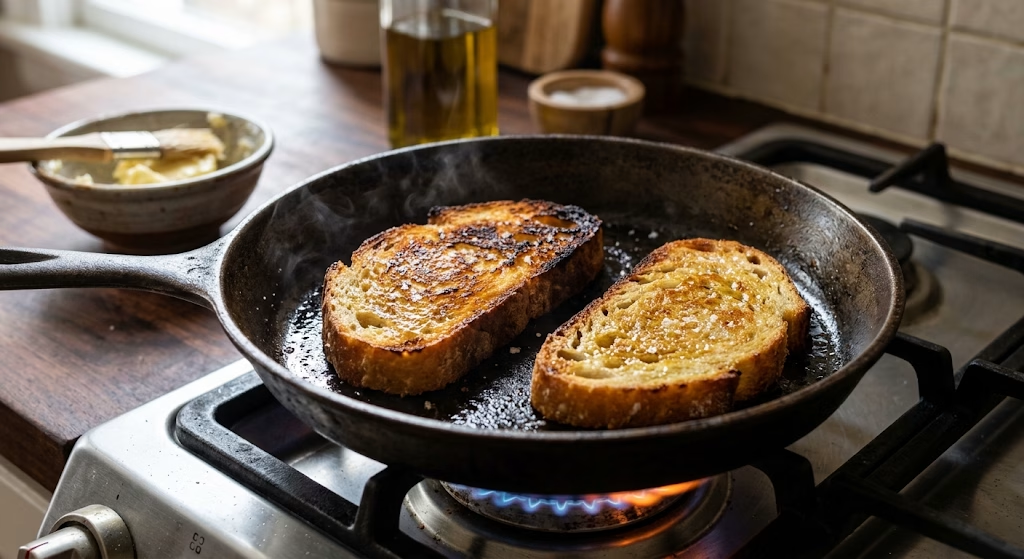
I start by brushing both sides of my bread lightly with olive oil or softened butter. Then I toast it in a toaster, toaster oven, or a hot skillet until it turns golden and crisp on the outside. I like my edges slightly charred, but I toast mine exactly to how crunchy I personally enjoy it.
Step 2: Prep the Cottage Cheese
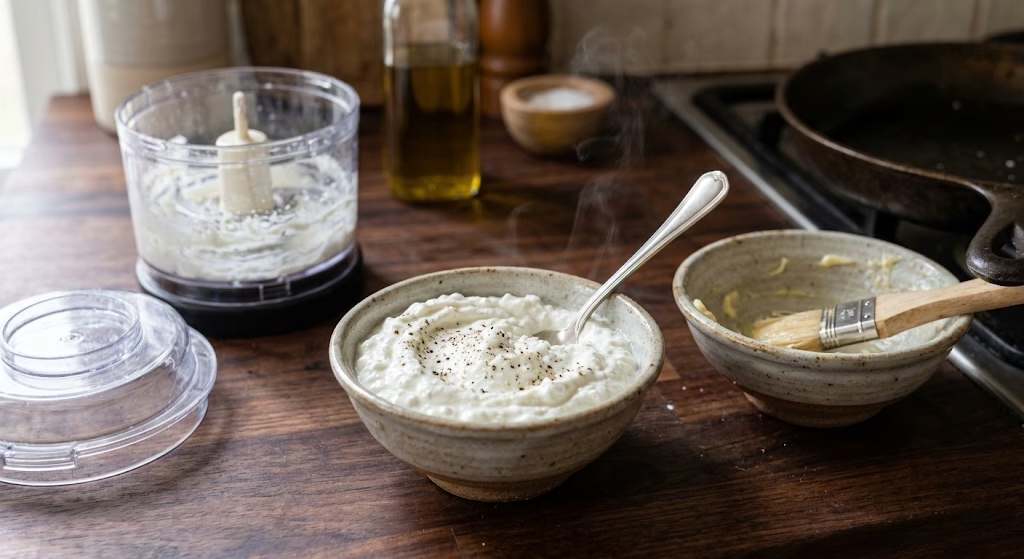
While the bread toasts, I spoon the cottage cheese into a small bowl and season it with a pinch of salt and pepper. If I’m in the mood for something smoother, I’ll pulse it in a food processor for about 20 seconds until it looks almost like whipped ricotta. This step is completely optional, but I find it changes the texture nicely.
Step 3: Spread It On
Once my toast is ready and still warm, I spread a generous layer of cottage cheese right on top, going all the way to the edges. Spreading it while the bread is warm helps the cheese melt slightly into the crevices, which I think makes every bite more flavorful.
Step 4: Add Your Toppings
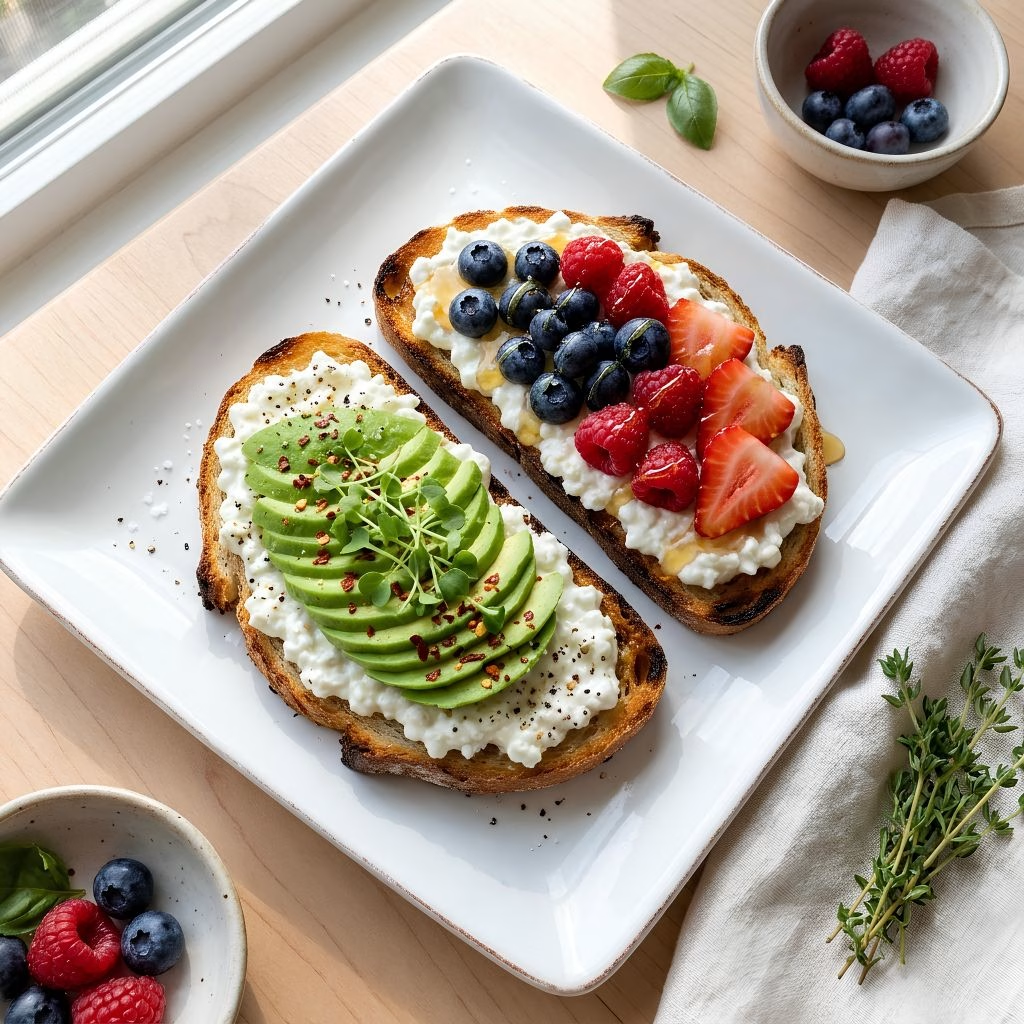
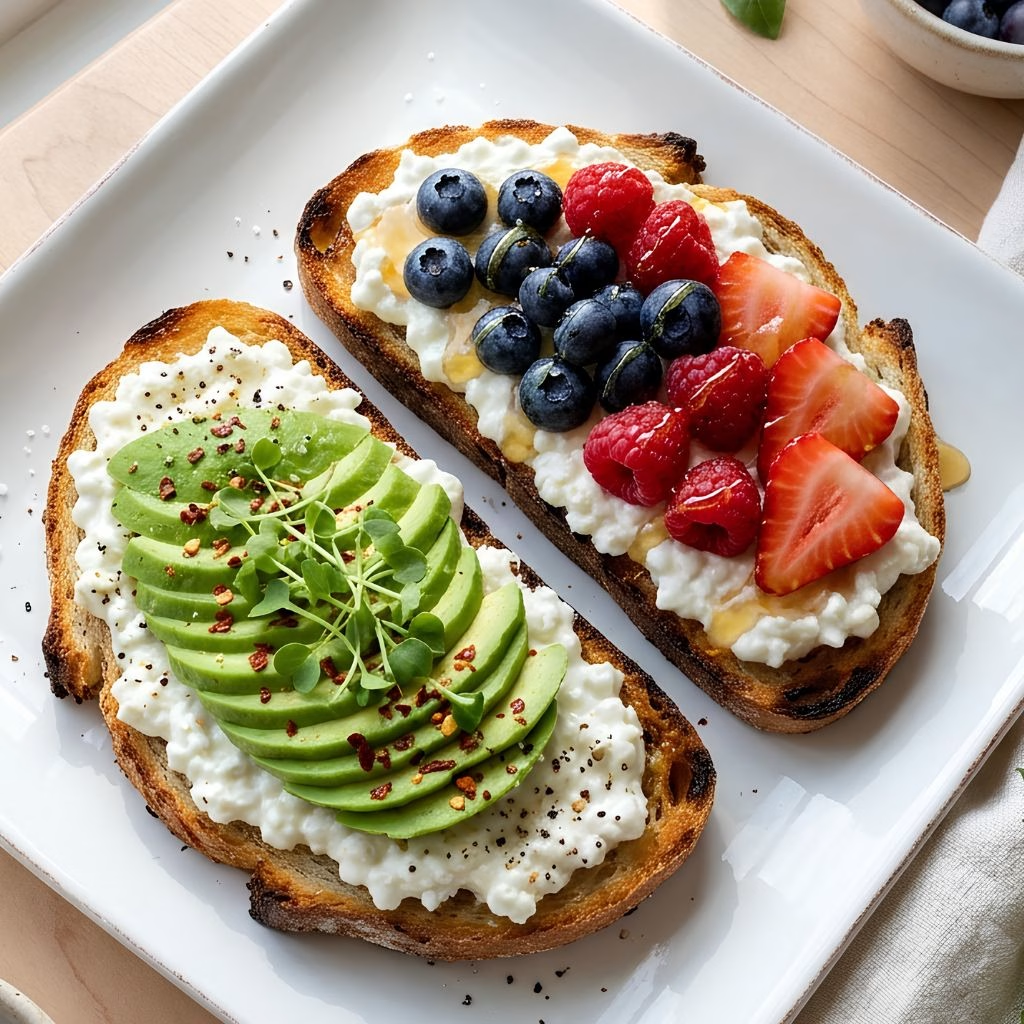
This is my favorite part, because I get to customize each slice differently. I might add sliced avocado and chili flakes on one, and fresh berries with a honey drizzle on another. I usually keep my toppings fresh and colorful so the toast looks as good as it tastes.
Step 5: Serve Immediately
I always serve my cottage cheese toast right away while the bread is still crisp underneath. The longer it sits, the softer the toast becomes, so I try not to let it wait around on the counter. A quick scatter of fresh herbs on top right before serving finishes it off nicely for me.
Additional Tips for Making This Recipe Better
- I always pat my toppings dry (especially tomatoes or cucumbers) before adding them, since extra moisture makes my toast soggy fast.
- I use full-fat cottage cheese when I want a creamier, richer bite, but I switch to low-fat when I’m watching calories.
- I like to season my cottage cheese directly, rather than just sprinkling salt on top, because it distributes the flavor more evenly for me.
- When I want restaurant-style texture, I blend my cottage cheese for a smoother, almost spreadable consistency.
- I toast my bread a touch darker than usual, since the toppings soften it slightly once they’re added.
Common Mistakes to Avoid
- I used to skip drying my fresh produce, and my toast turned soggy within minutes now I always blot the toppings with a paper towel first.
- I once used cold cottage cheese straight from the fridge, and it made my warm toast feel lukewarm fast, so I let it sit out for a few minutes first.
- I made the mistake of overloading my toast with too many toppings, which made it impossible to pick up and eat neatly.
- I didn’t season my cottage cheese at all the first few times I made this, and it tasted bland a pinch of salt makes a real difference.
- I toasted my bread too lightly once, and it couldn’t hold up to the weight of the cheese, so now I always toast it until genuinely crisp.
How to Serve Cottage Cheese Toast?
I love serving this toast on a wooden board or a simple white plate so the colorful toppings really stand out. For a savory version, I like adding sliced cherry tomatoes, cracked pepper, and a few micro greens on top for that fresh, café-style look.
On sweeter mornings, I’ll fan out some berries, add a light honey drizzle, and finish with a sprinkle of cinnamon for extra warmth. If I’m feeding guests, I’ll cut each slice into smaller triangles so people can sample a few different flavor combinations at once.
Pairing it with a side of fresh fruit or a simple green salad also rounds out the meal nicely. For another easy, protein-packed breakfast idea that pairs well on the same table, I sometimes also serve a simple egg toast recipe alongside it for anyone who wants extra protein.
Variations
- Cottage cheese toast with egg – top with a fried or poached egg for an extra protein boost
- Savory cottage cheese toast – add smoked salmon, capers, and red onion for a brunch-worthy twist
- Sweet cottage cheese toast – layer on banana slices, a drizzle of honey, and a dash of cinnamon
- Baked cottage cheese toast – broil the topped toast for 2-3 minutes until lightly golden and bubbly
- Cottage cheese toast in the air fryer – air fry the bread at 370°F for 3-4 minutes for an extra-crisp base before adding toppings
- Cottage cheese toast cinnamon style – mix a pinch of cinnamon and a touch of honey directly into the cheese for a dessert-like bite
- Indian-style cottage cheese toast – season the cottage cheese with chaat masala, chopped onion, and green chili for a spiced version
- Dairy-free version – swap in a plant-based cottage cheese alternative for the same creamy texture
This dish is also wonderfully versatile if you enjoy experimenting the way I do with a classic avocado toast recipe, since both let you swap toppings endlessly based on what’s in your fridge.
Nutritional Information
Here’s a general idea of what one serving of cottage cheese toast looks like (values may vary based on bread and toppings used):
- Calories: around 180-220 per slice
- Protein: around 14-16 grams per slice
- Carbohydrates: around 18-20 grams per slice
- Fat: around 6-8 grams per slice
Make Ahead and Storage
I don’t recommend assembling this toast ahead of time, since the bread loses its crunch within minutes of adding the cottage cheese. I prepare my seasoned cottage cheese up to 2 days in advance and store it in an airtight container in the fridge, which saves me time on busy mornings.
For reheating, I only reheat plain toasted bread separately and then add the cold or room-temperature cottage cheese fresh, rather than microwaving the assembled toast. Freezing isn’t something I’d suggest here, since cottage cheese doesn’t hold its texture well once thawed and tends to turn watery and grainy.
Why You’ll Love This Recipe
I keep coming back to this toast for so many reasons, and I think once you try it, you’ll understand why it’s become such a staple for me too.
- It’s incredibly quick – I can have this ready in under 10 minutes, even on my busiest mornings before work.
- It’s endlessly versatile – I switch between sweet and savory toppings depending on what I’m craving that day.
- It fits different diets easily – I can make it gluten-free with the right bread or dairy-free with a plant-based swap.
- It’s genuinely filling – the protein from the cottage cheese keeps me satisfied for hours longer than regular buttered toast.
- It barely dirties any dishes – I usually just need one bowl and a knife, which makes cleanup painless for me.
FAQs
Can I use flavored cottage cheese for this recipe?
Yes, I’ve used flavored varieties like chive or herb cottage cheese, and it adds extra flavor without needing many additional toppings.
What bread works best for cottage cheese toast?
I personally prefer sourdough or whole wheat because they’re sturdy enough to hold the toppings without getting soggy too quickly.
Is cottage cheese toast good for weight loss?
I find it’s a smart choice since it’s high in protein and relatively low in calories, which helps me stay full longer between meals.
Can I make this toast dairy-free?
Yes, I’ve swapped in a plant-based cottage cheese alternative before, and it worked well while keeping the same creamy texture I love.
How do I keep my toast from getting soggy?
I always toast my bread until it’s properly crisp and pat my wet toppings dry first, since both steps really help the toast hold up longer.

Cottage Cheese Toast Recipe
Ingredients
Method
- I start by brushing both sides of my bread lightly with olive oil or softened butter. Then I toast it in a toaster, toaster oven, or a hot skillet until it turns golden and crisp on the outside. I like my edges slightly charred, but I toast mine exactly to how crunchy I personally enjoy it.
- While the bread toasts, I spoon the cottage cheese into a small bowl and season it with a pinch of salt and pepper. If I’m in the mood for something smoother, I’ll pulse it in a food processor for about 20 seconds until it looks almost like whipped ricotta. This step is completely optional, but I find it changes the texture nicely.
- Once my toast is ready and still warm, I spread a generous layer of cottage cheese right on top, going all the way to the edges. Spreading it while the bread is warm helps the cheese melt slightly into the crevices, which I think makes every bite more flavorful.
- This is my favorite part, because I get to customize each slice differently. I might add sliced avocado and chili flakes on one, and fresh berries with a honey drizzle on another. I usually keep my toppings fresh and colorful so the toast looks as good as it tastes.
- I always serve my cottage cheese toast right away while the bread is still crisp underneath. The longer it sits, the softer the toast becomes, so I try not to let it wait around on the counter. A quick scatter of fresh herbs on top right before serving finishes it off nicely for me.
Notes
- I always pat my toppings dry (especially tomatoes or cucumbers) before adding them, since extra moisture makes my toast soggy fast.
- I use full-fat cottage cheese when I want a creamier, richer bite, but I switch to low-fat when I’m watching calories.
- I like to season my cottage cheese directly, rather than just sprinkling salt on top, because it distributes the flavor more evenly for me.
- When I want restaurant-style texture, I blend my cottage cheese for a smoother, almost spreadable consistency.
- I toast my bread a touch darker than usual, since the toppings soften it slightly once they’re added.