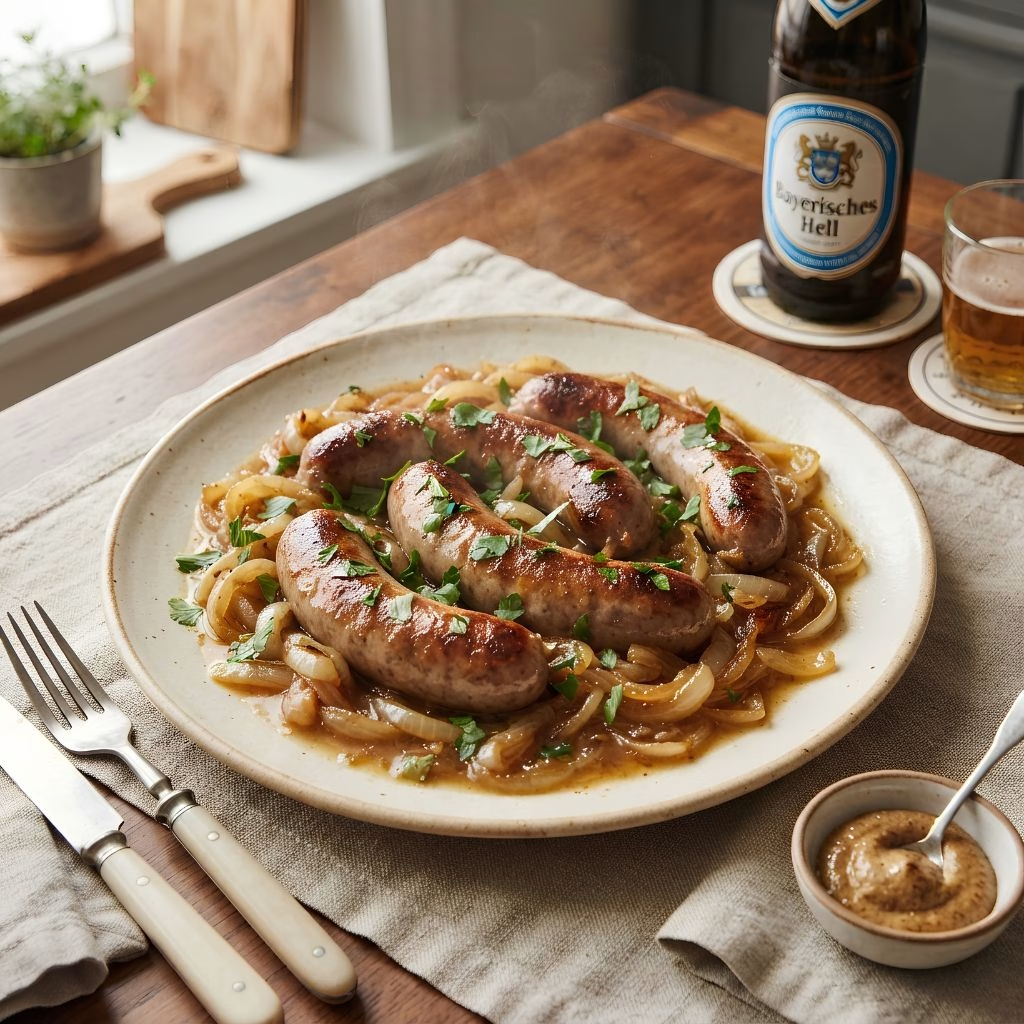
I started making bratwurst on my stovetop the winter my grill got buried under snow, and honestly, I never looked back. This method gives me that same juicy, snappy-skinned sausage I’d get outside, minus the cold fingers and the wait for charcoal to heat up.
I sear the brats first, then let them simmer gently in a beer-and-onion bath so they cook through without drying out. It’s become my go-to weeknight dinner because it takes barely any cleanup and always turns out right. If you’ve been searching for how to cook bratwurst on stove without ruining them, this is the method I trust every single time.

Cooking Time
- Prep Time: 5 minutes
- Cook Time: 20 minutes
- Total Time: 25 minutes
Ingredients
- 10 small bratwurst sausages (about 2.5–3 oz each) – the star of the dish, so pick a good quality brand you enjoy
- 1 tablespoon vegetable oil – helps get an even, golden sear without sticking
- 1 medium onion, quartered and sliced – adds sweetness and body to the pan sauce
- 1 cup beer (lager or pilsner works best) – keeps the brats moist and adds a subtle malty flavor
- Fine sea salt, to taste – balances the richness of the sausage and onions
- Freshly cracked black pepper, to taste – adds a little warmth without overpowering the beer flavor
Note: This recipe serves 5 people.
Equipment You Need
- Large thick-bottomed skillet or cast-iron pan – distributes heat evenly so the brats don’t scorch
- Tongs – makes flipping the sausages easy without piercing the casing
- Lid that fits your skillet – traps steam so the brats finish cooking through
- Cutting board and knife – for slicing the onion evenly
How to Make an Easy Stovetop Bratwurst Recipe?
This part is where the magic happens, and it’s much simpler than it sounds. I promise you don’t need any special skills, just a hot pan and a little patience while the brats simmer. Here’s exactly how I break it down every time I make this dish.
Step 1: Prep the Onion and Heat the Pan
I start by quartering my onion and slicing it into thin strips so it cooks evenly alongside the sausages. While I’m doing that, I set my skillet over medium-high heat and let it warm up properly. A properly heated pan is what gives the brats that deep golden color instead of a pale, steamed look.
Step 2: Sear the Brats
Once the pan is hot, I add the vegetable oil and lay the bratwurst in carefully, leaving space between each one. I let them sear for a few minutes on one side before flipping with tongs to brown the other side too. This step locks in flavor and gives the casing that satisfying little snap when you bite in later.
Step 3: Add the Onions
With the brats nicely browned, I scatter the sliced onions into the gaps between the sausages. I let everything cook together for about two minutes, stirring occasionally, until the onions turn soft and slightly golden. This is also when my kitchen starts smelling incredible.
Step 4: Pour in the Beer and Simmer
Next, I flip the brats one more time and pour the beer straight into the pan. I cover it immediately with a lid and drop the heat to low, letting everything simmer gently for around ten minutes. I flip the sausages halfway through so they cook evenly on both sides.
Step 5: Check for Doneness
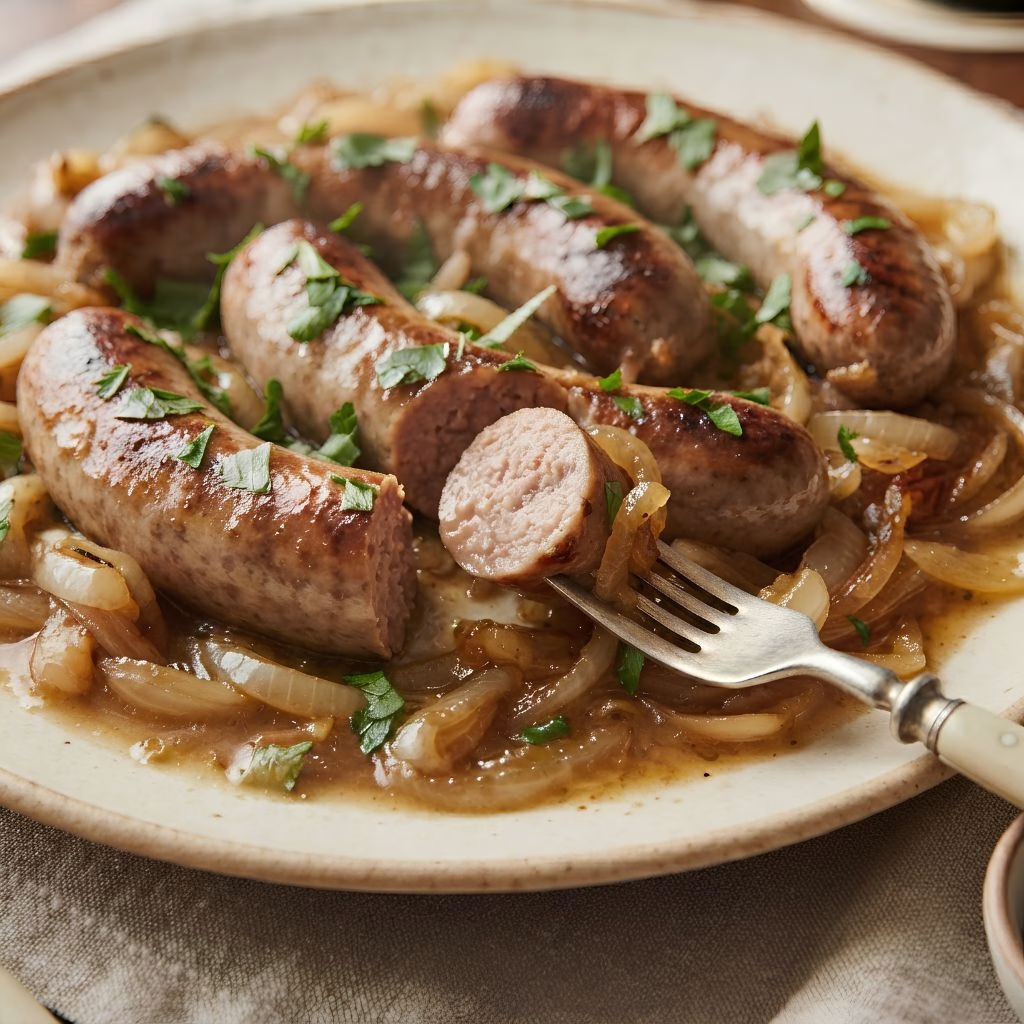
I always check that the internal temperature hits 160°F using a meat thermometer, but if I don’t have one handy, I just slice into one sausage to make sure there’s no pink left inside. This is the safest way to know your brats are fully cooked.
Step 6: Reduce the Sauce and Serve
Once the brats are done, I pull them out of the pan for a minute, season the remaining onion sauce with salt and pepper, and let it reduce for a couple of minutes until it thickens slightly. Then I return the sausages to the pan, turn them through that flavorful sauce, and serve them immediately while they’re hot.
Additional Tips for Making This Recipe Better
I’ve made this recipe more times than I can count, and a few small habits have made a real difference for me.
- I never poke holes in my brats before cooking, since that just lets the juices escape and dries them out.
- I always use a thick-bottomed pan, because thin pans heat unevenly and can scorch the onions before the brats finish cooking.
- I like slicing my onions a little thicker so they hold their shape instead of turning mushy in the beer.
- I keep the heat on low once the lid goes on, since a rolling simmer can toughen the sausage casing.
- I let the brats rest for a minute or two after cooking so the juices settle back into the meat.
Common Mistakes to Avoid
Over the years, I’ve made a few missteps that taught me exactly what not to do with this recipe.
- I used to crank the heat too high while searing, which burned the outside before the inside had a chance to cook.
- I once skipped checking the internal temperature and ended up with an undercooked brat in the middle.
- I’ve overcrowded the pan before, and it steamed the sausages instead of browning them properly.
- I made the mistake of removing the lid too often to check on things, which let all the steam escape and slowed down the cooking.
- I’ve forgotten to season the sauce at the end, which left the whole dish tasting a little flat.
How to Serve Easy Stovetop Bratwurst Recipe?
I love serving these brats piled onto toasted buns with a spoonful of that beer-onion sauce spooned right on top. A swipe of good mustard and a few sauerkraut strands make it feel like a proper Oktoberfest plate.
If I’m skipping the bun, I’ll serve the brats sliced over a bed of buttery noodles or alongside a hearty German potato salad for a heartier dinner. For gatherings, I like arranging the brats on a wooden board with the onions scattered around and a small bowl of mustard for dipping, since it looks rustic and inviting on the table.
Variations
- Swap the beer for apple juice, cider, or chicken stock if you prefer a non-alcoholic version.
- Try the classic method of how to cook brats in a pan with water and no beer for a lighter, milder flavor.
- For extra crunch, some people prefer deep fried bratwurst instead of simmering, though it does add more oil and calories.
- If you’re curious about hands-off methods, how to cook bratwurst in the oven or how to cook bratwurst in an air fryer both work well when you want less stovetop attention.
- Add a splash of apple cider vinegar to the onions for a tangier sauce.
- Toss in sliced bell peppers along with the onions for extra color and sweetness.
Nutritional Information
Here’s a rough breakdown per serving, though actual values will vary based on the brand of bratwurst you use.
- Calories: approximately 550 kcal
- Protein: approximately 22g
- Carbohydrates: approximately 6g
- Fat: approximately 45g
Make Ahead and Storage
I usually store leftover brats in an airtight container in the fridge, where they stay fresh for up to 3 days. When I’m ready to eat them again, I reheat them gently in a covered skillet with a splash of water or broth so they don’t dry out, though a quick spin in the microwave works fine too. If I want to freeze them, I let the brats cool completely, then store them in a freezer-safe bag for up to 2 months, thawing overnight in the fridge before reheating.
Why You’ll Love This Recipe?
This dish has earned a permanent spot in my dinner rotation, and I think it’ll do the same for you.
- It’s incredibly quick: From start to finish, this recipe takes only 25 minutes, making it perfect for busy weeknights.
- No grill required: I can make this indoors year-round, regardless of weather or whether I even own a grill.
- Minimal cleanup: Since everything cooks in one pan, there’s barely any mess to deal with afterward.
- Endless customization: Whether I swap the beer for stock or add extra veggies, this recipe adapts to whatever I’m craving.
- Great for feeding a crowd: This recipe easily doubles for parties or game-day gatherings without much extra effort.
FAQs
Can I cook bratwurst without beer?
Yes, you can substitute the beer with water, apple juice, chicken stock, or beef stock for a similar result with a milder flavor.
How do I know when my brats are fully cooked?
The internal temperature should reach 160°F, or you can simply slice one open to check that there’s no pink remaining inside.
Can I make this recipe with Johnsonville brats?
Absolutely, this same method works great if you’re wondering how to cook johnsonville brats on the stove, since the technique stays the same regardless of brand.
What’s the best pan to use for stovetop brats?
A thick-bottomed skillet or cast-iron pan works best because it heats evenly and helps prevent the onions or sausage from burning.
Can I reheat leftover brats the next day?
Yes, leftovers reheat well in a covered skillet with a splash of liquid, or in the microwave for about a minute, and they’ll stay fresh in the fridge for up to 3 days.

Easy Stovetop Bratwurst Recipe
Ingredients
Method
- I start by quartering my onion and slicing it into thin strips so it cooks evenly alongside the sausages. While I’m doing that, I set my skillet over medium-high heat and let it warm up properly. A properly heated pan is what gives the brats that deep golden color instead of a pale, steamed look.
- Once the pan is hot, I add the vegetable oil and lay the bratwurst in carefully, leaving space between each one. I let them sear for a few minutes on one side before flipping with tongs to brown the other side too. This step locks in flavor and gives the casing that satisfying little snap when you bite in later.
- With the brats nicely browned, I scatter the sliced onions into the gaps between the sausages. I let everything cook together for about two minutes, stirring occasionally, until the onions turn soft and slightly golden. This is also when my kitchen starts smelling incredible.
- Next, I flip the brats one more time and pour the beer straight into the pan. I cover it immediately with a lid and drop the heat to low, letting everything simmer gently for around ten minutes. I flip the sausages halfway through so they cook evenly on both sides.
- I always check that the internal temperature hits 160°F using a meat thermometer, but if I don’t have one handy, I just slice into one sausage to make sure there’s no pink left inside. This is the safest way to know your brats are fully cooked.
- Once the brats are done, I pull them out of the pan for a minute, season the remaining onion sauce with salt and pepper, and let it reduce for a couple of minutes until it thickens slightly. Then I return the sausages to the pan, turn them through that flavorful sauce, and serve them immediately while they’re hot.
Notes
- I never poke holes in my brats before cooking, since that just lets the juices escape and dries them out.
- I always use a thick-bottomed pan, because thin pans heat unevenly and can scorch the onions before the brats finish cooking.
- I like slicing my onions a little thicker so they hold their shape instead of turning mushy in the beer.
- I keep the heat on low once the lid goes on, since a rolling simmer can toughen the sausage casing.
- I let the brats rest for a minute or two after cooking so the juices settle back into the meat.