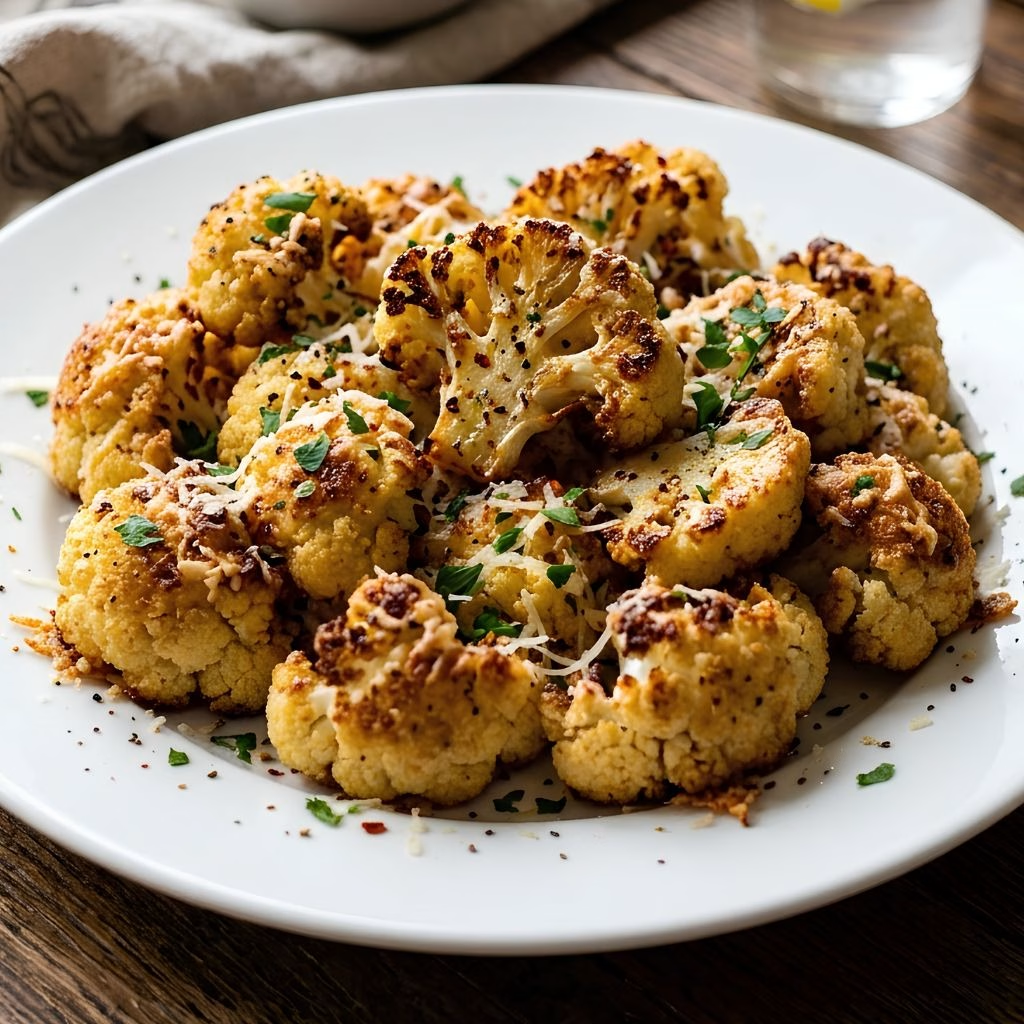
I still remember the first time I pulled a tray of this out of my oven. The edges were golden, the kitchen smelled like a cheesy garlic dream, and I ate half the pan standing at the counter before dinner even started. If you’ve ever found cauliflower boring, this recipe is about to change your mind completely.
I’ve made it more times than I can count, tweaking the seasoning until it was just right, and now it’s become one of my favorite go-to sides, right alongside my garlic parmesan roasted broccoli for busy weeknights. It’s the kind of dish that makes people ask for the recipe before they’ve even finished their plate. Let me walk you through exactly how I make it.
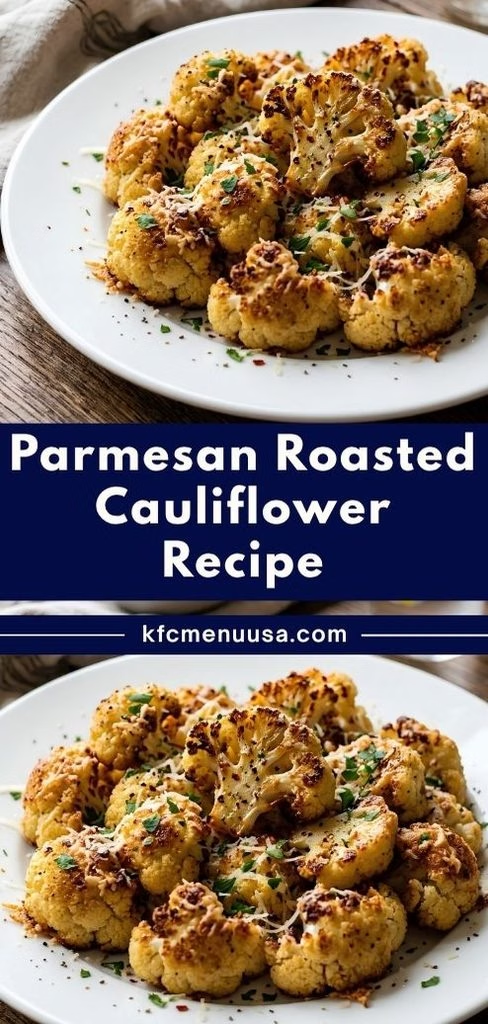
Cooking Time
- Prep Time: 10 minutes
- Cook Time: 30 minutes
- Total Time: 40 minutes
Ingredients
- 1 head cauliflower — the star of the show; pick one that’s firm and creamy-white with no brown spots
- 1 tablespoon olive oil — helps the seasoning stick and gives you that golden roasted edge
- ½ teaspoon salt — brings out the natural sweetness of the roasted florets
- ¼ teaspoon black pepper — adds a gentle kick that balances the cheese
- ½ teaspoon onion powder — builds savory depth without overpowering the dish
- ½ teaspoon garlic powder — my favorite flavor booster; I sometimes add a little extra
- ¼ cup grated parmesan cheese — grate it fresh if you can, it melts and browns so much better than the pre-shredded kind
Note: This recipe makes enough for about 4 servings as a side dish.
Equipment You Need
- Rimmed baking sheet — holds the florets in a single layer so they roast instead of steam
- Nonstick cooking spray — keeps the cauliflower from sticking to the pan
- Large mixing bowl — for tossing the florets evenly with oil and seasoning
- Cutting board and sharp knife — makes trimming and slicing the cauliflower quick and safe
- Box grater or microplane — for grating your parmesan fresh right before cooking
- Spatula or tongs — for stirring the cauliflower midway through roasting
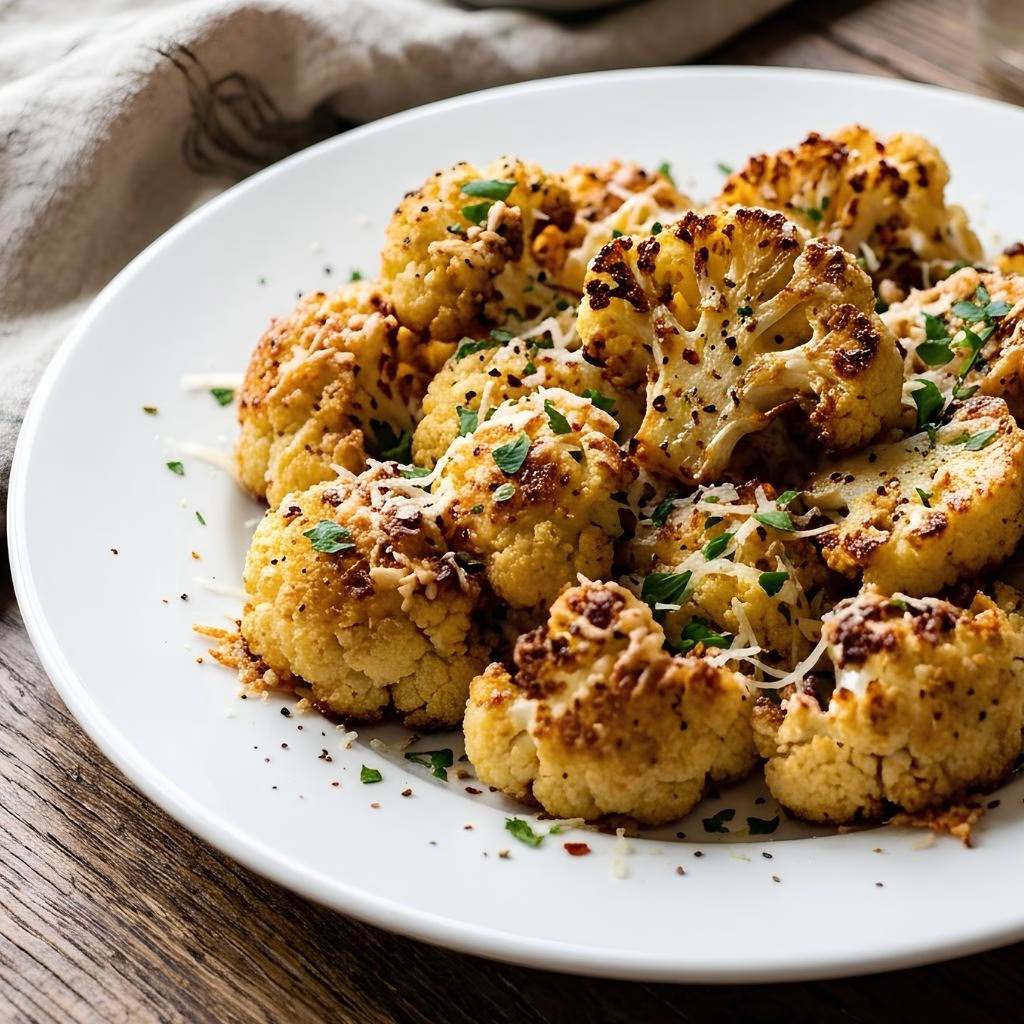
How to Make Parmesan Roasted Cauliflower Recipe?
This recipe really couldn’t be simpler, and that’s exactly why I make it so often. You’re basically trimming, tossing, and roasting no complicated steps, no babysitting the oven. Here’s exactly how I break it down in my own kitchen.
Step 1: Preheat and Prep the Pan
I start by preheating my oven to 400°F so it’s nice and hot by the time the cauliflower goes in. I spray a rimmed cookie sheet with nonstick spray instead of lining it with foil, because the direct contact with the pan is what gives the florets those crispy, caramelized edges.
Step 2: Cut the Cauliflower into Florets
Next, I pull apart the cauliflower head from the stem, cutting it into bite-sized florets the same way I would with broccoli. I try to keep the pieces roughly the same size so everything cooks evenly in the oven.
Step 3: Toss with Oil, Spices, and Parmesan
In a large bowl, I toss the florets with olive oil, salt, pepper, onion powder, and garlic powder. Once everything is coated, I sprinkle in the parmesan and give it one more good toss so the cheese clings to every piece.
Step 4: Spread and Roast
I spread the coated cauliflower in a single layer on my prepared baking sheet, making sure the pieces aren’t crowded or stacked. Crowding the pan traps steam, and steam is the enemy of crispy roasted veggies.
Step 5: Stir and Finish Roasting
I roast the cauliflower for about 30 minutes total, stirring it once or twice along the way so every side gets a chance to brown. By the end, it should look golden and slightly crisp at the edges, which is exactly what you want.
Step 6: Serve It Up
Once it’s out of the oven, I let it cool for just a minute before serving it warm. This is the point where I usually sneak a few pieces straight off the pan I can never resist.
Additional Tips for Making This Recipe Better
I’ve made this dish enough times to pick up a few tricks that genuinely make a difference, so here’s what I always keep in mind:
- I always cut my florets into similar sizes so nothing burns while other pieces are still undercooked.
- I never skip stirring halfway through. It’s the difference between evenly golden cauliflower and soggy spots.
- I like to add a pinch of smoked paprika or cumin when I want to switch up the flavor profile.
- I make sure my oven is fully preheated before the tray goes in, since a cool oven steams the cauliflower instead of roasting it.
- I always grate my parmesan fresh instead of using the shelf-stable shaker kind, because it melts and crisps so much better.
Common Mistakes to Avoid
- I’ve learned the hard way that lining the pan with foil keeps the cauliflower from browning properly, so I stick to a sprayed baking sheet instead.
- I used to overcrowd my pan thinking it would save time, but that just steams the florets instead of roasting them.
- I once forgot to stir the tray at all, and one side came out burnt while the other was barely cooked.
- I’ve found that using pre-shredded parmesan doesn’t melt as nicely, so fresh-grated really is worth the extra minute.
- I sometimes cut my florets too small, and they end up drying out before the bigger pieces are even done.
How to Serve Parmesan Roasted Cauliflower?
I love piling this straight onto a platter while it’s still warm, with an extra sprinkle of fresh parmesan and a few cracks of black pepper on top for presentation. A light scatter of chopped parsley or chives adds a pop of color that makes the dish look restaurant-worthy.
It pairs beautifully alongside roasted chicken, grilled steak, or a simple pasta dinner, and it also works as a light appetizer with a wedge of lemon on the side for squeezing over the top. If you’re looking for a hearty main to pair it with, I love serving this next to my crispy oven-baked chicken thighs for a simple, satisfying dinner plate.
Variations
- Swap the parmesan for nutritional yeast and skip the cheese entirely for a dairy-free version.
- Add a pinch of red pepper flakes if you like a little heat with your roasted vegetables.
- Toss in panko breadcrumbs along with the parmesan for an extra-crispy, crunchy coating.
- Use pecorino romano instead of parmesan for a sharper, saltier flavor.
- Finish with a squeeze of fresh lemon juice right before serving for a bright, zesty kick.
- Stir in minced fresh garlic along with the garlic powder for a punchier, more aromatic roast.
Nutritional Information
Here’s a quick look at what you’re getting per serving of this cauliflower side dish:
- Calories: 96
- Protein: 5g
- Carbohydrates: 8g
- Fat: 6g
Make Ahead and Storage
I usually prep the cauliflower florets a day ahead and keep them in the fridge, then toss them with oil and seasoning right before roasting so they stay fresh and don’t turn watery.
Leftovers keep well in an airtight container in the refrigerator for up to 3 days. I like reheating mine in the oven or air fryer at 375°F for a few minutes to bring back the crispy edges, since microwaving tends to make it soft and a little soggy.
I don’t recommend freezing this dish, as cauliflower tends to turn mushy once it’s thawed and loses that crispy texture that makes this recipe so good in the first place.
Why You’ll Love This Recipe?
This is genuinely one of those recipes I come back to on repeat, and here’s why I think you’ll love it too:
- It’s ridiculously easy: With just a handful of pantry staples and one pan, you’ll have dinner’s best side dish ready in under 40 minutes.
- It’s endlessly versatile: I can dress it up with different spices or cheeses depending on what I’m pairing it with that night.
- It fits almost any diet: It’s naturally low-carb, vegetarian, and easy to make gluten-free or dairy-free with a couple of swaps.
- The flavor is addictive: The combination of roasted cauliflower and crispy parmesan is savory, nutty, and just a little bit indulgent.
- Cleanup is a breeze: One bowl and one pan mean I’m not stuck scrubbing dishes after dinner.
FAQs
Can I use frozen cauliflower for this recipe?
I don’t recommend it frozen cauliflower holds extra moisture and tends to steam rather than roast, so you lose that crispy texture.
What can I substitute for parmesan cheese?
Pecorino romano or asiago both work well if you want a slightly different flavor while keeping that same cheesy, savory finish.
How do I keep my cauliflower from getting soggy?
Make sure your oven is fully preheated, don’t overcrowd the pan, and skip the foil liner so the florets roast directly on the hot baking sheet.
Can I make this recipe dairy-free?
Yes, simply swap the parmesan for a dairy-free cheese alternative or nutritional yeast for a similar savory flavor.
How long does leftover roasted cauliflower stay fresh?
It stays good in an airtight container in the fridge for up to 3 days; just reheat it in the oven or air fryer to bring back the crispiness.

Parmesan Roasted Cauliflower Recipe
Ingredients
Method
- I start by preheating my oven to 400°F so it’s nice and hot by the time the cauliflower goes in. I spray a rimmed cookie sheet with nonstick spray instead of lining it with foil, because the direct contact with the pan is what gives the florets those crispy, caramelized edges.
- Next, I pull apart the cauliflower head from the stem, cutting it into bite-sized florets the same way I would with broccoli. I try to keep the pieces roughly the same size so everything cooks evenly in the oven.
- In a large bowl, I toss the florets with olive oil, salt, pepper, onion powder, and garlic powder. Once everything is coated, I sprinkle in the parmesan and give it one more good toss so the cheese clings to every piece.
- I spread the coated cauliflower in a single layer on my prepared baking sheet, making sure the pieces aren’t crowded or stacked. Crowding the pan traps steam, and steam is the enemy of crispy roasted veggies.
- I roast the cauliflower for about 30 minutes total, stirring it once or twice along the way so every side gets a chance to brown. By the end, it should look golden and slightly crisp at the edges, which is exactly what you want.
- Once it’s out of the oven, I let it cool for just a minute before serving it warm. This is the point where I usually sneak a few pieces straight off the pan I can never resist.
Notes
- I always cut my florets into similar sizes so nothing burns while other pieces are still undercooked.
- I never skip stirring halfway through. It’s the difference between evenly golden cauliflower and soggy spots.
- I like to add a pinch of smoked paprika or cumin when I want to switch up the flavor profile.
- I make sure my oven is fully preheated before the tray goes in, since a cool oven steams the cauliflower instead of roasting it.
- I always grate my parmesan fresh instead of using the shelf-stable shaker kind, because it melts and crisps so much better.