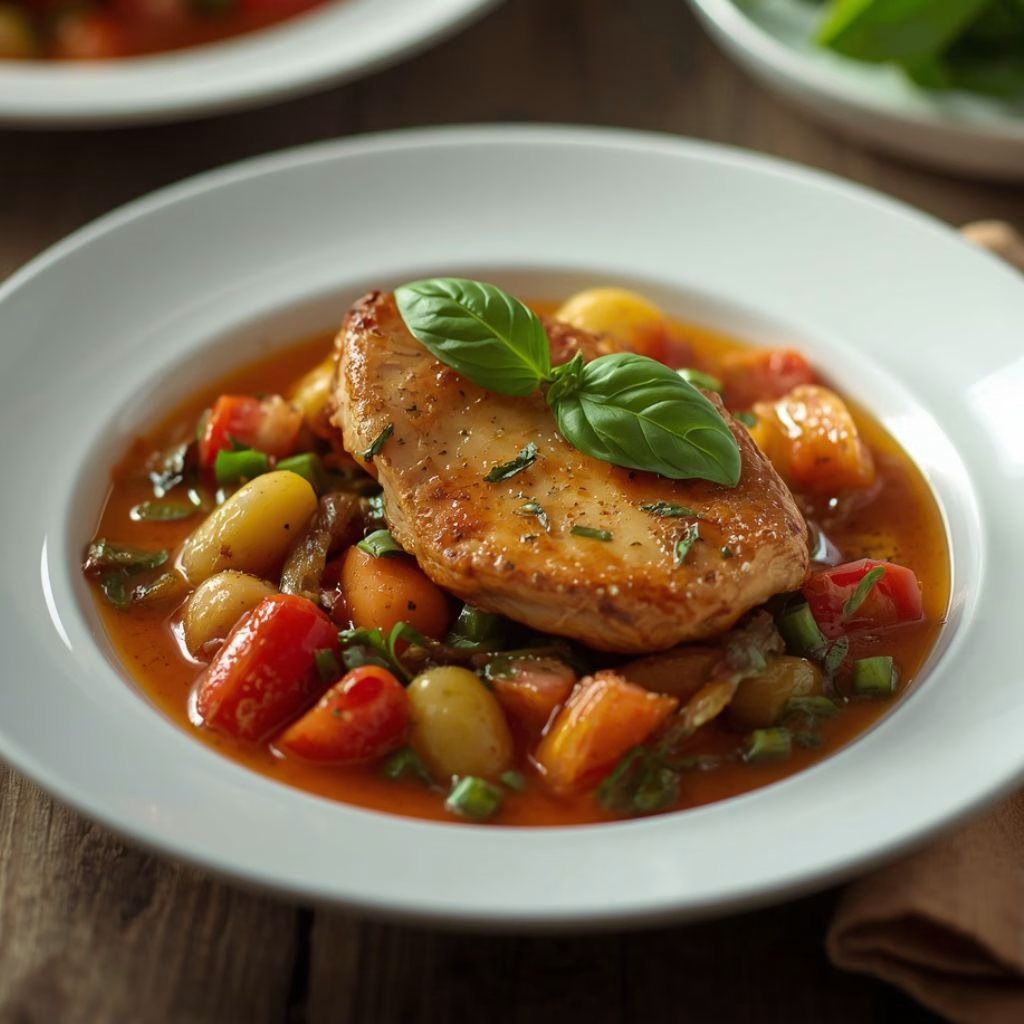
I first made this Tomato Basil Chicken Dinner Recipe on a night when my fridge only had a few tomatoes, some basil, and chicken breasts sitting around. I wasn’t expecting much, but the moment that pan sauce hit the chicken, I knew I had a new weeknight regular.
It’s the kind of dinner that looks like it took real effort, but it comes together in one skillet with almost no cleanup. Since then, I’ve made it more times than I can count, tweaking it a little each time until I landed on the version I’m sharing with you today. If you love juicy chicken smothered in a bright, garlicky tomato sauce, you’re going to want to keep this one on repeat.
Cooking Time
- Prep Time: 10 minutes
- Cooking Time: 20 minutes
- Total Time: 30 minutes
Ingredients
- 2 boneless, skinless chicken breasts, halved horizontally into thinner cutlets – thinner pieces cook faster and stay juicier
- Salt and black pepper, to taste – seasons every layer of the dish, don’t skip seasoning the flour too
- ¼ cup all-purpose flour – gives the chicken a light crust that helps thicken the sauce later
- 2 tablespoons unsalted butter – adds richness to both the sear and the finished sauce
- 1 tablespoon olive oil – keeps the butter from burning while the chicken sears
- 2 cloves garlic, minced – the backbone of flavor in the pan sauce
- 2 tablespoons diced shallot – brings a mellow, slightly sweet onion flavor
- 12 ounces mixed tomatoes, halved or cut into wedges – use whatever ripe tomatoes look best that day
- 1 tablespoon capers, drained – adds a salty, briny pop that balances the tomatoes
- ½ teaspoon red wine vinegar – brightens the sauce right before serving
- ¼ cup chicken broth – loosens the sauce so it coats the chicken nicely
- A generous handful of fresh basil leaves, torn – always use fresh basil here, dried basil won’t give you the same fragrance
Note: This recipe serves 4.
Equipment You Need
- Large skillet – for searing the chicken and building the sauce in one pan
- Sharp knife – for slicing the chicken breasts and prepping the tomatoes
- Cutting board – gives you a stable surface for slicing chicken and vegetables
- Tongs – makes flipping the chicken easy without piercing it
- Measuring spoons – keeps the seasoning and vinegar amounts accurate
- Mixing bowl – for tossing the flour with salt and pepper before dredging
How to Make Tomato Basil Chicken Dinner Recipe?
This recipe comes together in stages, and each one builds on the last. I like to have everything prepped before I turn on the stove, since the cooking itself moves quickly once you start. Here’s exactly how I make it from start to finish.
Prep the Chicken
I start by patting the chicken breasts dry with a paper towel, since dry chicken browns much better than wet chicken. I halve each breast horizontally into two thinner cutlets, then season both sides generously with salt and pepper. This step sets the foundation for a nicely seared, well-seasoned bite in every piece.

Dredge in Flour
Next, I spread the flour on a plate and season it with a pinch of salt and pepper. I press each chicken piece into the flour, coating it lightly on both sides and shaking off any excess. This thin coating is what gives the chicken a golden crust and helps the sauce cling to it later.

Sear the Chicken
I heat the butter and olive oil together in a large skillet over medium-high heat until the butter stops foaming. I lay the chicken in the pan without crowding it and let it cook undisturbed for about four minutes per side. I’m looking for a deep golden color before I flip, then I move the chicken to a plate once it’s cooked through.
Build the Tomato Basil Sauce
In the same skillet, I add the shallot and garlic, stirring for about a minute until they turn fragrant. I toss in the tomatoes and let them soften for a couple of minutes, releasing their juices into the pan. I pour in the chicken broth next, scraping up any browned bits from the bottom, since that’s where a lot of the flavor lives.
Finish and Combine
I stir in the capers and red wine vinegar, then let the sauce simmer for two to three minutes until it thickens slightly. I return the chicken to the pan, spooning the sauce over each piece so it soaks in the flavor. A quick simmer here lets everything come together as one cohesive dish.
Add Basil and Serve
Right before serving, I scatter the torn basil leaves generously over the top. The residual heat from the pan releases the basil’s aroma without wilting it into nothing. I like to finish with one more light crack of black pepper before bringing it straight to the table.
Additional Tips for Making This Recipe Better
I’ve made this dish enough times to know exactly what pushes it from good to great. These are the small adjustments that have made the biggest difference for me.
- I always use room-temperature chicken instead of cold-from-the-fridge, since it sears more evenly.
- I let my skillet get properly hot before adding the chicken, otherwise it steams instead of browning.
- I taste the sauce before adding salt, since the capers already bring a good amount of saltiness.
- I add the basil at the very end, never while the sauce is still bubbling hard.
- I use a mix of tomato varieties when I can, because it adds more depth than one single type.
Common Mistakes to Avoid
Over the years, I’ve made just about every mistake possible with this recipe, so I’m sharing them here to save you the trouble.
- I once overcrowded the skillet, and the chicken steamed instead of browning, so now I always cook in batches if needed.
- I used to skip drying the chicken first, which led to a pale, soggy crust instead of a golden one.
- I added the basil too early once, and it turned dark and lost its fresh flavor almost instantly.
- I didn’t scrape the pan before adding broth, and I missed out on so much flavor sitting at the bottom.
- I let the sauce simmer too long once, and it reduced down to almost nothing, so I keep a close eye on the timing now.
How to Serve Tomato Basil Chicken
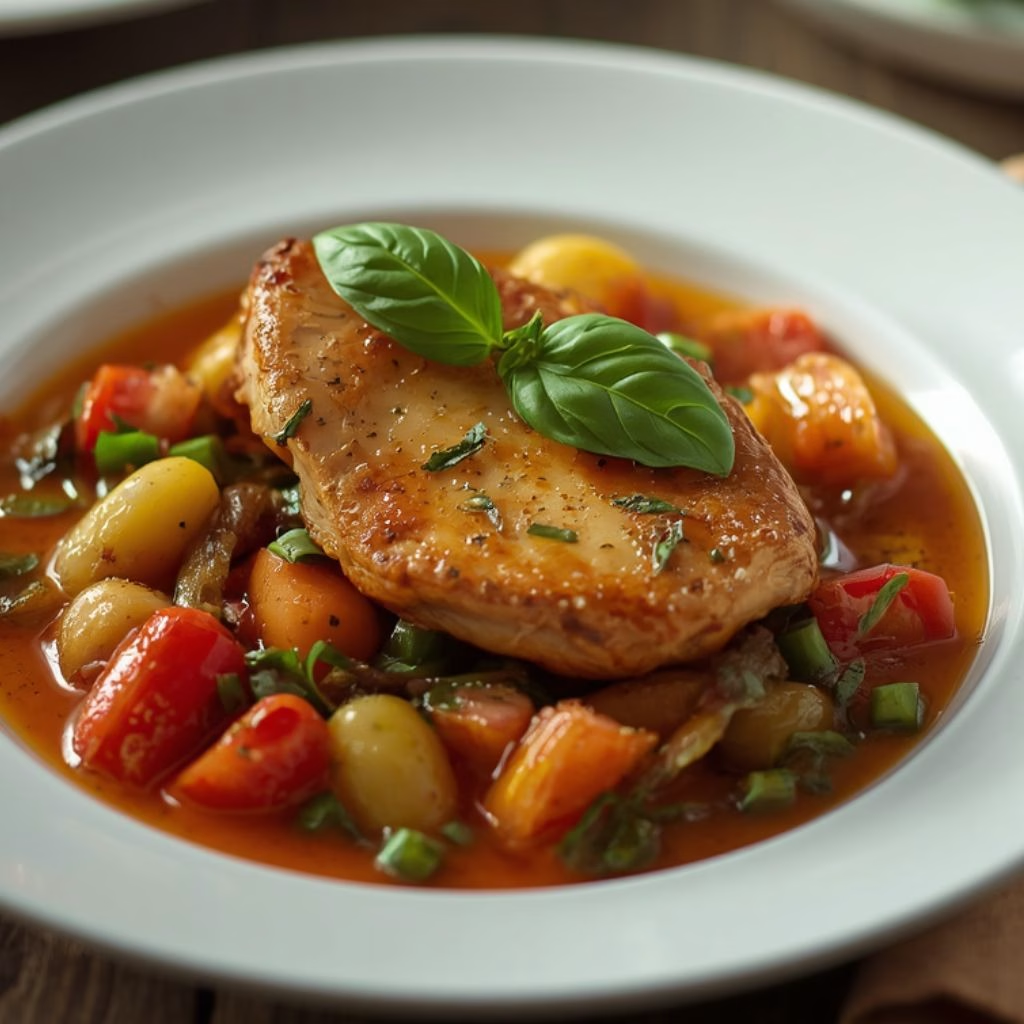
I like to plate this dish with the chicken slightly overlapping and the tomato sauce spooned generously over the top, letting some pool around the edges. A few extra whole basil leaves scattered on top right before serving make it look like it came from a restaurant kitchen.
Serving it alongside something that can soak up the sauce, like crusty bread or creamy mashed potatoes, makes the meal feel complete. For a lighter presentation, I sometimes serve it over a bed of arugula, which wilts slightly under the warm chicken and sauce.
Variations
- Swap the butter for olive oil throughout to make this dish fully dairy-free.
- Add a handful of shredded mozzarella over the chicken and broil for two minutes for a melty, cheesy finish.
- Stir in a splash of heavy cream at the end for a richer, creamier sauce.
- Toss the finished chicken and sauce with cooked pasta for an easy tomato basil chicken pasta dinner.
- Add sliced Kalamata olives and a pinch of oregano for a Mediterranean-inspired twist.
- Use crushed red pepper flakes if you like a little heat in your sauce.
Nutritional Information
Here’s a rough estimate of what one serving of this dish looks like, based on four servings total.
- Calories: 320 per serving
- Protein: 28 grams per serving
- Carbohydrates: 9 grams per serving
- Fat: 18 grams per serving
Make Ahead and Storage
You can prep the chicken and slice the vegetables up to a day ahead of time, storing them separately in the refrigerator until you’re ready to cook. This cuts your active cooking time down significantly on a busy weeknight.
Leftovers keep well in an airtight container in the refrigerator for up to 3 days. To reheat, warm gently in a covered skillet over low heat, adding a small splash of broth or water so the sauce doesn’t dry out.
This dish also freezes reasonably well for up to 2 months, though the tomatoes will soften further once thawed. I recommend thawing it overnight in the refrigerator before reheating on the stove.
Why You’ll Love This Recipe
This tomato basil chicken has earned its place in my regular dinner rotation for a few solid reasons, and I think it’ll do the same for you.
- It comes together in one skillet, which means fewer dishes and a faster cleanup after a long day.
- The ingredient list is short and mostly pantry-friendly, so I rarely need a special grocery trip to make it.
- It’s easy to dress up or down, whether I’m serving it plain over rice or turning it into a creamy pasta night.
- The fresh basil and bright tomatoes make it feel like a warm-weather dish, even in the middle of winter.
- It reheats well, so I often make extra just to have a ready-made lunch the next day.
FAQs
What to serve with tomato basil chicken?
I love pairing it with crusty bread, garlic mashed potatoes, or a simple green salad. Rice and roasted vegetables also work well if you want something a bit heartier.
How do I make one pan of garlic tomato basil chicken?
Just add an extra clove or two of minced garlic when you build the sauce, right alongside the shallot. Everything still cooks in the same single skillet from start to finish.
Can I use this as a basic tomato basil chicken breast recipe for meal prep?
Yes, it holds up nicely for meal prep. Store it in individual containers with a bit of extra sauce so the chicken doesn’t dry out when reheated.
How is baked tomato basil chicken different from this stovetop version?
Baking involves less hands-on time but a longer cook, usually around 25 to 30 minutes at 400°F. This stovetop method gives you more control over how the sauce reduces.
How do I turn this into a Mediterranean basil chicken recipe?
Add Kalamata olives, a little crumbled feta, and a pinch of oregano to the finished sauce. It brings a briny, herby twist that pairs beautifully with the tomatoes.
Can I make chicken tomato basil mozzarella with this recipe?
Definitely. Lay a slice of fresh mozzarella over each chicken piece after returning it to the pan, then cover briefly until it melts.
How do I make this a creamy tomato basil chicken?
Stir in a splash of heavy cream during the last few minutes of simmering the sauce. It mellows the acidity and adds a silky texture.
Can I turn this into tomato basil chicken pasta?
Yes, slice the cooked chicken and toss everything, sauce included, with your favorite cooked pasta. A splash of reserved pasta water helps the sauce coat every strand.

Tomato Basil Chicken Dinner Recipe
Ingredients
Method
- I start by patting the chicken breasts dry with a paper towel, since dry chicken browns much better than wet chicken. I halve each breast horizontally into two thinner cutlets, then season both sides generously with salt and pepper. This step sets the foundation for a nicely seared, well-seasoned bite in every piece.
- Next, I spread the flour on a plate and season it with a pinch of salt and pepper. I press each chicken piece into the flour, coating it lightly on both sides and shaking off any excess. This thin coating is what gives the chicken a golden crust and helps the sauce cling to it later.
- I heat the butter and olive oil together in a large skillet over medium-high heat until the butter stops foaming. I lay the chicken in the pan without crowding it and let it cook undisturbed for about four minutes per side. I’m looking for a deep golden color before I flip, then I move the chicken to a plate once it’s cooked through.
- In the same skillet, I add the shallot and garlic, stirring for about a minute until they turn fragrant. I toss in the tomatoes and let them soften for a couple of minutes, releasing their juices into the pan. I pour in the chicken broth next, scraping up any browned bits from the bottom, since that’s where a lot of the flavor lives.
- I stir in the capers and red wine vinegar, then let the sauce simmer for two to three minutes until it thickens slightly. I return the chicken to the pan, spooning the sauce over each piece so it soaks in the flavor. A quick simmer here lets everything come together as one cohesive dish.
- Right before serving, I scatter the torn basil leaves generously over the top. The residual heat from the pan releases the basil’s aroma without wilting it into nothing. I like to finish with one more light crack of black pepper before bringing it straight to the table.
Notes
- I always use room-temperature chicken instead of cold-from-the-fridge, since it sears more evenly.
- I let my skillet get properly hot before adding the chicken, otherwise it steams instead of browning.
- I taste the sauce before adding salt, since the capers already bring a good amount of saltiness.
- I add the basil at the very end, never while the sauce is still bubbling hard.
- I use a mix of tomato varieties when I can, because it adds more depth than one single type.