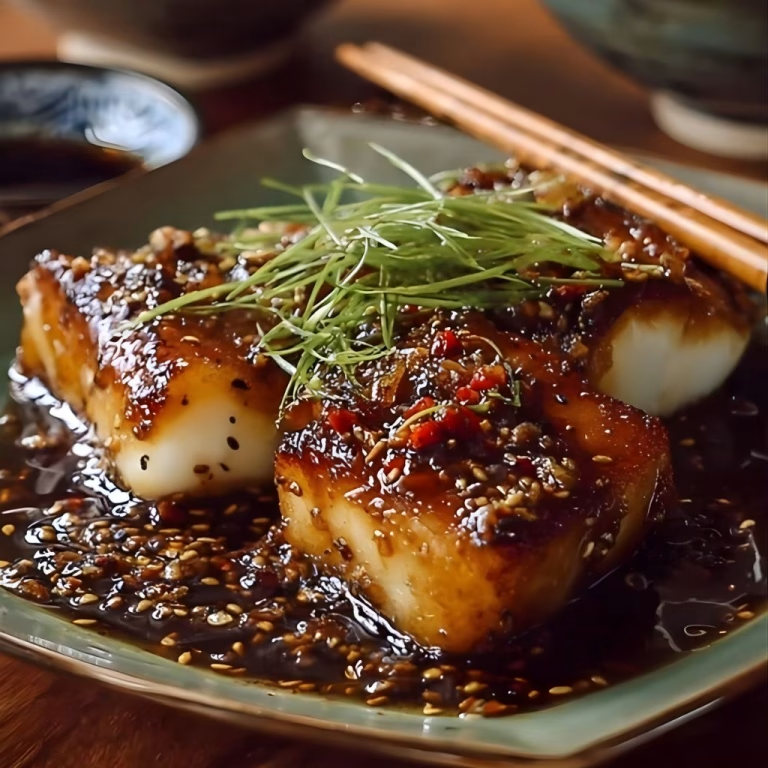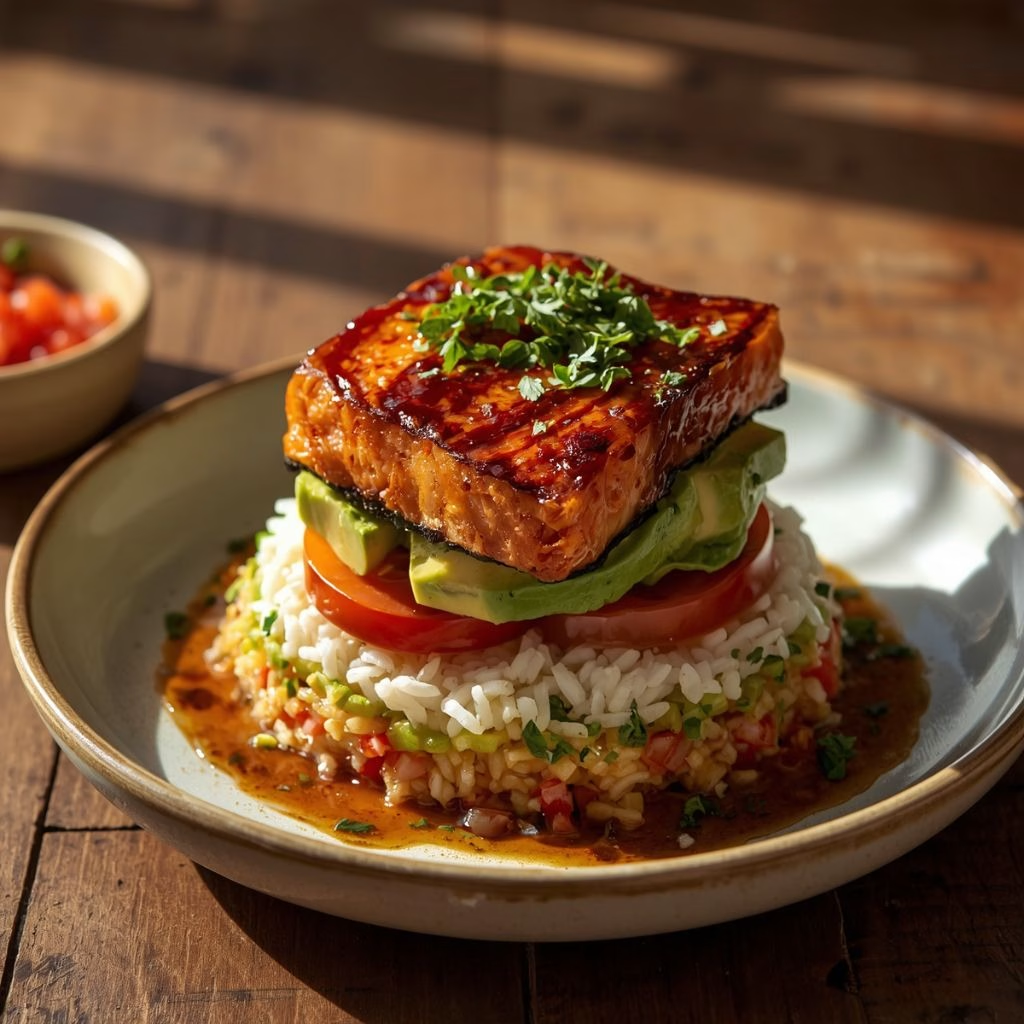
I recently made this Teriyaki Salmon Avocado Rice Stack Recipe, and I honestly couldn’t stop admiring how beautiful it looked on the plate. The layers of tender salmon, creamy avocado, and seasoned rice create the perfect balance of texture and flavor. What I loved most was how fresh and satisfying every bite tasted without feeling too heavy.
The homemade teriyaki glaze gives the salmon a rich, slightly sweet finish that pairs perfectly with the cool avocado. If you enjoy restaurant-style meals that are surprisingly easy to make at home, this recipe is definitely worth trying.
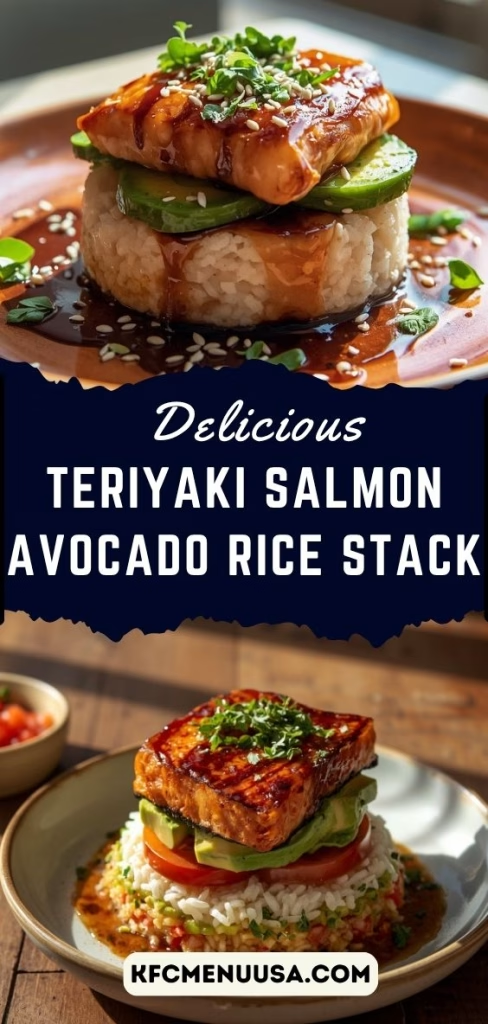
Ingredients
This recipe uses fresh ingredients that work together to create a balanced and delicious dish. Using quality ingredients makes a big difference in both flavor and presentation.
- 2 salmon fillets (about 6 ounces each) – Fresh salmon gives the best texture and flavor. Skinless fillets work best for stacking neatly.
- 2 cups of cooked sushi rice – Slightly sticky rice helps the stack hold its shape better than regular long-grain rice.
- 1 large avocado, diced – Choose a ripe but firm avocado so it keeps its shape when layered.
- 3 tablespoons of teriyaki sauce – Homemade or high-quality bottled sauce adds rich umami flavor.
- 1 tablespoon soy sauce – Helps deepen the savory taste of the salmon.
- 1 teaspoon sesame oil – Adds a nutty aroma and authentic Asian-inspired flavor.
- 1 teaspoon honey – Balances the salty ingredients with a touch of sweetness.
- 1 teaspoon rice vinegar – Brightens the rice and enhances freshness.
- 1 teaspoon sesame seeds – Perfect for garnish and a little crunch.
- 2 green onions, thinly sliced – Adds freshness and mild onion flavor.
- 1 teaspoon sriracha (optional) – Great for adding a little heat.
- 1 cucumber, finely diced – Adds crisp texture and freshness.
- Salt and black pepper to taste – Essential for seasoning the salmon properly.
- Cooking spray or 1 tablespoon olive oil – Prevents sticking while cooking the salmon.
Note: The ingredients listed above make approximately 2 to 3 servings depending on portion size.
Variations
You can easily customize this recipe to match your taste preferences or dietary needs.
- Replace salmon with tuna, shrimp, or tofu for a different protein option.
- Use brown rice or cauliflower rice for a lighter and healthier variation.
- Add mango chunks for a sweet tropical flavor twist.
- Swap teriyaki sauce with spicy mayo for a creamy and spicy version.
- Make it dairy-free naturally since this recipe contains no dairy ingredients.
- Add edamame or shredded carrots for extra texture and nutrition.
- Use low-sodium soy sauce if you prefer a less salty flavor.
Cooking Time
This recipe comes together quickly, making it ideal for busy weeknights or light lunches.
- Prep Time: 20 minutes
- Cooking Time: 10 minutes
- Total Time: 30 minutes
Equipment You Need
Having the right tools makes the cooking and stacking process much easier.
- Mixing bowl – For seasoning the rice and marinating the salmon.
- Non-stick skillet – Helps cook the salmon evenly without sticking.
- Rice cooker or saucepan – Used to prepare fluffy sushi rice.
- Sharp knife – Essential for neatly dicing avocado and cucumber.
- Measuring spoons – Helps keep the sauce balanced and flavorful.
- Food ring mold or measuring cup – Shapes the rice stack neatly for presentation.
- Spatula – Useful for flipping the salmon carefully while cooking.
How to Make Teriyaki Salmon Avocado Rice Stack Recipe?
This recipe may look fancy, but it is actually very simple once you prepare all the ingredients. The secret is building fresh layers with balanced flavors and textures.
Prepare the Rice
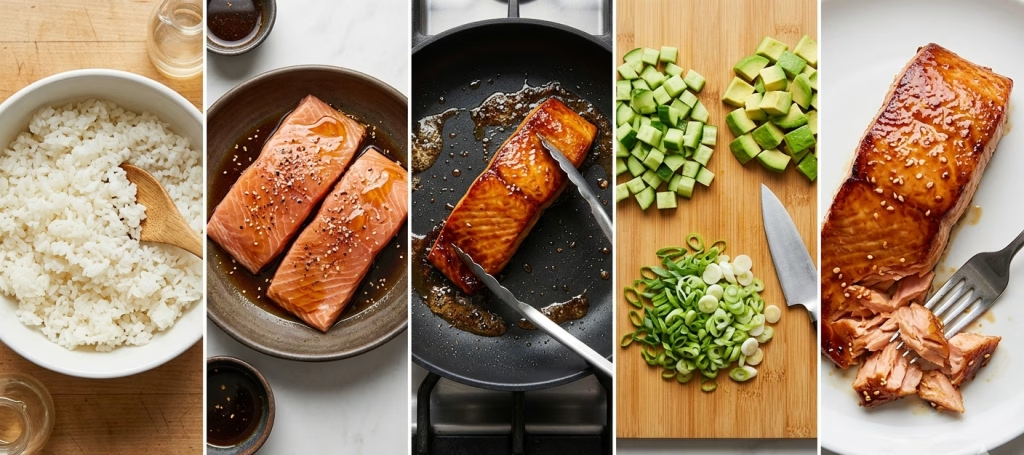
Cook the sushi rice according to package instructions until soft and slightly sticky. Once cooked, let it cool for a few minutes before mixing in rice vinegar for extra flavor. The rice should be easy to shape without becoming mushy.
Marinate the Salmon
Place the salmon fillets in a bowl and season with soy sauce, sesame oil, honey, salt, and black pepper. Let the salmon marinate for at least 10 minutes so it absorbs the savory teriyaki flavors. This quick step makes the fish incredibly flavorful.
Cook the Salmon
Heat a non-stick skillet over medium heat and lightly grease it with oil or cooking spray. Cook the salmon for about 4 to 5 minutes on each side until tender and slightly caramelized. Brush extra teriyaki sauce on top while cooking for a glossy finish.
Prepare the Vegetables
Dice the avocado and cucumber into small even pieces for easier layering. Slice the green onions thinly so they blend nicely into the stack. Keeping everything evenly chopped helps create a cleaner presentation.
Flake the Salmon
Once the salmon cools slightly, gently break it into bite-sized flakes using a fork. Remove any remaining bones or skin carefully before stacking. The flaky texture helps distribute flavor evenly in every layer.
Assemble the Rice Stack
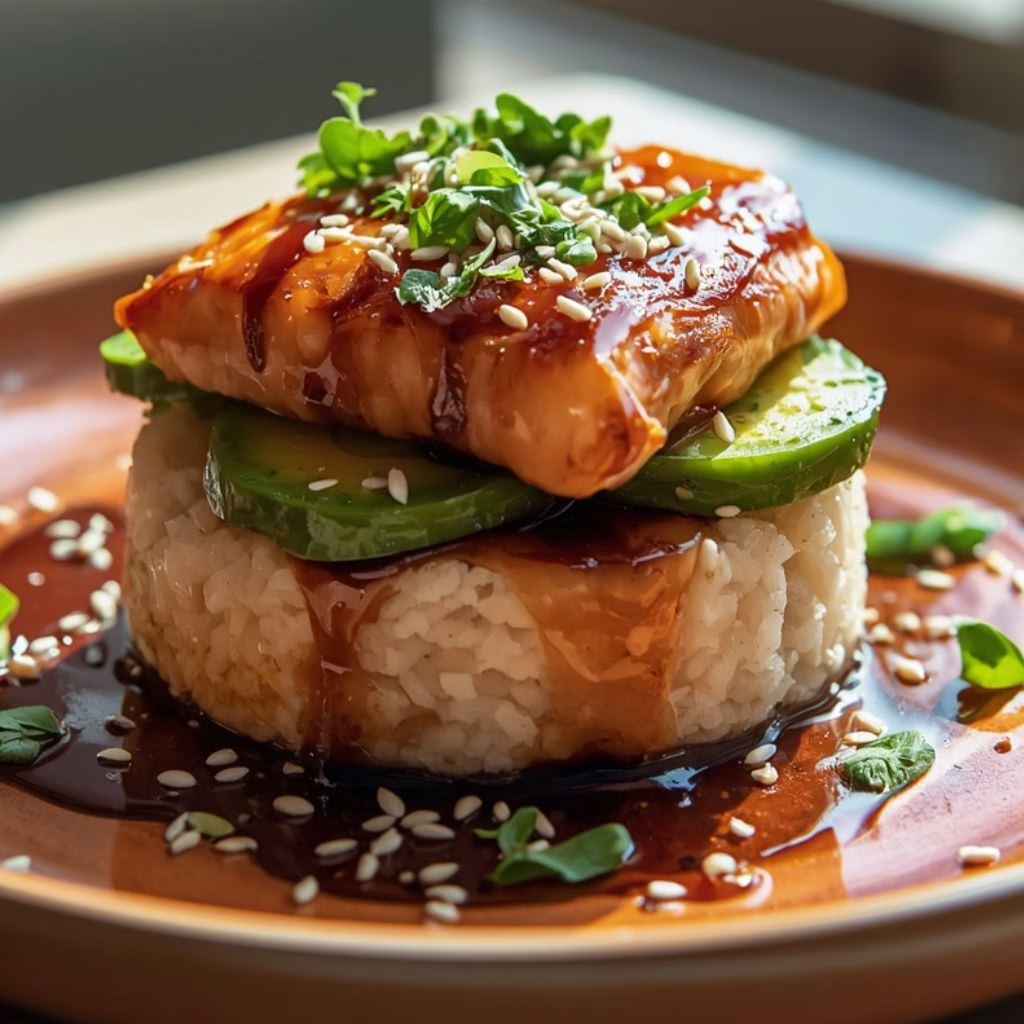
Place a food ring mold or measuring cup on the serving plate and start with a layer of rice. Press gently to create a stable base, then add cucumber, avocado, and salmon layers. Repeat gently until the stack looks tall and structured.
Add Garnishes
Carefully remove the mold to reveal the layered stack underneath. Sprinkle sesame seeds and sliced green onions over the top for extra flavor and visual appeal. Add a drizzle of teriyaki sauce or sriracha for a final touch.
Serve Immediately
Serve the rice stack fresh while the salmon is still slightly warm and the avocado remains creamy. The contrast between warm salmon and cool vegetables makes every bite refreshing. Enjoy it as a light dinner, lunch, or impressive appetizer. It also pairs nicely with sides like flaky-honey-brioche-bread-recipe or honey-oat-bread-recipe for a more filling and comforting meal experience.
Additional Tips for Making This Recipe Better
After making this recipe several times, I discovered a few small tricks that really improve the flavor and texture.
- I always use freshly cooked rice because cold rice becomes too firm and doesn’t stack as nicely.
- I found that slightly under-ripe avocados hold their shape better and don’t turn mushy.
- I like adding a little extra teriyaki sauce right before serving for more flavor.
- I sometimes chill the cucumber before chopping because it makes the stack feel extra refreshing.
- I prefer pan-searing the salmon instead of baking because it creates a better caramelized surface.
- I learned that pressing the layers gently prevents the stack from collapsing on the plate.
How to Serve Teriyaki Salmon Avocado Rice Stack Recipe?
This dish looks elegant enough for special occasions but is simple enough for everyday meals. Presentation makes a huge difference with layered recipes like this one.
Serve the rice stack on a white plate to make the colorful layers stand out beautifully. Garnish with extra sesame seeds, green onions, and thin cucumber slices for a fresh finish. You can also serve it with miso soup, seaweed salad, or steamed edamame for a complete meal.
For a spicy twist, drizzle sriracha mayo or spicy teriyaki sauce over the top right before serving. If you’re entertaining guests, make smaller individual stacks for a restaurant-style presentation.
Nutritional Information
This recipe offers a balanced combination of healthy fats, protein, and carbohydrates.
- Calories: Approximately 450 calories per serving.
- Protein: Around 28 grams from salmon and rice.
- Carbohydrates: Approximately 38 grams depending on the rice used.
- Fat: Around 18 grams, mainly from avocado and salmon.
Make Ahead and Storage
This recipe can easily be prepared ahead for quick meals during the week. Proper storage helps maintain freshness and texture.
Refrigerating
Store the salmon, rice, and vegetables separately in airtight containers in the refrigerator. They stay fresh for up to 2 days when properly stored. Keeping ingredients separate prevents the avocado from becoming soggy.
Freezing
The cooked salmon can be frozen for up to 2 months in a sealed freezer-safe container. However, avocado and cucumber should always be prepared fresh because they lose texture after freezing. Freeze only the salmon and rice for best results.
Reheating
Reheat the salmon gently in a skillet or microwave until just warm. Avoid overheating because salmon can dry out quickly. Assemble the stack fresh after reheating for the best flavor and presentation.
Why You’ll Love This Recipe?
This recipe combines fresh ingredients, vibrant colors, and bold flavors into one satisfying meal. It is both visually stunning and incredibly delicious.
- Easy Yet Impressive
Even though the dish looks restaurant-quality, the steps are surprisingly simple. It’s perfect for both beginners and experienced home cooks. - Healthy and Balanced
The salmon provides protein and healthy fats, while avocado adds creaminess and nutrients. The rice gives just enough comfort without feeling heavy. - Customizable for Different Diets
You can easily switch ingredients to fit your preferences or dietary goals. Brown rice, tofu, or extra vegetables all work beautifully. - Perfect for Meal Prep
I love that the ingredients can be prepared ahead of time for quick lunches or dinners. It saves time while still tasting fresh. - Beautiful Presentation
The colorful layers make this recipe look elegant and eye-catching. It’s a great choice for entertaining guests or creating a café-style meal at home.

Teriyaki Salmon Avocado Rice Stack Recipe
Ingredients
Method
- Cook the sushi rice according to package instructions until soft and slightly sticky. Once cooked, let it cool for a few minutes before mixing in rice vinegar for extra flavor. The rice should be easy to shape without becoming mushy.
- Place the salmon fillets in a bowl and season with soy sauce, sesame oil, honey, salt, and black pepper. Let the salmon marinate for at least 10 minutes so it absorbs the savory teriyaki flavors. This quick step makes the fish incredibly flavorful.
- Heat a non-stick skillet over medium heat and lightly grease it with oil or cooking spray. Cook the salmon for about 4 to 5 minutes on each side until tender and slightly caramelized. Brush extra teriyaki sauce on top while cooking for a glossy finish.
- Dice the avocado and cucumber into small even pieces for easier layering. Slice the green onions thinly so they blend nicely into the stack. Keeping everything evenly chopped helps create a cleaner presentation.
- Once the salmon cools slightly, gently break it into bite-sized flakes using a fork. Remove any remaining bones or skin carefully before stacking. The flaky texture helps distribute flavor evenly in every layer.
- Place a food ring mold or measuring cup on the serving plate and start with a layer of rice. Press gently to create a stable base, then add cucumber, avocado, and salmon layers. Repeat gently until the stack looks tall and structured.
- Carefully remove the mold to reveal the layered stack underneath. Sprinkle sesame seeds and sliced green onions over the top for extra flavor and visual appeal. Add a drizzle of teriyaki sauce or sriracha for a final touch.
- Serve the rice stack fresh while the salmon is still slightly warm and the avocado remains creamy. The contrast between warm salmon and cool vegetables makes every bite refreshing. Enjoy it as a light dinner, lunch, or impressive appetizer.
Notes
- I always use freshly cooked rice because cold rice becomes too firm and doesn’t stack as nicely.
- I found that slightly under-ripe avocados hold their shape better and don’t turn mushy.
- I like adding a little extra teriyaki sauce right before serving for more flavor.
- I sometimes chill the cucumber before chopping because it makes the stack feel extra refreshing.
- I prefer pan-searing the salmon instead of baking because it creates a better caramelized surface.
- I learned that pressing the layers gently prevents the stack from collapsing on the plate.