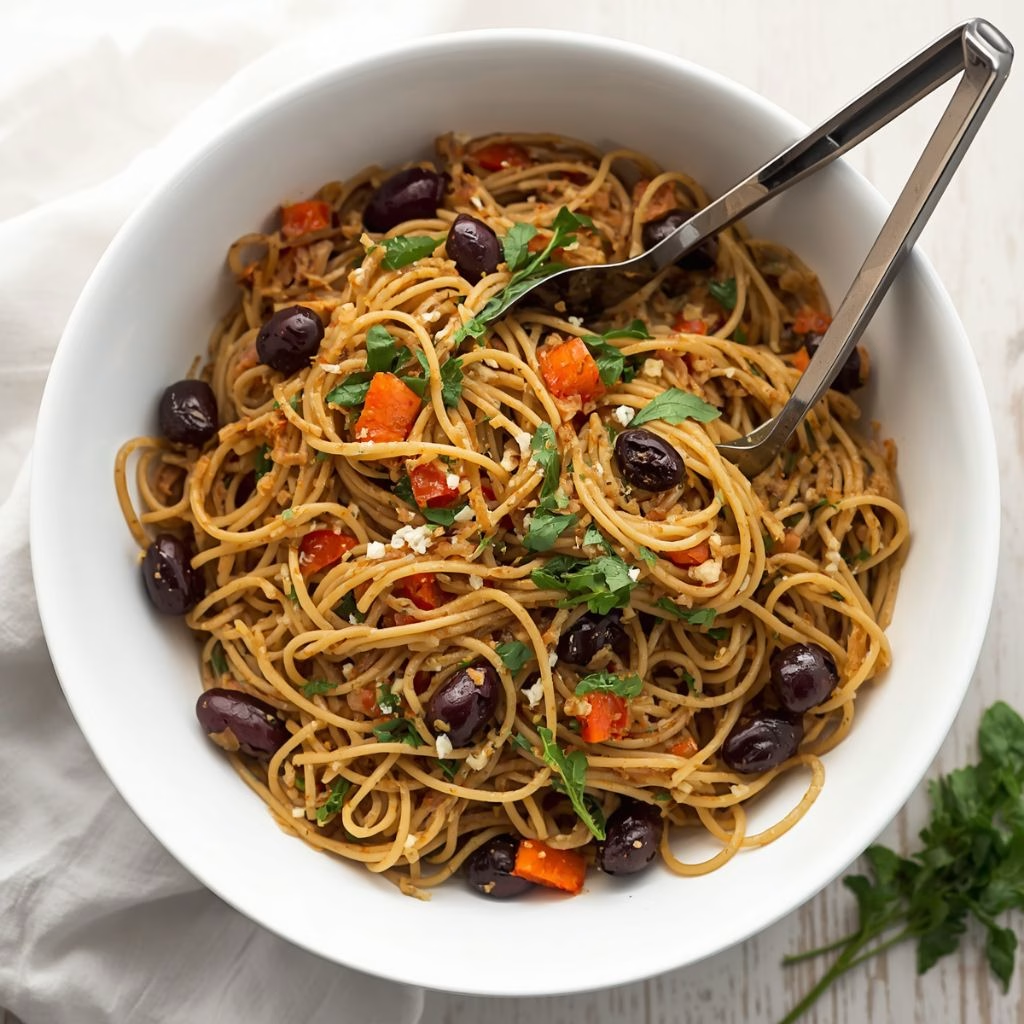
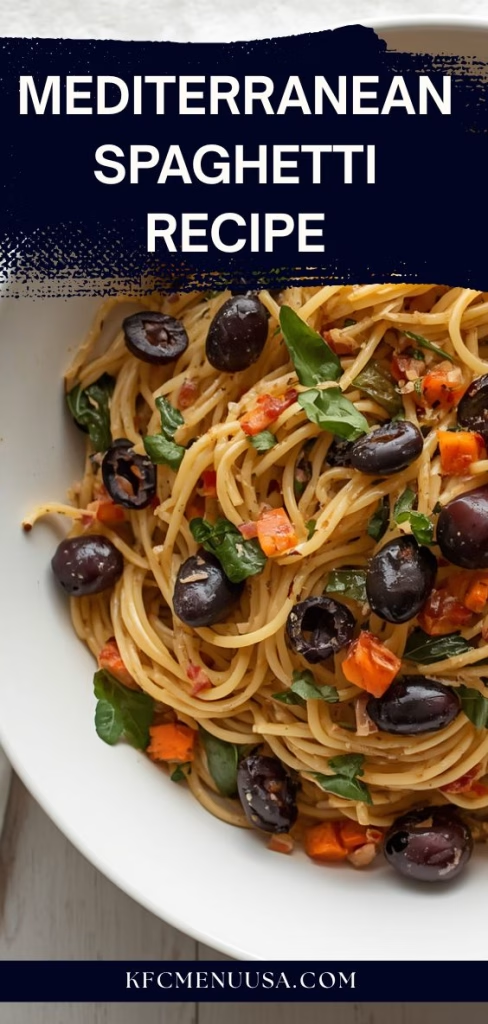
I still remember the first time I tossed spaghetti with a skillet full of blistered tomatoes, briny olives, and wilted spinach, and I knew I had a new weeknight staple. I love how this Mediterranean Spaghetti Recipe comes together in one pan while I’m still washing the cutting board.
It’s the kind of recipe I turn to when I want something that feels indulgent but is secretly packed with vegetables. Every time I make it, I end up tweaking the mix based on whatever herbs and produce I have on hand.
If you’re looking for a fast, colorful pasta that tastes like it took a lot more effort than it did, this one is for me and hopefully for you too.
Ingredients
- Spaghetti (12 oz / 340 g) – I like thin strands here, so spaghettini or angel hair works just as well if that’s what’s in the pantry.
- Extra virgin olive oil (4 tablespoons, divided) – use a good-quality oil since so much of the flavor in this dish comes from it, especially the finishing drizzle.
- Garlic (4 cloves, minced) – fresh cloves make a real difference here; the jarred stuff tends to taste flat once it cooks down.
- Cherry or grape tomatoes (2 cups, halved) – these break down into a light sauce faster than large tomatoes and taste sweeter too.
- Bell pepper (1, diced) – any color works, though red or yellow adds a nice pop against the green spinach.
- Kalamata olives (1/2 cup, pitted and halved) – their salty tang deepens the whole dish, so don’t skip them even if olives aren’t usually your favorite.
- Baby spinach (3 cups, fresh) – always use fresh, never frozen, since frozen spinach releases too much water and turns the dish mushy.
- Fresh basil (1/4 cup, torn) – added at the very end so it stays bright and fragrant instead of wilting into nothing.
- Lemon (1, juiced and zested) – this lifts every other flavor and keeps the dish from tasting heavy.
- Red pepper flakes (1/2 teaspoon) – adjust up or down depending on how much heat you like.
- Salt and black pepper (to taste) – season in layers, not all at once, so you can taste as you go.
- Parmesan cheese (1/2 cup, freshly grated, optional) – grate it yourself right before serving, since pre-shredded cheese doesn’t melt or taste the same.
Note: These quantities are written to serve 3 to 4 people generously, so adjust up if you’re cooking for a bigger group or want leftovers for lunch the next day.
Variations
- Dairy-free: leave out the Parmesan entirely, or swap in nutritional yeast for a similar savory note.
- Extra protein: stir in grilled chicken, shrimp, or chickpeas once the sauce has come together.
- Cheese swap: try crumbled feta or fresh mozzarella instead of Parmesan for a creamier, tangier finish.
- Whole-grain option: use whole-wheat or chickpea spaghetti to boost fiber without changing the method.
- More veggies, less pasta: double the vegetables and use half the pasta if you want a lighter, lower-carb version.
- Add-ins for extra flavor: try artichoke hearts, capers, sun-dried tomatoes, or a handful of pine nuts for texture.
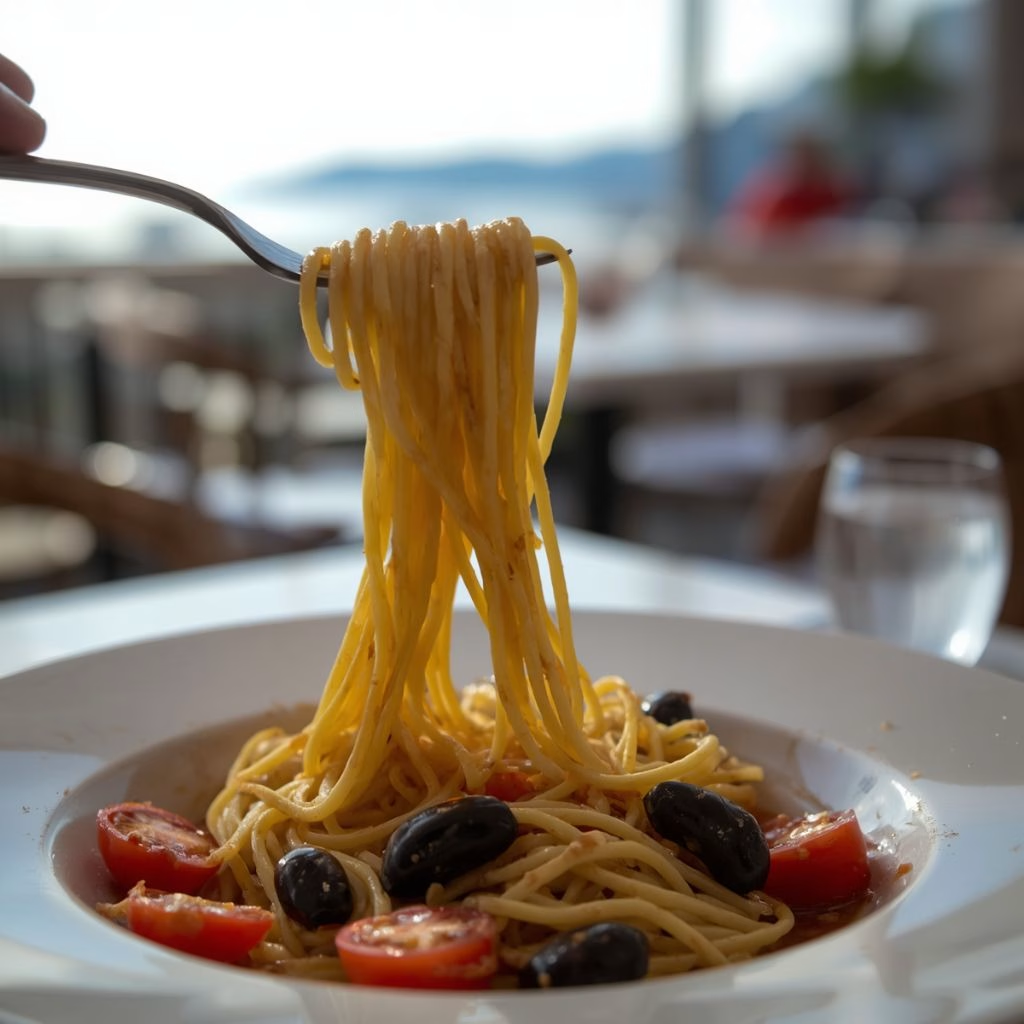
Cooking Time
- Prep Time: 10 minutes
- Cooking Time: 12 minutes
- Total Time: 22 minutes
Equipment You Need
- Large pot – for boiling the spaghetti until al dente.
- Large skillet or wok – gives enough room to sauté the vegetables and toss the pasta in at the end.
- Colander – for draining the cooked pasta.
- Zester or fine grater – for the lemon zest and fresh Parmesan.
- Wooden spoon or tongs – makes tossing the pasta and sauce together much easier.
How to Make Mediterranean Spaghetti?
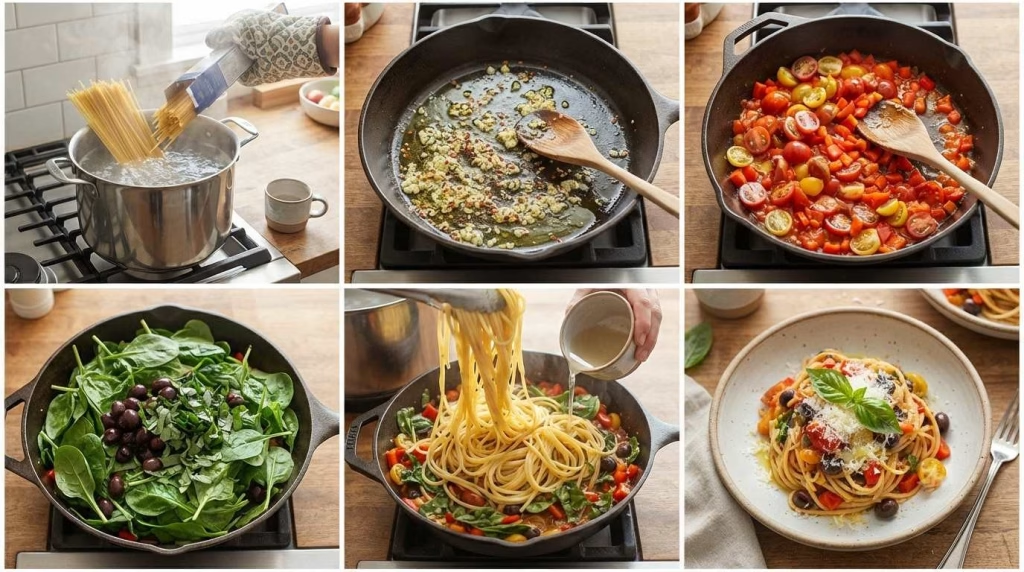
Cooking this dish is really just two things happening at once: pasta boiling and vegetables softening in a skillet. Once both are ready, you fold everything together in under a minute. It’s a forgiving recipe, so don’t stress over exact timing.
Step 1: Cook the Pasta
Bring a large pot of salted water to a boil and add the spaghetti. Cook according to the package directions until al dente, then reserve a small cup of the pasta water before draining. That starchy water comes in handy if the sauce needs loosening later.
Step 2: Sauté the Aromatics
While the pasta cooks, warm two tablespoons of olive oil in a large skillet over medium heat. Add the garlic and red pepper flakes, stirring for about a minute until fragrant. Keep the heat moderate so the garlic doesn’t turn bitter.
Step 3: Cook the Vegetables
Add the bell pepper and cherry tomatoes to the skillet and cook for four to five minutes, pressing gently so the tomatoes start to burst and release their juices. This forms the light, chunky sauce that coats the noodles later.
Step 4: Add the Olives, Spinach, and Basil
Stir in the olives, then add the spinach and basil. Cook for about a minute, just until the spinach wilts down. This step goes fast, so keep everything moving in the pan.
Step 5: Toss in the Pasta
Add the drained spaghetti straight into the skillet along with the remaining olive oil, lemon juice, and zest. Toss everything together, adding a splash of the reserved pasta water if the mixture looks dry.
Step 6: Season and Serve
Taste and adjust the salt, pepper, and lemon as needed. Finish with freshly grated Parmesan if using, then serve right away while everything is still warm and vibrant.
Additional Tips for Making This Recipe Better
- If I’m serving this meal for a casual gathering, I sometimes pair it with a Viral Starburst Drip Cocktail Recipe to add a colorful and refreshing drink to the table.
- I’ve learned not to overcook the spinach and basil; a quick wilt keeps the color and flavor much fresher.
- I like to reserve extra pasta water on purpose, even if I think I won’t need it, because it saves the dish if the sauce turns dry.
- I finish with a drizzle of good olive oil right before serving, not just during cooking, since it adds a noticeably richer flavor.
- I try to cut the vegetables roughly the same size so everything cooks evenly in the same few minutes.
How to Serve Mediterranean Spaghetti?
I like to serve this pasta family-style in one big shallow bowl, so the colors of the tomatoes, olives, and spinach really stand out. A final scatter of torn basil and a light dusting of Parmesan makes it look like it came from a restaurant kitchen.
For individual plates, twirl the pasta into neat nests using tongs, then top each one with a few extra olive halves and a lemon wedge on the side. A warm slice of crusty bread alongside is perfect for scooping up any extra sauce left in the bowl.
For a vibrant dinner pairing, a Fiery Dragonfruit Sunrise Cocktail Recipe complements the fresh Mediterranean flavors without overpowering them.
Nutritional Information
Here’s a rough idea of what one serving of this pasta looks like, though exact numbers will shift depending on your specific ingredients and portion size.
- Calories: approximately 420 per serving
- Protein: approximately 13 grams per serving
- Carbohydrates: approximately 58 grams per serving
- Fat: approximately 16 grams per serving
Make Ahead and Storage
Refrigerating: Store any leftovers in an airtight container in the fridge, where they’ll stay fresh for up to three days. The flavors actually deepen a bit overnight, so it often tastes just as good the next day.
Freezing: This pasta isn’t the best candidate for freezing since the spinach and tomatoes tend to turn watery once thawed. If you do freeze it, expect a softer texture when reheated.
Reheating: Warm leftovers gently in a skillet over medium-low heat with a splash of water or olive oil to loosen the sauce. The microwave works too, in short bursts, stirring in between so it heats evenly.
Why You’ll Love This Recipe?
This pasta earns a permanent spot in my regular rotation for a few simple reasons.
- It’s quick: the whole dish comes together in about 22 minutes, making it an easy option for busy weeknights.
- It’s flexible: I can swap in whatever vegetables or herbs I have on hand without ruining the dish.
- It fits different diets: leaving out the cheese or swapping the pasta makes it dairy-free or whole-grain friendly.
- It tastes even better as leftovers: the flavors settle and deepen, so I actually look forward to lunch the next day.
- It’s a full meal in one pan: between the pasta, vegetables, and cheese, I don’t feel like I need to make a separate side dish.

Mediterranean Spaghetti Recipe
Ingredients
Method
- Bring a large pot of salted water to a boil and add the spaghetti. Cook according to the package directions until al dente, then reserve a small cup of the pasta water before draining. That starchy water comes in handy if the sauce needs loosening later.
- While the pasta cooks, warm two tablespoons of olive oil in a large skillet over medium heat. Add the garlic and red pepper flakes, stirring for about a minute until fragrant. Keep the heat moderate so the garlic doesn’t turn bitter.
- Add the bell pepper and cherry tomatoes to the skillet and cook for four to five minutes, pressing gently so the tomatoes start to burst and release their juices. This forms the light, chunky sauce that coats the noodles later.
- Stir in the olives, then add the spinach and basil. Cook for about a minute, just until the spinach wilts down. This step goes fast, so keep everything moving in the pan.
- Add the drained spaghetti straight into the skillet along with the remaining olive oil, lemon juice, and zest. Toss everything together, adding a splash of the reserved pasta water if the mixture looks dry.
- Taste and adjust the salt, pepper, and lemon as needed. Finish with freshly grated Parmesan if using, then serve right away while everything is still warm and vibrant.
Notes
- I always taste as I go instead of measuring everything exactly, since the vegetables vary so much in sweetness and moisture.
- I’ve learned not to overcook the spinach and basil; a quick wilt keeps the color and flavor much fresher.
- I like to reserve extra pasta water on purpose, even if I think I won’t need it, because it saves the dish if the sauce turns dry.
- I finish with a drizzle of good olive oil right before serving, not just during cooking, since it adds a noticeably richer flavor.
- I try to cut the vegetables roughly the same size so everything cooks evenly in the same few minutes.