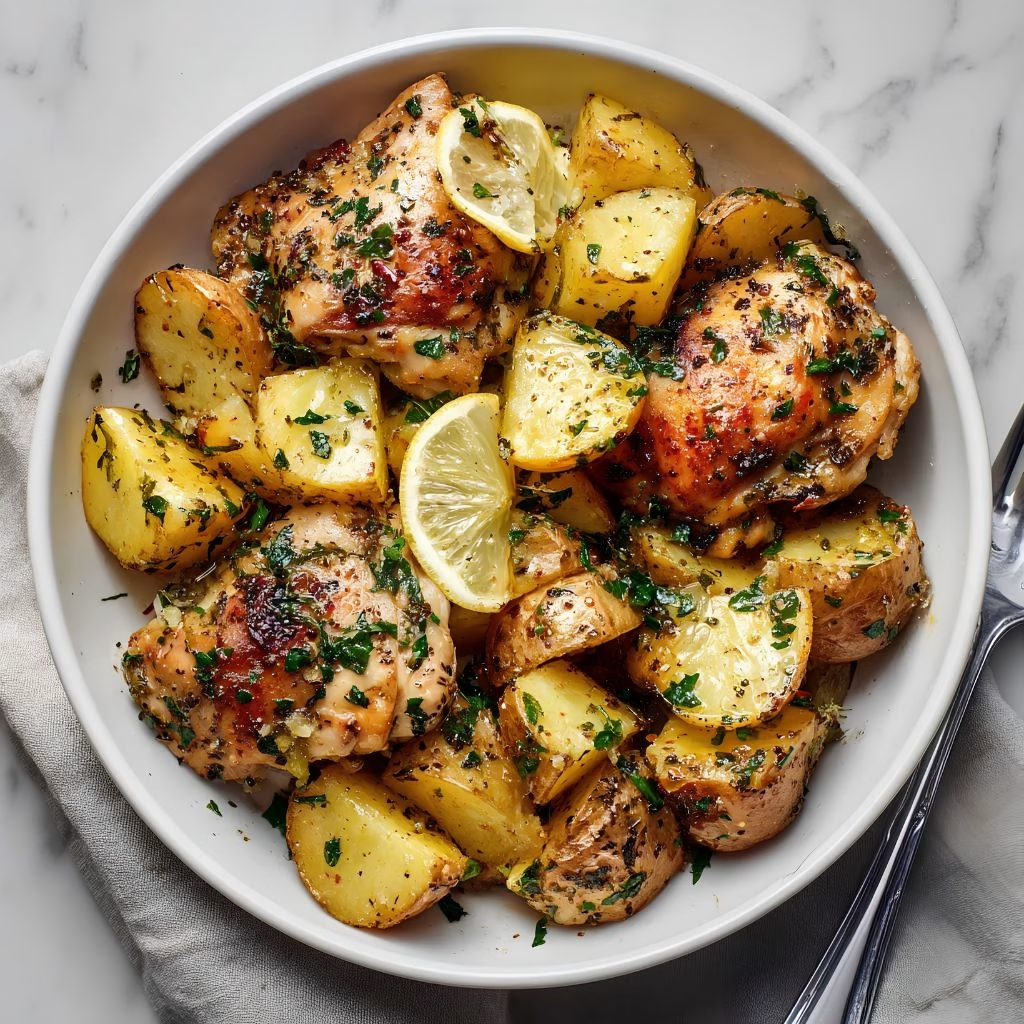
I still remember the first time I pulled this Greek Lemon Roast Chicken & Potatoes Recipe out of the oven and the whole kitchen smelled like a Greek taverna. I made it on a lazy Sunday when I wanted something comforting but didn’t want to babysit five different pots.
One pan, a handful of pantry staples, and about an hour later, I had juicy roasted chicken, golden lemony potatoes, and a crunchy cabbage salad on the side. Once you try it, I promise it becomes one of those recipes you make on repeat.

Cooking Time
- Prep Time: 15 minutes
- Cook Time: 1 hour 15 minutes
- Total Time: 1 hour 30 minutes
Ingredients You’ll Need
For the chicken and potatoes:
- 4 bone-in, skin-on chicken quarters – dark meat stays juicy and is far more forgiving than breast if you slightly overcook it
- 2 pounds yellow potatoes, peeled and quartered – Yukon Golds go tender inside while getting a little crisp on the edges
- 1/3 cup extra-virgin olive oil – a good Greek olive oil adds real depth, so don’t skimp on quality here
- 1/4 cup fresh lemon juice – always squeeze it fresh, the bottled version tastes flat and one-dimensional
- 6 to 8 garlic cloves, minced – Greek cooking never shies away from garlic, so be generous
- 1 tablespoon Dijon mustard – you won’t taste it directly, but it helps everything cling to the chicken as it cooks
- 1 tablespoon dried oregano – the backbone herb of Greek cooking, don’t leave it out
- 1 teaspoon dried thyme – pairs beautifully with the oregano for a rounder flavor
- 1 cup chicken broth – keeps the potatoes moist and turns into a flavorful pan sauce
- Salt and black pepper, to taste – season generously since potatoes need more salt than you’d expect
For the green cabbage salad:
- 4 cups shredded green cabbage – slice it thin so it stays crunchy but easy to chew
- 1/4 cup fresh dill, chopped – fresh dill is non-negotiable, dried dill just won’t taste the same
- 3 green onions, thinly sliced – adds a mild, fresh bite without overpowering the cabbage
- 1/2 cup crumbled feta cheese – block feta crumbled by hand tastes fresher than pre-crumbled bags
- 1/2 teaspoon dried oregano – ties the salad back to the same flavor profile as the chicken
- 3 tablespoons extra-virgin olive oil – dress it right before serving so the cabbage doesn’t wilt
- 1 tablespoon red wine vinegar – gives the salad its signature tang
- Salt and pepper, to taste – season the salad separately from the chicken
Note: This recipe serves 4 to 6 people comfortably, especially if you add a couple of extra chicken pieces for leftovers.
Equipment You’ll Need
- Large roasting tray or sheet pan – holds the chicken and potatoes in a single even layer
- Large mixing bowl – for tossing the chicken and potatoes with the marinade
- Parchment paper – creates a steam barrier so the chicken stays moist
- Aluminum foil – seals in the steam during the first phase of cooking
- Digital meat thermometer – takes the guesswork out of knowing when the chicken is done
- Sharp knife and cutting board – for prepping the potatoes, garlic, and cabbage salad
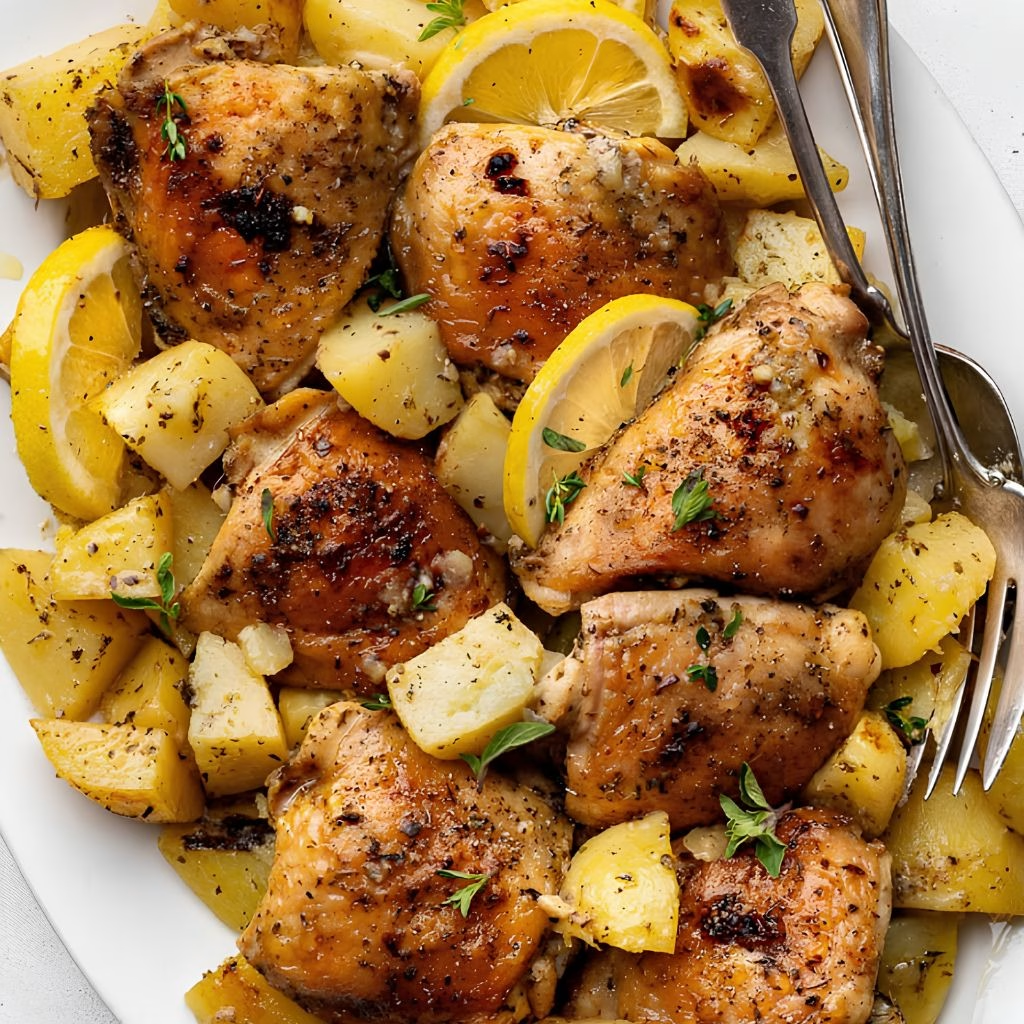
How to Make Greek Lemon Roast Chicken & Potatoes Recipe?
This recipe comes together in three easy phases: covered roasting, uncovered roasting, and a quick broil at the end. It sounds fussy, but it’s mostly hands-off time in the oven. Here’s exactly how I do it every time.
Step 1: Prep the Chicken and Potatoes
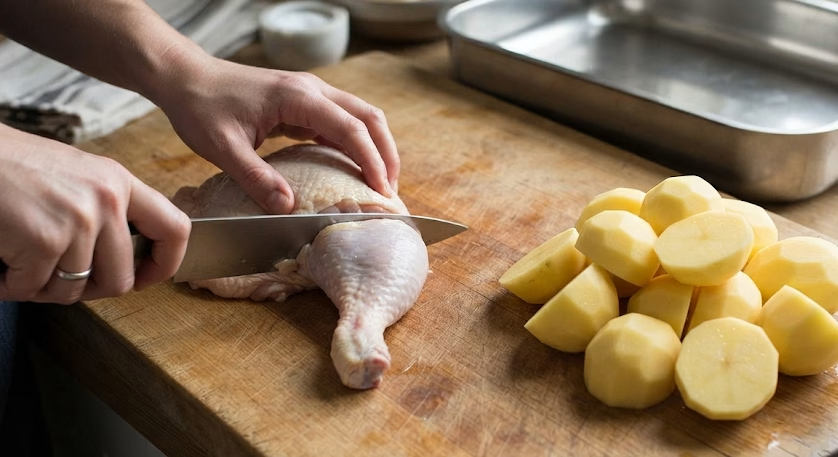
I start by separating the chicken quarters into drumsticks and thighs with one simple knife cut through the joint. This helps them cook more evenly and fit better in the tray. I peel and quarter the potatoes into even, chunky pieces so they cook at the same rate as the chicken.
Step 2: Mix the Marinade
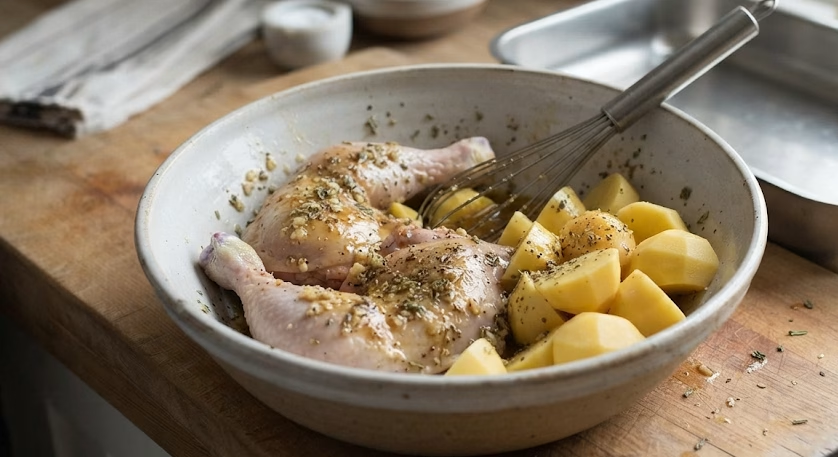
In a large bowl, I whisk together the olive oil, lemon juice, garlic, mustard, oregano, thyme, salt, and pepper, leaving the chicken broth out for now. I add the chicken and potatoes to the bowl and toss everything until well coated in the marinade.
Step 3: Arrange in the Roasting Tray
I spread the chicken and potatoes into a single layer in the roasting tray, placing the chicken skin-side up. I stretch the skin gently to cover as much of the meat as possible, since that’s what gives you crispy, golden skin later on.
Step 4: Add the Broth and Cover
Now I carefully pour the chicken broth over the potatoes, not directly onto the chicken, so I don’t wash off the marinade. I lay a piece of wet parchment paper over the tray, then seal it tightly with foil to trap steam.
Step 5: Roast Covered
I roast the tray at 425°F for about 45 minutes. This covered phase builds steam, keeps the chicken moist, and gives the potatoes a head start on becoming tender before the tray is uncovered.
Step 6: Roast Uncovered
Next, I remove the foil and parchment and roast uncovered for another 20 to 25 minutes. This is when the chicken and potatoes start to develop that gorgeous golden-brown color and the pan juices begin to concentrate, much like the rich flavors you get in the Cheesy Baked Chicken Breasts with Mushrooms Recipe.
Step 7: Broil to Finish
For the final 4 to 5 minutes, I switch the oven to broil so the chicken skin crisps up and the potatoes get slightly charred edges. I check the internal temperature of the chicken with a thermometer to confirm it has reached 165°F.
Step 8: Toss the Cabbage Salad
While the tray rests, I quickly toss the shredded cabbage, dill, green onions, feta, oregano, olive oil, vinegar, salt, and pepper together in a bowl. I like dressing it right before serving so it stays crisp.
Additional Tips for Making This Recipe Better
I’ve made this dish more times than I can count, and here’s what actually makes a difference for me:
- I always cut the potatoes slightly larger than I think I need, since they shrink a bit and can turn mushy if cut too small.
- I never skip the wet parchment paper step; it really does keep the chicken noticeably juicier.
- I keep my oven rack in the middle position so the broiling step browns everything evenly instead of burning just one side.
- I add a splash more warm broth at the end if the tray looks dry, because everyone always fights over the extra sauce, similar to the finishing touch used in the Ravioli Sauce Recipe.
- I let the chicken rest for five minutes after broiling so the juices redistribute instead of running out the moment I cut into it.
Common Mistakes to Avoid
- I used to throw everything in the tray without separating the chicken quarters, and it cooked unevenly every time.
- I once poured the broth directly over the chicken and it rinsed off half the marinade, so now I always pour it over the potatoes only.
- I’ve overcrowded the tray before, and it steamed the potatoes instead of letting them crisp up properly.
- I’ve walked away during the broiling step before, and that’s the fastest way to end up with burnt chicken skin.
- I used to skip the meat thermometer, but guessing led to dry chicken more than once, so now I always check for 165°F.
How to Serve Greek Lemon Roast Chicken & Potatoes?
I like piling the chicken and potatoes onto a large platter, then spooning the concentrated pan juices right over the top before bringing it to the table. A few lemon wedges tucked around the edges make it look extra inviting, along with a light scatter of fresh dill or parsley.
I always serve the cabbage salad in a separate bowl so it stays crunchy instead of getting soggy under the warm chicken. Crusty bread on the side is perfect for mopping up the leftover sauce, and a bowl of tzatziki never hurts either.
Variations
- Swap the chicken quarters for bone-in chicken breast if you prefer leaner meat, just watch the internal temperature closely.
- Use sweet potatoes instead of yellow potatoes for a slightly sweeter, more colorful version.
- Add shredded carrots or purple cabbage to the salad for extra color and crunch.
- Make it dairy-free by leaving the feta out of the cabbage salad or swapping in a dairy-free feta alternative.
- Stir a pinch of smoked paprika or chili flakes into the marinade if you like a little heat.
- Try a Middle Eastern twist by swapping oregano and thyme for cumin and sumac.
Nutritional Information
Here’s a rough estimate per serving, based on a recipe that serves 4 to 6:
- Calories: approximately 480 kcal
- Protein: approximately 32g
- Carbohydrates: approximately 28g
- Fat: approximately 26g
Make Ahead and Storage
Make Ahead: You can marinate the chicken and potatoes together up to 24 hours in advance in the fridge, which only deepens the flavor. If you’re short on time, though, it still tastes great cooked right away.
Storage: Leftovers keep well in an airtight container in the refrigerator for up to 3 to 4 days. The cabbage salad is best eaten fresh but holds up for about a day before it starts to soften.
Freezing: The cooked chicken and potatoes freeze well for up to 2 months in a freezer-safe container, though the potatoes may soften slightly once thawed.
Reheating: I reheat leftovers in the oven at 350°F until warmed through, which helps the chicken skin stay somewhat crisp instead of turning soggy like it does in the microwave.
Why You’ll Love This Recipe
This dish checks almost every box I look for in a weeknight dinner, and here’s why:
- One-Pan Convenience: Everything roasts together in a single tray, which means minimal prep work and barely any cleanup afterward.
- Big Mediterranean Flavor: Bright lemon, garlic, and oregano come together for a bold, comforting flavor without needing any hard-to-find ingredients.
- Naturally Gluten-Free: It’s made entirely from whole-food ingredients, so it fits gluten-free and grain-free diets without any substitutions needed.
- Great for Leftovers: I always make extra chicken pieces because it reheats beautifully for lunch the next day.
- Endlessly Customizable: Once you know the basic method, you can swap in different herbs, vegetables, or marinades to keep things interesting.
FAQs
Is this an authentic Greek lemon chicken and potatoes recipe?
Yes, this recipe follows the traditional Greek method known as kotopoulo me patates sto fourno, using lemon, garlic, oregano, and olive oil, the same core ingredients found in classic Greek kitchens.
What makes this the best Greek lemon roast chicken and potatoes recipe?
The three-phase roasting method is what sets it apart, since it keeps the chicken juicy while still giving the potatoes time to become tender and golden in the same tray.
Can I make this as a true one-pan Greek lemon chicken and potatoes meal?
Absolutely, everything from the chicken to the potatoes cooks in a single roasting tray, making cleanup quick and prep almost effortless.
How does this compare to other popular Greek lemon chicken and potatoes recipes online?
Many versions, whether inspired by food bloggers or family recipes, follow similar core ingredients, but small differences in roasting temperature, broth timing, and herb ratios can change the texture and flavor.
Can I substitute chicken breast in this recipe?
Yes, bone-in chicken breast works, but keep a close eye on the internal temperature since breast meat dries out much faster than thighs or drumsticks once it passes 165°F.

Greek Lemon Roast Chicken & Potatoes Recipe
Ingredients
Method
- I start by separating the chicken quarters into drumsticks and thighs with one simple knife cut through the joint. This helps them cook more evenly and fit better in the tray. I peel and quarter the potatoes into even, chunky pieces so they cook at the same rate as the chicken.
- In a large bowl, I whisk together the olive oil, lemon juice, garlic, mustard, oregano, thyme, salt, and pepper, leaving the chicken broth out for now. I add the chicken and potatoes to the bowl and toss everything until well coated in the marinade.
- I spread the chicken and potatoes into a single layer in the roasting tray, placing the chicken skin-side up. I stretch the skin gently to cover as much of the meat as possible, since that’s what gives you crispy, golden skin later on.
- Now I carefully pour the chicken broth over the potatoes, not directly onto the chicken, so I don’t wash off the marinade. I lay a piece of wet parchment paper over the tray, then seal it tightly with foil to trap steam.
- I roast the tray at 425°F for about 45 minutes. This covered phase builds steam, keeps the chicken moist, and gives the potatoes a head start on becoming tender before the tray is uncovered.
- Next, I remove the foil and parchment and roast uncovered for another 20 to 25 minutes. This is when the chicken and potatoes start to develop that gorgeous golden-brown color and the pan juices begin to concentrate.
- For the final 4 to 5 minutes, I switch the oven to broil so the chicken skin crisps up and the potatoes get slightly charred edges. I check the internal temperature of the chicken with a thermometer to confirm it has reached 165°F.
- While the tray rests, I quickly toss the shredded cabbage, dill, green onions, feta, oregano, olive oil, vinegar, salt, and pepper together in a bowl. I like dressing it right before serving so it stays crisp.
Notes
- I always cut the potatoes slightly larger than I think I need, since they shrink a bit and can turn mushy if cut too small.
- I never skip the wet parchment paper step; it really does keep the chicken noticeably juicier.
- I keep my oven rack in the middle position so the broiling step browns everything evenly instead of burning just one side.
- I add a splash more warm broth at the end if the tray looks dry, because everyone always fights over the extra sauce.
- I let the chicken rest for five minutes after broiling so the juices redistribute instead of running out the moment I cut into it.