I still remember the first time I got a proper beer-battered fillet, shatteringly crisp on the outside and soft and flaky on the inside. I went home determined to crack the code in my own kitchen, and after a few soggy, greasy attempts, I finally got it right.
Now I make this Classic British Fish and Chips Recipe whenever I want a cozy, pub-style dinner without leaving the house. It’s simpler than you think once you know the little tricks that make the batter crackle. Let me walk you through exactly how I do it.

Cooking Time
- Prep Time: 30 minutes (plus 30 minutes to chill the batter)
- Cooking Time: 35 minutes
- Total Time: About 1 hour 35 minutes
Ingredients
- 4 white-fleshed fish fillets (cod or haddock, about 6 ounces each) – the classic choice; go for thick, fresh fillets so the fish stays juicy inside the crust.
- 1 1/2 cups all-purpose flour, divided – half goes into the batter, half is for dredging the fish so the batter actually sticks.
- 1/2 cup rice flour – this is my secret for a lighter, crackly crust instead of a heavy, bready one.
- 1 1/2 teaspoons baking powder – gives the batter lift so it puffs up light and airy in the hot oil.
- 1 cup cold lager beer – a crisp, light lager works best; the bubbles keep the batter airy.
- 1/4 cup vodka – sounds odd, but it fries off fast and stops too much gluten from forming, so the crust stays crisp longer.
- 1 teaspoon kosher salt, plus more for brining the fish – seasons the batter and the fish itself.
- 2 quarts neutral oil (vegetable or canola) – needed for a proper deep fry; a neutral oil won’t compete with the fish flavor.
- 1 batch British-style chips (thick-cut potato fries) – the classic partner, cut thick so they stay fluffy inside.
- Malt vinegar and tartar sauce, for serving – completely optional but very traditional.
Note: This recipe serves 4 people.
Equipment You Need
- Large heavy pot or deep fryer – for holding and heating the oil evenly.
- Instant-read or candy thermometer – keeps the oil at the right frying temperature.
- Large mixing bowl – for whisking together the batter.
- Wire rack set over a tray – lets excess oil drip off instead of making the fish soggy.
- Tongs or a spider strainer – for safely lowering and lifting fish from hot oil.
- Sharp knife and cutting board – for slicing potatoes into chips.

How to Make Classic British Fish and Chips Recipe?
Once everything is prepped and chilled, the actual frying goes fast, so it helps to have your station set up before you start. I like to get my potatoes cooking first since chips take a bit longer, then move on to the fish while they stay warm. Here’s exactly how I break the process down in my own kitchen.
Prep and Season the Fish
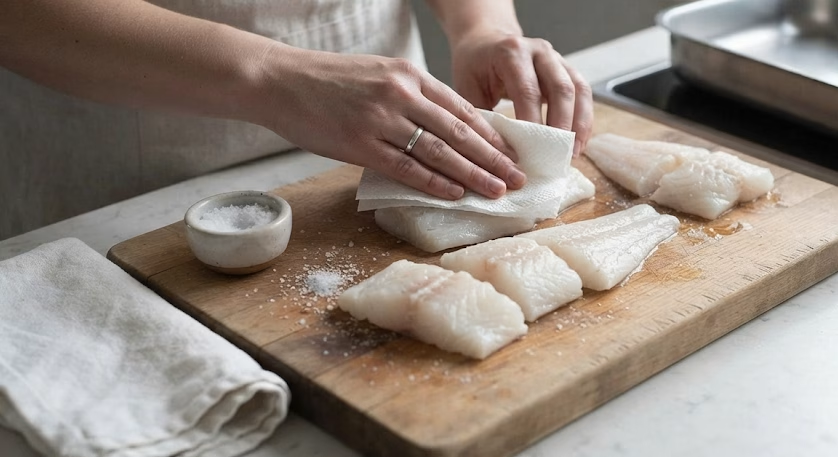
I pat my fish fillets completely dry with paper towels, then season them lightly with salt on both sides. Letting them sit for ten minutes helps season them all the way through, not just on the surface. Cutting each fillet into two or three pieces also makes them easier to handle in the hot oil later.
Make the Batter
In a large bowl, I whisk together the rice flour, half the all-purpose flour, baking powder, and salt. Then I slowly pour in the cold lager and vodka, whisking just until smooth, since overmixing makes the batter tough. I pop the bowl in the fridge for about 30 minutes so it stays cold and light.

Fry the Chips First
I cut my potatoes into thick batons and rinse them well to remove extra starch, then pat them completely dry. I fry them in two stages: first at a lower temperature until soft, then again at a higher temperature until golden and crisp.
This double-fry method is what gives British chips that fluffy inside and crunchy shell, much like the comforting texture you’ll find in Taco Crock Pot Hashbrown Casserole Recipe.
Dredge and Batter the Fish
Right before frying, I toss each piece of fish in the remaining plain flour, shaking off the extra. Then I dip each piece into the chilled batter, letting any excess drip back into the bowl. This thin dusting of flour underneath is what helps the batter cling properly instead of sliding off in the oil.
Fry the Fish Until Golden
I lower the battered fish gently into oil heated to around 350°F, frying just two or three pieces at a time so the temperature doesn’t drop. After about four to five minutes, once it’s deep golden and crisp, I lift it out with tongs and let it rest on a wire rack.
Rest, Season, and Serve
I always let the fried fish sit on the rack for a minute or two before serving, which keeps the crust crisp instead of steaming itself soft. A final light sprinkle of salt right out of the fryer makes a big difference. Then it’s straight onto the plate with hot chips.
Additional Tips for Making This Recipe Better
I’ve made this more times than I can count, and here’s what actually made a difference for me:
- I always keep my batter ingredients ice-cold, since a cold batter fries up noticeably crispier than a room-temperature one.
- I never overcrowd the pot, because dropping the oil temperature even a little makes the batter greasy instead of crisp.
- I pat my fish bone-dry before dredging, since any surface moisture stops the flour and batter from sticking properly.
- I let my fried chips rest on a rack, not paper towels, so steam doesn’t make the bottoms soggy.
- I fry my chips twice, no matter how tempting it is to skip the second fry, because that’s what gives them the right texture.
Common Mistakes to Avoid
- I used to fry fish straight from the fridge without patting it dry, and the batter always slid right off in the oil.
- I once let my oil temperature drop too low by adding too many pieces at once, and the fish soaked up oil instead of crisping.
- I made the mistake of overmixing my batter early on, which made it gluey and heavy instead of light and crackly.
- I skipped chilling the batter one time to save steps, and the crust turned out noticeably less crisp.
- I used to skip the flour dredge before dipping in batter, and it never adhered evenly to the fish.
How to Serve Classic British Fish and Chips
I like to serve this straight from the fryer while everything is still hot and audibly crisp. A big handful of chips piled next to the fish, a lemon wedge on the side, and a small ramekin of tartar sauce make it feel like a proper fish shop plate.
For extra flair, I’ll wrap it loosely in parchment paper, sprinkle on some malt vinegar, and add a scattering of flaky salt right before it hits the table. If you’re serving a complete comfort-food spread, Olive Garden Chicken Gnocchi Soup Recipe also pairs naturally with hearty family meals.
Variations
- Gluten-free option: swap the all-purpose and rice flour for a gluten-free flour blend and use a gluten-free beer or sparkling water.
- Alcohol-free option: replace the beer and vodka with cold sparkling water or club soda for a similar light, bubbly batter.
- Spiced batter: add a pinch of cayenne or smoked paprika to the dry mix for a subtle kick.
- Herb-flecked batter: stir in finely chopped fresh dill or parsley for a fresh, herby note.
- Different fish: try halibut, pollock, or flounder if cod or haddock isn’t available near you.
Nutritional Information
Here’s a rough idea of what’s in one serving of fish and chips, including the fried fish and a portion of chips:
- Calories: approximately 650–700 per serving
- Protein: approximately 35–40 grams per serving
- Carbohydrates: approximately 65–70 grams per serving
- Fat: approximately 25–30 grams per serving
Make Ahead and Storage
You can prep the potatoes and batter ingredients a few hours ahead, keeping everything covered and chilled until you’re ready to fry. I don’t recommend battering the fish itself in advance, since the coating loses its crispness sitting around.
Leftover fried fish and chips keep in an airtight container in the fridge for up to 2 days, though the texture softens quite a bit. To reheat, place pieces on a wire rack in a 400°F oven for about 10 minutes to bring back some crunch instead of using a microwave, which makes everything soggy. You can also freeze fully cooled fried fish for up to 1 month and reheat straight from frozen in a hot oven.
Why You’ll Love This Recipe
This one’s become a regular in my house, and here’s why I keep coming back to it:
- It’s genuinely simple once you understand the steps, even though it looks like a restaurant-level dish.
- The batter is endlessly adjustable, so I can make it spiced, herby, or alcohol-free depending on who’s eating.
- It works for casual weeknight dinners as easily as it does for a fun weekend cooking project with friends.
- The crunch factor is unbeatable, thanks to the rice flour and cold, bubbly batter combination.
- It brings that classic British chip-shop feeling right into my own kitchen, without needing to book a flight.
FAQs
Can I make fish and chips without beer?
Yes, you can swap the beer for cold sparkling water or club soda. It won’t have quite the same malty flavor, but the bubbles still give the batter a light, crisp texture.
Where can I find English-style fish and chips near me?
Search for a British-style pub, fish shop, or chippy in your area using a maps app or online directory, since availability depends on your location. Otherwise, this homemade version brings that same flavor to your own kitchen.
What is the original fish and chips recipe like?
The traditional version is simply battered white fish deep-fried and served alongside thick-cut fried potatoes, often with malt vinegar and salt. It started as a working-class British staple and has stayed largely unchanged for generations.
Is there a Jamie Oliver version of this recipe?
Yes, Jamie Oliver has his own take that typically uses a beer batter and double-fried chips, similar in spirit to this recipe. The core technique across most versions stays the same: cold batter, hot oil, and a good double fry for the chips.
What’s a simple fish and chips batter recipe?
A simple batter just needs flour, baking powder, salt, and a cold liquid like beer or sparkling water whisked until smooth. Keeping it cold and not overmixing are the two biggest keys to a crisp result.
What are the basic ingredients for fish and chips?
At its core, you need white fish fillets, flour, a cold carbonated liquid for the batter, oil for frying, and potatoes for the chips. Everything else, like rice flour or vodka, is there to fine-tune the crispiness.

Classic British Fish and Chips Recipe
Ingredients
Method
- I pat my fish fillets completely dry with paper towels, then season them lightly with salt on both sides. Letting them sit for ten minutes helps season them all the way through, not just on the surface. Cutting each fillet into two or three pieces also makes them easier to handle in the hot oil later.
- In a large bowl, I whisk together the rice flour, half the all-purpose flour, baking powder, and salt. Then I slowly pour in the cold lager and vodka, whisking just until smooth, since overmixing makes the batter tough. I pop the bowl in the fridge for about 30 minutes so it stays cold and light.
- I cut my potatoes into thick batons and rinse them well to remove extra starch, then pat them completely dry. I fry them in two stages: first at a lower temperature until soft, then again at a higher temperature until golden and crisp. This double-fry method is what gives British chips that fluffy inside and crunchy shell.
- Right before frying, I toss each piece of fish in the remaining plain flour, shaking off the extra. Then I dip each piece into the chilled batter, letting any excess drip back into the bowl. This thin dusting of flour underneath is what helps the batter cling properly instead of sliding off in the oil.
- I lower the battered fish gently into oil heated to around 350°F, frying just two or three pieces at a time so the temperature doesn’t drop. After about four to five minutes, once it’s deep golden and crisp, I lift it out with tongs and let it rest on a wire rack.
- I always let the fried fish sit on the rack for a minute or two before serving, which keeps the crust crisp instead of steaming itself soft. A final light sprinkle of salt right out of the fryer makes a big difference. Then it’s straight onto the plate with hot chips.
Notes
- I always keep my batter ingredients ice-cold, since a cold batter fries up noticeably crispier than a room-temperature one.
- I never overcrowd the pot, because dropping the oil temperature even a little makes the batter greasy instead of crisp.
- I pat my fish bone-dry before dredging, since any surface moisture stops the flour and batter from sticking properly.
- I let my fried chips rest on a rack, not paper towels, so steam doesn’t make the bottoms soggy.
- I fry my chips twice, no matter how tempting it is to skip the second fry, because that’s what gives them the right texture.