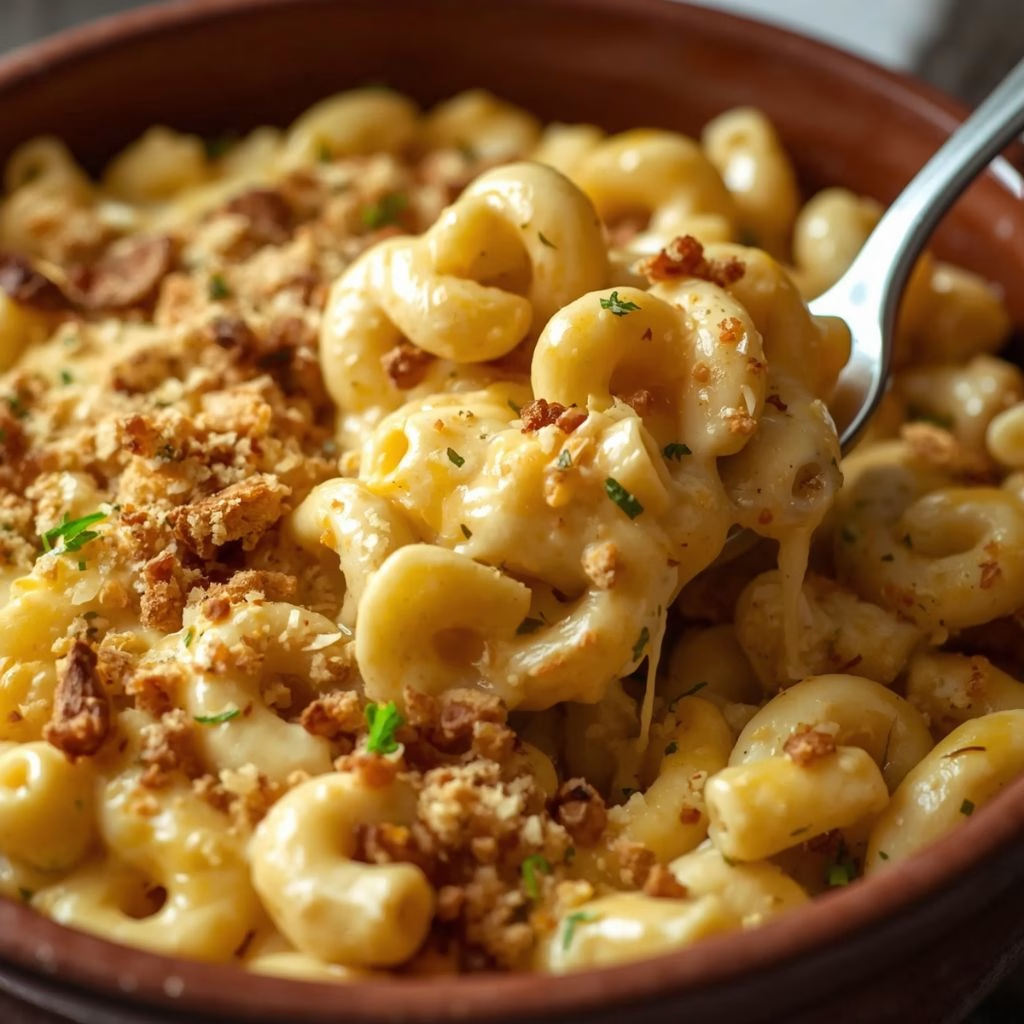
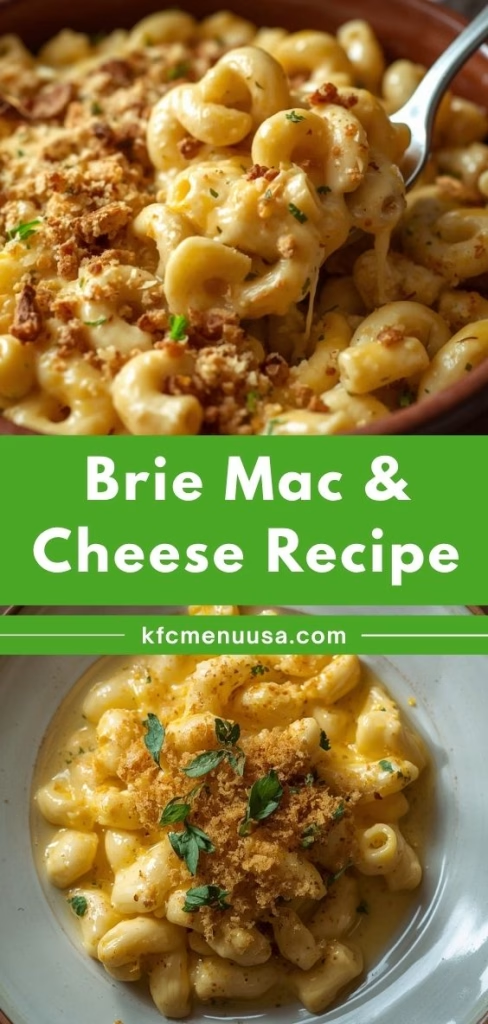
I still remember the first time I melted a wheel of brie into a cheese sauce. I honestly didn’t expect it to work this well. The moment it hit the warm milk and just dissolved into this silky, almost buttery pool, I knew this wasn’t going to be an ordinary mac and cheese.
I paired it with parmesan and a nutty alpine cheese, and the flavor turned out deeper and more grown-up than anything I’d made before. Topping it with a crunchy, buttery cracker crust sealed the deal for me. If you love rich, cheesy comfort food, I promise this one is worth the effort.
Cooking Time
- Prep Time: 30 minutes
- Cook Time: 30 minutes
- Total Time: 1 hour
Ingredients
- 1 sleeve buttery crackers, crushed – this forms the crunchy topping, so crush them coarsely, not into powder
- 2 tablespoons salted butter, melted – helps the cracker crumbs turn golden and crisp in the oven
- 2 rounds (8 ounces each) brie, rind removed – the star of the dish, giving the sauce its silky, almost velvety texture
- 1 cup parmesan cheese, finely grated – adds a salty, savory backbone to balance the creaminess of the brie
- 1 cup alpine-style cheese (gruyère, emmental, or jarlsberg), finely grated – melts beautifully and brings a nutty depth, so grate it fresh rather than using bagged shredded cheese
- 3 tablespoons unsalted butter – the base for the roux that thickens your sauce
- 3 tablespoons all-purpose flour – cooks out the raw flour taste and helps the sauce cling to the pasta
- 1½ cups whole milk, plus extra if needed – whole milk gives the sauce its rich body; low-fat versions can turn thin
- ½ teaspoon Dijon mustard – a small amount wakes up the cheese flavor without tasting mustardy
- 1 teaspoon garlic powder – adds gentle warmth and savoriness throughout the sauce
- Salt and black pepper, to taste – always season at the end since the cheeses already carry plenty of salt
- 8 ounces macaroni or another small pasta shape – cook it just shy of al dente since it keeps cooking in the oven
- Dried parsley, for garnish – purely for color and a fresh finishing touch
Note: This recipe serves about 4 people generously as a main dish.
Equipment You Need
- Medium saucepan – for building the roux and cheese sauce
- Whisk – keeps the sauce smooth and lump-free
- Large mixing bowl – for tossing the pasta with the sauce
- Baking dish – to bake the mac and cheese until bubbly
- Box grater – for grating the parmesan and alpine cheese fresh
- Small bowl – for mixing the cracker topping
- Sharp paring knife – makes trimming the brie rind much easier
How to Make Brie Mac and Cheese Recipe?
This recipe comes together in three simple stages: making the sauce, mixing it with pasta, and baking it until golden. I like to prepare everything with grated cheese, trimmed brie, and cooked pasta before I start the sauce so nothing burns while I’m scrambling. Once you have your mise en place ready, the actual cooking moves fast.
Prep the Cheese and Cracker Topping
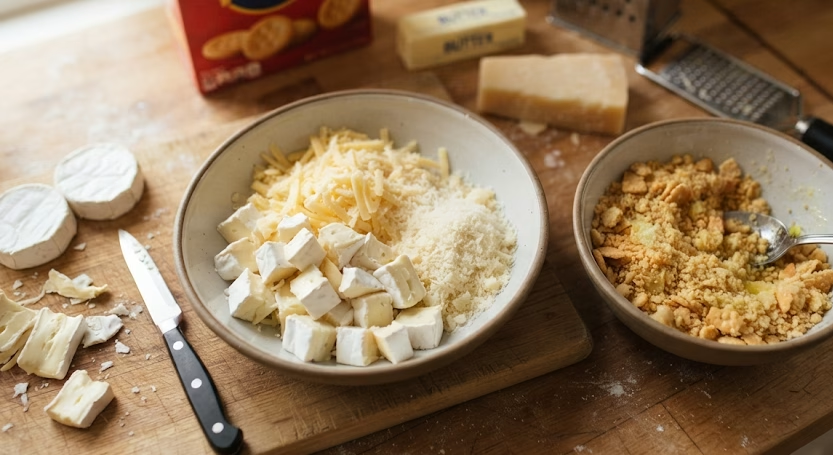
Start by trimming the rind off both brie rounds using a small paring knife, then cut the cheese into small pieces so it melts evenly later. Combine it in a bowl with the grated parmesan and alpine cheese. In a separate small bowl, mix the crushed crackers with melted butter until every crumb is coated; this is what gives you that irresistible golden crust later.
Cook the Pasta
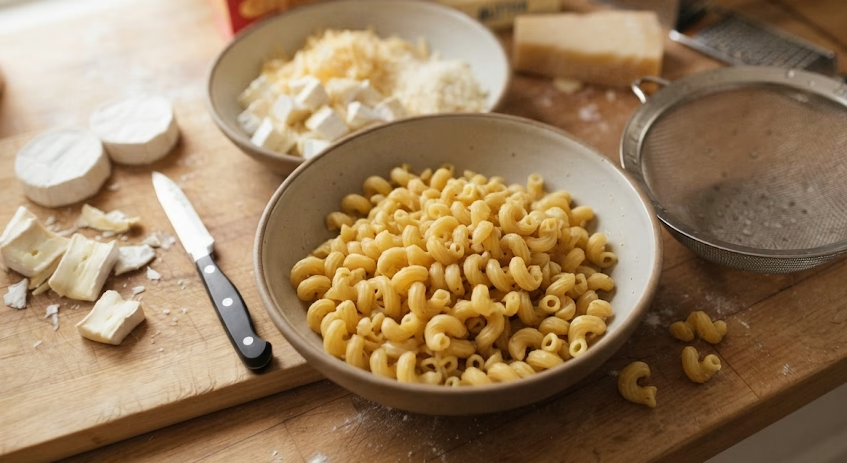
Bring a large pot of salted water to a boil and cook your pasta about two minutes short of the package’s suggested time. Since the pasta finishes cooking in the oven, undercooking it slightly now keeps it from turning mushy later. Drain it well and set it aside while you make the sauce.
Build the Roux
Melt the butter in a medium saucepan over medium heat, then whisk in the flour until fully combined. Keep whisking and cook this mixture for two to three minutes so the flour loses its raw, pasty taste. This step is quick but important, as it sets up the sauce’s smooth, velvety base.
Add the Milk and Seasonings
Slowly whisk in the milk along with the Dijon mustard and garlic powder, stirring constantly so no lumps form. Keep cooking over medium heat until the mixture visibly thickens, which usually takes about two to three minutes. You want a sauce thick enough to coat the back of a spoon.
Melt in the Cheese
Lower the heat and add the cheese mixture one handful at a time, stirring until each addition fully melts before adding more. Going slowly here is what keeps your sauce silky instead of grainy or oily. Taste and season with salt and pepper once all the cheese is incorporated.
Combine with Pasta and Bake
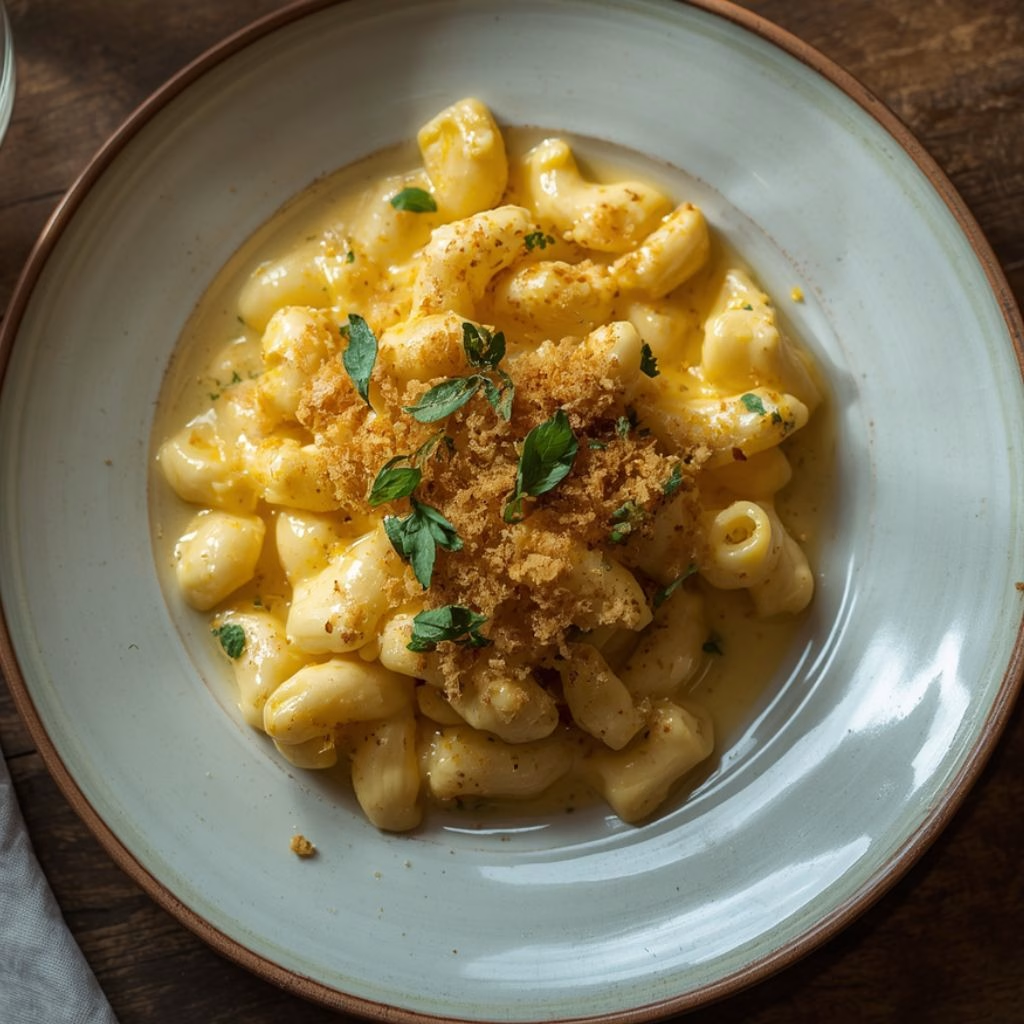
Preheat your oven to 375°F and stir the cooked pasta into the cheese sauce until every piece is coated. Pour everything into a greased baking dish and scatter the buttery cracker topping evenly over the top. Bake for 10 to 15 minutes, until the edges are bubbling and the crust turns a deep golden brown, then finish with a sprinkle of parsley before serving.
Additional Tips for Making This Recipe Better
I’ve made this dish enough times now to know the small things that make a real difference.
- I always pull the sauce off the heat while I stir in the last handful of cheese, since residual heat still melts it without risking a greasy separation.
- I grate my own cheese every time the pre-shredded bags have a coating that keeps the sauce from turning silky.
- I like adding an extra splash of milk if my sauce looks too thick before baking, since it thickens more in the oven.
- I toast my cracker crumbs lightly in a dry pan first if I have a few extra minutes, because it deepens the flavor of the topping.
- I taste my sauce before adding pasta, since it’s much easier to adjust seasoning at that stage.
Common Mistakes to Avoid
- I once dumped all the cheese in at once and ended up with a broken, oily sauce adding it gradually really does matter.
- I overcooked my pasta before serving and regretted it, since it turned mushy after baking and always undercooked it slightly.
- I skipped grating my own cheese one time to save effort, and the sauce never got fully smooth, fresh-grated melts far better.
- I forgot to season my sauce properly once, assuming the cheese would cover it always taste before you stop cooking.
- I’ve rushed my roux in the past, and the sauce ended up tasting like raw flour. Give it a full two to three minutes.
How to Serve Brie Mac and Cheese?
I love serving this straight from a small cast-iron skillet or shallow baking dish. It keeps the presentation rustic and lets the golden cracker crust stay the star of the show. A light scattering of fresh parsley or chives adds a pop of color against all that creamy, golden cheese.
Since this dish is quite rich, I usually pair it with a simple arugula salad dressed in lemon and olive oil to cut through the richness. If you’re serving it as a side rather than a main, small portions alongside roasted chicken or grilled steak work beautifully. You can also enjoy similar rich baked desserts like Molten Lava Brownies Recipe when you’re craving something indulgent after the meal.
Variations
- Swap the alpine cheese for gouda if you want a slightly sweeter, smokier flavor profile.
- Use sharp cheddar alongside the brie for a more classic, tangy mac and cheese taste.
- Try a gluten-free pasta and a gluten-free flour blend for the roux to make this dish celiac-friendly.
- Stir in crispy bacon bits or caramelized onions for extra texture and savory depth.
- Add a pinch of cayenne or a dash of hot sauce into the cheese sauce if you enjoy a little heat.
- For a vegetarian version, simply confirm your cheeses use vegetarian rennet, since the base recipe is already meat-free. If you enjoy rich, buttery desserts, you can also try Salted Toffee Espresso Blondies Recipe for a sweet option alongside this comforting dish.
Nutritional Information
Here’s a rough idea of what one serving of this dish looks like nutritionally.
- Calories: about 980 kcal
- Protein: about 48 g
- Carbohydrates: about 41 g
- Fat: about 69 g
Make Ahead and Storage
You can assemble the pasta and sauce ahead of time and refrigerate it unbaked, but hold off on adding the cracker topping until right before it goes in the oven so it stays crisp.
Leftovers keep well in a sealed container in the refrigerator for up to 3 days. Reheat gently in a 350°F oven in a baking dish until warmed through, rather than the microwave, so the topping doesn’t turn soggy.
Why You’ll Love This Recipe?
This dish has quickly become one of my go-to comfort meals, and here’s why I think you’ll love it too.
- It’s incredibly rich and creamy: The combination of brie, parmesan, and alpine cheese creates a sauce that’s silkier than any mac and cheese I’ve made with a single cheese.
- It’s easy to customize: You can swap cheeses, add proteins, or spice it up depending on what you’re craving that day.
- It reheats beautifully: Unlike some creamy pasta dishes, the sauce holds its texture well the next day.
- It works for both weeknights and gatherings: I’ve served it as a cozy weeknight dinner and also doubled it for a family get-together with equal success.
- It’s a genuine crowd-pleaser: Even people who think they’ve had every mac and cheese variation are always surprised by how good the brie makes it taste.
FAQs
Can I make brie mac and cheese on the stovetop instead of baking it?
Yes, you can skip the oven entirely and simply toss the pasta with the finished cheese sauce, then top it with toasted cracker crumbs before serving for a quicker, stovetop-only version.
Is brie actually good for mac and cheese?
Absolutely brie melts into an incredibly smooth, buttery sauce that adds a mellow richness you don’t get from cheddar alone, making it a fantastic base for mac and cheese.
Can I make an easy brie mac and cheese without a roux?
You can simplify things by melting brie directly into warm cream instead of building a flour-based roux, though the sauce will be slightly looser and richer.
Can I combine brie and cheddar, or brie and gouda, in this recipe?
Yes, both combinations work well cheddar adds tang while gouda adds a subtle sweetness, so feel free to swap out the parmesan or alpine cheese for either one.
Is this recipe vegetarian?
It can be, as long as you choose brie, parmesan, and alpine cheeses made with vegetarian rennet, since the rest of the ingredients are already meat-free.

Brie Mac and Cheese Recipe
Ingredients
Method
- Start by trimming the rind off both brie rounds using a small paring knife, then cut the cheese into small pieces so it melts evenly later. Combine it in a bowl with the grated parmesan and alpine cheese. In a separate small bowl, mix the crushed crackers with melted butter until every crumb is coated; this is what gives you that irresistible golden crust later.
- Bring a large pot of salted water to a boil and cook your pasta about two minutes short of the package’s suggested time. Since the pasta finishes cooking in the oven, undercooking it slightly now keeps it from turning mushy later. Drain it well and set it aside while you make the sauce.
- Melt the butter in a medium saucepan over medium heat, then whisk in the flour until fully combined. Keep whisking and cook this mixture for two to three minutes so the flour loses its raw, pasty taste. This step is quick but important, as it sets up the sauce’s smooth, velvety base.
- Slowly whisk in the milk along with the Dijon mustard and garlic powder, stirring constantly so no lumps form. Keep cooking over medium heat until the mixture visibly thickens, which usually takes about two to three minutes. You want a sauce thick enough to coat the back of a spoon.
- Lower the heat and add the cheese mixture one handful at a time, stirring until each addition fully melts before adding more. Going slowly here is what keeps your sauce silky instead of grainy or oily. Taste and season with salt and pepper once all the cheese is incorporated.
- Preheat your oven to 375°F and stir the cooked pasta into the cheese sauce until every piece is coated. Pour everything into a greased baking dish and scatter the buttery cracker topping evenly over the top. Bake for 10 to 15 minutes, until the edges are bubbling and the crust turns a deep golden brown, then finish with a sprinkle of parsley before serving.
Notes
- I always pull the sauce off the heat while I stir in the last handful of cheese, since residual heat still melts it without risking a greasy separation.
- I grate my own cheese every time the pre-shredded bags have a coating that keeps the sauce from turning silky.
- I like adding an extra splash of milk if my sauce looks too thick before baking, since it thickens more in the oven.
- I toast my cracker crumbs lightly in a dry pan first if I have a few extra minutes, because it deepens the flavor of the topping.
- I taste my sauce before adding pasta, since it’s much easier to adjust seasoning at that stage.