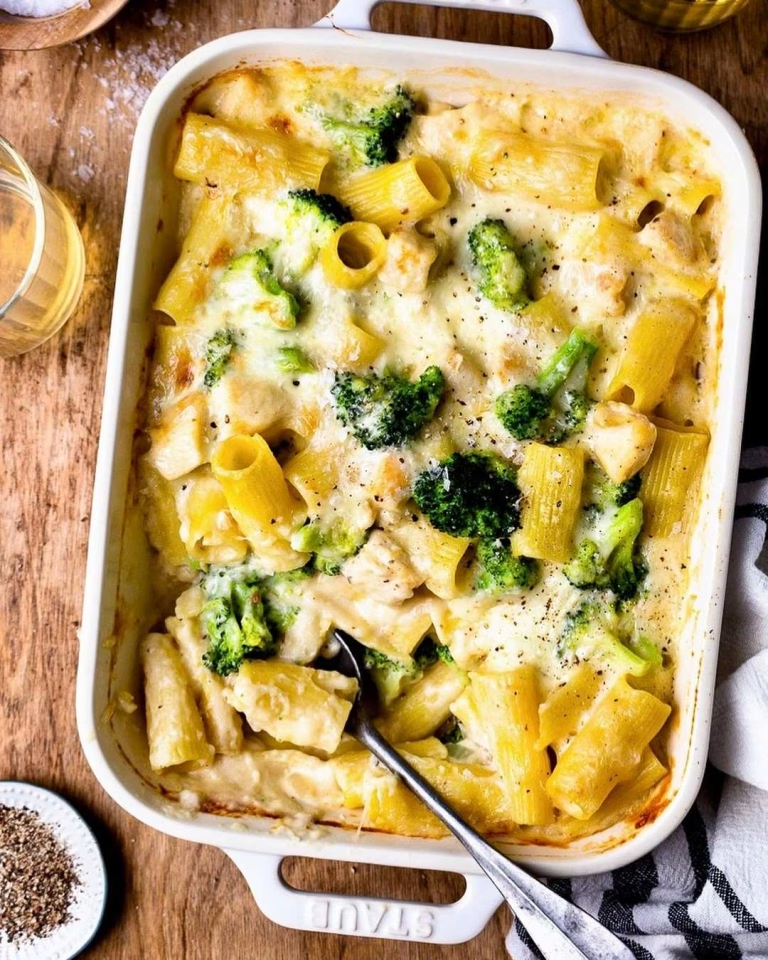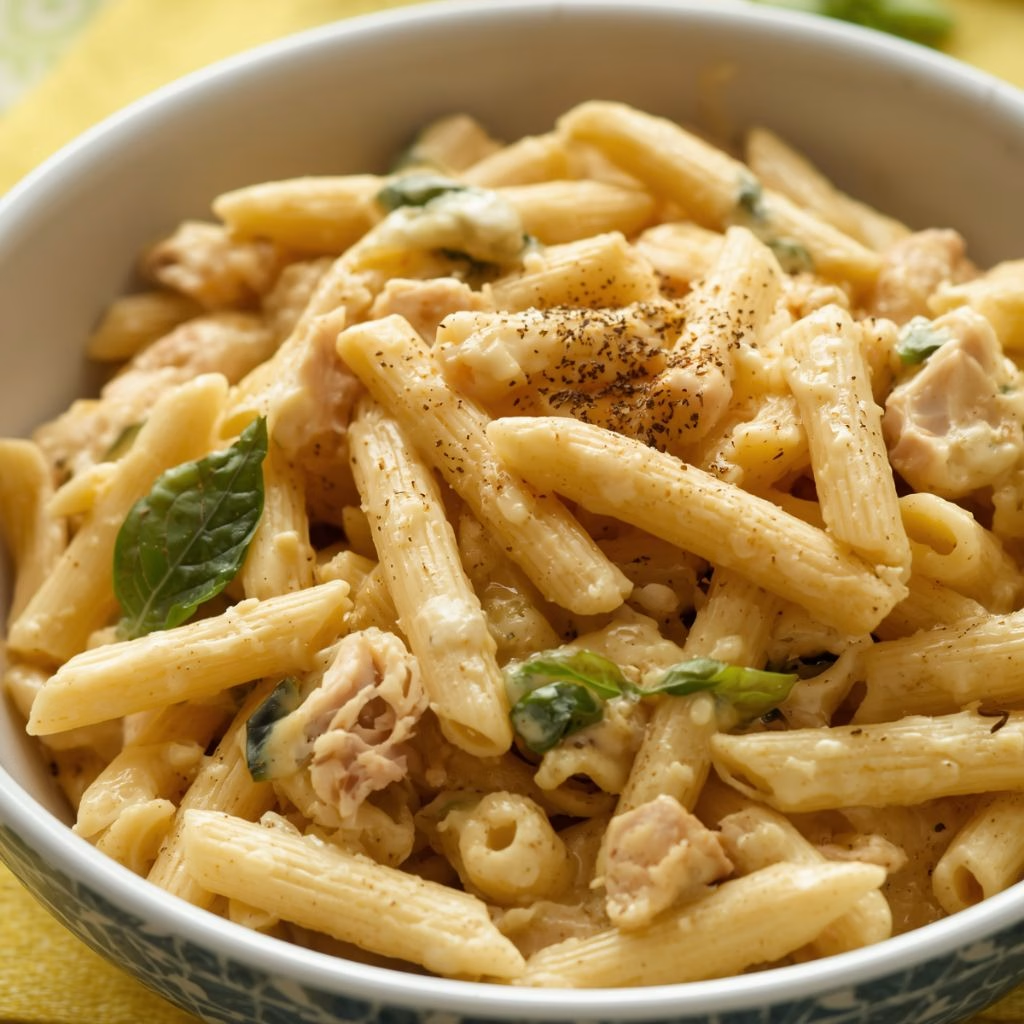
I still remember the first time I melted brie into a pot of hot pasta. I honestly didn’t expect much, but within minutes my kitchen smelled incredible and the sauce turned silky without me adding a drop of cream.
I’ve made this Brie Chicken Pasta Recipe more times than I can count since then, and it’s become my go-to when I want something that feels fancy but takes almost no effort. If you love creamy pasta but don’t want to stand over a stove whipping a sauce, this recipe is going to become your new favorite too.
Cooking Time
- Prep Time: 10 minutes
- Cooking Time: 20 minutes
- Total Time: 30 minutes
Ingredients
- 2 boneless, skinless chicken breasts, cooked and diced – use rotisserie chicken if you’re short on time
- 8-10 oz penne or mostaccioli pasta – the ridges hold onto the melted cheese sauce beautifully
- 1 small zucchini, cut into thin matchsticks – adds a fresh crunch that balances the rich cheese
- 7 oz brie cheese (herbed if you can find it), cubed and chilled – cold brie melts more evenly into the hot pasta
- ½ cup reserved pasta water – the starchy water is what turns cheese cubes into a silky sauce
- Fresh basil leaves, finely chopped – always use fresh, dried basil won’t give the same bright flavor
- Salt and black pepper, to taste – season at the end since brie already carries some saltiness
Note: This recipe serves 4 people as a main dish.
Equipment You Need
- Large pot – for boiling the pasta
- Colander – to drain the pasta while saving the starchy water
- Sharp knife – for cutting the chicken, zucchini, and brie cleanly
- Cutting board – gives you a stable surface for prepping ingredients
- Wooden spoon or tongs – for tossing everything together without breaking the pasta
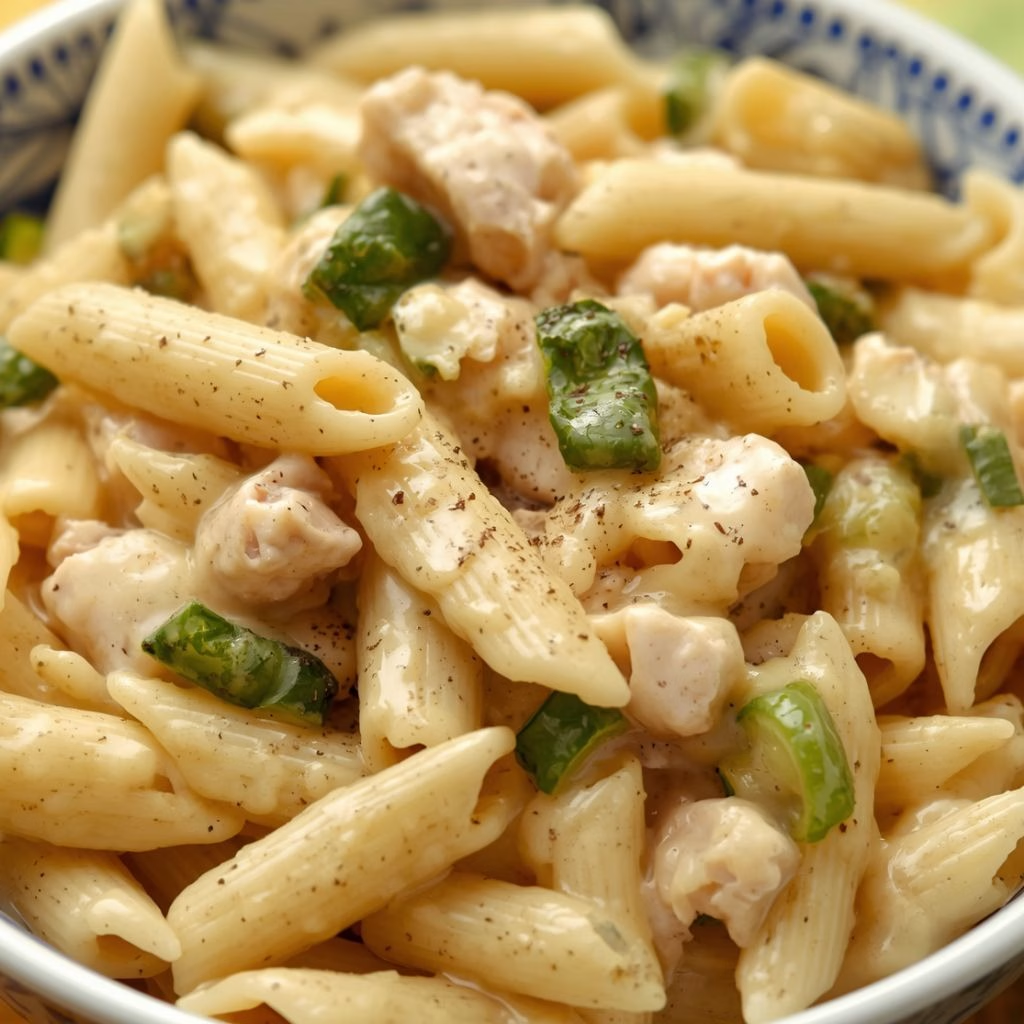
How to Make Brie Chicken Pasta Recipe?
This recipe comes together in one pot, which is exactly why I reach for it on busy weeknights. There’s no separate sauce to babysit, no roux to whisk, and barely any cleanup afterward. Here’s exactly how I put it together every time.
Cook the Pasta
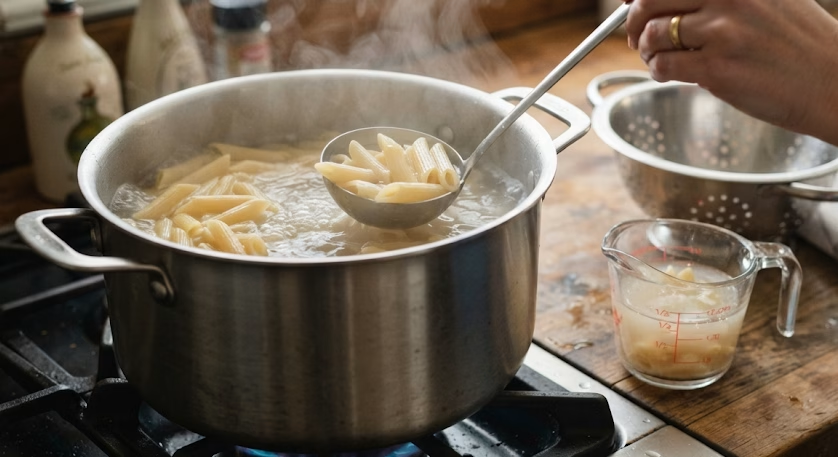
Bring a large pot of salted water to a rolling boil and cook your penne according to the package directions until al dente. Right before draining, scoop out about half a cup of the starchy pasta water and set it aside. This water is liquid gold for the sauce later, so don’t skip it.
Prep the Chicken and Zucchini
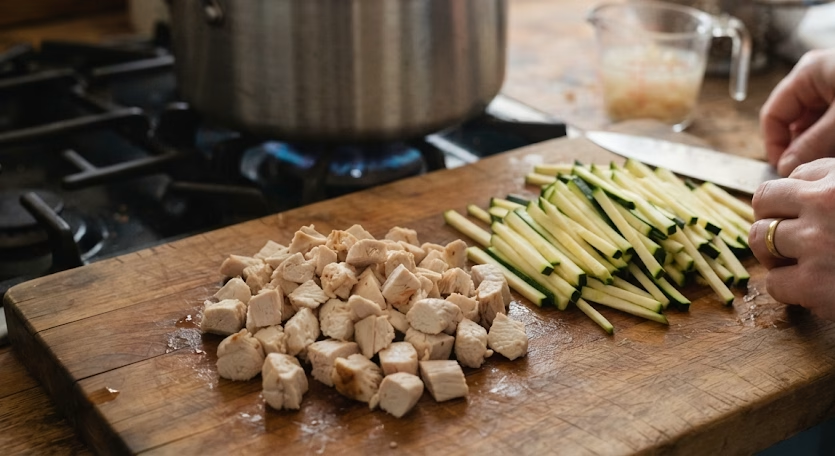
While the pasta cooks, dice your cooked chicken into bite-sized pieces so every forkful gets some protein. Cut the zucchini into thin matchsticks rather than rounds, since the thinner shape cooks faster and mimics the texture of the pasta strands.
Combine Pasta, Chicken, and Zucchini
Drain the pasta and return it to the same warm pot. Add the diced chicken and zucchini matchsticks straight in, then toss everything together. The residual heat from the pasta will start softening the zucchini slightly, which is exactly what you want.
Melt in the Brie
Add the cubed, chilled brie directly to the warm pasta mixture and stir gently. The heat will start melting the cheese into a creamy coating almost immediately, rind and all if you like that slightly earthy flavor.
Loosen with Pasta Water
If the sauce looks too thick or clumpy, splash in a bit of the reserved pasta water and stir. Keep adding a tablespoon at a time until the cheese turns glossy and coats every piece of pasta evenly.
Finish and Serve
Stir in the chopped fresh basil and season with salt and pepper to taste. Give it one last toss, then serve immediately while the sauce is at its silkiest.
Additional Tips for Making This Recipe Better
I’ve made this pasta enough times to pick up a few tricks that genuinely make a difference.
- I always chill the brie before cubing it, since cold cheese cubes hold their shape long enough to distribute evenly before melting.
- I save more pasta water than I think I’ll need, because it’s much easier to thin out a thick sauce than to fix one that’s too runny.
- I like leaving the rind on my brie since it melts down and adds a subtle earthy note, but I trim it off if I’m serving picky eaters.
- I toss in a squeeze of lemon juice at the end sometimes, and it really wakes up the richness of the cheese.
- I never let the pasta sit too long before adding the brie, because the sauce comes together best while everything is still steaming hot.
Common Mistakes to Avoid
- I once used pre-shredded cheese instead of real brie, and it never melted into that silky texture I wanted.
- I’ve tried this with frozen zucchini before, and it turned mushy and watered down the sauce, so I stick to fresh only.
- I overcooked my pasta one time thinking it would soak up more sauce, but it just went gummy and fell apart when tossed.
- I forgot to reserve pasta water once and had to thin the sauce with plain tap water, which dulled the flavor noticeably.
- I added the basil too early once and it wilted into a dull green mush instead of staying bright and fragrant.
How to Serve Brie Chicken Pasta
I love plating this pasta in shallow bowls so the creamy sauce pools around the edges instead of disappearing at the bottom of a deep dish. A few extra basil leaves scattered on top add a pop of color, and a light dusting of cracked black pepper makes it look restaurant-worthy.
If I’m feeding guests, I’ll pair it with a simple arugula salad dressed in lemon and olive oil, plus a slice of crusty bread to mop up any leftover sauce. For dessert, a pumpkin sticky toffee pudding recipe or turkish rice pudding recipe can make a satisfying finish after this creamy pasta.
Variations
- Swap the chicken for shrimp or crispy pancetta if you want a different protein twist.
- Use dairy-free brie alternatives if you’re avoiding dairy, though the texture will be slightly less creamy.
- Add sun-dried tomatoes or roasted red peppers for a sweeter, tangier flavor layer.
- Toss in baby spinach or arugula at the end for extra greens without changing the texture much.
- Sprinkle toasted pine nuts or walnuts on top for a bit of crunch against the creamy pasta.
Nutritional Information
Here’s a rough estimate per serving, based on four servings total.
- Calories: approximately 480 kcal
- Protein: approximately 32g
- Carbohydrates: approximately 45g
- Fat: approximately 18g
Make Ahead and Storage
You can cook the chicken and pasta ahead of time and store them separately in the fridge for up to 2 days, then combine with fresh brie when you’re ready to eat. Once fully made, leftovers keep well in an airtight container in the fridge for up to 3 days. Reheat gently on the stovetop with a splash of milk or water to loosen the sauce back up, since the cheese tends to firm up once chilled. I don’t recommend freezing this dish, as the brie sauce can separate and turn grainy after thawing.
Why You’ll Love This Recipe?
This pasta has earned a permanent spot in my regular dinner rotation for a few solid reasons.
- It’s incredibly fast. From start to finish, this comes together in about 30 minutes, making it perfect for weeknights.
- It uses just one pot. Everything cooks and combines in the same pasta pot, so cleanup is minimal.
- It feels fancy without the effort. The melted brie gives it a restaurant-quality creaminess without any complicated sauce technique.
- It’s easy to customize. You can swap the protein, veggies, or cheese to match whatever you have on hand.
- It reheats well for lunch. Leftovers make an easy next-day meal that still tastes rich and satisfying.
FAQs
Can I use a different pasta shape for this recipe?
Yes, any short pasta like fusilli or rigatoni works well since the shape holds onto the melted cheese sauce nicely.
Can I make chicken and brie pasta bake instead of stovetop?
Absolutely, just combine everything in a baking dish, top with extra cheese, and bake at 375°F until bubbly and golden.
What can I use instead of brie in this pasta?
Camembert or a mild soft cheese works as a substitute, though the flavor will be slightly less buttery than brie.
Can I turn this into a brie salmon pasta instead?
Yes, flaked cooked salmon works beautifully in place of chicken and pairs nicely with the creamy brie sauce.
Is this similar to chicken alfredo with brie cheese?
It’s lighter than alfredo since there’s no heavy cream, letting the brie itself create the creamy texture naturally.

Brie Chicken Pasta Recipe
Ingredients
Method
- Bring a large pot of salted water to a rolling boil and cook your penne according to the package directions until al dente. Right before draining, scoop out about half a cup of the starchy pasta water and set it aside. This water is liquid gold for the sauce later, so don’t skip it.
- While the pasta cooks, dice your cooked chicken into bite-sized pieces so every forkful gets some protein. Cut the zucchini into thin matchsticks rather than rounds, since the thinner shape cooks faster and mimics the texture of the pasta strands.
- Drain the pasta and return it to the same warm pot. Add the diced chicken and zucchini matchsticks straight in, then toss everything together. The residual heat from the pasta will start softening the zucchini slightly, which is exactly what you want.
- Add the cubed, chilled brie directly to the warm pasta mixture and stir gently. The heat will start melting the cheese into a creamy coating almost immediately, rind and all if you like that slightly earthy flavor.
- If the sauce looks too thick or clumpy, splash in a bit of the reserved pasta water and stir. Keep adding a tablespoon at a time until the cheese turns glossy and coats every piece of pasta evenly.
- Stir in the chopped fresh basil and season with salt and pepper to taste. Give it one last toss, then serve immediately while the sauce is at its silkiest.
Notes
- I always chill the brie before cubing it, since cold cheese cubes hold their shape long enough to distribute evenly before melting.
- I save more pasta water than I think I’ll need, because it’s much easier to thin out a thick sauce than to fix one that’s too runny.
- I like leaving the rind on my brie since it melts down and adds a subtle earthy note, but I trim it off if I’m serving picky eaters.
- I toss in a squeeze of lemon juice at the end sometimes, and it really wakes up the richness of the cheese.
- I never let the pasta sit too long before adding the brie, because the sauce comes together best while everything is still steaming hot.