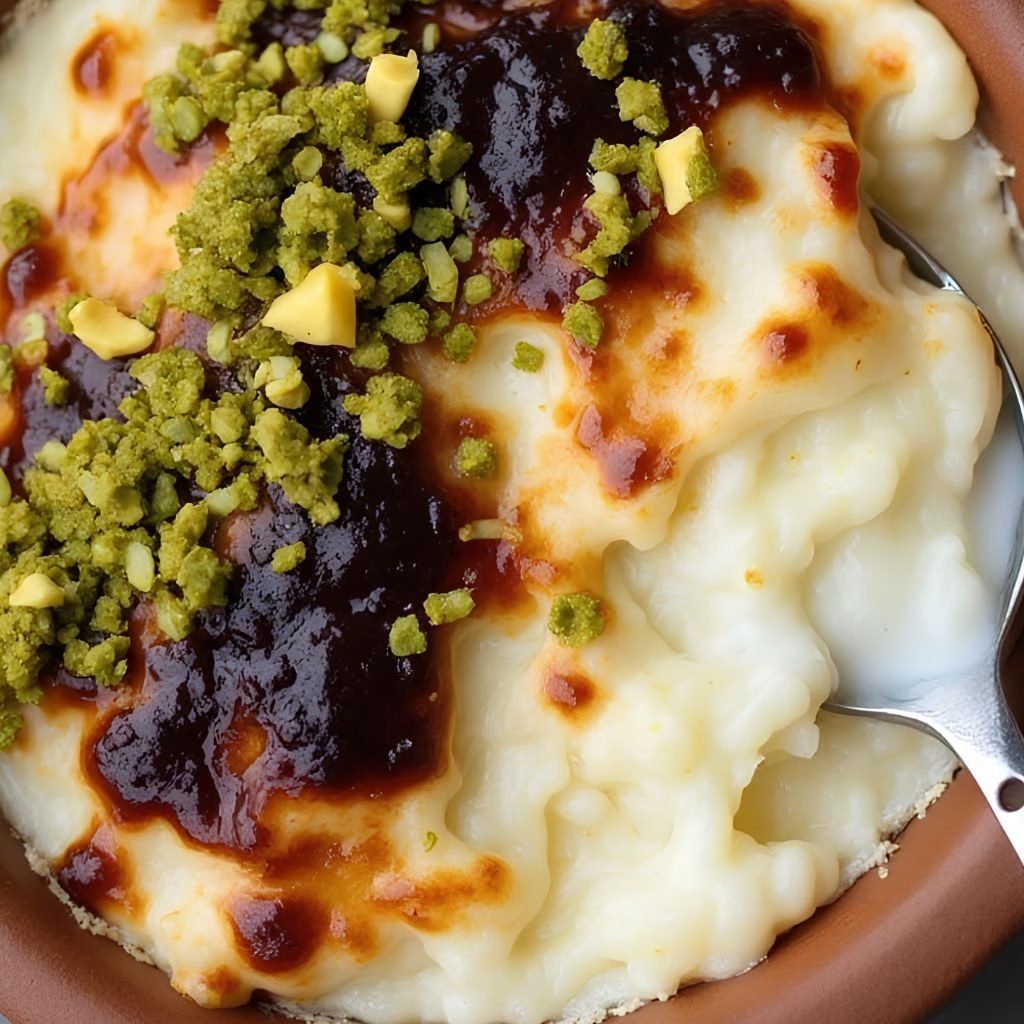
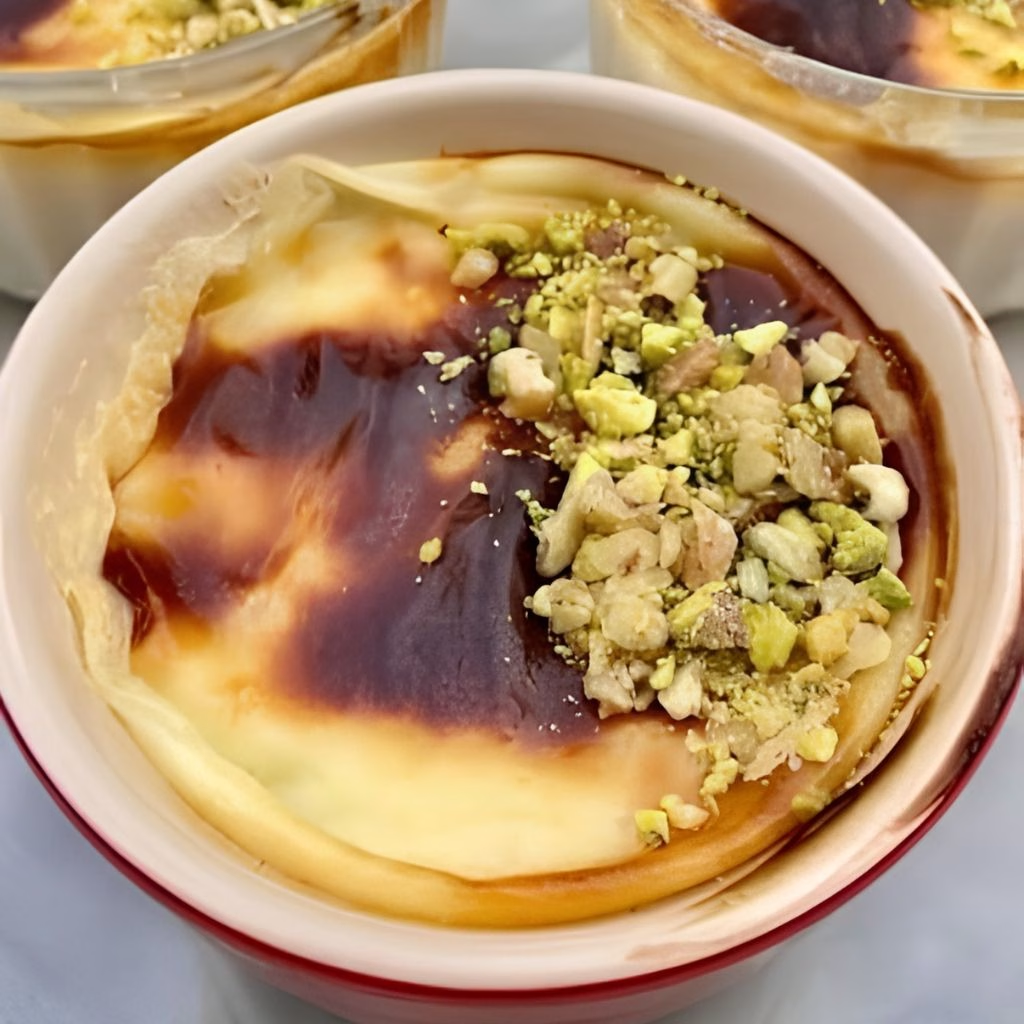
I still remember the first time I pulled a bubbling clay pot of sütlaç out of the oven and watched that golden crust form on top. It was love at first spoonful. This Turkish rice pudding is thick, silky, and just sweet enough, with a gently caramelized top that sets it apart from every other rice pudding I’ve made.
I promise it looks fancier than it actually is to make. Once you try this, plain old rice pudding might feel a little boring in comparison. Let me walk you through exactly how I make it at home.
Cooking Time
- Prep Time: 10 minutes
- Cook Time: 50 minutes
- Total Time: 1 hour
Ingredients
- ½ cup (90 g) short-grain rice pudding rice – gives the pudding its classic creamy bite, skip basmati since it won’t break down the same way
- 4 ½ cups (1 L + 125 ml) full-fat milk – the fat is what makes this pudding rich, so avoid skimmed milk if you can
- 2 cups (500 ml) water – used first to soften the rice before the milk goes in
- 2 tablespoons cornflour (corn starch) – this is the secret to that thick, spoonable texture
- ⅔ cup (135 g) sugar – granulated or caster both work fine here
- 1 teaspoon ground cinnamon – adds warmth, totally optional if you want a plain white pudding
- 1 teaspoon ground cardamom – a lovely fragrant touch, also optional
Note: this recipe serves 4 people generously.
Equipment You Need
- Large saucepan – for simmering the rice and milk together
- Wooden spoon or spatula – for stirring gently without breaking the rice grains
- Small ramekin or bowl – for mixing the cornflour slurry smoothly
- Ovenproof clay pots or a baking dish – for getting that golden baked crust
- Deep baking tray – to hold a water bath while the pudding bakes
- Oven – for the final bake that gives sütlaç its signature top
How to Make Turkish Rice Pudding Recipe?
Making sütlaç is really just two easy stages: a bit of stovetop simmering, then a short bake in the oven. Nothing here is technical, and most of the time is just hands-off waiting. Here’s exactly how I put it together step by step.
Step 1: Rinse the Rice
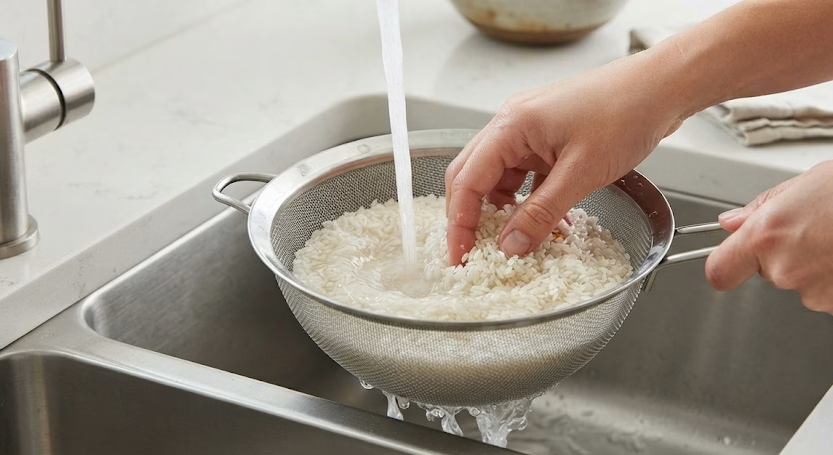
I always start by rinsing the rice under cold running water until it runs clear. This washes away the extra starch on the surface so the pudding doesn’t turn gluey. It only takes a minute but makes a real difference to the final texture.
Step 2: Simmer the Rice in Water
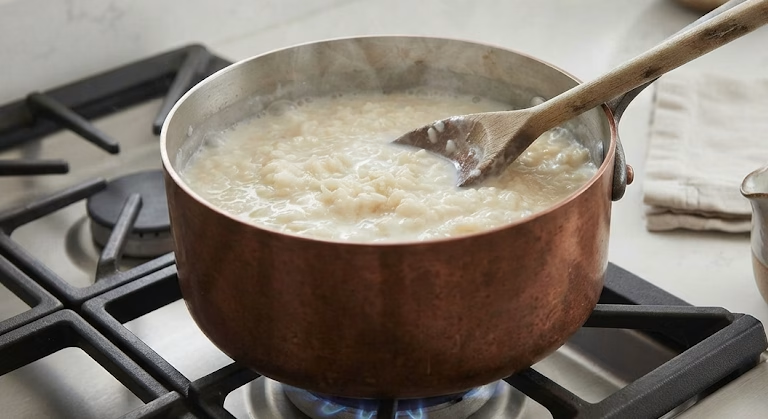
Next, I add the rinsed rice to a large pan with the water, cover it with a lid, and let it simmer gently on low heat. I leave it alone until nearly all the water has been soaked up by the rice. This softens the grains before the dairy even joins the party.
Step 3: Add the Milk
Once the water’s absorbed, I pour in the milk, but I always hold back about half a cup for later. I give everything a good stir and let it simmer uncovered for around 15 minutes, stirring now and then so nothing catches on the bottom.
Step 4: Sweeten and Spice
After that gentle simmer, I stir in the sugar until it dissolves, then add the cinnamon and cardamom. This is the stage where the kitchen starts smelling incredible. If you’d rather keep it plain, just leave the spices out here and sprinkle them on top later instead. Desserts like this also pair wonderfully with the Korean BBQ Beef Lettuce Wraps Recipe when you’re planning a complete homemade meal.
Step 5: Make the Cornflour Slurry
In a small ramekin, I whisk the reserved half cup of milk with the cornflour until it’s completely smooth with no lumps. This little step is what gives the pudding its thick, custardy consistency once it hits the heat.
Step 6: Thicken the Pudding
I pour the slurry into the pan and stir continuously with a spatula until the whole mixture visibly thickens. This usually takes just a couple of minutes, so don’t wander off during this part.
Step 7: Transfer to Baking Dishes
I like dividing the mixture between two small clay pots, but one larger ovenproof dish works just as well. Pour the thickened pudding in and smooth the tops slightly with the back of a spoon.
Step 8: Bake to a Golden Crust
I set the pots inside a deep baking tray, then pour hot water into the tray until it comes about halfway up the sides. Baking at 200°C (390°F) for around 30 minutes gives that beautiful golden-brown top that makes this pudding so special.
Step 9: Cool Before Serving
Once baked, I pull the pudding out and let it cool at room temperature before digging in. It firms up a bit as it cools, and the flavors settle in nicely too.
Additional Tips for Making This Recipe Better
I’ve made this more times than I can count, and here’s what I’ve learned along the way:
- I always use rice pudding rice or arborio rice instead of long-grain, since it releases starch and gives that classic creamy texture.
- I make sure my cornflour slurry has zero lumps before adding it, or the pudding ends up with little flour pockets.
- I stir constantly once the slurry goes in, since it thickens fast and can stick to the pan if I step away.
- I don’t skip the water bath in the oven, it keeps the pudding from drying out or cracking on top.
- I let it cool fully before serving cold, since the texture actually improves after a few hours in the fridge.
Common Mistakes to Avoid
- I once used skimmed milk to save on calories, and the pudding turned out watery instead of creamy, so I stick with full-fat now.
- I’ve rushed the rice-and-water stage before, and the rice stayed too firm even after baking, so I let it fully absorb the water first.
- I forgot to reserve milk for the slurry once and had to use cold water instead, which slightly changed the flavor, so now I always set that milk aside early.
- I’ve overbaked it trying to get extra color, and the edges turned rubbery, so I check at the 25-minute mark now.
- I tried skipping the water bath to save time, and the top cracked unevenly, so I never skip that step anymore.
How to Serve Turkish Rice Pudding?
I love serving sütlaç either warm straight from the oven or chilled from the fridge, both ways are genuinely delicious. For a pretty presentation, I sprinkle a little extra cinnamon over the top right before serving, or scatter some crushed pistachios for color and crunch.
A few strands of saffron or a scattering of dried rose petals also look gorgeous if you’re serving it for guests. I sometimes serve it in the same little clay pots it baked in, since it keeps things rustic and charming straight from oven to table. For a savory main course beforehand, the Fried Cod Fish Sandwich Recipe makes a satisfying combination.
Variations
- Swap dairy milk for full-fat coconut milk or oat milk for a dairy-free version.
- Use a sugar substitute like erythritol for a lower-sugar pudding.
- Stir in a splash of rosewater or orange blossom water for a fragrant Turkish twist.
- Top with chopped pistachios, walnuts, or toasted almonds for extra crunch.
- Add a handful of raisins or dried apricots while simmering for natural sweetness.
- Drizzle with honey or a caramel sauce just before serving for extra indulgence.
Nutritional Information
Here’s roughly what you’re looking at per serving of this creamy pudding:
- Calories: about 436 kcal
- Protein: about 12 g
- Carbohydrates: about 74 g
- Fat: about 11 g
Make Ahead and Storage
You can make this pudding a day or two ahead of time since it actually tastes great cold from the fridge. Once cooled, store it covered in the refrigerator for up to 3 days.
To reheat, warm individual portions gently in the microwave or in a saucepan over low heat, adding a splash of milk if it’s thickened too much. I don’t recommend freezing this pudding, as the texture tends to turn grainy once thawed, so it’s best enjoyed fresh within a few days.
Why You’ll Love This Recipe?
This sütlaç has become one of my go-to desserts for a reason, and here’s why I think you’ll love it too:
- It’s incredibly easy to make: just two simple stages with mostly hands-off cooking time, no fancy technique required.
- It’s naturally gluten-free: since it’s built entirely on rice, milk, and simple pantry staples.
- It’s easy to customize: you can add spices, skip them, or dress it up with garnishes depending on the occasion.
- It works hot or cold: unlike many rice puddings, this one stays creamy either way, so it fits any season.
- It feeds a crowd affordably: with just a handful of ingredients, it’s a budget-friendly dessert that still feels special.
FAQs
What is Turkish rice pudding called?
It’s called sütlaç in Turkish, which simply means “with milk.” It’s a beloved traditional dessert found across Turkish bakeries and homes.
Can I make Turkish rice pudding without baking it?
Yes, you can stop after the stovetop stage and skip the oven for a softer, custard-like pudding, though you’ll miss out on the golden baked crust.
Can I add rosewater to this recipe?
Absolutely, a small splash of rosewater stirred in with the sugar gives the pudding a lovely floral note that’s popular in many Turkish desserts.
How many calories are in Turkish rice pudding?
Each serving comes to roughly 436 calories, depending on the exact milk and sugar used.
What ingredients do I need for Turkish rice pudding?
You’ll need short-grain rice, full-fat milk, water, cornflour, sugar, and optional cinnamon and cardamom for flavor.

Turkish Rice Pudding Recipe
Ingredients
Method
- I always start by rinsing the rice under cold running water until it runs clear. This washes away the extra starch on the surface so the pudding doesn’t turn gluey. It only takes a minute but makes a real difference to the final texture.
- Next, I add the rinsed rice to a large pan with the water, cover it with a lid, and let it simmer gently on low heat. I leave it alone until nearly all the water has been soaked up by the rice. This softens the grains before the dairy even joins the party.
- Once the water’s absorbed, I pour in the milk, but I always hold back about half a cup for later. I give everything a good stir and let it simmer uncovered for around 15 minutes, stirring now and then so nothing catches on the bottom.
- After that gentle simmer, I stir in the sugar until it dissolves, then add the cinnamon and cardamom. This is the stage where the kitchen starts smelling incredible. If you’d rather keep it plain, just leave the spices out here and sprinkle them on top later instead.
- In a small ramekin, I whisk the reserved half cup of milk with the cornflour until it’s completely smooth with no lumps. This little step is what gives the pudding its thick, custardy consistency once it hits the heat.
- I pour the slurry into the pan and stir continuously with a spatula until the whole mixture visibly thickens. This usually takes just a couple of minutes, so don’t wander off during this part.
- I like dividing the mixture between two small clay pots, but one larger ovenproof dish works just as well. Pour the thickened pudding in and smooth the tops slightly with the back of a spoon.
- I set the pots inside a deep baking tray, then pour hot water into the tray until it comes about halfway up the sides. Baking at 200°C (390°F) for around 30 minutes gives that beautiful golden-brown top that makes this pudding so special.
- Once baked, I pull the pudding out and let it cool at room temperature before digging in. It firms up a bit as it cools, and the flavors settle in nicely too.
Notes
- I always use rice pudding rice or arborio rice instead of long-grain, since it releases starch and gives that classic creamy texture.
- I make sure my cornflour slurry has zero lumps before adding it, or the pudding ends up with little flour pockets.
- I stir constantly once the slurry goes in, since it thickens fast and can stick to the pan if I step away.
- I don’t skip the water bath in the oven, it keeps the pudding from drying out or cracking on top.
- I let it cool fully before serving cold, since the texture actually improves after a few hours in the fridge.