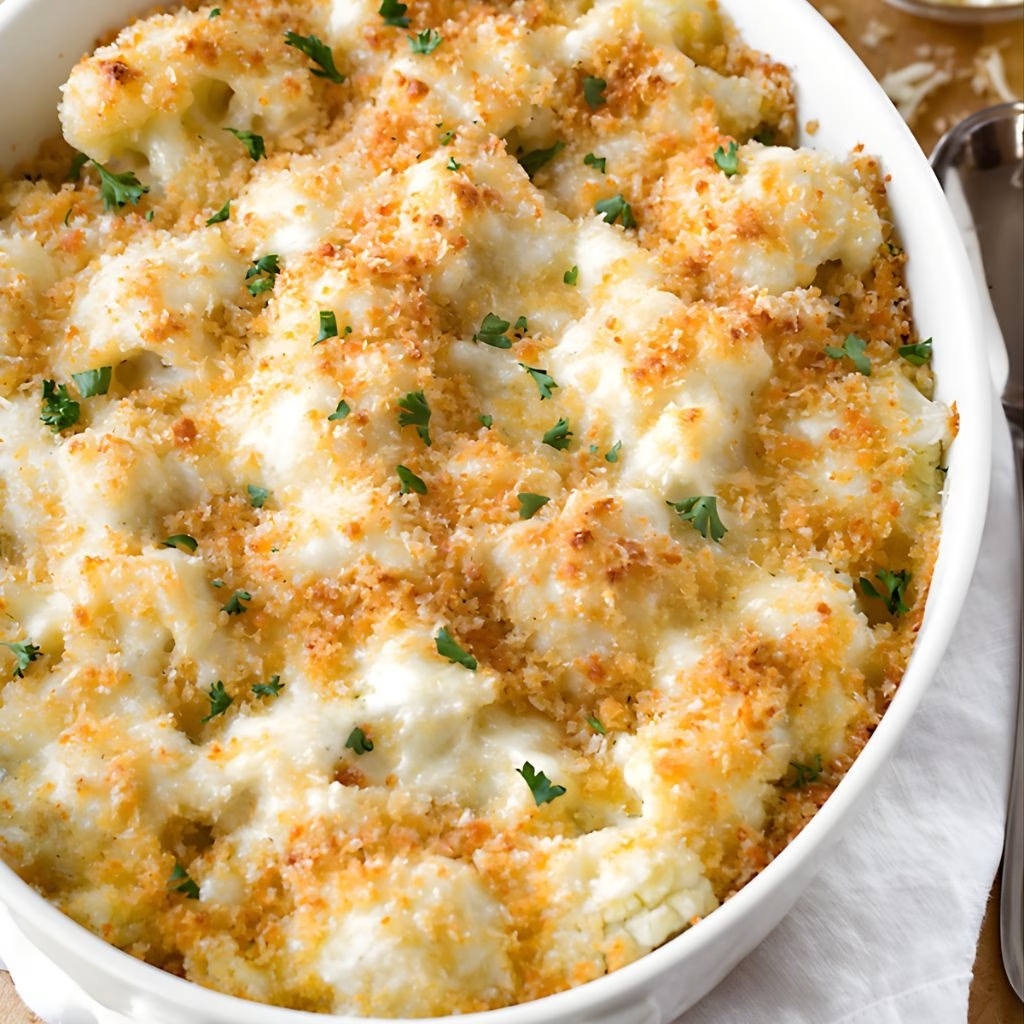
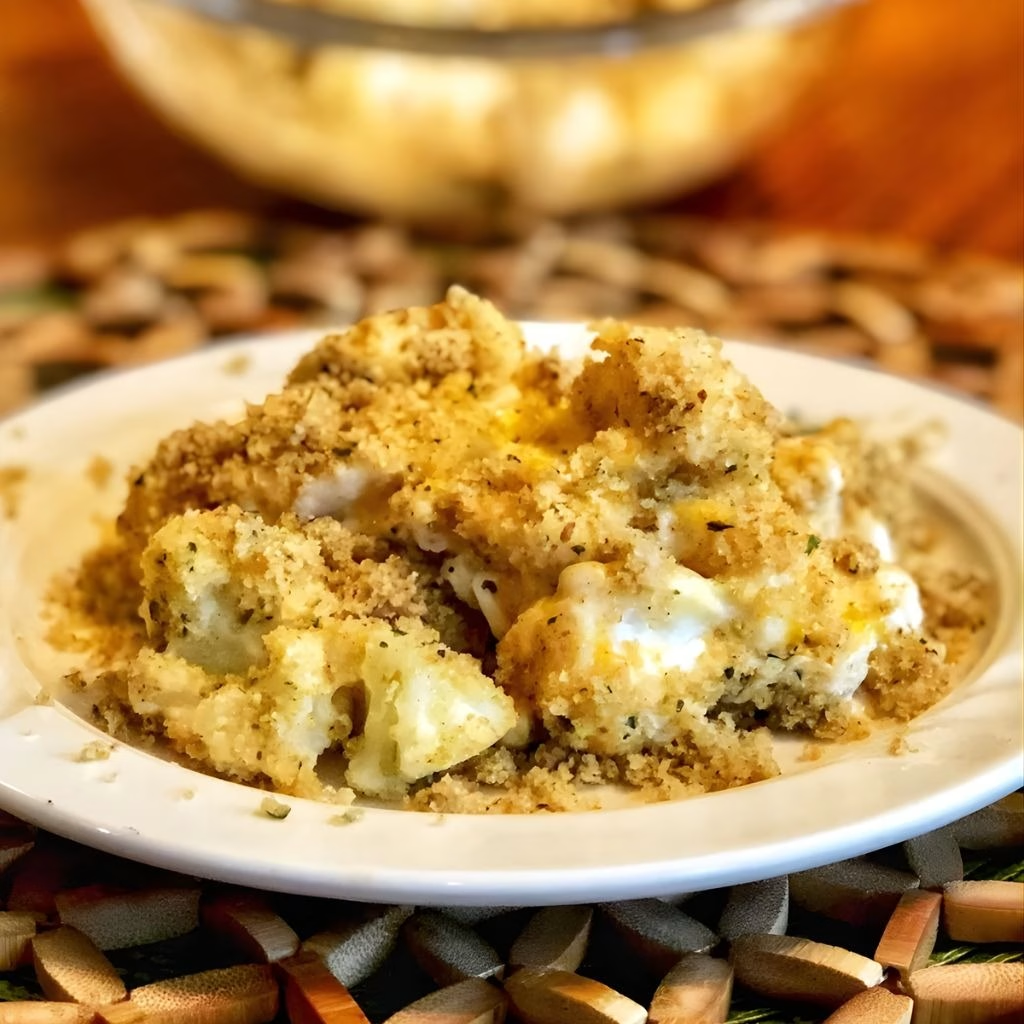
I just pulled this bubbling, golden beauty out of the oven, and the aroma of roasted garlic and toasted parmesan is absolutely filling my kitchen right now. There is honestly nothing more comforting than transforming a simple head of cauliflower into something so rich and decadent that it steals the spotlight from the main course.
I love how the creamy fontina sauce clings to every single floret while the panko topping stays perfectly crisp, creating the ultimate texture contrast in every bite. This dish has quickly become my go-to secret weapon for convincing even the pickiest eaters that vegetables can be the best part of the meal.You can also enjoy similar creative breakfast ideas like the English Muffin Breakfast Pizza Recipe when planning a weekend brunch.
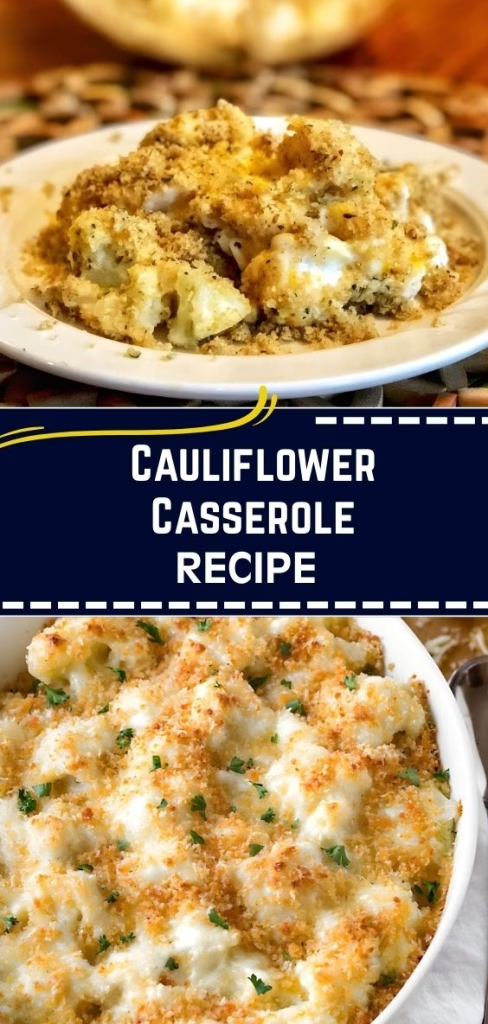
Ingredients Section
To create this masterpiece, you need specific ingredients that bring their own magic to the dish. Here is what you will need to gather before you start cooking:
- 4 ½ tablespoons unsalted butter: I prefer using unsalted butter because it gives me total control over the sodium levels in the sauce, ensuring it tastes rich without becoming salty.
- 2 cloves garlic: Fresh garlic is non-negotiable here; you want to press it yourself to release those potent, aromatic oils that infuse the butter base instantly.
- 4 ½ tablespoons all-purpose flour: This is the structural backbone of your sauce, thickening the liquid into a velvety consistency that coats the vegetable perfectly.
- 2 ½ cups milk (2% reduced fat): While you can use whole milk for decadence, I find that 2% provides the perfect balance of creaminess without making the dish feel overly heavy or greasy.
- 1 ¼ cup grated parmesan cheese: Always grate your parmesan fresh from the block because pre-grated versions contain anti-caking agents that prevent the cheese from melting into a smooth, cohesive sauce.
- Salt: You will use this in stages, both to season the blanching water for the cauliflower and to wake up the flavors in your creamy white sauce.
- Black pepper: A pinch of freshly cracked black pepper cuts through the richness of the dairy and adds a subtle, earthy heat that lingers on the palate.
- ½ cup panko breadcrumbs: Japanese-style panko crumbs are essential because they are larger and airier than traditional crumbs, guaranteeing a topping that stays crunchy rather than getting soggy.
- ¼ teaspoon paprika:This spice isn’t just for flavor; it adds a beautiful, warm golden hue to your breadcrumb topping once it toasts in the oven.
- 3 pounds cauliflower florets: Look for firm, white heads without blemish, or buy pre-cut florets to save time, ensuring they are cut into uniform bite-sized pieces for even cooking.
- ¼ teaspoon granulated onion: This dried aromatic adds a concentrated savory depth that permeates the casserole in a way that fresh onions sometimes miss in creamy sauces.
- ½ cup grated fontina cheese: Fontina is the secret star here, offering a superior melting quality and a mild, nutty flavor that bridges the gap between the sharp parmesan and sweet cauliflower.
- 1 tablespoon chopped fresh parsley: This fresh herb provides a burst of color and a clean, grassy finish that brightens up the heavy, cheesy flavors of the casserole.
Note: This recipe yields approximately 8 servings.
Variations
While I adore the classic version of this recipe, it is incredibly versatile and welcomes a variety of changes to suit your dietary needs or pantry staples.For a fun, indulgent twist, you might also try the Pull Apart Cheeseburger Sliders Recipe for a savory slider option that’s easy to serve alongside this casserole.
- Gluten-Free Adaptation: You can easily swap the all-purpose flour for a high-quality gluten-free 1-to-1 baking flour blend when making the roux. Just be sure to whisk significantly to avoid any grittiness. Additionally, ensure you purchase certified gluten-free panko breadcrumbs or crush up some gluten-free crackers for the topping.
- The “Broccoli & Cauliflower” Mix: If you want to add more color, substitute half of the cauliflower weight with broccoli florets. The green and white contrast looks stunning under the golden sauce, and broccoli pairs just as beautifully with the fontina and parmesan cheese profile.
- Protein Boost: For a heartier meal that eats like a main course, try folding in cubes of cooked ham, shredded rotisserie chicken, or crispy bacon bits into the sauce before baking. The smoky flavor of bacon, in particular, complements the creamy garlic sauce exceptionally well.
- Spicy Kick: If you enjoy a bit of heat, infuse the milk with a pinch of red pepper flakes or add a dash of cayenne pepper to the breadcrumb topping. This cuts through the richness of the dairy and adds a surprising, delightful warmth to the finish.
- Cheese Alternatives: While fontina is my favorite for its melting qualities, you can substitute it with Gruyère for a nuttier, more sophisticated taste, or a sharp white cheddar if you prefer a classic American flavor profile. Just avoid pre-shredded cheeses to ensure the sauce remains smooth.
Cooking Time
- Prep Time: 20 minutes
- Cooking Time: 45 minutes
- Total Time: 1 hour 5 minutes
Equipment You Need
- Large Stockpot: You will need this to boil the salted water for blanching the cauliflower florets until they are tender-crisp.
- Medium Saucepan: Essential for making the roux and simmering the creamy parmesan garlic sauce until it thickens.
- Whisk: This tool is crucial for incorporating the milk into the flour and butter mixture to ensure a lump-free, smooth sauce.
- 2 ½ Quart Baking Dish: This specific size is perfect for holding all the ingredients without them spilling over while bubbling in the oven.
- Colander: You need this to thoroughly drain the cauliflower after blanching so you don’t introduce excess water into your casserole.
- Garlic Press: Using a press ensures the garlic is practically a paste, allowing it to dissolve seamlessly into the butter.
How to Make Cauliflower Casserole Recipe
Prep and Preheat
Start by preheating your oven to 375°F so it is fully up to temperature when you are ready to bake. While the oven warms, gather all your ingredients, chop the parsley, grate your cheeses, and have your baking dish ready on the counter. This “mise en place” approach ensures the cooking process flows smoothly without any panic.
Make the Garlic Roux Base
Place a medium saucepan over medium heat and melt 2 ½ tablespoons of the butter until it is bubbling gently. Add the pressed garlic to the melted butter and stir it constantly for just a minute until it becomes incredibly fragrant but not browned. Sprinkle the flour over the butter and stir to create a thick paste, cooking for a minute to remove the raw flour taste.
Whisk the Cream Sauce
Slowly pour the 2% milk into the roux while whisking continuously to prevent any lumps from forming in your base. Continue to cook this mixture over medium heat, whisking often, for about 5 to 6 minutes until it reaches a vigorous simmer and thickens. It should coat the back of a spoon nicely, resembling the consistency of heavy cream.
Finish the Parmesan Sauce
Remove the thickened sauce from the heat immediately to prevent it from scorching or separating. Whisk in your salt, pepper, and one cup of the grated parmesan cheese until the cheese is fully melted and the sauce is smooth. Set this pot aside in a warm spot so it stays fluid while you prepare the vegetable components.
Prepare the Panko Topping
In a small bowl, combine the panko breadcrumbs with the remaining ¼ cup of parmesan cheese and the paprika. Melt the remaining 2 tablespoons of butter and drizzle it over the crumb mixture, using a fork to toss everything together until evenly coated. This step ensures your topping browns evenly and achieves that perfect, audibly crunchy texture.
Blanch the Cauliflower
Bring a large pot of salted water to a rolling boil and carefully drop in your cauliflower florets. Cook them for only 4 to 5 minutes so they become slightly tender but still retain a firm “bite” or crispness in the center. Drain them very well in a colander, shaking off excess water to prevent a watery casserole sauce later.
Assemble the Layers
Spread about one cup of your warm parmesan sauce across the bottom of your baking dish to create a flavorful bed. Arrange the blanched, drained cauliflower florets on top of the sauce and season them evenly with the granulated onion. Pour the remaining sauce over the top, using a spatula to ensure every single floret gets a coating of the liquid gold.
Add Cheese and Bake
Sprinkle the grated fontina cheese over the sauced cauliflower, followed immediately by your prepared panko breadcrumb mixture. Place the dish in the center of your preheated oven and bake for 25 to 30 minutes. You are looking for the sauce to be bubbling vigorously at the edges and the top to be a deep golden brown.
Cool and Garnish
Once baked, remove the casserole from the oven and let it sit for about 5 to 10 minutes to set. This resting period allows the sauce to thicken slightly, making it easier to serve clean scoops. Sprinkle the chopped fresh parsley over the top for a pop of freshness and serve it while warm.
Additional Tips for Making this Recipe Better
- Dry the Cauliflower Thoroughly: In my experience, the biggest mistake people make is not drying the vegetable enough; I always let the cauliflower sit in the colander for a few extra minutes or even pat it with paper towels to ensure the sauce doesn’t get watered down.
- Grate Your Own Cheese: I cannot stress this enough—pre-shredded cheese contains cellulose which stops it from clumping in the bag but creates a grainy sauce; buying a block of fontina and parmesan and grating it yourself changes the texture from good to gourmet.
- Don’t Overcook the Blanch: I suggest checking the cauliflower at the 3-minute mark during blanching; you want it to be “al dente” because it will continue to cook in the oven, and nobody likes mushy cauliflower in a casserole.
- Broil for a Finish: If the cooking time is up but your topping isn’t quite as brown as you like, I recommend switching the oven to broil for the last 1-2 minutes, but watch it like a hawk so it doesn’t burn.
How to Serve Cauliflower Casserole Recipe
This casserole is a versatile side that pairs magnificently with robust main courses. I love serving it alongside a perfectly seared steak or roast chicken, as the creamy sauce complements the savory meat juices beautifully. For a holiday spread, it holds its own next to roast turkey or glazed ham, offering a lighter alternative to potato gratin while scratching that same itch for comfort food.
For presentation, clean the edges of the baking dish with a damp cloth before bringing it to the table. The vibrant green parsley garnish is essential for visual appeal, breaking up the beige and golden tones of the cheese and breadcrumbs. Serve it with a large spoon to ensure everyone gets plenty of the sauce and the crunchy topping in every scoop. It also pairs wonderfully with a crisp, acidic green salad with vinaigrette to cut through the richness of the cheese.
Nutritional Information
While the indulgence level is high, it is helpful to know what goes into your body:
- Calories: 273 calories per serving.
- Protein: This dish offers a moderate protein boost thanks to the combination of milk, parmesan, and fontina cheese.
- Carbohydrates: The carb count is primarily driven by the milk thickeners and breadcrumbs, though cauliflower keeps it lower than potato dishes.
- Fat: The richness comes from butter and whole cheeses, providing the satiety and flavor that makes this dish so satisfying.
Make Ahead and Storage
How to Store
Leftovers should be stored in an airtight container in the refrigerator to keep the flavors fresh and prevent the fridge smells from seeping in. The casserole will stay good for 3 to 4 days, making it excellent for meal prep lunches.
How to Reheat
To restore the dish, I recommend reheating individual portions in the microwave or, for better texture, placing the casserole back in a 350°F oven covered with foil until warm. If the sauce has thickened too much in the fridge, it usually loosens up nicely once heated through.
Freezing Guidelines
I honestly do not recommend freezing this particular casserole because dairy-based sauces tend to separate and become grainy when thawed. Additionally, the cauliflower can release excess moisture upon thawing, leading to a watery and unappealing texture.
Why You’ll Love This Recipe
- Incredible Texture Contrast: You will fall in love with the combination of tender (but not mushy) cauliflower coated in velvet sauce topped with that audibly crunchy panko crust. The interplay between the soft, creamy interior and the crispy, toasted exterior makes every bite interesting and satisfying.
- A Stealthy Veggie Dish: This recipe is a fantastic way to get children or vegetable skeptics to eat cauliflower without complaint because the veggie flavor is mild. The rich cheese sauce and savory garlic mask the sulfurous notes often associated with cruciferous vegetables.
- Easier Than It Looks: Despite looking like a high-end restaurant side dish, the process is straightforward and relies on basic cooking techniques like making a roux. You don’t need fancy equipment or hours of time to produce something that looks and tastes professional.
- Endlessly Customizable: I love that this base recipe serves as a blank canvas for whatever cheese or spices I have in my pantry. Whether you swap fontina for gruyere or add spicy red pepper flakes, the fundamental technique remains the same and always yields delicious results.
- Perfect for Holidays: This dish frees up stovetop space since it finishes in the oven, making it a strategic choice for Thanksgiving or Christmas dinners. It brings the comfort of mac and cheese but offers a slightly lighter, vegetable-forward alternative that guests always appreciate.

Cauliflower Casserole Recipe
Ingredients
Method
- Start by preheating your oven to 375°F so it is fully up to temperature when you are ready to bake. While the oven warms, gather all your ingredients, chop the parsley, grate your cheeses, and have your baking dish ready on the counter. This “mise en place” approach ensures the cooking process flows smoothly without any panic.
- Place a medium saucepan over medium heat and melt 2 ½ tablespoons of the butter until it is bubbling gently. Add the pressed garlic to the melted butter and stir it constantly for just a minute until it becomes incredibly fragrant but not browned. Sprinkle the flour over the butter and stir to create a thick paste, cooking for a minute to remove the raw flour taste.
- Slowly pour the 2% milk into the roux while whisking continuously to prevent any lumps from forming in your base. Continue to cook this mixture over medium heat, whisking often, for about 5 to 6 minutes until it reaches a vigorous simmer and thickens. It should coat the back of a spoon nicely, resembling the consistency of heavy cream.
- Remove the thickened sauce from the heat immediately to prevent it from scorching or separating. Whisk in your salt, pepper, and one cup of the grated parmesan cheese until the cheese is fully melted and the sauce is smooth. Set this pot aside in a warm spot so it stays fluid while you prepare the vegetable components.
- In a small bowl, combine the panko breadcrumbs with the remaining ¼ cup of parmesan cheese and the paprika. Melt the remaining 2 tablespoons of butter and drizzle it over the crumb mixture, using a fork to toss everything together until evenly coated. This step ensures your topping browns evenly and achieves that perfect, audibly crunchy texture.
- Bring a large pot of salted water to a rolling boil and carefully drop in your cauliflower florets. Cook them for only 4 to 5 minutes so they become slightly tender but still retain a firm “bite” or crispness in the center. Drain them very well in a colander, shaking off excess water to prevent a watery casserole sauce later.
- Spread about one cup of your warm parmesan sauce across the bottom of your baking dish to create a flavorful bed. Arrange the blanched, drained cauliflower florets on top of the sauce and season them evenly with the granulated onion. Pour the remaining sauce over the top, using a spatula to ensure every single floret gets a coating of the liquid gold.
- Sprinkle the grated fontina cheese over the sauced cauliflower, followed immediately by your prepared panko breadcrumb mixture. Place the dish in the center of your preheated oven and bake for 25 to 30 minutes. You are looking for the sauce to be bubbling vigorously at the edges and the top to be a deep golden brown.
- Once baked, remove the casserole from the oven and let it sit for about 5 to 10 minutes to set. This resting period allows the sauce to thicken slightly, making it easier to serve clean scoops. Sprinkle the chopped fresh parsley over the top for a pop of freshness and serve it while warm.
Notes
- Dry the Cauliflower Thoroughly: In my experience, the biggest mistake people make is not drying the vegetable enough; I always let the cauliflower sit in the colander for a few extra minutes or even pat it with paper towels to ensure the sauce doesn’t get watered down.
- Grate Your Own Cheese: I cannot stress this enough—pre-shredded cheese contains cellulose which stops it from clumping in the bag but creates a grainy sauce; buying a block of fontina and parmesan and grating it yourself changes the texture from good to gourmet.
- Don’t Overcook the Blanch: I suggest checking the cauliflower at the 3-minute mark during blanching; you want it to be “al dente” because it will continue to cook in the oven, and nobody likes mushy cauliflower in a casserole.
- Broil for a Finish: If the cooking time is up but your topping isn’t quite as brown as you like, I recommend switching the oven to broil for the last 1-2 minutes, but watch it like a hawk so it doesn’t burn.