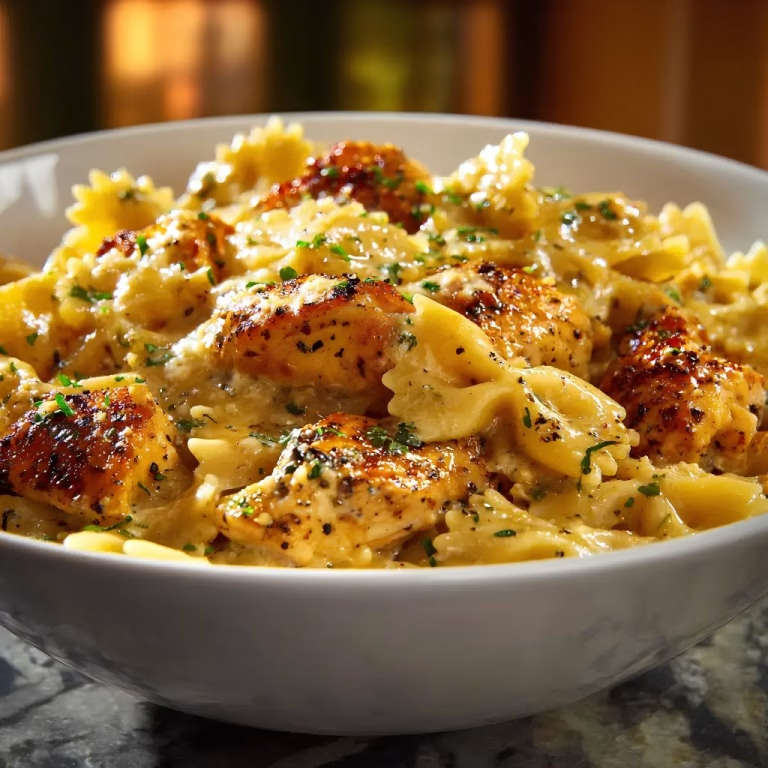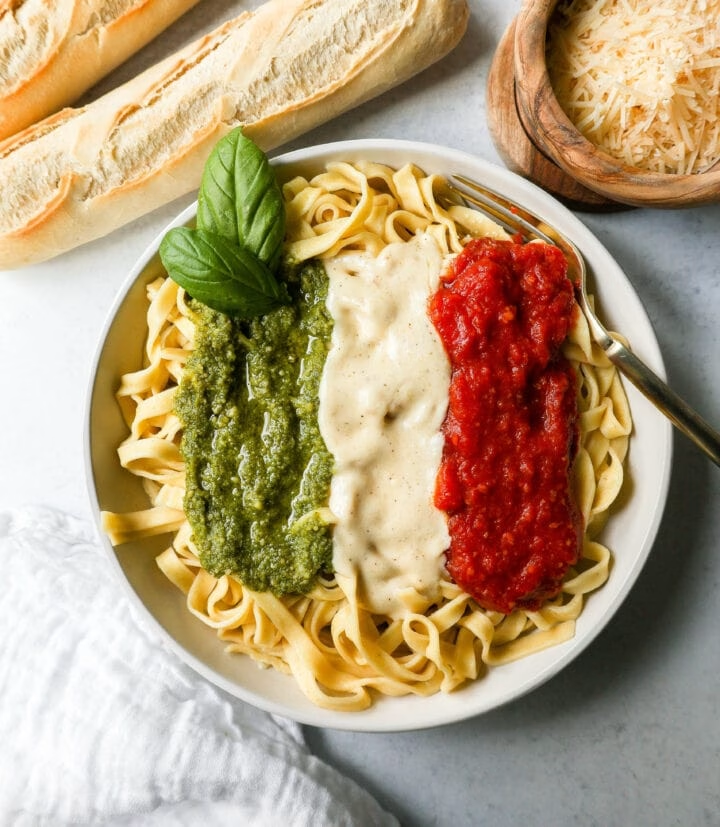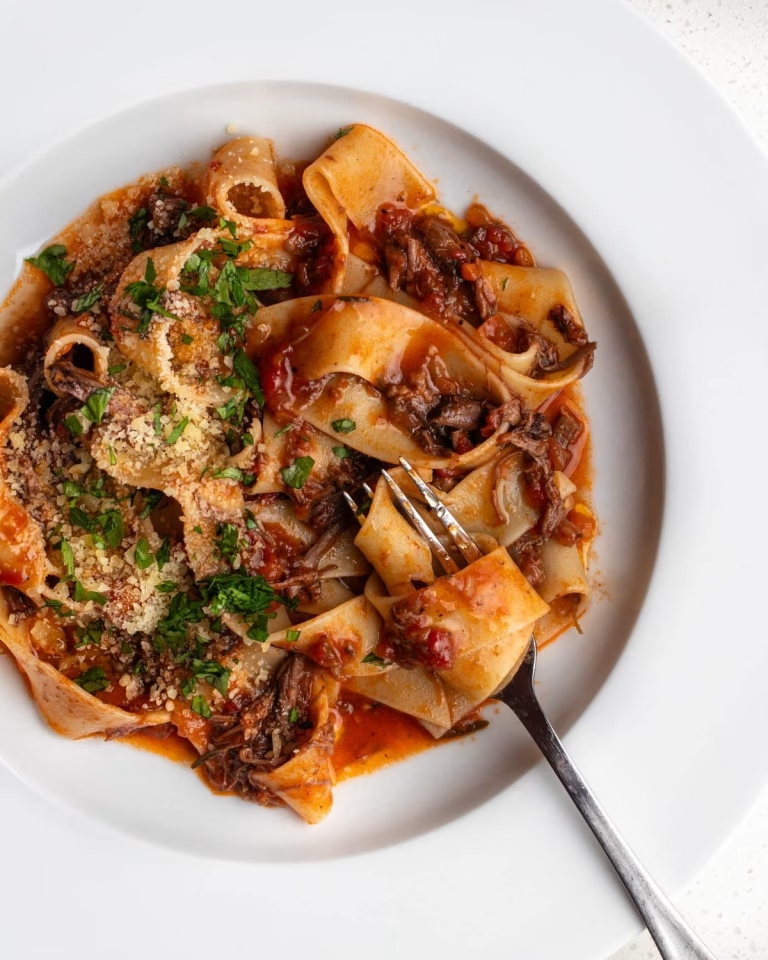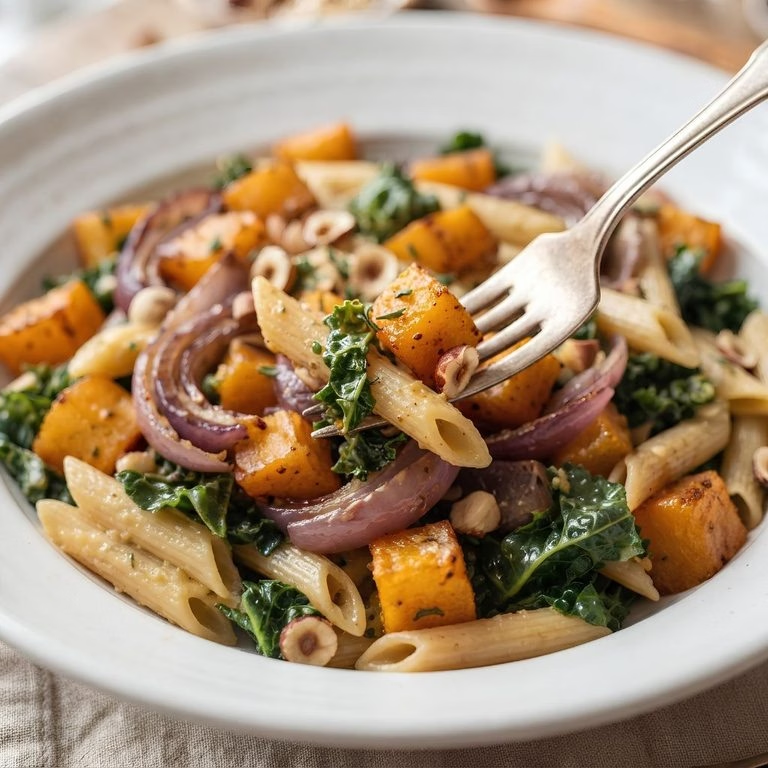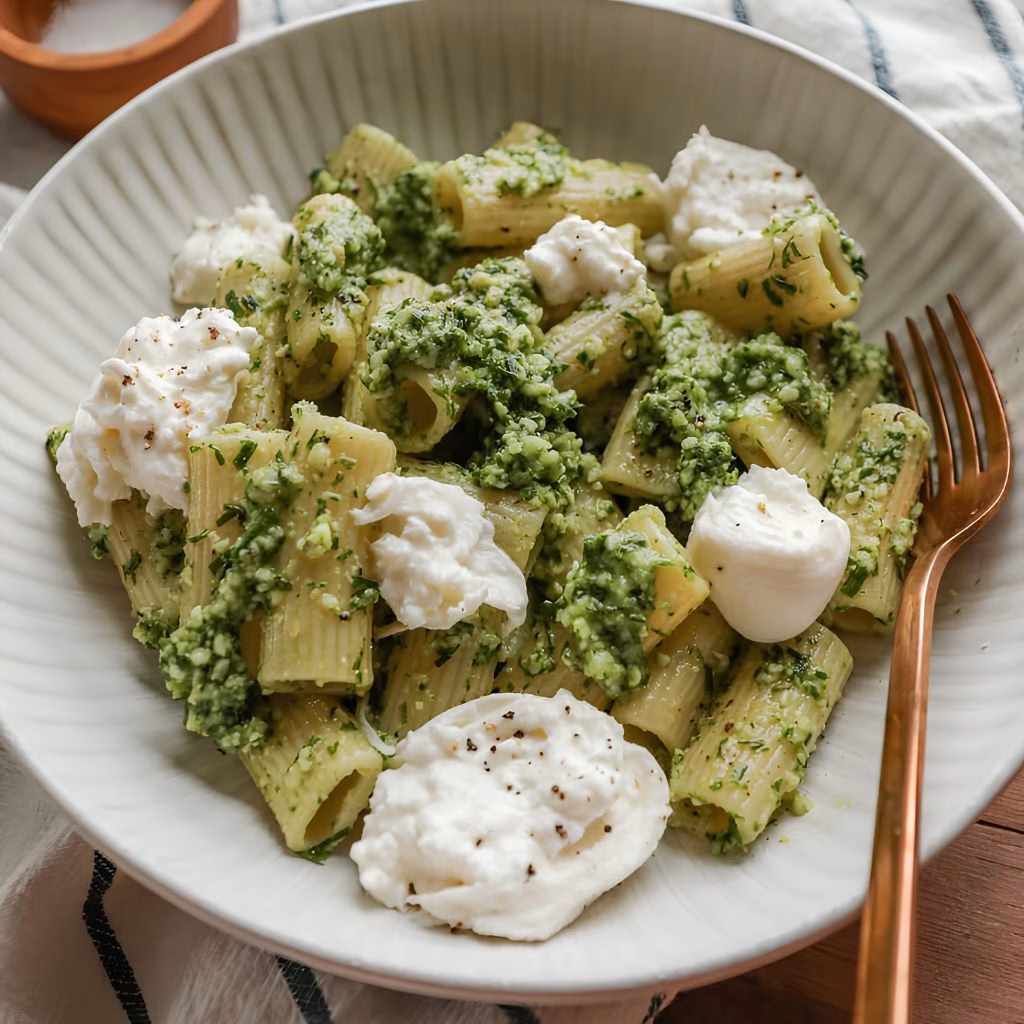
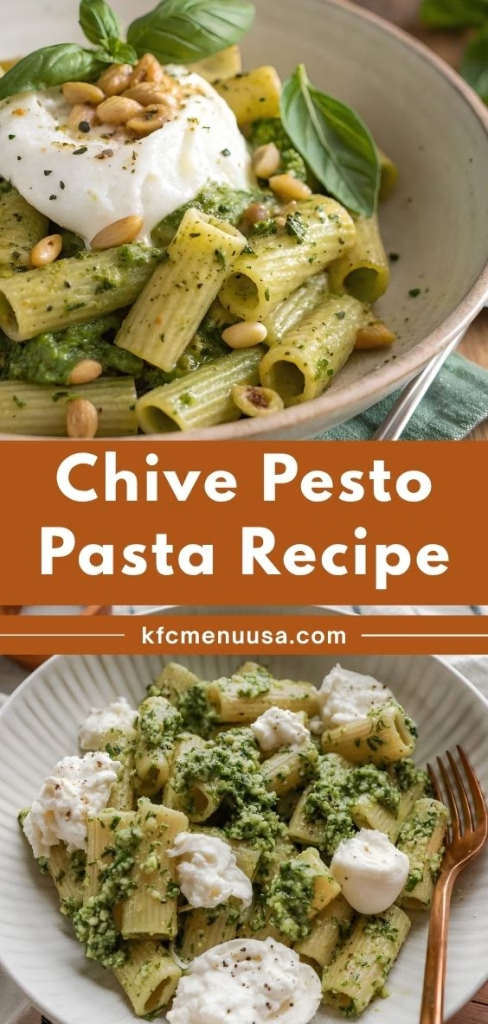
I made this Chive Pesto Pasta Recipe the first week my garden chives came back to life, and it turned into an instant favorite at my table. I had way more chives than I knew what to do with, so I blitzed them into a pesto instead of just sprinkling them on eggs.
The light, oniony flavor mixed with parmesan and pine nuts is honestly addictive. I tossed it with pasta and torn burrata, and it disappeared in minutes. If you’ve got chives growing wild too, this is the recipe that finally puts them to good use.
Cooking Time
- Prep Time: 15 minutes
- Cooking Time: 12 minutes
- Total Time: 27 minutes
Ingredients
- 3 oz fresh chives – this is the star of the show, giving a mellow onion flavor without any harshness
- 1/2 cup extra virgin olive oil – use a good-quality one since it makes up most of the pesto’s base
- 1/3 cup fresh grated parmesan cheese – grate it yourself, pre-shredded bags don’t melt into the pesto as smoothly
- 1/4 cup pine nuts – toast them lightly first for a deeper, nuttier flavor
- 1 clove fresh garlic – fresh is a must here, jarred garlic tastes flat in a raw pesto
- 2 tsp fresh squeezed lemon juice – brightens the pesto and keeps the chive color vibrant
- 1/4-1/2 tsp coarse sea salt – start light, you can always add more later
- 3 twists fresh cracked black pepper – freshly cracked has way more punch than pre-ground
- 1 lb short cut pasta – tubular shapes like penne or rigatoni hold the pesto best
- 1/2 tsp coarse sea salt (for pasta water) – seasons the pasta itself from the inside out
- 1/2 piece burrata per plate – adds a creamy, rich finish that balances the sharp pesto
Note: this recipe serves 6 to 8 people.
Equipment You Need
- Small food processor – blends the pesto ingredients into a smooth, spreadable sauce
- Large pot – boils the pasta with plenty of room to move
- Colander – drains the cooked pasta quickly
- Measuring cups and spoons – keeps ingredient ratios accurate
- Rubber spatula – scrapes down the sides of the processor bowl for even blending
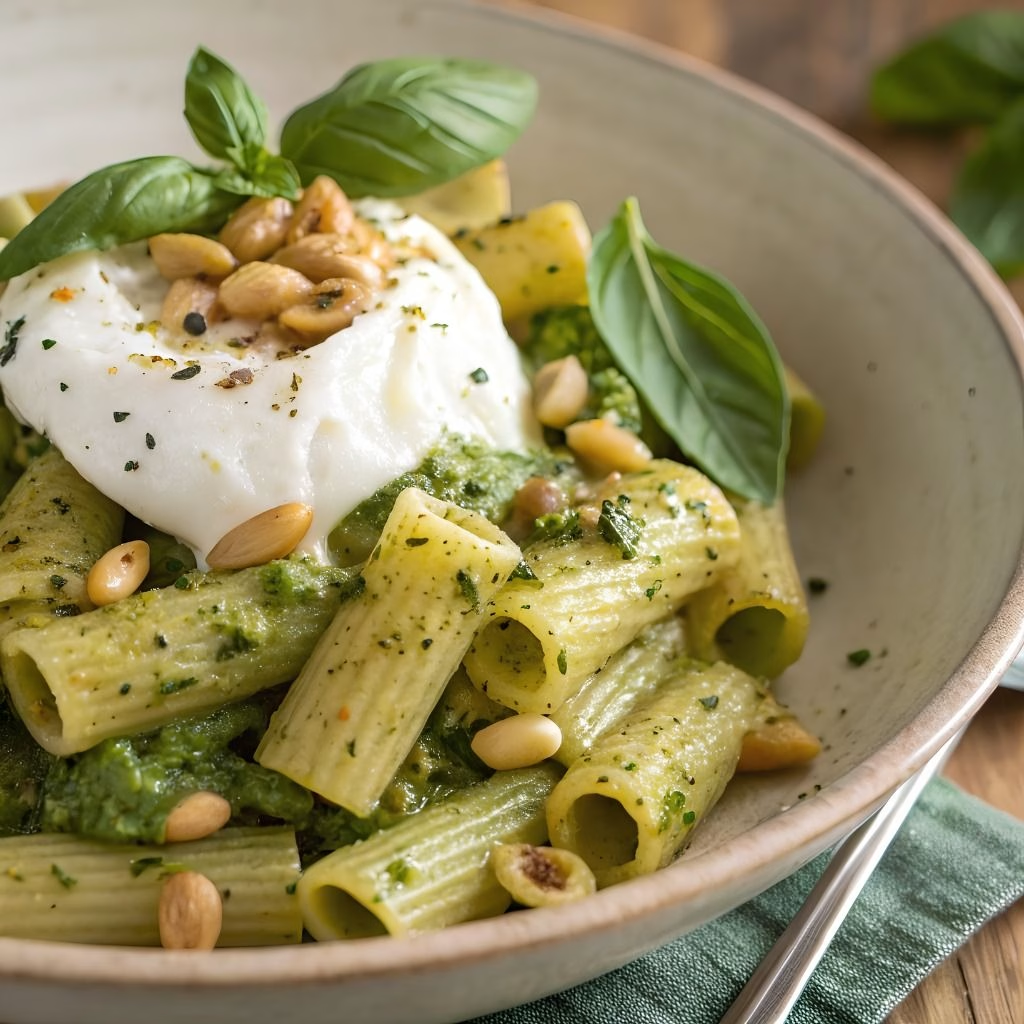
How to Make Chive Pesto Pasta Recipe?
This recipe comes together in two simple stages: blending the pesto and cooking the pasta. Once both parts are ready, plating takes just a minute. Here’s exactly how I do it every time.
Step 1: Blend the Chive Pesto
Add the chives, garlic, parmesan, pine nuts, olive oil, lemon juice, salt, and pepper into a small food processor. Pulse everything together until it forms a mostly smooth paste. If bits of chive or nuts stick to the sides, stop and scrape them down with a spatula before pulsing again. Set the finished pesto aside while you cook the pasta.
Step 2: Cook the Pasta
Fill a large pot with water and stir in the salt, then bring it to a rolling boil. Add your short cut pasta and cook according to the package directions until it reaches al dente. Give it an occasional stir so nothing sticks to the bottom of the pot. Drain the pasta well once it’s done cooking.
Step 3: Toss and Plate
Divide the drained pasta between plates or bowls while it’s still warm. Spoon a generous amount of chive pesto over each portion and toss gently so every piece gets coated. Warm pasta helps the pesto loosen and spread more evenly across the noodles.
Step 4: Add the Burrata and Serve
Break half a piece of burrata into rough pieces over each plate of pasta. Finish with an extra pinch of sea salt and a few more twists of black pepper if you like. Serve it right away while the pasta is still warm and the burrata is soft.
Additional Tips for Making This Recipe Better
I’ve made this pesto more times than I can count, and here’s what I’ve learned along the way.
- I always fold my chives in half and press them into the measuring cup instead of chopping them first, it gives a more accurate measurement.
- I like to toast my pine nuts in a dry pan for a minute or two, it adds a much richer flavor to the finished pesto.
- I taste the pesto before tossing it with pasta and adjust the salt or lemon juice right then, it’s easier to fix at that stage.
- I save a splash of pasta water before draining, it helps loosen the pesto if it feels too thick once tossed.
- I use my garden chives whenever I can since they’re thicker and more flavorful than the thin ones from the store.
Common Mistakes to Avoid
- I once used cold pasta straight from the fridge and the pesto didn’t spread evenly, so I always toss it while the pasta is still warm.
- I tried pre-shredded parmesan once and the pesto turned out grainy, fresh grated cheese blends in so much better.
- I skipped toasting the pine nuts one time and really missed that deeper flavor, it’s a small step that’s worth the extra minute.
- I over-processed the pesto once and it turned almost liquid, pulsing in short bursts keeps a better texture.
- I forgot to salt my pasta water early on, and the noodles tasted bland even with the pesto on top.
How to Serve Chive Pesto Pasta
I like to serve this pasta right in shallow bowls so the pesto pools nicely at the bottom instead of sliding off. Torn burrata on top always makes it look a little more special, and a few extra chive snips scattered over the plate add a fresh pop of color.
A light dusting of extra parmesan and a drizzle of good olive oil right before serving rounds it out nicely. I also like pairing it with a simple green salad and warm crusty bread on the side for a full spring dinner. For a larger spring spread, desserts like a giant almond croissant recipe and blueberry curd bars recipe can fit naturally alongside the meal.
Variations
- Swap the pine nuts for chopped walnuts or almonds if that’s what you have on hand.
- Use nutritional yeast instead of parmesan for a dairy-free version of the pesto.
- Add a handful of fresh basil or parsley along with the chives for a more layered herb flavor.
- Stir in a spoonful of Greek yogurt or mascarpone for an extra creamy pesto sauce.
- Try it with grilled chicken, salmon, or steak instead of pasta for a protein-forward meal.
- Use it as a spread on crusty bread or crackers for a quick appetizer.
Nutritional Information
Here’s a general idea of what one serving of this chive pesto pasta with burrata looks like.
- Calories: approximately 420 per serving
- Protein: approximately 14g per serving
- Carbohydrates: approximately 45g per serving
- Fat: approximately 21g per serving
Make Ahead and Storage
You can make the chive pesto up to a day ahead of time and keep it covered in the fridge until you’re ready to cook the pasta. This saves time on busy weeknights since the pesto part is already done.
Store any leftover pesto in an airtight container in the refrigerator for up to a week. A thin layer of olive oil on top helps keep the color bright and prevents browning.
For longer storage, freeze the pesto in a sealed container or ice cube tray for up to three months. Thaw it in the refrigerator overnight before using it again in pasta or as a spread.
Why You’ll Love This Recipe?
This chive pesto pasta earns a permanent spot in my rotation for a few good reasons.
- It’s fast: the whole dish comes together in under 30 minutes, making it perfect for a quick weeknight dinner.
- It’s versatile: the pesto works just as well on bread, chicken, or fish as it does tossed with pasta.
- It uses up extra chives: if your garden chives are taking over, this recipe puts a big batch to great use.
- It’s easy to customize: swap nuts, cheese, or add-ins to match whatever you have in your kitchen.
- It feels special: the burrata on top makes a simple pasta dish look and taste like something from a restaurant.
FAQs
What is chive pesto made of?
Chive pesto is made of fresh chives, garlic, parmesan cheese, pine nuts, olive oil, lemon juice, salt, and pepper blended together into a smooth sauce.
Is there a garlic chive pesto version of this recipe?
Yes, you can use garlic chives instead of regular chives for a slightly stronger, more garlicky flavor in the pesto.
What makes the best chive pesto recipe?
The best chive pesto balances fresh chives with good olive oil, real parmesan, and a touch of lemon juice for brightness and freshness.
Can I make a lemon chive pesto?
Yes, simply add an extra teaspoon of lemon juice and a bit of lemon zest to brighten the flavor even more.
Can this pesto be used in a chive pesto potato salad?
Yes, this pesto works wonderfully stirred into warm boiled potatoes for a quick and flavorful potato salad.
How is chive basil pesto different from this recipe?
Chive basil pesto adds fresh basil leaves alongside the chives for a more classic, herby pesto flavor.
Can I make a vegan chive pesto?
Yes, replace the parmesan with nutritional yeast and it turns into a fully vegan chive pesto.
Can I combine chive and parsley pesto?
Yes, adding a handful of fresh parsley along with the chives gives the pesto a fuller, more herbaceous taste.

Chive Pesto Pasta Recipe
Ingredients
Method
- Add the chives, garlic, parmesan, pine nuts, olive oil, lemon juice, salt, and pepper into a small food processor. Pulse everything together until it forms a mostly smooth paste. If bits of chive or nuts stick to the sides, stop and scrape them down with a spatula before pulsing again. Set the finished pesto aside while you cook the pasta.
- Fill a large pot with water and stir in the salt, then bring it to a rolling boil. Add your short cut pasta and cook according to the package directions until it reaches al dente. Give it an occasional stir so nothing sticks to the bottom of the pot. Drain the pasta well once it’s done cooking.
- Divide the drained pasta between plates or bowls while it’s still warm. Spoon a generous amount of chive pesto over each portion and toss gently so every piece gets coated. Warm pasta helps the pesto loosen and spread more evenly across the noodles.
- Break half a piece of burrata into rough pieces over each plate of pasta. Finish with an extra pinch of sea salt and a few more twists of black pepper if you like. Serve it right away while the pasta is still warm and the burrata is soft.
Notes
- I always fold my chives in half and press them into the measuring cup instead of chopping them first, it gives a more accurate measurement.
- I like to toast my pine nuts in a dry pan for a minute or two, it adds a much richer flavor to the finished pesto.
- I taste the pesto before tossing it with pasta and adjust the salt or lemon juice right then, it’s easier to fix at that stage.
- I save a splash of pasta water before draining, it helps loosen the pesto if it feels too thick once tossed.
- I use my garden chives whenever I can since they’re thicker and more flavorful than the thin ones from the store.