I started making spaetzle a few years ago after a trip that left me completely obsessed with German comfort food, and I haven’t looked back since. The first time I made it, I didn’t even own a proper spaetzle maker, so I just worked with what I had and it still turned out great.
Now it’s become my go-to whenever I want something heartier than regular pasta but don’t feel like fussing over a complicated recipe. I promise once you try this Easy Homemade Spaetzle Recipe, you’ll wonder why you didn’t make it sooner. It’s honestly one of the easiest homemade noodles I’ve ever pulled off.
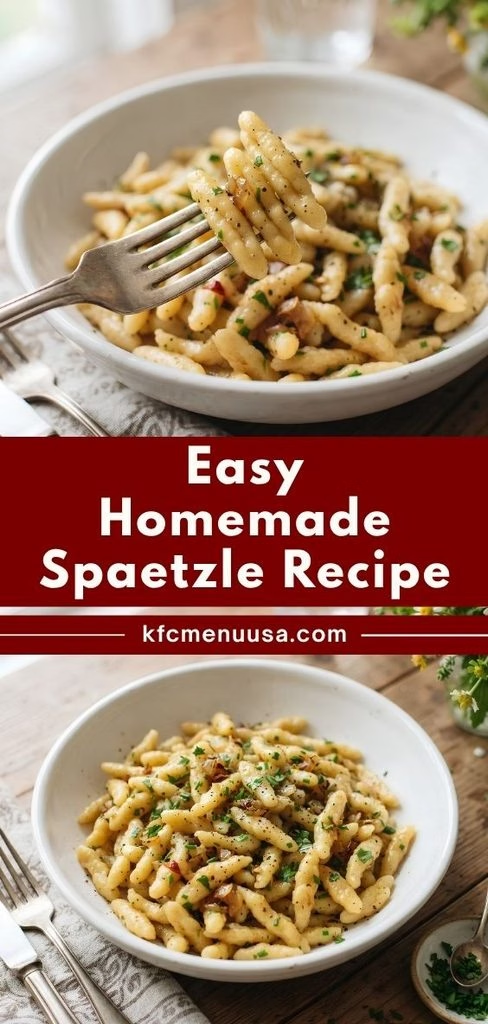
Cooking Time
- Prep Time: 10 minutes
- Cooking Time: 5 minutes
- Total Time: 15 minutes
Ingredients
- 4 cups all-purpose flour — the base of your batter, don’t swap in self-rising flour or the texture goes completely wrong
- 2 teaspoons salt — seasons the dough itself so the spaetzle isn’t bland once boiled
- 8 large eggs — gives the batter its rich, custardy texture and signature yellow color
- ¾ cup milk or water — thins the batter to the right consistency, milk makes it a touch richer
- 2 tablespoons butter (for finishing) — adds a glossy, nutty flavor once the spaetzle is sautéed
Note: serves several, about 6 to 8 people as a hearty side dish.
Equipment You Need
- Large mixing bowl — for combining your batter ingredients
- Whisk or wooden spoon — to beat the batter until smooth and slightly elastic
- Large pot — for boiling a generous amount of salted water
- Spaetzle maker or a colander with large holes — presses the batter into the boiling water
- Slotted spoon — lifts the cooked spaetzle out and lets excess water drip away
- Large skillet — for sautéing the spaetzle in butter before serving
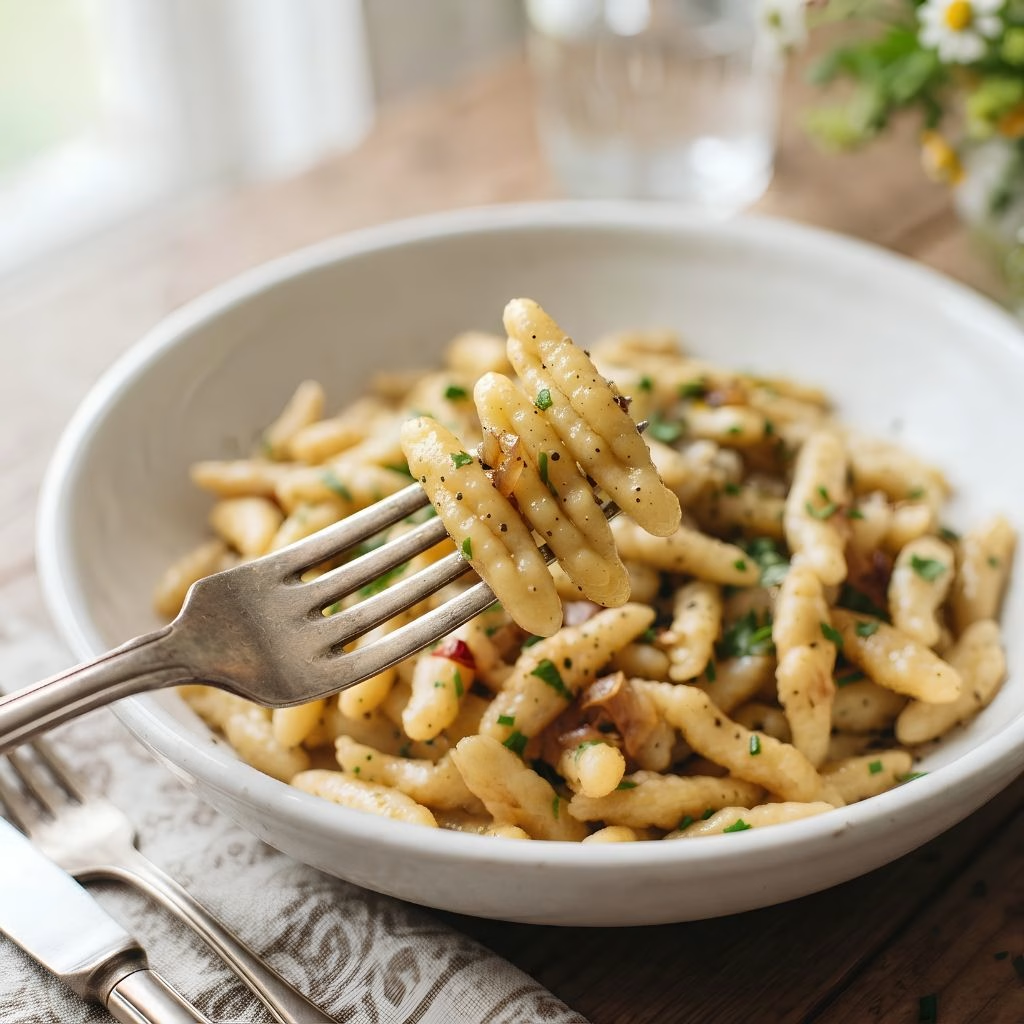
How to Make an Easy Homemade Spaetzle Recipe?
This recipe comes together faster than you’d expect for something that tastes this homemade. There’s no kneading or rolling involved, just a simple batter and a pot of boiling water. Here’s exactly how I make mine every single time.
Mix the Batter
In a large bowl, whisk together the flour and salt, then add in the eggs along with the milk or water. Beat everything together until you get a thick, smooth batter, similar in texture to a heavy pancake batter. It should hold together without feeling runny or stiff like dough.
Bring the Water to a Boil
While your batter rests for a few minutes, fill a large pot with water and bring it to a rolling boil. Add a generous pinch of salt, just like you would for regular pasta, since this is your chance to season the spaetzle from the inside out.
Press the Batter Into the Water
Working in batches, scoop some batter into your spaetzle maker, or press it through a large-holed colander set over the pot. The little dumplings will drop straight into the simmering water and start cooking almost immediately.
Cook Until They Float
The spaetzle will sink at first, then rise back up to the surface once they’re fully cooked, which usually only takes a minute or two. Use a slotted spoon to scoop them out as soon as they float, transferring them to a colander to drain.
Finish in Butter
Melt butter in a large skillet over medium heat, then toss in your drained spaetzle. Sauté for a few minutes until they’re lightly golden and coated in butter, which gives them a nicer bite and keeps them from sticking together before serving.
Additional Tips for Making This Recipe Better
I’ve made this more times than I can count, and these are the little things that really make a difference for me.
- I always let my batter rest for about 10 minutes before cooking, since it helps the flour hydrate and the texture firm up slightly.
- I cook my spaetzle in batches instead of dumping all the batter in at once, which keeps the water at a steady boil.
- I like adding a pinch of nutmeg to my batter for a warm, subtle flavor that pairs beautifully with butter.
- I toss my spaetzle with a little extra butter right after draining if I’m not sautéing them immediately, so they don’t clump together.
- I always make a double batch since leftovers reheat beautifully and disappear fast in my house.
Common Mistakes to Avoid
- I once used self-rising flour by mistake, and the texture turned gummy instead of light, so I always double check my flour now.
- I let my batter sit too thick the first time I made this, which made it nearly impossible to press through my spaetzle maker.
- I didn’t salt my boiling water generously enough early on, and the spaetzle came out bland no matter what sauce I added.
- I overcrowded the pot once thinking I’d save time, and the spaetzle clumped together instead of cooking evenly.
- I left my cooked spaetzle sitting in the colander too long without butter, and they stuck together in one big clump.
How to Serve Easy Homemade Spaetzle?
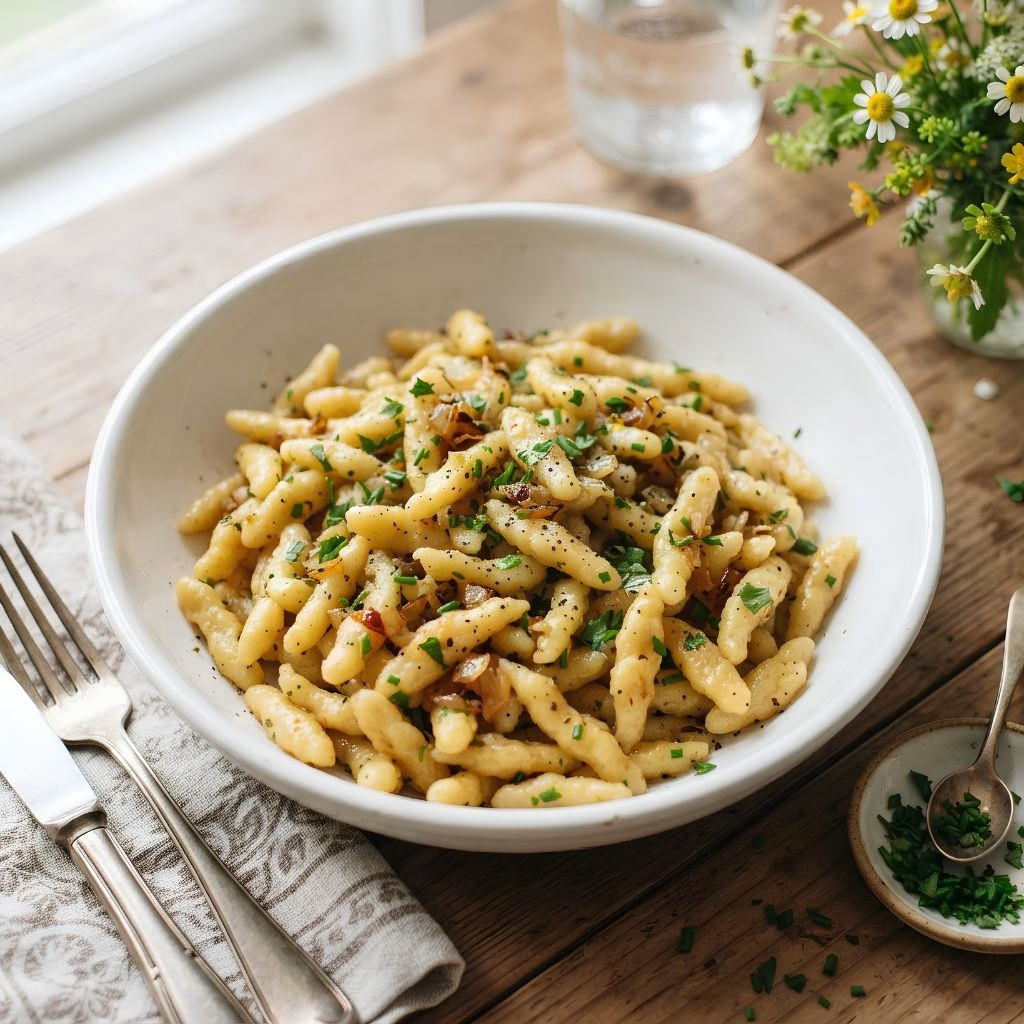
I love piling mine into a wide, shallow bowl so the golden, buttery edges are easy to see right away. A sprinkle of fresh chopped parsley or chives on top adds a nice pop of color and freshness.
Spaetzle makes a fantastic side for schnitzel, roasted meats, or a rich gravy, and it’s just as good on its own with a little extra parmesan grated over the top. If you’re putting together a full German-style spread, these pair wonderfully alongside something warm to sip on, like a cup of homemade mulled wine, especially during the cooler months.
Variations
- Try Kaesespaetzle by tossing your cooked spaetzle with shredded cheese and caramelized onions for a German take on mac and cheese
- Make a dairy-free version by swapping the milk for water and finishing with a dairy-free butter alternative
- Add fresh herbs like chives or parsley directly into the batter for extra flavor throughout
- Stir sautéed mushrooms and a splash of beef broth into your finished spaetzle for a heartier, Jägerspätzle-style dish
- Use a sugar-free seasoning blend with garlic and herbs if you want a savory twist without any added sweetness anywhere nearby
- If you don’t own a spaetzle maker, this works perfectly well as a spaetzle recipe without maker, just use a colander or press the batter through a large sieve instead
Nutritional Information
Here’s a general breakdown per serving, though this will vary depending on your exact ingredients and portion sizes.
- Calories: 290 kcal
- Protein: 11 g
- Carbohydrates: 42 g
- Fat: 8 g
Make Ahead and Storage
You can make the batter a few hours ahead of time and keep it covered in the fridge until you’re ready to boil it, which actually helps the texture firm up a bit.
Store cooked spaetzle in an airtight container in the refrigerator, where it stays fresh for up to 3 days.
To freeze, spread the cooked spaetzle on a tray until firm, then transfer to a freezer bag for up to 2 months, and reheat straight from frozen in a buttered skillet.
Why You’ll Love This Recipe?
This spaetzle recipe has become a staple in my kitchen, and here’s exactly why I think you’ll feel the same way.
- It’s incredibly quick: From batter to bowl in about 15 minutes, this comes together faster than most boxed pasta dishes.
- It doesn’t require fancy equipment: Even without a dedicated spaetzle maker, a simple colander gets the job done just fine.
- It’s endlessly versatile: Whether you want it buttered simply or loaded with cheese and onions, this spaetzle pasta recipe adapts to whatever mood you’re in.
- It’s a crowd-pleaser: This dish pairs with nearly any main course, which makes it an easy go-to for both weeknights and dinner parties.
- It tastes genuinely homemade: Once you taste fresh spaetzle next to the dried, packaged kind, there’s really no going back.
FAQs
What’s the correct spaetzle pronunciation?
It’s pronounced “shpets-luh,” with a soft “sh” sound at the start rather than a hard “sp.”
Can I make spaetzle without a spaetzle maker?
Yes, definitely, a colander with large holes or even a wooden cutting board and knife works well for pressing the batter into the water.
Can I use water instead of milk in the batter?
Yes, both work fine, though milk gives the spaetzle a slightly richer flavor and softer texture compared to water.
What’s the best spaetzle sauce recipe to pair with this?
A simple brown butter and sage sauce, or a rich mushroom gravy, both work beautifully and let the spaetzle’s flavor shine through.
How do I keep spaetzle from sticking together after cooking?
Toss the drained spaetzle immediately with a little butter or oil, which keeps each piece separate while it cools slightly.
Once you’ve nailed this basic version, it’s worth trying one of my other German recipes to round out the meal, like this easy apple strudel for a sweet finish after dinner.

Easy Homemade Spaetzle Recipe
Ingredients
Method
- In a large bowl, whisk together the flour and salt, then add in the eggs along with the milk or water. Beat everything together until you get a thick, smooth batter, similar in texture to a heavy pancake batter. It should hold together without feeling runny or stiff like dough.
- While your batter rests for a few minutes, fill a large pot with water and bring it to a rolling boil. Add a generous pinch of salt, just like you would for regular pasta, since this is your chance to season the spaetzle from the inside out.
- Working in batches, scoop some batter into your spaetzle maker, or press it through a large-holed colander set over the pot. The little dumplings will drop straight into the simmering water and start cooking almost immediately.
- The spaetzle will sink at first, then rise back up to the surface once they’re fully cooked, which usually only takes a minute or two. Use a slotted spoon to scoop them out as soon as they float, transferring them to a colander to drain.
- Melt butter in a large skillet over medium heat, then toss in your drained spaetzle. Sauté for a few minutes until they’re lightly golden and coated in butter, which gives them a nicer bite and keeps them from sticking together before serving.
Notes
- I always let my batter rest for about 10 minutes before cooking, since it helps the flour hydrate and the texture firm up slightly.
- I cook my spaetzle in batches instead of dumping all the batter in at once, which keeps the water at a steady boil.
- I like adding a pinch of nutmeg to my batter for a warm, subtle flavor that pairs beautifully with butter.
- I toss my spaetzle with a little extra butter right after draining if I’m not sautéing them immediately, so they don’t clump together.
- I always make a double batch since leftovers reheat beautifully and disappear fast in my house.