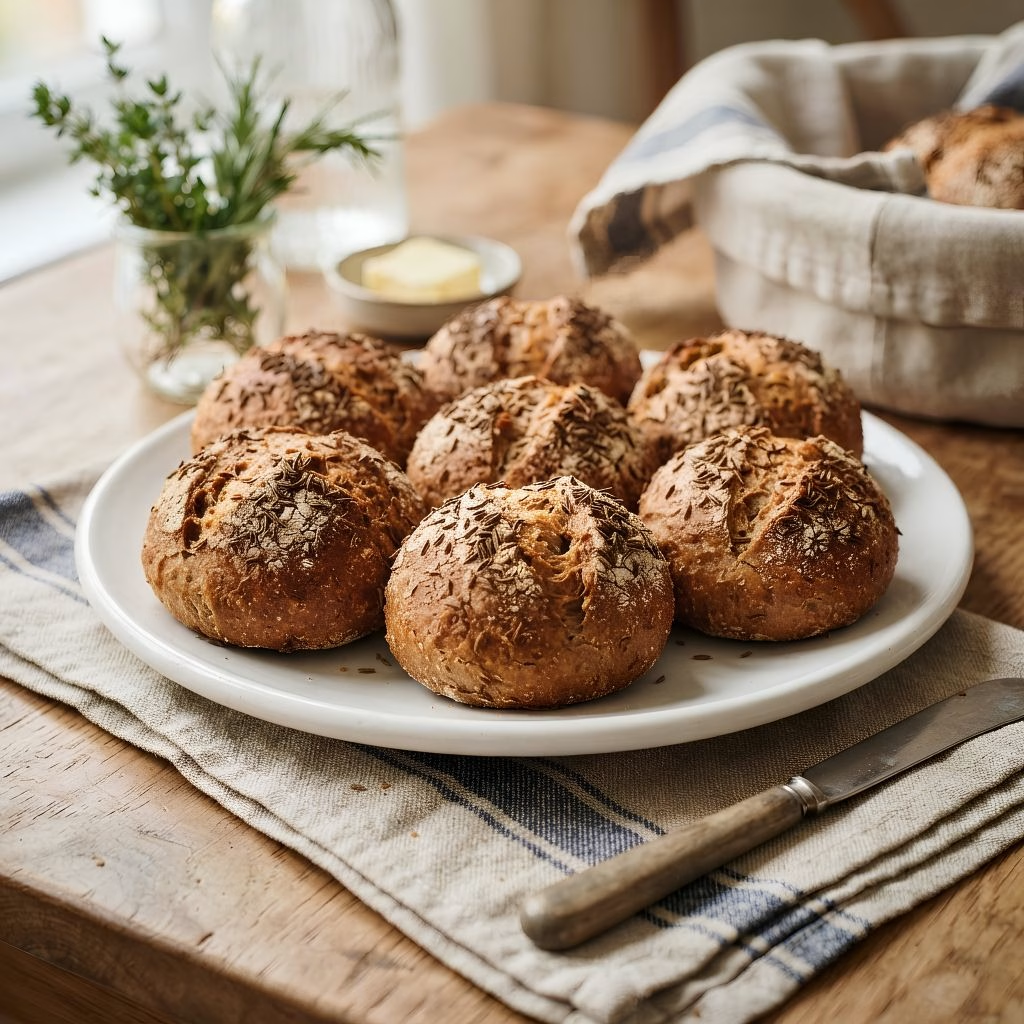
I still remember the first time I pulled a tray of this Rye Dinner Rolls Recipe out of the oven and the whole kitchen smelled like a cozy bakery. I wasn’t sure rye flour would give me soft rolls, but I was pleasantly surprised at how tender and fluffy they turned out.
Every bite has that deep, earthy rye flavor balanced with a touch of sweetness, and I honestly can’t stop making them now. If you’ve ever wanted old fashioned rye rolls recipe results without a trip to a German bakery, this one’s for you. I’m sharing exactly how I make them, step by step, so you can enjoy the same soft, golden rolls at home.
Cooking Time
- Prep Time: 25 minutes
- Cooking Time: 20 minutes
- Total Time: 2 hours 45 minutes (includes rising time)
Ingredients
- 1 packet (2¼ tsp) active dry yeast — this is what gives the rolls their soft, airy rise
- 1 tablespoon granulated sugar — feeds the yeast and helps the rolls brown nicely
- 1 cup warm milk (110°F) — too hot and it’ll kill the yeast, so test it on your wrist first
- 3 tablespoons melted butter — adds richness and keeps the crumb soft
- 1 large egg — binds the dough and adds a tender texture
- 2 teaspoons salt — balances the sweetness and strengthens the gluten
- 1 cup dark rye flour — the star ingredient that gives that signature earthy flavor
- 2½ cups all-purpose flour — keeps the rolls light instead of dense
- 1 teaspoon vegetable oil — for greasing the bowl so the dough doesn’t stick while rising
- 1 egg, beaten (for egg wash) — gives the rolls that glossy, bakery-style finish
- 1 tablespoon caraway seeds (optional) — adds that classic deli-rye aroma and crunch on top
Note: This recipe serves 10-12 people (makes about 12 rolls).
Equipment You Need
- Stand mixer with dough hook — makes kneading the sticky rye dough effortless
- Large mixing bowl — for the first rise
- Baking sheet — to bake the shaped rolls
- Parchment paper — prevents sticking and makes cleanup easy
- Pastry brush — for applying the egg wash evenly
- Kitchen towel or plastic wrap — to cover the dough while it rises
- Bench scraper — handy for dividing the dough into even pieces
How to Make Rye Dinner Rolls Recipe?
Making these rolls isn’t complicated, even though rye flour can feel intimidating if you’ve never baked with it before. I break the whole process down into simple stages: mixing, rising, shaping, and baking. Once you’ve done it once, you’ll see how forgiving this dough really is.
Step 1: Activate the Yeast
I start by combining the warm milk, sugar, and yeast in my mixer bowl, letting it sit for about 5 minutes until it looks foamy on top. This tells me the yeast is alive and ready to work. If it doesn’t foam, I toss it and start fresh rather than risk flat rolls.
Step 2: Mix the Dough
Next, I add the melted butter, egg, salt, rye flour, and all-purpose flour into the bowl. Using the dough hook, I mix on low speed until everything comes together, then increase to medium until the dough pulls away from the bowl’s sides. This usually takes about 5-6 minutes total.
Step 3: Knead Until Smooth
I let the mixer keep kneading until the dough feels smooth and slightly tacky but not sticky to the touch. If it’s too wet, I add a tablespoon of flour at a time. Rye dough tends to feel a bit different than regular wheat dough, so don’t worry if it feels slightly denser.
Step 4: First Rise
I shape the dough into a ball, place it in a lightly oiled bowl, and cover it with a towel. I set it in a warm spot in my kitchen for about an hour, until it’s doubled in size. This step is what gives the rolls their soft, pillowy texture.
Step 5: Shape the Rolls
Once risen, I punch the dough down gently and turn it onto a floured surface. I divide it into 12 equal pieces using my bench scraper, then roll each piece into a smooth ball by cupping my hand over it and rolling in small circles.
Step 6: Second Rise
I arrange the shaped rolls on a parchment-lined baking sheet, spacing them about half an inch apart so they touch slightly as they rise. I cover them loosely and let them rise again for 30-40 minutes until puffy.
Step 7: Egg Wash and Bake
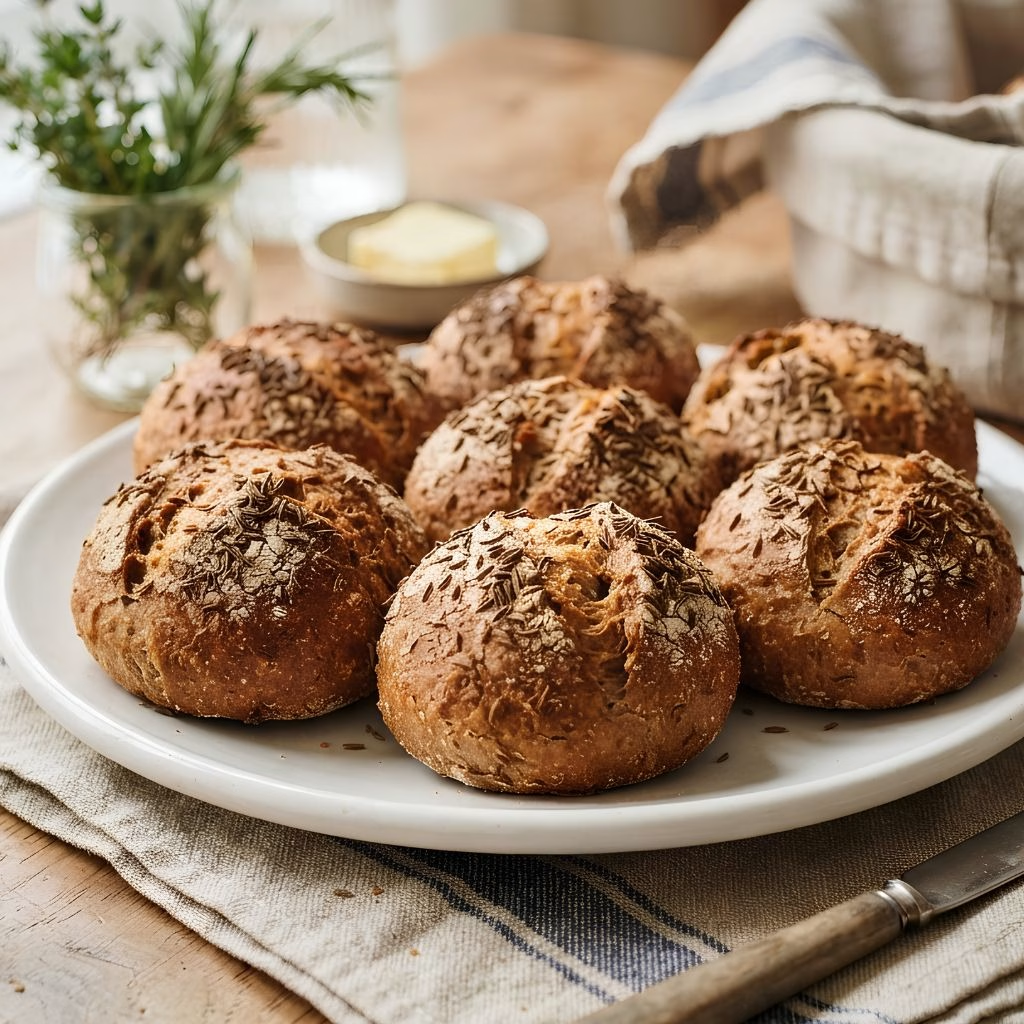
Before baking, I brush each roll generously with beaten egg and sprinkle caraway seeds on top if I’m using them. I bake at 375°F for 18-22 minutes until the tops turn deep golden brown and sound hollow when tapped.
Step 8: Cool and Serve
I let the rolls cool on a wire rack for at least 10 minutes before serving. This resting time lets the inside finish setting, so they don’t turn gummy when you slice into them.
Additional Tips for Making This Recipe Better
I’ve made these rolls more times than I can count, and here’s what I’ve learned along the way:
- I always proof my yeast first, even with instant yeast, just to be safe since a dead batch ruins the whole bake
- I keep my rye flour stored in the fridge or freezer because it goes stale faster than regular flour
- I’ve found that using whole milk instead of water gives a noticeably softer, richer roll
- I let my dough rise somewhere warm, like inside the oven with just the light on, especially during colder months
- I never skip the egg wash since it’s what gives these rolls that beautiful shine and color
Common Mistakes to Avoid
- I used to rush the rising time, and my rolls came out dense give the dough the full hour, it’s worth the wait
- I once added too much rye flour thinking it would boost the flavor, but it made the rolls heavy, so I stick to the ratio
- I learned the hard way that overcrowding the baking sheet causes uneven baking, so I always leave a little breathing room
- I’ve skipped the second rise before when I was short on time, and the rolls turned out flatter than I wanted
- I underestimated how quickly these brown, so now I keep an eye on them after the 15-minute mark instead of walking away
How to Serve Rye Dinner Rolls
I love piling these rolls into a woven bread basket lined with a cloth napkin for that warm, homey presentation. A pat of softened butter melting into a freshly torn roll is honestly one of my favorite things. They’re wonderful alongside a hearty soup or stew, and they also make a great base for mini Reuben-style sliders with corned beef and swiss.
For a holiday table, I’ll sometimes brush a little extra butter on top right out of the oven and scatter some flaky salt for a finishing touch. If you’re building out a full homemade bread spread, these rolls pair beautifully next to something like a creamy mashed potatoes recipe for a cozy, comforting dinner.
Variations
- Sourdough rye rolls recipe: swap half the yeast for an active rye starter for extra tang
- Dairy-free version: use plant-based milk and vegan butter in place of dairy
- Dark rye rolls recipe: increase the rye flour ratio and use molasses instead of sugar for a deeper color
- Herb-infused rolls: mix in a teaspoon of dried thyme or rosemary with the flour
- Onion rye rolls: fold in finely chopped sautéed onion for a deli-style flavor
- Sandwich-size rye sandwich rolls: shape the dough into 6 larger rolls instead of 12 smaller ones
Nutritional Information
Here’s a general estimate per roll, which can vary depending on exact ingredients used:
- Calories: approximately 160 kcal
- Protein: 5 g
- Carbohydrates: 27 g
- Fat: 4 g
Make Ahead and Storage
Make Ahead: You can prepare the dough the night before, let it rise once in the fridge overnight, then shape and do the second rise the next day before baking. This actually deepens the flavor a bit.
Storage: Cooled rolls keep well in an airtight container at room temperature for up to 3 days, or in the fridge for about a week if you want them to last longer.
Reheating: I warm leftover rolls in a 300°F oven for about 5 minutes wrapped in foil, which brings back that fresh-baked softness without drying them out.
Freezing: These rye buns freeze beautifully for up to 3 months in a freezer-safe bag. I just thaw them at room temperature and warm them briefly before serving, so frozen rye rolls are always an option when I want fresh bread without the wait.
Why You’ll Love This Recipe
This recipe has become a staple in my kitchen for so many reasons, and I think you’ll feel the same once you try it.
- Easy to prepare: Even though it involves yeast, the steps are straightforward and beginner-friendly, so you don’t need advanced baking skills to get great results.
- Great make-ahead option: Since the dough can rise overnight in the fridge, it fits easily into a busy schedule without sacrificing flavor or texture.
- Versatile for any meal: These rolls work just as well at a holiday dinner as they do alongside a simple weeknight soup or salad.
- Customizable flavor: Whether you want caraway, onion, or herbs mixed in, this base dough adapts to whatever flavor direction you’re craving that day.
- Freezer-friendly: Having a batch in the freezer means I’m always just a quick reheat away from warm, homemade bread, which pairs perfectly with a dish like this <a href=”https://kfcmenuusa.com/recipes/chicken-noodle-soup-recipe”>chicken noodle soup recipe</a> on a chilly evening.
FAQs
Can I use whole wheat flour instead of all-purpose flour?
Yes, you can substitute whole wheat flour, but the rolls will be denser and slightly heartier in texture.
Why didn’t my rolls rise properly?
This usually happens if your yeast was expired or the milk was too hot, which can kill the yeast before it even gets started.
Can I make these rolls without caraway seeds?
Absolutely, caraway seeds are optional and mainly add a traditional deli-style flavor, so the rolls still taste great without them.
Where can I buy rye buns if I don’t want to bake?
Many grocery stores and specialty bakeries carry rye buns, though homemade versions almost always taste fresher and softer.
Can I use light or medium rye flour instead of dark rye?
Yes, you can substitute light or medium rye flour; the rolls will just have a slightly milder rye flavor and lighter color.

Rye Dinner Rolls Recipe
Ingredients
Method
- I start by combining the warm milk, sugar, and yeast in my mixer bowl, letting it sit for about 5 minutes until it looks foamy on top. This tells me the yeast is alive and ready to work. If it doesn’t foam, I toss it and start fresh rather than risk flat rolls.
- Next, I add the melted butter, egg, salt, rye flour, and all-purpose flour into the bowl. Using the dough hook, I mix on low speed until everything comes together, then increase to medium until the dough pulls away from the bowl’s sides. This usually takes about 5-6 minutes total.
- I let the mixer keep kneading until the dough feels smooth and slightly tacky but not sticky to the touch. If it’s too wet, I add a tablespoon of flour at a time. Rye dough tends to feel a bit different than regular wheat dough, so don’t worry if it feels slightly denser.
- I shape the dough into a ball, place it in a lightly oiled bowl, and cover it with a towel. I set it in a warm spot in my kitchen for about an hour, until it’s doubled in size. This step is what gives the rolls their soft, pillowy texture.
- Once risen, I punch the dough down gently and turn it onto a floured surface. I divide it into 12 equal pieces using my bench scraper, then roll each piece into a smooth ball by cupping my hand over it and rolling in small circles.
- I arrange the shaped rolls on a parchment-lined baking sheet, spacing them about half an inch apart so they touch slightly as they rise. I cover them loosely and let them rise again for 30-40 minutes until puffy.
- Before baking, I brush each roll generously with beaten egg and sprinkle caraway seeds on top if I’m using them. I bake at 375°F for 18-22 minutes until the tops turn deep golden brown and sound hollow when tapped.
- I let the rolls cool on a wire rack for at least 10 minutes before serving. This resting time lets the inside finish setting, so they don’t turn gummy when you slice into them.
Notes
- I always proof my yeast first, even with instant yeast, just to be safe since a dead batch ruins the whole bake
- I keep my rye flour stored in the fridge or freezer because it goes stale faster than regular flour
- I’ve found that using whole milk instead of water gives a noticeably softer, richer roll
- I let my dough rise somewhere warm, like inside the oven with just the light on, especially during colder months
- I never skip the egg wash since it’s what gives these rolls that beautiful shine and color