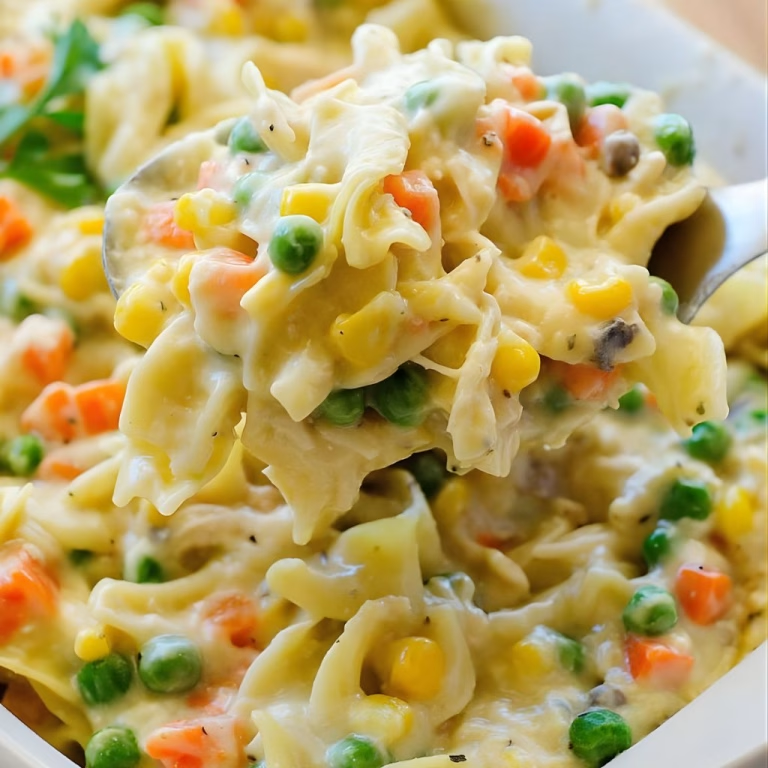
I first made this Lemon Basil Chicken Pasta Recipe on a night when I wanted something that felt special without spending an hour in the kitchen, and it’s stayed on my regular rotation ever since. I love how the lemon juice cuts through the cream so the sauce never feels heavy, and the fresh basil makes the whole pan smell incredible while it simmers.
The chicken turns golden and juicy in the same pan I use for the sauce, so cleanup stays simple too. It’s the kind of pasta I reach for on a busy weeknight, but it’s also pretty enough for a dinner with friends.
Once you taste that lemony, garlicky cream sauce clinging to the noodles, I promise you’ll be making this one on repeat. For something sweet to serve afterward, a Costco Copycat Muffin Recipe can make an easy addition to the meal.

Cooking Time
- Prep Time: 10 minutes
- Cook Time: 10 minutes
- Total Time: 20 minutes
Ingredients
- 1 pound angel hair pasta – thin strands cook fast and soak up the lemony sauce better than thicker noodles
- 2 tablespoons olive oil, divided – used for both searing the chicken and tossing the drained pasta
- 1 ½ pounds chicken breast, cut into cubes – fresh chicken with a pinkish hue sears up more evenly than pieces that have been sitting too long
- 1 tablespoon butter – adds richness and helps the garlic bloom without burning
- 3 garlic cloves, minced – fresh cloves give a rounder flavor than the jarred kind
- ½ cup fresh lemon juice – always squeeze it fresh, since bottled juice tastes flat and one-note
- ½ cup dry white wine – a Sauvignon Blanc or Chardonnay keeps the sauce from tasting sweet
- 1 cup heavy cream – gives the sauce its silky body; whipping cream works too if you want it a touch lighter
- ½ cup fresh basil leaves, thinly sliced – skip dried basil here, since fresh is what gives this dish its signature aroma
- salt and pepper – to taste, added in layers as you cook
- fresh basil leaves – for topping the finished dish
- Parmesan cheese, freshly grated – pre-shredded bags don’t melt nearly as smoothly into the sauce
Note: this recipe serves 6.
Equipment You Need
- Large pot – for boiling the angel hair pasta
- Colander – for draining the cooked pasta
- Large skillet or frying pan – for searing the chicken and building the sauce
- Tongs – for tossing the pasta and moving the chicken around the pan
- Cutting board and knife – for cubing the chicken and slicing the basil
- Box grater or microplane – for grating fresh Parmesan
- Citrus juicer – for getting the most juice out of your lemons
How to Make Lemon Basil Chicken Pasta Recipe?
This recipe comes together in just a handful of steps, and most of them happen in the same skillet. I like to have every ingredient prepped and measured before I turn on the stove, since the sauce moves quickly once it starts. Here’s exactly how I put it all together.
Cook the Pasta
Bring a large pot of well-salted water to a boil and cook the angel hair according to the package directions until it’s al dente. Drain it in a colander, then toss it right away with a tablespoon of olive oil so the strands don’t clump together. Set the pasta aside while you work on the chicken and sauce.

Sear the Chicken
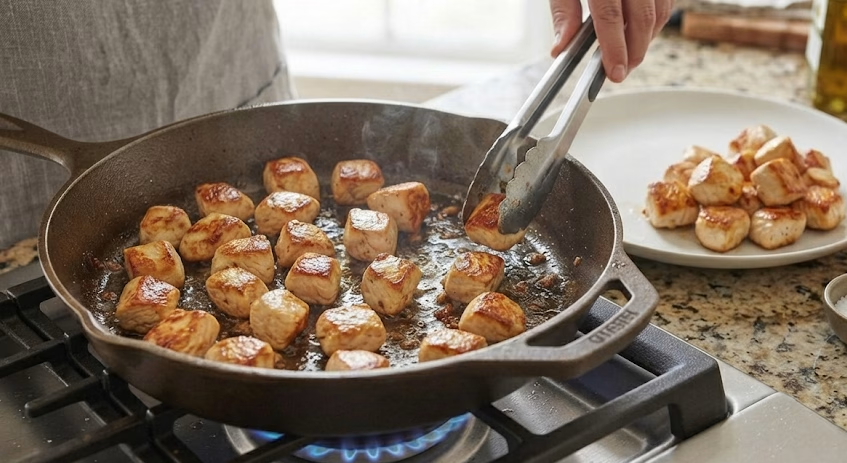
Heat the remaining tablespoon of olive oil in a large skillet over medium-high heat. Add the cubed chicken breast, season it with salt and pepper, and let it cook undisturbed for a couple of minutes so it browns properly. Once it’s golden and cooked through, move it to a plate and set it aside.
Sauté the Garlic
Lower the heat to medium and melt the butter in the same skillet you used for the chicken. Add the minced garlic and stir it constantly for about a minute, just until it turns fragrant. Keep a close eye on it here, since garlic can go from golden to bitter in seconds.
Build the Lemon Basil Sauce
Turn the heat down to medium-low and pour in the lemon juice and white wine, scraping up any browned bits from the bottom of the pan. Stir in the heavy cream and sliced basil, then season with a bit more salt and pepper. Let everything simmer gently for a couple of minutes until the sauce is heated through and slightly thickened.
Toss Everything Together
Add the drained pasta straight into the skillet with the sauce and use tongs to toss it until every strand is coated. Return the seared chicken to the pan as well, folding it in gently so it warms back up alongside the noodles. Taste the sauce here and adjust the salt, pepper, or lemon juice if it needs it.
Finish and Serve
Plate the pasta while it’s still warm and top it with freshly grated Parmesan and a scattering of fresh basil leaves. I like to add one more small squeeze of lemon right before serving for extra brightness. Serve it immediately so the sauce stays silky and doesn’t stiffen up on the plate.
Additional Tips for Making This Recipe Better
I’ve made this pasta more times than I can count, and these are the small things that make the biggest difference for me.
- I always salt my pasta water generously, since that’s really my only chance to season the noodles themselves.
- I like to reserve a splash of pasta water before draining, just in case the sauce needs loosening once everything is tossed together.
- I cut my chicken into even, bite-sized cubes so every piece finishes cooking at the same time.
- I keep my heat at medium-low once the cream goes in, since a hard boil can make the sauce look slightly separated.
- I add the basil at the very end of cooking, which keeps its flavor fresh instead of muted.
Common Mistakes to Avoid
- I’ve overcooked the pasta more than once by walking away from the pot, so now I start checking it a minute or two before the package time is up.
- I used to crowd the chicken in the pan, and it steamed instead of browning, so I make sure to give the pieces some space.
- I’ve let garlic burn while I was busy with something else, which turns the whole sauce bitter, so I stay right at the stove for that step.
- I once used bottled lemon juice to save time, and the sauce tasted noticeably flat compared to using fresh lemons.
- I’ve tossed hot pasta into the sauce too far ahead of serving, which lets it soak up too much liquid and turn a bit dry.
How to Serve Lemon Basil Chicken Pasta
I like to serve this pasta in wide, shallow bowls so the sauce pools around the noodles instead of sinking to the bottom. A generous shower of freshly grated Parmesan right before it hits the table always makes it look more special.
For garnish, I add a few whole basil leaves and a thin lemon slice or two along the edge of the bowl for a pop of color. Pair it with warm garlic bread to mop up the sauce, or serve it alongside a simple green salad with a light vinaigrette to balance out the richness.
Roasted asparagus or grilled broccoli also work well on the side if you want to round out the meal with some vegetables. If you’re planning a fuller chicken-focused meal, Garlic Butter Lemon Chicken Thighs Recipe brings together another lemon-and-garlic combination.

Variations
- Lemon basil chicken pasta no cream: swap the heavy cream for extra chicken broth and a splash of olive oil for a lighter, broth-based version of the sauce.
- Garlic basil chicken pasta: double the garlic and stir in a pinch of red pepper flakes for a more savory, punchy flavor.
- Pesto basil chicken pasta: stir a few spoonfuls of basil pesto into the finished sauce for a deeper, more herby flavor.
- Dairy-free version: use full-fat coconut milk or a plant-based cream alternative in place of the heavy cream and butter.
- Extra vegetables: fold in baby spinach, cherry tomatoes, or sautéed zucchini right before tossing in the pasta.
- Spicier version: add a pinch of crushed red pepper or a dash of hot sauce to the sauce for some heat.
Nutritional Information
Here’s roughly what you can expect per serving of this pasta, based on six servings from the full recipe.
- Calories: about 465 kcal
- Protein: about 30 grams
- Carbohydrates: about 27 grams
- Fat: about 25 grams
Make Ahead and Storage
You can prep the chicken and slice the basil a few hours ahead of time and keep them covered in the fridge until you’re ready to cook. I don’t recommend making the full sauced pasta too far in advance, since cream sauces are always best fresh off the stove.
Leftovers keep well in an airtight container in the refrigerator for up to 3 to 4 days. When you’re ready to eat them, reheat gently on the stovetop over low heat with a splash of cream or milk to bring the sauce back to life.
I don’t recommend freezing this dish, since cream-based sauces tend to separate and turn grainy once thawed. If you do want to freeze part of it, freeze the cooked chicken on its own and make a fresh batch of sauce and pasta when you’re ready to serve.
Why You’ll Love This Recipe
This lemon basil chicken pasta has earned its spot in my regular dinner rotation for a few simple reasons.
- It’s ready in 20 minutes: between the pasta, chicken, and sauce, this whole meal comes together faster than most takeout orders.
- It’s a one-pan sauce: the chicken and sauce are made in the same skillet, which keeps cleanup easy on a weeknight.
- It’s easy to customize: whether you want it dairy-free, extra garlicky, or stirred through with pesto, the base recipe adapts well.
- It feels special without much effort: the bright lemon and fresh basil make it feel like a restaurant-style dish even though it’s genuinely simple to make.
- It reheats well: leftovers make an easy lunch the next day with just a quick warm-up on the stove.
Frequently Asked Questions
How do I make lemon basil chicken pasta no cream?
Replace the heavy cream with extra chicken broth and a little extra olive oil or butter. It won’t be quite as thick, but you’ll still get that bright lemon and basil flavor without the dairy.
What makes this a creamy basil chicken pasta?
The heavy cream simmered with lemon juice, wine, and basil is what gives the sauce its silky, creamy texture. Letting it simmer gently for a couple of minutes also helps it thicken slightly before you toss in the pasta.
Can I make this a garlic basil chicken pasta instead?
Yes, just increase the garlic to four or five cloves and let it sauté a little longer before adding the liquid ingredients. It gives the sauce a bolder, more savory backbone alongside the basil.
How do I turn this into a pesto basil chicken pasta?
Stir two to three tablespoons of prepared basil pesto into the finished cream sauce right before tossing in the pasta. It deepens the basil flavor and gives the sauce a slightly greener color.
Is this similar to the chicken basil pasta at Cheesecake Factory?
It’s inspired by the same idea of pairing chicken, basil, and a rich sauce over pasta, though this homemade version leans lighter thanks to the lemon and uses angel hair instead of a thicker noodle.
Are there other lemon basil pasta recipes I can try?
Yes, this same lemon basil sauce works well tossed with shrimp instead of chicken, or served completely on its own as a vegetarian pasta. You can also swap the angel hair for spaghetti or linguine if that’s what you have on hand.
Can I use a knorr lemon basil chicken parmesan pasta packet instead?
You can, but a boxed mix like that relies on powdered seasonings, while this recipe uses fresh lemon juice, garlic, and basil for a brighter, more natural flavor. It also lets you control the salt and richness yourself.
What other recipes with chicken and fresh basil should I try?
Basil pairs beautifully with chicken in dishes like basil pesto chicken, chicken caprese, or a simple basil butter chicken skillet. If you enjoyed the flavor combination here, those are worth trying next.

Lemon Basil Chicken Pasta Recipe
Ingredients
Method
- Bring a large pot of well-salted water to a boil and cook the angel hair according to the package directions until it’s al dente. Drain it in a colander, then toss it right away with a tablespoon of olive oil so the strands don’t clump together. Set the pasta aside while you work on the chicken and sauce.
- Heat the remaining tablespoon of olive oil in a large skillet over medium-high heat. Add the cubed chicken breast, season it with salt and pepper, and let it cook undisturbed for a couple of minutes so it browns properly. Once it’s golden and cooked through, move it to a plate and set it aside.
- Lower the heat to medium and melt the butter in the same skillet you used for the chicken. Add the minced garlic and stir it constantly for about a minute, just until it turns fragrant. Keep a close eye on it here, since garlic can go from golden to bitter in seconds.
- Turn the heat down to medium-low and pour in the lemon juice and white wine, scraping up any browned bits from the bottom of the pan. Stir in the heavy cream and sliced basil, then season with a bit more salt and pepper. Let everything simmer gently for a couple of minutes until the sauce is heated through and slightly thickened.
- Add the drained pasta straight into the skillet with the sauce and use tongs to toss it until every strand is coated. Return the seared chicken to the pan as well, folding it in gently so it warms back up alongside the noodles. Taste the sauce here and adjust the salt, pepper, or lemon juice if it needs it.
- Plate the pasta while it’s still warm and top it with freshly grated Parmesan and a scattering of fresh basil leaves. I like to add one more small squeeze of lemon right before serving for extra brightness. Serve it immediately so the sauce stays silky and doesn’t stiffen up on the plate.
Notes
- I always salt my pasta water generously, since that’s really my only chance to season the noodles themselves.
- I like to reserve a splash of pasta water before draining, just in case the sauce needs loosening once everything is tossed together.
- I cut my chicken into even, bite-sized cubes so every piece finishes cooking at the same time.
- I keep my heat at medium-low once the cream goes in, since a hard boil can make the sauce look slightly separated.
- I add the basil at the very end of cooking, which keeps its flavor fresh instead of muted.