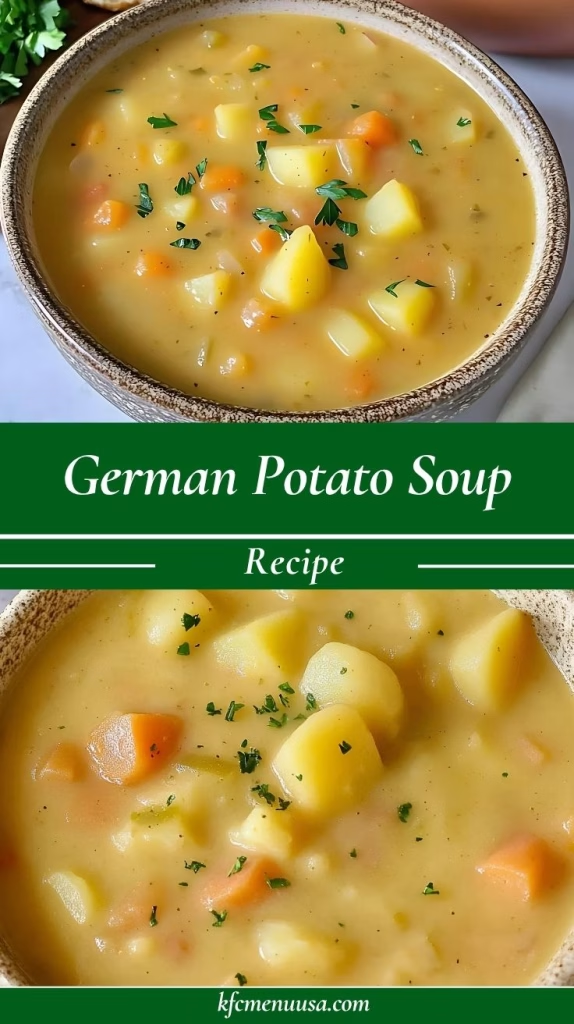
German Potato Soup Recipe You’ll Crave All Winter Long
When I first tried making German Potato Soup (Kartoffelsuppe), I honestly didn’t expect it to become such a regular in my kitchen.
But after that first spoonful—creamy, hearty, and packed with cozy flavors—I was hooked. The whole thing came together so easily, and it made my home smell like a little café in Bavaria.
Whether it’s chilly outside or I just want some comfort food, this soup always hits the spot. I love how customizable it is, too—you can make it your own with just a few tweaks.
Ingredients
Here’s everything you need for a rich, creamy German-style potato soup. Use fresh ingredients when possible—it really makes a difference!
- 4 large potatoes, peeled and diced – starchy potatoes like Russets give the best creamy texture
- 2 carrots, peeled and chopped – they add sweetness and beautiful color
- 2 celery stalks, chopped – for that subtle earthy flavor and aroma
- 1 medium onion, chopped – the base of your soup’s deep flavor
- 2 garlic cloves, minced – don’t skip these for a fragrant, savory base
- 1 bay leaf – adds a slightly herbal note that elevates the broth
- 4 cups vegetable or chicken stock – use low-sodium stock for better control over salt
- ½ cup double cream – makes the soup silky and indulgent
- 1 tablespoon butter – adds richness and depth to the flavor
- ½ teaspoon lemon zest – brightens up the creamy base
- 2 spring onions, chopped – for a fresh, crunchy topping
- Salt and pepper, to taste – adjust gradually after blending
- A pinch of cumin powder (optional) – adds warmth
- A pinch of nutmeg powder (optional) – enhances creaminess subtly
Note: This recipe serves about 4–5 people depending on portion size.
Variations
This soup is super flexible! Here are a few fun and practical swaps I’ve tried:
- Dairy-Free Option: Replace the double cream with coconut milk or oat cream for a vegan-friendly twist.
- Spice Boost: Add smoked paprika or chili flakes if you like it with a little heat.
- Greens Power: Stir in a handful of spinach or kale near the end for a healthy, colorful boost.
- Protein Kick: I sometimes toss in chopped ham or crispy bacon to make it even heartier.
Cooking Time
- Prep Time: 10 minutes
- Cooking Time: 30 minutes
- Total Time: 40 minutes
Equipment You Need
- Large pot: For sautéing and simmering the soup
- Blender or immersion blender: To puree the soup into a creamy texture
- Knife: For chopping veggies evenly
- Cutting board: Your trusty base for all prep
- Ladle: Makes serving the soup cleaner and easier
How to Make German Potato Soup?
Sauté the Base Vegetables
Start by heating a little oil or butter in a large pot over medium heat. Add chopped onions and garlic, and let them cook for a few minutes until fragrant and slightly golden. Then stir in the diced carrots and celery. I like to give them about 5 minutes to soften up and build flavor.

Add the Potatoes and Simmer
Now it’s time to add your diced potatoes and drop in the bay leaf. Pour in the stock—vegetable or chicken, whichever you prefer. Bring everything to a boil, then reduce the heat and let it simmer gently for about 15–20 minutes. You’ll know it’s ready when the potatoes are fork-tender.
Blend the Soup
Once everything’s soft and cooked, take out the bay leaf and set aside a ladle or two of chunky vegetables if you want some texture later. Use an immersion blender to puree the soup until it’s velvety smooth. If you’re using a regular blender, let the soup cool slightly before blending in batches to stay safe.

Stir in the Cream and Seasoning
Return the blended soup to the pot and stir in the double cream and butter. It gets creamy and luscious fast! Add a little lemon zest to brighten things up, then season to taste with salt, pepper, and any optional spices like cumin or nutmeg.

Add Texture and Serve
Drop the reserved veggies back into the pot and give it another few minutes on the stove. This adds a nice bit of bite to the soup. Serve it hot, garnished with chopped spring onions—or whatever toppings you like!
Additional Tips for Making This Recipe Better
Here are a few little tricks I’ve picked up after making this soup many times:
- Use floury or starchy potatoes for that naturally thick, creamy texture—avoid waxy ones like red potatoes.
- Always remove the bay leaf before blending—it doesn’t puree well and can add bitterness.
- If using a regular blender, let the soup cool for 5–10 minutes first. Hot soup + blender = messy kitchen.
- Taste the soup before adding more salt—especially if you’re using store-bought stock.
- Add the cream after blending, not before—it keeps it from separating or curdling.
How to Serve German Potato Soup?
This soup is super comforting on its own, but I like to serve it with a slice of warm crusty bread or a buttered dinner roll. Sprinkle some fresh herbs like parsley or dill over the top for color. A dollop of sour cream or grated cheese makes it extra rich. Sometimes I even add crispy bacon or croutons for a bit of crunch.
For guests, you could set up a little garnish bar—things like spring onions, shredded cheese, chili oil, or crumbled crackers—so everyone can build their perfect bowl.
Nutritional Information
Here’s a quick look at the nutrition in each serving (approximate values):
- Calories: 318
- Protein: 6g
- Carbohydrates: 25g
- Fat: 19g
Make Ahead and Storage
Refrigeration
I usually make a big batch and store it in the fridge for up to 3 days. Just reheat it gently on the stove, stirring occasionally so it warms evenly.
Freezing
If you’re planning to freeze it, do so before adding the cream. It’ll keep for up to 3 months. Thaw in the fridge overnight and stir in the cream as you reheat it.
Reheating
Warm the soup slowly over medium heat in a pot. If it thickens too much, just stir in a splash of water or stock to loosen it up.
Why You’ll Love This Recipe?
This cozy potato soup has a lot going for it—and here’s why I keep making it:
- Easy, One-Pot Recipe: It comes together in one big pot, meaning minimal cleanup afterward.
- Comfort in Every Bite: Creamy, rich, and flavorful—it’s my go-to when I need something soothing.
- Customizable for Everyone: Whether you’re vegetarian, dairy-free, or love it spicy, there’s a version for you.
- Meal Prep Friendly: You can make a big batch ahead of time, and it freezes beautifully.
- Made with Pantry Staples: No fancy ingredients required—just good old-fashioned veggies and stock.

German Potato Soup Recipe
Ingredients
Method
- Start by heating a little oil or butter in a large pot over medium heat. Add chopped onions and garlic, and let them cook for a few minutes until fragrant and slightly golden. Then stir in the diced carrots and celery. I like to give them about 5 minutes to soften up and build flavor.
- Now it’s time to add your diced potatoes and drop in the bay leaf. Pour in the stock—vegetable or chicken, whichever you prefer. Bring everything to a boil, then reduce the heat and let it simmer gently for about 15–20 minutes. You’ll know it’s ready when the potatoes are fork-tender.
- Once everything’s soft and cooked, take out the bay leaf and set aside a ladle or two of chunky vegetables if you want some texture later. Use an immersion blender to puree the soup until it’s velvety smooth. If you’re using a regular blender, let the soup cool slightly before blending in batches to stay safe.
- Return the blended soup to the pot and stir in the double cream and butter. It gets creamy and luscious fast! Add a little lemon zest to brighten things up, then season to taste with salt, pepper, and any optional spices like cumin or nutmeg.
- Drop the reserved veggies back into the pot and give it another few minutes on the stove. This adds a nice bit of bite to the soup. Serve it hot, garnished with chopped spring onions—or whatever toppings you like!
Notes
- Use floury or starchy potatoes for that naturally thick, creamy texture—avoid waxy ones like red potatoes.
- Always remove the bay leaf before blending—it doesn’t puree well and can add bitterness.
- If using a regular blender, let the soup cool for 5–10 minutes first. Hot soup + blender = messy kitchen.
- Taste the soup before adding more salt—especially if you’re using store-bought stock.
- Add the cream after blending, not before—it keeps it from separating or curdling.