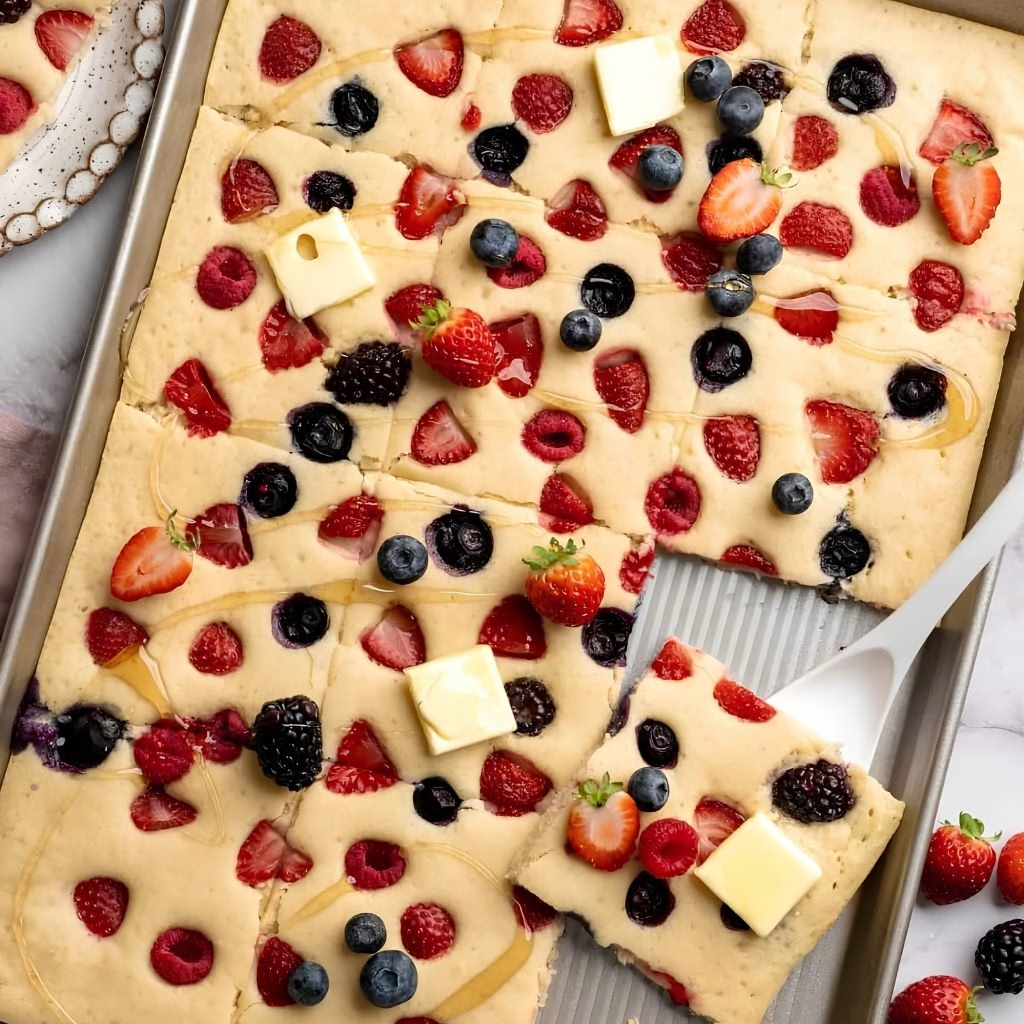
I started making this Sheet Pan Pancake Recipe on a weekend when my kids wanted pancakes but I really did not want to stand at the stove flipping them one by one. I whisked the batter in one bowl, poured it onto a baking sheet, sprinkled on toppings, and let the oven do the rest.
Everyone got hot, fluffy pancakes at the same time, and my kitchen stayed clean. Once I tried this method, I never went back to standing over a skillet on a busy morning. If you love easy breakfasts as much as I do, you’re going to want to bookmark this one.
Cooking Time
- Prep Time: 10 minutes
- Cook Time: 17 minutes
- Total Time: 27 minutes
Ingredients
- 2 ½ cups all-purpose flour – the base of the batter; spoon and level it so you don’t pack in extra flour
- 2 tablespoons granulated sugar – adds a light sweetness without making the batter too sugary
- 2 tablespoons baking powder – use an aluminum-free brand so there’s no metallic aftertaste
- ½ teaspoon salt – balances the sweetness and wakes up the flavor
- 2 cups whole milk – gives the batter richness; room temperature milk blends in more smoothly
- 2 large eggs – bind everything together and help the pancakes puff up
- 4 tablespoons unsalted butter, melted – adds flavor and keeps the pancakes soft
- 1 teaspoon vanilla extract – rounds out the flavor with a warm, comforting note
- Cooking spray or extra butter – for greasing the pan so nothing sticks
- Toppings of choice: chocolate chips, blueberries, strawberries, sliced bananas – customize each corner so everyone gets their favorite
Note: this recipe serves 6, and cuts into 12 squares, so it’s perfect for a family breakfast or a small brunch gathering.
Equipment You Need
- Large mixing bowl – for whisking the dry and wet ingredients together in one place
- Balloon whisk – to blend the batter smoothly without overworking it
- 13×18-inch rimmed baking sheet – gives the pancakes room to bake evenly without overflowing
- Measuring cups and spoons – for accurate ingredient amounts so the batter isn’t too thick or thin
- Spatula – to spread the batter evenly and to cut and lift the baked pancakes
- Cooling rack (optional) – helps leftovers cool fast before storing
How to Make Sheet Pan Pancakes Recipe?
Making sheet pan pancakes is honestly one of the easiest breakfasts I’ve ever put together. There’s no standing at the stove, no flipping, and no timing multiple batches. You just mix, pour, top, and bake while you get everyone else ready for the day.
Preheat and Prep the Pan
Turn your oven on to 425°F so it’s fully hot by the time your batter is ready. While it heats, generously coat your 13×18-inch baking sheet with cooking spray or a thin layer of butter, making sure to get into the corners so nothing sticks once it’s baked.
Whisk the Dry Ingredients
In a large bowl, I whisk together the flour, sugar, baking powder, and salt until they’re evenly combined. This step only takes a minute, but it keeps the baking powder from clumping in one spot, which can leave you with an uneven rise in the finished pancake.
Add the Wet Ingredients
I make a well in the center of the dry mix and pour in the milk, eggs, melted butter, and vanilla extract. Whisking from the center outward, I slowly bring the flour in until it’s just combined. A few small lumps are completely fine here.
Pour and Spread the Batter
Once the batter comes together, I pour it directly onto my prepared baking sheet and use a spatula to spread it evenly to the edges. Getting an even layer here matters because it helps every square bake at the same rate.
Add the Toppings
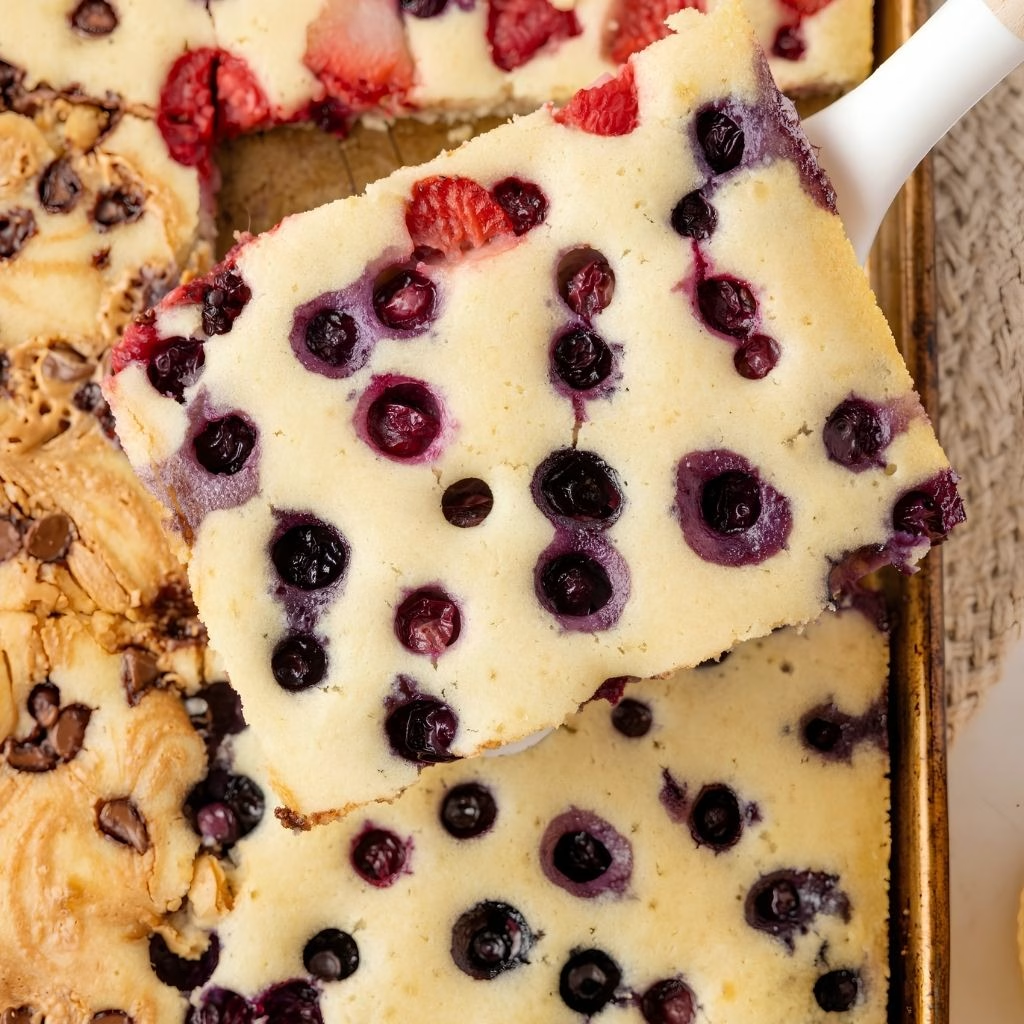
This is the fun part for my kids. I sprinkle chocolate chips into one section, blueberries into another, strawberries into the next, and bananas into the last, so everyone gets their favorite pancake without any arguing over toppings.
Bake Until Golden
I slide the pan into the oven and bake for 15 to 17 minutes, watching for a golden top and a center that springs back when touched. Every oven runs a little differently, so I start checking around the 14-minute mark.
Slice and Serve
As soon as it comes out of the oven, I cut the pancake into 12 even squares using a sharp knife or pizza cutter. I serve it warm with maple syrup right away, while the toppings are still soft and gooey.
Additional Tips for Making This Recipe Better
I’ve made this recipe more times than I can count, and here’s what I’ve learned along the way:
- I always use room-temperature eggs and milk, since cold ingredients make the melted butter clump instead of blending smoothly.
- I never overmix the batter. The moment I stop seeing dry streaks of flour, I put my whisk down, even if a few lumps remain.
- I tap the pan lightly on the counter before baking to release air bubbles and help the batter settle evenly.
- I double-check that my baking powder is fresh, since old baking powder is the number one reason my pancakes have come out flat in the past.
- I keep a close eye on the last few minutes of baking, because a couple of extra minutes can turn a soft pancake into a dry one.
Common Mistakes to Avoid
- I’ve overfilled a smaller pan before, and the batter spilled over the edges while baking, so I always stick to a full 13×18-inch sheet.
- I used to skip greasing the corners of the pan, and the edges stuck badly, so now I make sure every inch is coated.
- I once used frozen berries straight from the freezer, and they bled color and moisture into the batter, so I only use fresh fruit now.
- I’ve overmixed the batter in a rush before, and it made the pancake dense and chewy instead of light and fluffy.
- I cut the pancake too soon once, and the center was still a little wet, so I always let it rest for a minute or two before slicing.
How to Serve Sheet Pan Pancakes?
I love setting this out on a wooden board or platter so it feels a bit like a mini pancake bar. A generous drizzle of warm maple syrup over the top makes every bite taste like a diner breakfast. For a prettier presentation, I add a light dusting of powdered sugar, a few extra fresh berries on the side, and a small pitcher of syrup so everyone can pour their own.
If I’m serving a crowd, I’ll pair the pancake squares with crispy bacon or scrambled eggs, similar to how I like to round out a full brunch spread the same way I plan out other quick morning meals at easy breakfast quesadilla recipe.
Variations
- Dairy-free: swap the whole milk for oat or almond milk, and use a plant-based butter or coconut oil instead of regular butter.
- Sugar-free: replace the granulated sugar with a monk fruit or erythritol blend, or simply leave it out since the toppings add plenty of sweetness.
- Gluten-free: use a 1:1 gluten-free flour blend in place of the all-purpose flour for a similar texture.
- Chocolate lovers: whisk ¼ cup of cocoa powder into the dry ingredients for a chocolate base, then top with extra chocolate chips.
- Protein-packed: swap ½ cup of the milk for plain Greek yogurt, or add a scoop of vanilla protein powder for a more filling breakfast.
- Banana version: fold in about ½ cup of mashed banana and reduce the milk slightly, similar to the fruity, flour-light approach I use in my banana oat pancake.
Nutritional Information
Here’s a quick look at what one square of this pancake offers, not including any toppings you add on top.
- Calories: 349 kcal
- Protein: 10 g
- Carbohydrates: 50 g
- Fat: 12 g
Make Ahead and Storage
If I have leftovers, I let them cool completely, then transfer them to an airtight container or wrap them tightly in plastic wrap. Stored this way in the fridge, they stay fresh for about 2 to 3 days.
To reheat, I place the squares on a baking sheet, cover them loosely with foil, and warm them in a 350°F oven for about 5 minutes. I’ve also microwaved them under a damp paper towel in 30-second bursts when I’m short on time.
For longer storage, I slice the pancake into squares, let them cool fully, and freeze them in a freezer bag for up to 3 months. When I’m ready to eat them, I thaw them in the fridge overnight, then reheat on a baking sheet covered with foil.
Why You’ll Love This Recipe?
This sheet pan pancake recipe has become a permanent part of my breakfast rotation, and here’s why I think you’ll love it too:
- It’s incredibly easy to make. Everything comes together in one bowl with a whisk, so there’s no need for a griddle, extra pans, or standing over the stove flipping batch after batch.
- It’s perfect for feeding a crowd. Since it bakes all at once, everyone gets a hot pancake at the same time instead of waiting in line for the next batch off the skillet.
- It’s endlessly customizable. Each corner of the pan can hold a different topping, so picky eaters and adventurous eaters can both be happy with the same pan.
- It fits different diets easily. With a few simple swaps, you can make it dairy-free, gluten-free, or lower in sugar without losing the fluffy texture.
- It saves real time on busy mornings. Between the quick prep and hands-off baking, I usually have breakfast on the table in under 30 minutes.
FAQs
Can I use a pancake mix instead of making the batter from scratch?
You can try it, but results vary a lot between brands. I recommend following the box directions closely and making sure the batter is pourable but not too thin for a sheet pan.
How do I keep my sheet pan pancakes from turning out dense?
Use room-temperature ingredients, fresh baking powder, and stop whisking as soon as the flour disappears. Overmixing is the most common reason pancakes turn out tough.
Can I make this recipe dairy-free?
Yes, swap the whole milk for your favorite plant-based milk and use a dairy-free butter substitute. The texture stays close to the original.
What size pan works best for this recipe?
A 13×18-inch rimmed baking sheet is ideal. A smaller pan can cause the batter to overflow, while a larger one will bake too thin and may overcook.
Can I freeze sheet pan pancakes?
Absolutely. Slice them into squares once cooled, freeze in a bag for up to 3 months, then thaw in the fridge and reheat on a baking sheet covered with foil.

Sheet Pan Pancake Recipe
Ingredients
Method
- Turn your oven on to 425°F so it’s fully hot by the time your batter is ready. While it heats, generously coat your 13×18-inch baking sheet with cooking spray or a thin layer of butter, making sure to get into the corners so nothing sticks once it’s baked.
- In a large bowl, I whisk together the flour, sugar, baking powder, and salt until they’re evenly combined. This step only takes a minute, but it keeps the baking powder from clumping in one spot, which can leave you with an uneven rise in the finished pancake.
- I make a well in the center of the dry mix and pour in the milk, eggs, melted butter, and vanilla extract. Whisking from the center outward, I slowly bring the flour in until it’s just combined. A few small lumps are completely fine here.
- Once the batter comes together, I pour it directly onto my prepared baking sheet and use a spatula to spread it evenly to the edges. Getting an even layer here matters because it helps every square bake at the same rate.
- This is the fun part for my kids. I sprinkle chocolate chips into one section, blueberries into another, strawberries into the next, and bananas into the last, so everyone gets their favorite pancake without any arguing over toppings.
- I slide the pan into the oven and bake for 15 to 17 minutes, watching for a golden top and a center that springs back when touched. Every oven runs a little differently, so I start checking around the 14-minute mark.
- As soon as it comes out of the oven, I cut the pancake into 12 even squares using a sharp knife or pizza cutter. I serve it warm with maple syrup right away, while the toppings are still soft and gooey.
Notes
- I always use room-temperature eggs and milk, since cold ingredients make the melted butter clump instead of blending smoothly.
- I never overmix the batter. The moment I stop seeing dry streaks of flour, I put my whisk down, even if a few lumps remain.
- I tap the pan lightly on the counter before baking to release air bubbles and help the batter settle evenly.
- I double-check that my baking powder is fresh, since old baking powder is the number one reason my pancakes have come out flat in the past.
- I keep a close eye on the last few minutes of baking, because a couple of extra minutes can turn a soft pancake into a dry one.