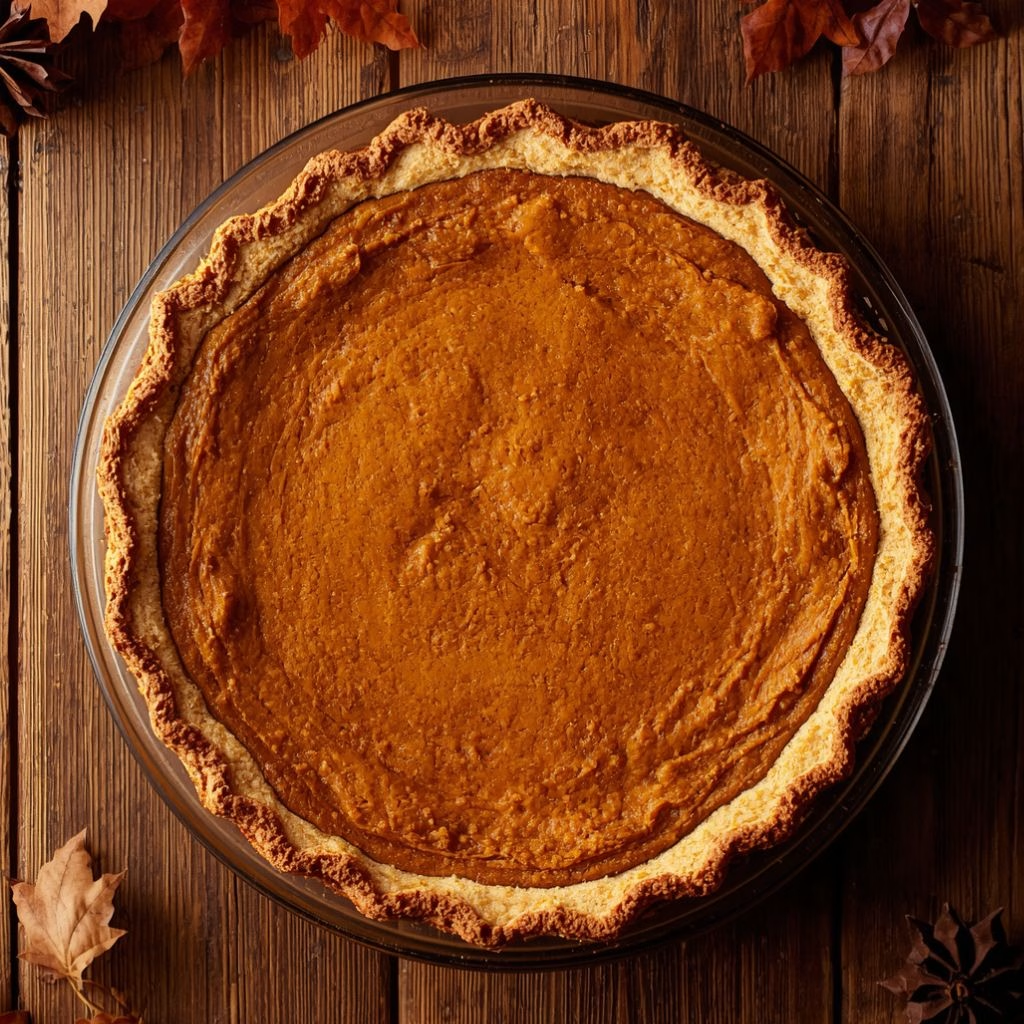
I just pulled this Southern Pumpkin Pie Recipe out of my oven, and the smell alone made me feel like fall had arrived in my kitchen. I’ve always loved how simple ingredients can turn into something so comforting and rich.
When I made this recipe, I realized it’s all about balance—smooth pumpkin, warm spices, and a buttery crust. I followed the traditional Southern-style approach, and it honestly felt like a homemade hug on a plate. Let me walk you through exactly how I made it so you can enjoy the same cozy dessert experience.
Ingredients
This classic Southern pumpkin pie uses simple pantry staples, but each one plays a key role in flavor and texture.
- 1 (9-inch) unbaked pie crust
A buttery crust holds the filling together; homemade or refrigerated works, but don’t overwork the dough or it becomes tough. - 1 (15-ounce) can pumpkin puree
Use pure pumpkin, not pumpkin pie filling, for better control over sweetness and spice. - 3/4 cup granulated sugar
Adds sweetness and balances the earthy pumpkin flavor without overpowering it. - 1/2 teaspoon salt
Enhances all the flavors and prevents the pie from tasting flat. - 1 teaspoon ground cinnamon
Gives warm, classic Southern spice notes that define pumpkin pie. - 1/2 teaspoon ground ginger
Adds gentle heat and depth to the filling. - 1/4 teaspoon ground nutmeg
Brings a cozy, slightly nutty aroma essential to traditional pumpkin pie. - 2 large eggs
Helps the filling set into a creamy, sliceable texture. - 1 (12-ounce) can evaporated milk
Creates a smooth, rich custard-like filling without making it too heavy.
Note: This recipe serves approximately 8 people.
Variations
You can easily customize this Southern pumpkin pie based on dietary needs or flavor preferences.
- Dairy-free option
Replace evaporated milk with full-fat coconut milk for a creamy texture and subtle coconut flavor. - Lower sugar version
Reduce sugar or replace it with coconut sugar or maple syrup for a more natural sweetness. - Extra spice variation
Add a pinch of cloves or allspice for a stronger holiday-style spice profile. - Gluten-free crust
Use a gluten-free pie crust or almond flour-based crust for dietary restrictions. - Maple pumpkin twist
Add 1–2 tablespoons of maple syrup for deeper caramel-like sweetness. It also pairs well with recipes like portobello-hummus-mash-recipe as a savory contrast to the sweet, spiced pumpkin filling. - A cozy meal idea alongside dessert inspiration like grilled-zhoug-chicken-tomatoes-recipe can turn a simple dinner into a full comforting seasonal spread.
Cooking Time
Here’s a simple breakdown of the time needed for this recipe:
- Prep Time: 15 minutes
- Cooking Time: 50–60 minutes
- Total Time: About 1 hour 15 minutes
Equipment You Need
- Mixing bowl – for combining the pumpkin filling smoothly
- Whisk – helps blend eggs, spices, and milk evenly
- 9-inch pie dish – holds the crust and filling for baking
- Measuring cups and spoons – ensures accurate ingredient ratios
- Oven – bakes the pie to a perfectly set custard texture
- Cooling rack – allows the pie to cool evenly without sogginess
How to Make a Southern Pumpkin Pie Recipe?
Step 1: Prepare the Pie Crust
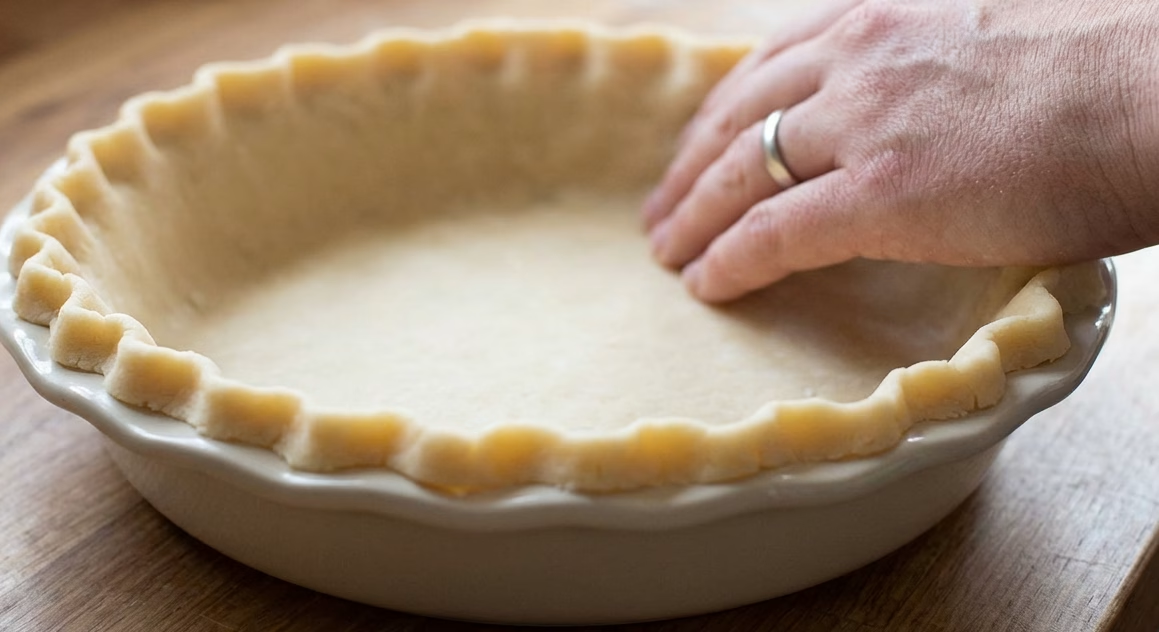
I start by placing my pie crust into a 9-inch pie dish and gently pressing it into shape. Then I trim and crimp the edges for a clean, decorative finish. I keep it chilled while preparing the filling to help it stay flaky during baking.
Step 2: Mix the Pumpkin Filling
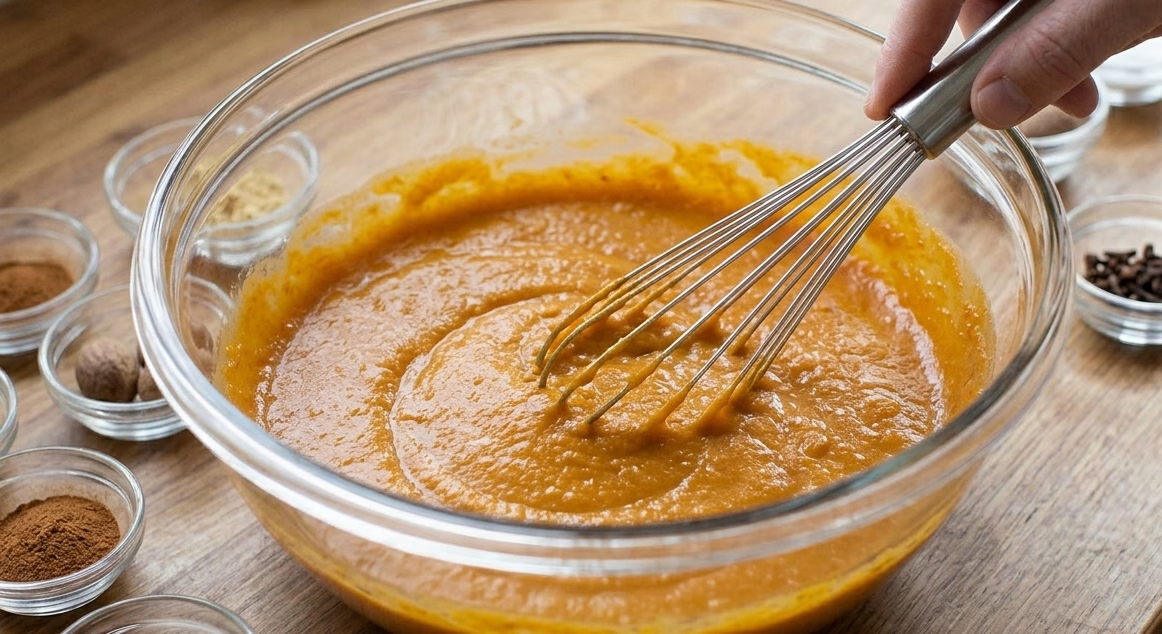
In a large bowl, I whisk together pumpkin puree, sugar, salt, and spices. I make sure everything blends smoothly so there are no lumps in the mixture. This step builds the rich, spiced base that defines the pie’s flavor.
Step 3: Add Eggs and Milk
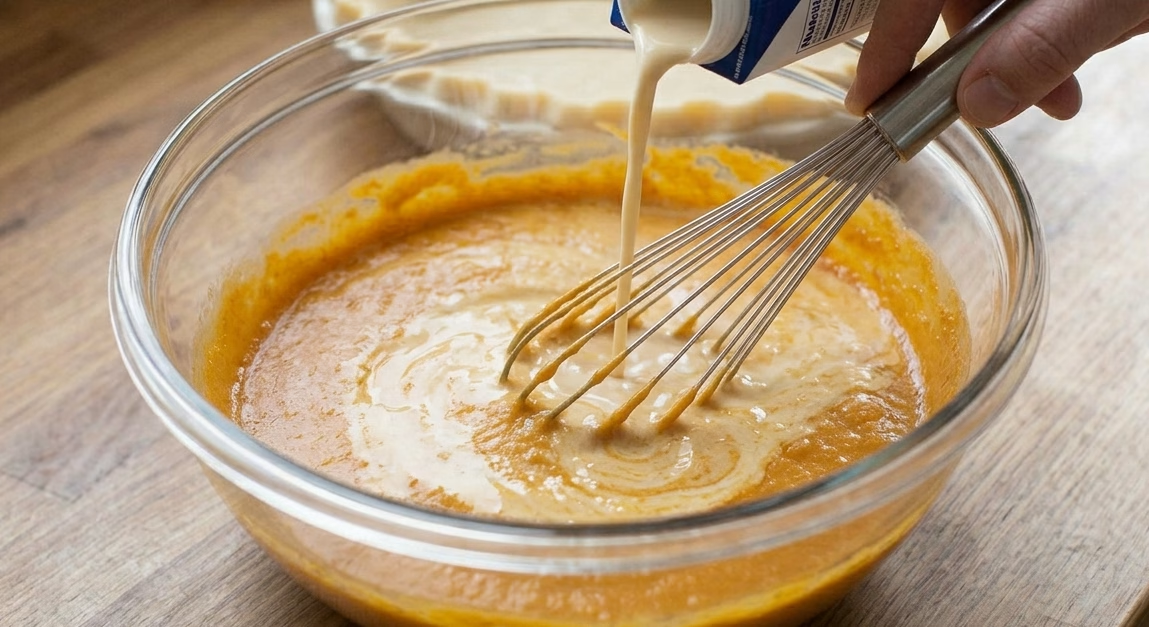
Next, I beat in the eggs one at a time until fully combined. Then I slowly stir in evaporated milk to create a silky custard texture. The filling should look smooth, creamy, and lightly thick before baking.
Step 4: Fill and Bake the Pie
I pour the filling into the prepared crust carefully to avoid spills. Then I bake it in a preheated oven until the center is just set. A slight jiggle in the middle is fine because it firms up while cooling.
Step 5: Cool and Set
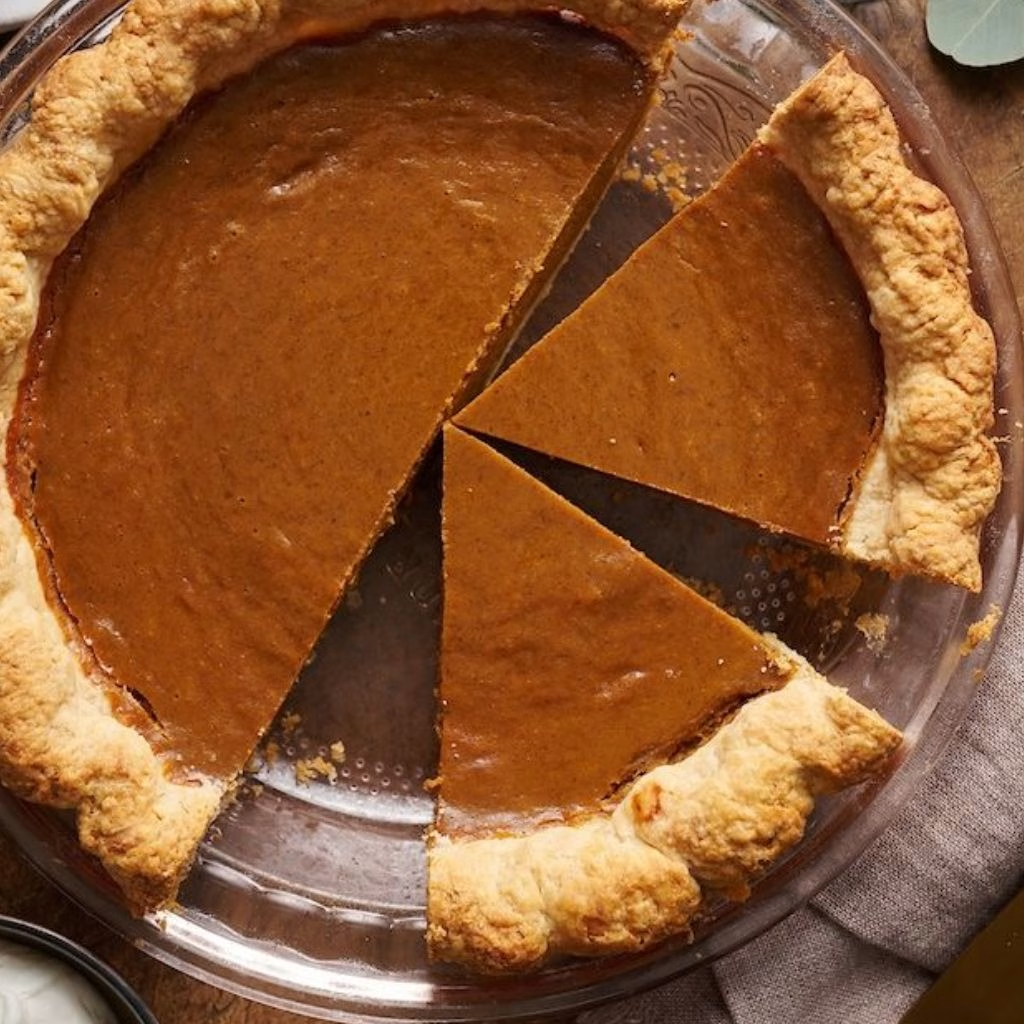
Once baked, I let the pie cool completely at room temperature. This helps the custard finish setting and makes slicing easier. I usually chill it for a few hours before serving for the best texture.
Additional Tips for Making This Recipe Better
After making this several times, I’ve learned a few small tricks that really improve the result:
- I always use room-temperature eggs because they blend more smoothly into the filling.
- I don’t skip cooling time—rushing this step makes the pie fall apart when slicing.
- I lightly blind bake the crust sometimes to avoid a soggy bottom.
- I prefer fresh spices instead of old pantry jars for stronger flavor.
- I check the pie early near the end of baking to avoid overcooking the custard.
How to Serve Southern Pumpkin Pie Recipe?
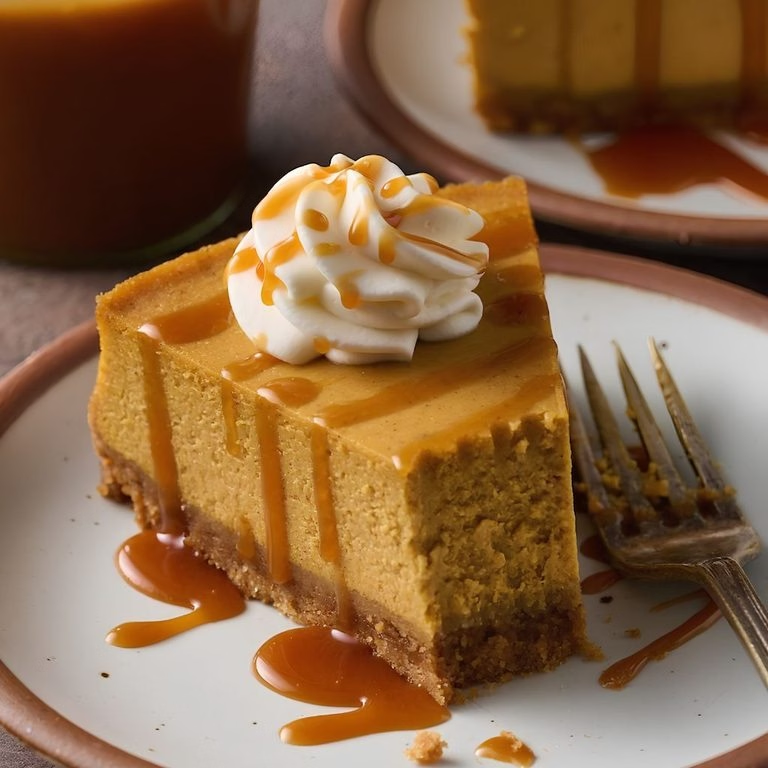
I love serving this pie slightly chilled or at room temperature for the best texture. A generous dollop of whipped cream on top makes it even more indulgent and classic. For presentations, I sometimes sprinkle a little cinnamon or nutmeg over the cream. You can also add caramel drizzle or toasted pecans for a more festive touch.
Nutritional Information
Here’s a general idea of what one slice contains:
- Calories: ~320 kcal
- Protein: ~6 g
- Carbohydrates: ~42 g
- Fat: ~14 g
Make Ahead and Storage
Refrigeration
I usually store leftover pumpkin pie in the refrigerator covered loosely with foil or plastic wrap.
It stays fresh for up to 3–4 days and tastes even better the next day.
Freezing
You can freeze the whole pie or individual slices wrapped tightly in plastic wrap.
It keeps well for up to 2 months, making it great for holiday prep.
Reheating
To enjoy warm slices, I reheat them in the oven at a low temperature.
Avoid microwaving too long, as it can change the custard texture slightly.
Why You’ll Love This Recipe?
This Southern pumpkin pie is simple, comforting, and full of classic flavor.
- Easy to make with basic ingredients
I love that everything comes from pantry staples, making it beginner-friendly and stress-free. - Perfect holiday dessert
It fits beautifully into Thanksgiving or any cozy family gathering. - Smooth, creamy texture
The filling turns out silky and rich without being overly heavy. - Highly customizable
You can adjust spices, sweetness, or crust type to suit your taste. - Make-ahead friendly
I often prepare it a day early, and it still tastes fresh and delicious.
If you’re looking for a dessert that feels nostalgic, warm, and truly Southern, this pumpkin pie is one of the easiest ways to bring that homemade comfort straight to your table.

Southern Pumpkin Pie Recipe
Ingredients
Method
- I start by placing my pie crust into a 9-inch pie dish and gently pressing it into shape. Then I trim and crimp the edges for a clean, decorative finish. I keep it chilled while preparing the filling to help it stay flaky during baking.
- In a large bowl, I whisk together pumpkin puree, sugar, salt, and spices. I make sure everything blends smoothly so there are no lumps in the mixture. This step builds the rich, spiced base that defines the pie’s flavor.
- Next, I beat in the eggs one at a time until fully combined. Then I slowly stir in evaporated milk to create a silky custard texture. The filling should look smooth, creamy, and lightly thick before baking.
- I pour the filling into the prepared crust carefully to avoid spills. Then I bake it in a preheated oven until the center is just set. A slight jiggle in the middle is fine because it firms up while cooling.
- Once baked, I let the pie cool completely at room temperature. This helps the custard finish setting and makes slicing easier. I usually chill it for a few hours before serving for the best texture.
Notes
- I always use room-temperature eggs because they blend more smoothly into the filling.
- I don’t skip cooling time—rushing this step makes the pie fall apart when slicing.
- I lightly blind bake the crust sometimes to avoid a soggy bottom.
- I prefer fresh spices instead of old pantry jars for stronger flavor.
- I check the pie early near the end of baking to avoid overcooking the custard.