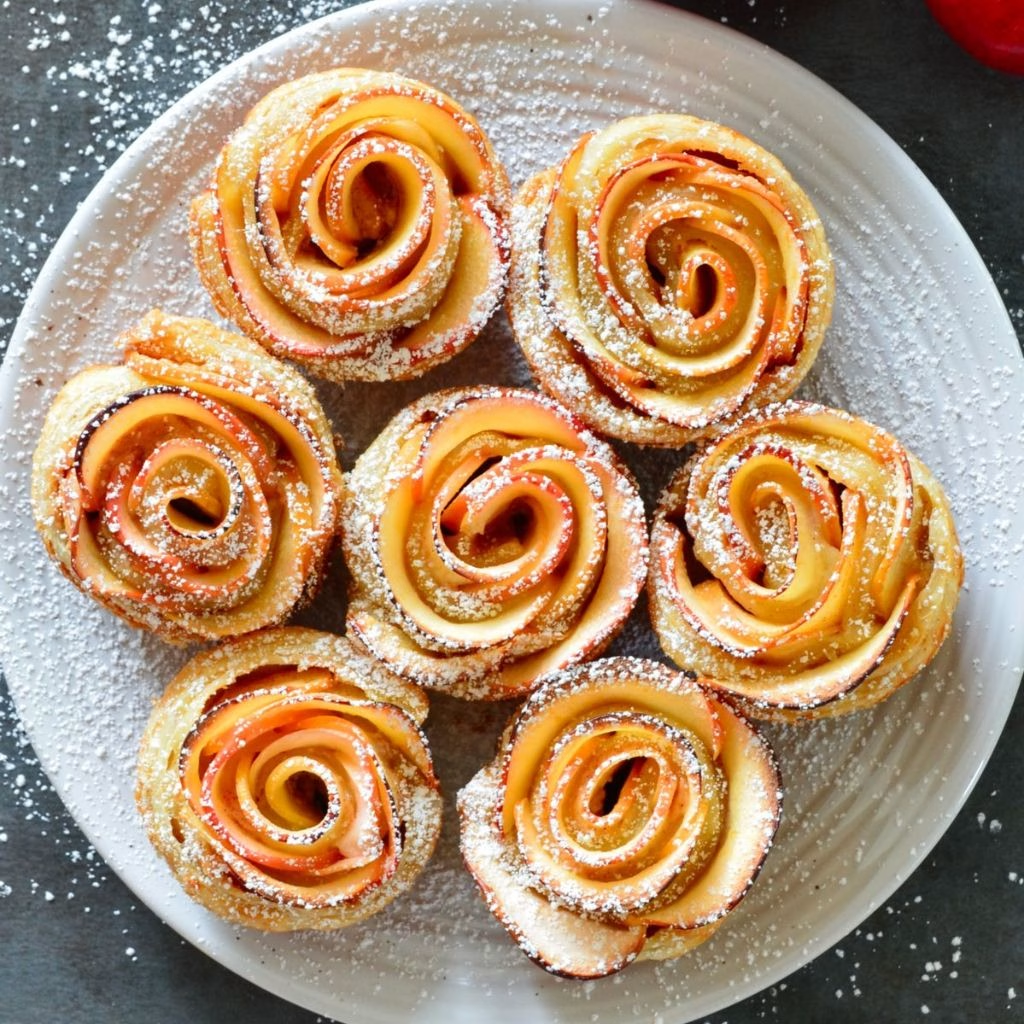
The first time I made Apple Rose Puff Pastry Recipe, I honestly thought I’d ruined the whole batch halfway through rolling. Then I pulled them out of the oven and every single one had bloomed into this gorgeous little pastry flower. I couldn’t believe something this fancy-looking came together with just a few pantry staples and one apple.
Now this is the dessert I reach for whenever I want to impress guests without spending my whole afternoon in the kitchen. If you’ve ever wanted a showstopper that looks like it came from a bakery window, this is it.

Cooking Time
- Prep Time: 30 minutes
- Cook Time: 40-45 minutes
- Total Time: about 1 hour 15 minutes
Ingredients Needed
- 3 medium apples – Gala, Honeycrisp, or McIntosh hold their shape and color best here.
- 2 sheets puff pastry, thawed – the base of every rose, so let it thaw fully before rolling.
- 6 tablespoons apricot preserves – adds shine and a light sweetness that holds the apple slices in place.
- 4 tablespoons water – thins the preserves so they spread smoothly without tearing the dough.
- Juice of half a lemon (about 2 tablespoons) – keeps the sliced apples from browning while you work.
- 1 tablespoon cinnamon – for that warm, cozy flavor sprinkled over the top.
- 3 tablespoons sugar – pairs with the cinnamon for a light, crisp finish.
- Powdered sugar, optional – a pretty finishing dust once the roses cool slightly.
Note: this recipe makes 12 apple roses, enough for a small brunch crowd or a dessert table.
Equipment You Need
- Sharp knife – for coring and thinly slicing the apples.
- Cutting board – gives you a stable surface for slicing.
- Rolling pin – smooths out the puff pastry and removes the fold lines.
- Pizza cutter or knife – makes clean, even strips of pastry.
- Microwave-safe bowl – for softening the apple slices in lemon water.
- Muffin tin – shapes and holds each rose while it bakes.
- Oven – bakes the roses until golden and crisp.
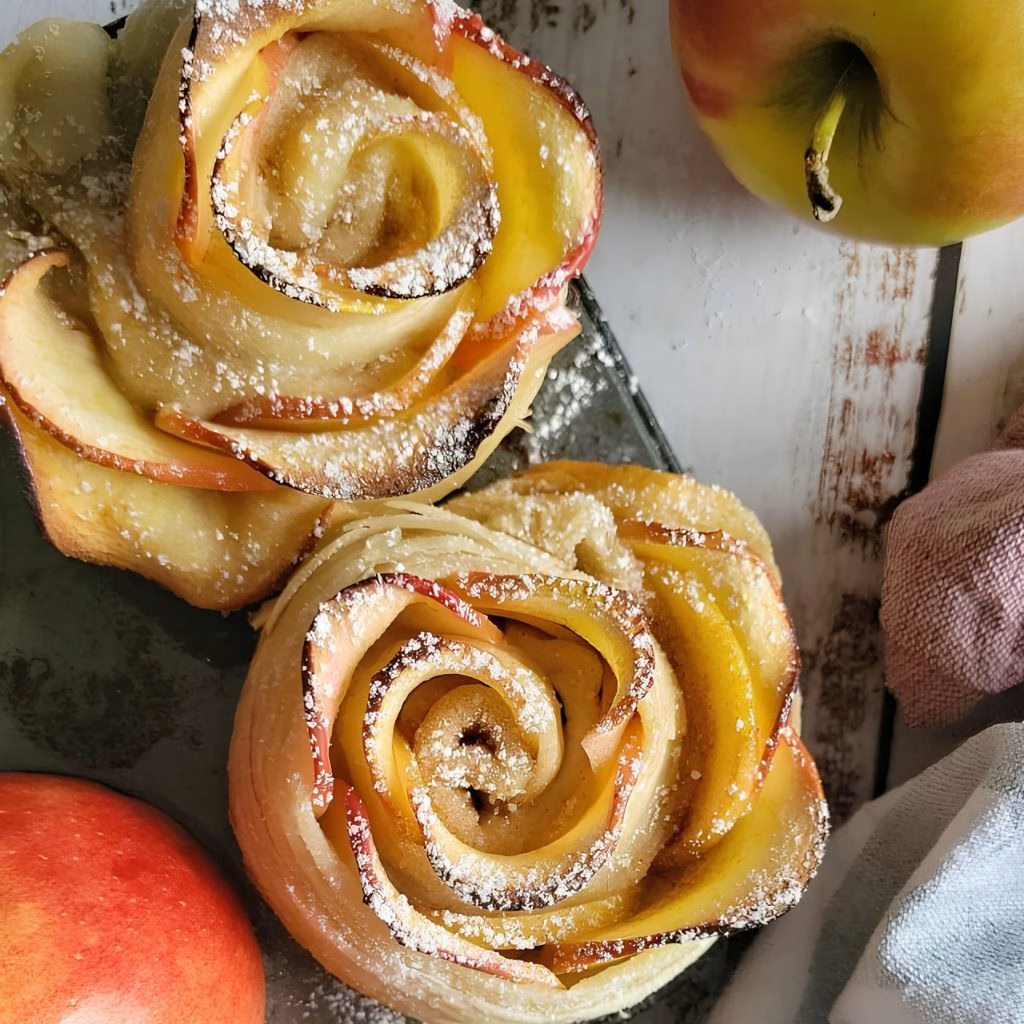
How to Make Apple Rose Puff Pastry Recipe?
This part looks fussy in photos, but it’s really just slicing, folding, and rolling. Once you make your first rose, the rest go together quickly. Here’s exactly how I build mine from start to finish.
Prepare the Apples
Cut each apple in half from top to bottom, then scoop out the core with a small spoon or melon baller. Slice the halves as thinly as you possibly can, since thick slices won’t bend into a rose shape or cook through properly. I like using a mandoline if I have one handy, but a steady hand with a sharp knife works just fine too.
Soften the Slices
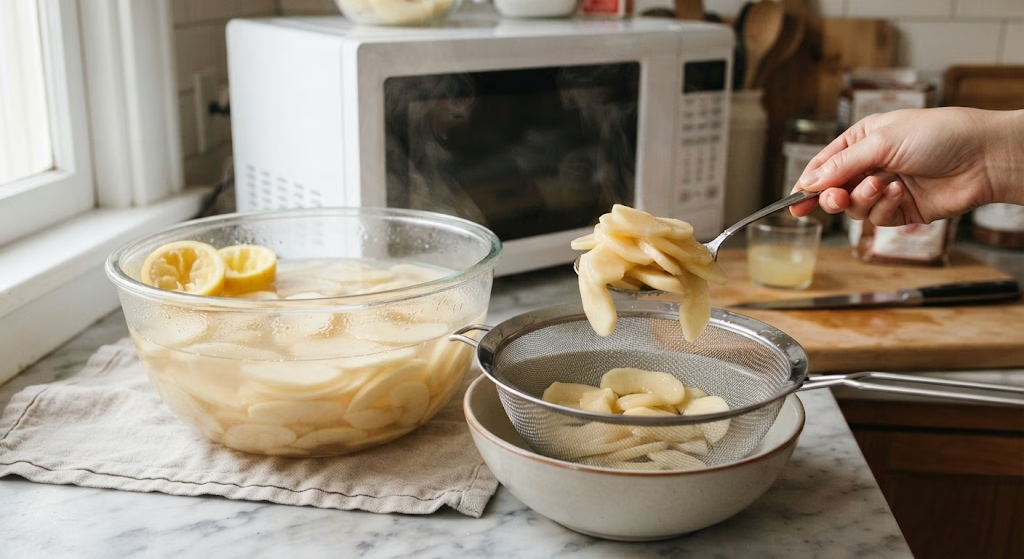
Fill a microwave-safe bowl halfway with water and squeeze in the lemon juice. Add the apple slices and microwave for about 5 minutes, until they turn slightly tender and pliable. This step is what lets you curl the slices into a rose shape without snapping them. Drain everything well in a colander afterward.
Roll and Cut the Pastry
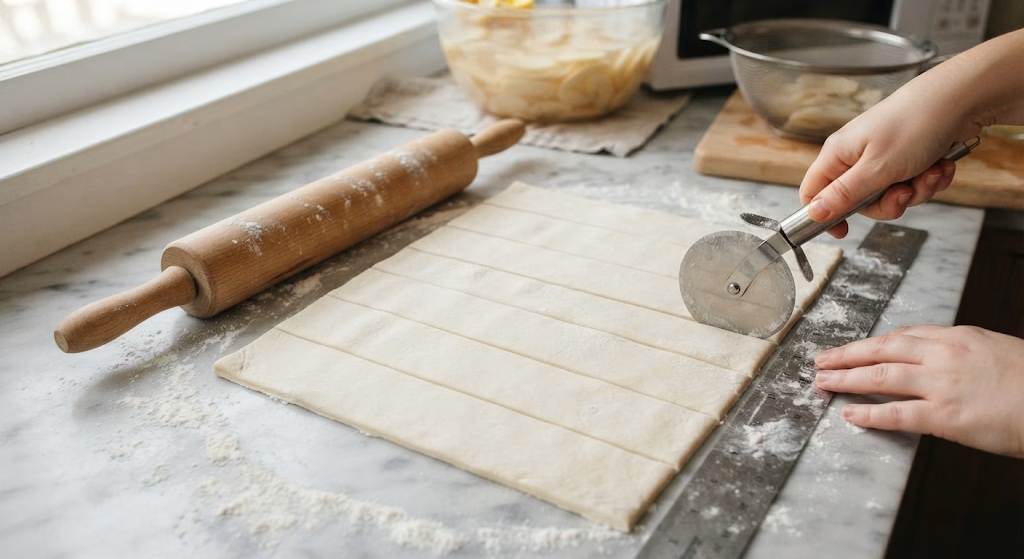
Lay your thawed puff pastry sheet on a lightly floured surface and roll over it once with a rolling pin. This smooths out the fold lines and stretches the dough just slightly. Cut each sheet into 6 even strips using a pizza cutter, since even strips mean even, symmetrical roses later.
Assemble Each Rose
Mix the apricot preserves with the water, then spoon a thin layer onto each pastry strip. Arrange 7 to 9 apple slices along one half of the strip with the peel sides facing up and slightly overlapping. Fold the bottom half of the pastry over the apples to cover the flat edge, leaving the curved peel edges peeking out.
Roll and Shape the Rose
Starting from one end, gently roll the strip toward the other end. The apple peels will fan out and create that classic rose silhouette as you go. Place each finished rose into a greased muffin tin cup, seam side down, so it holds its shape while baking.
Bake to Golden Perfection
Sprinkle the tops with your cinnamon-sugar mixture, then set a small pan of water on the oven’s bottom rack to keep the bottoms from over-browning. Bake at 375°F for 40 to 45 minutes, until the pastry turns deep golden and crisp. Let them cool slightly before dusting with powdered sugar.
Additional Tips for Making This Recipe Better
I’ve made these enough times now to have picked up a few tricks that make a real difference.
- I always slice my apples as thin as I can manage, since thick slices are the number one reason mine didn’t cook through the first time.
- I warm my apricot preserves slightly before mixing in the water, which makes them spread so much smoother.
- I skip the microwave step if my apples are already a softer variety, since over-softened slices can tear while rolling.
- I keep an eye on the color around the 35-minute mark, since ovens vary and I’d rather check early than end up with burnt edges.
- I let mine rest for about 5 minutes in the tin before removing them, since they hold together much better once slightly cooled.
Common Mistakes to Avoid
- I once rushed the pastry thaw and it cracked instead of rolling smoothly, so now I always give it the full thaw time listed on the package.
- I used to slice my apples too thick, which left the centers undercooked while the edges turned dark.
- I forgot the water pan under my muffin tin once and the bottoms burned before the tops finished baking.
- I overfilled a few strips with too many apple slices, and they wouldn’t roll into a tight rose shape at all.
- I skipped draining the apples well enough one time, and the extra moisture made the pastry soggy instead of flaky.
How to Serve Apple Rose Puff Pastry?
I love setting these out on a large white or silver platter so the golden color and rose shape really stand out. A light dusting of powdered sugar right before serving gives them that bakery-case finish.
For brunch, I’ll add a small bowl of extra warmed apricot preserves on the side for dipping, and a scoop of vanilla ice cream turns them into a warm dessert. A few fresh mint leaves tucked around the platter add a nice pop of color if you’re serving them for a holiday table or shower.
Variations
- Puff pastry apple roses with cream cheese – swap the apricot preserves for a thin layer of sweetened cream cheese for a richer, tangier filling.
- Puff pastry apple roses with apple butter – use apple butter instead of preserves for a deeper, spiced apple flavor throughout.
- Apple roses shortcrust pastry – if you prefer a sturdier, less flaky base, shortcrust pastry rolls and holds its shape well too.
- Easy apple roses puff pastry with different jams – strawberry, raspberry, or blackberry preserves all work beautifully in place of apricot.
- Apple roses no puff pastry – phyllo dough sheets, layered and brushed with butter, make a lighter, crispier alternative for anyone avoiding puff pastry.
- Add-ins for extra flavor – a light sprinkle of chopped pecans or a few raisins tucked into the roll adds texture and warmth.
For a savory contrast after a sweet brunch or dessert spread, you can also enjoy similar flavor combinations in Grilled Fish Tacos Recipe, while Honey Mustard Salmon Bites and Veggies Recipe offers another easy option when you’re planning a full meal.
Nutritional Information
Here’s a general idea of what to expect per apple rose, though this will vary slightly depending on the exact ingredients you use.
- Calories: about 270 per rose
- Protein: around 3 grams
- Carbohydrates: about 31 grams
- Fat: roughly 15 grams
Make Ahead and Storage
You can prep the apple slices and pastry strips a few hours ahead and store them separately in the fridge, but I don’t recommend assembling the full roses too far in advance since the preserves can make the raw dough soggy.
Once baked, store any leftover roses in an airtight container in the refrigerator for up to 3 to 4 days.
To reheat, place them in a 350°F oven for 5 to 10 minutes until warmed through and crisp again; the microwave works in a pinch but softens the pastry.
These also freeze well. Wrap each cooled rose individually in plastic wrap, place them in a freezer bag, and freeze for up to 2 months. Reheat frozen roses directly in a muffin tin in a 350°F oven for about 10 minutes.
Why You’ll Love This Recipe?
This dessert has earned a permanent spot in my recipe rotation, and here’s why I think you’ll feel the same way.
- It looks incredibly impressive for very little effort, since store-bought puff pastry does most of the heavy lifting while you focus on the simple folding and rolling.
- It’s easy to customize, whether you want a fruity jam filling, a creamy cream cheese swap, or a deeper apple butter flavor.
- It works for almost any occasion, from a casual weekend brunch to a holiday dessert table that needs a little extra sparkle.
- It reheats beautifully, so you can make a batch ahead of a gathering and still serve them warm and crisp.
- It’s a fun, hands-on recipe if you have kids or guests who like to help in the kitchen, since rolling the roses is genuinely satisfying to do.
FAQs
Can I make apple roses without puff pastry?
Yes, phyllo dough layered with melted butter makes a lighter, crispier version if you’d rather skip puff pastry entirely.
What’s the best filling besides apricot preserves?
Cream cheese, apple butter, caramel sauce, or other fruit preserves like raspberry or strawberry all work wonderfully in place of apricot.
Is there a video tutorial for shaping the roses?
Many recipe creators share short video walkthroughs online, and watching the rolling and folding motion once makes the technique click much faster than photos alone.
Can I use shortcrust pastry instead of puff pastry?
Yes, shortcrust holds its shape well and gives the roses a sturdier, slightly less flaky texture if that’s what you prefer.
Why did my apple roses turn out soggy?
This usually happens from slicing the apples too thick, not draining them well after softening, or skipping the water pan under the muffin tin during baking.

Apple Rose Puff Pastry Recipe
Ingredients
Method
- Cut each apple in half from top to bottom, then scoop out the core with a small spoon or melon baller. Slice the halves as thinly as you possibly can, since thick slices won’t bend into a rose shape or cook through properly. I like using a mandoline if I have one handy, but a steady hand with a sharp knife works just fine too.
- Fill a microwave-safe bowl halfway with water and squeeze in the lemon juice. Add the apple slices and microwave for about 5 minutes, until they turn slightly tender and pliable. This step is what lets you curl the slices into a rose shape without snapping them. Drain everything well in a colander afterward.
- Lay your thawed puff pastry sheet on a lightly floured surface and roll over it once with a rolling pin. This smooths out the fold lines and stretches the dough just slightly. Cut each sheet into 6 even strips using a pizza cutter, since even strips mean even, symmetrical roses later.
- Mix the apricot preserves with the water, then spoon a thin layer onto each pastry strip. Arrange 7 to 9 apple slices along one half of the strip with the peel sides facing up and slightly overlapping. Fold the bottom half of the pastry over the apples to cover the flat edge, leaving the curved peel edges peeking out.
- Starting from one end, gently roll the strip toward the other end. The apple peels will fan out and create that classic rose silhouette as you go. Place each finished rose into a greased muffin tin cup, seam side down, so it holds its shape while baking.
- Sprinkle the tops with your cinnamon-sugar mixture, then set a small pan of water on the oven’s bottom rack to keep the bottoms from over-browning. Bake at 375°F for 40 to 45 minutes, until the pastry turns deep golden and crisp. Let them cool slightly before dusting with powdered sugar.
Notes
- I always slice my apples as thin as I can manage, since thick slices are the number one reason mine didn’t cook through the first time.
- I warm my apricot preserves slightly before mixing in the water, which makes them spread so much smoother.
- I skip the microwave step if my apples are already a softer variety, since over-softened slices can tear while rolling.
- I keep an eye on the color around the 35-minute mark, since ovens vary and I’d rather check early than end up with burnt edges.
- I let mine rest for about 5 minutes in the tin before removing them, since they hold together much better once slightly cooled.