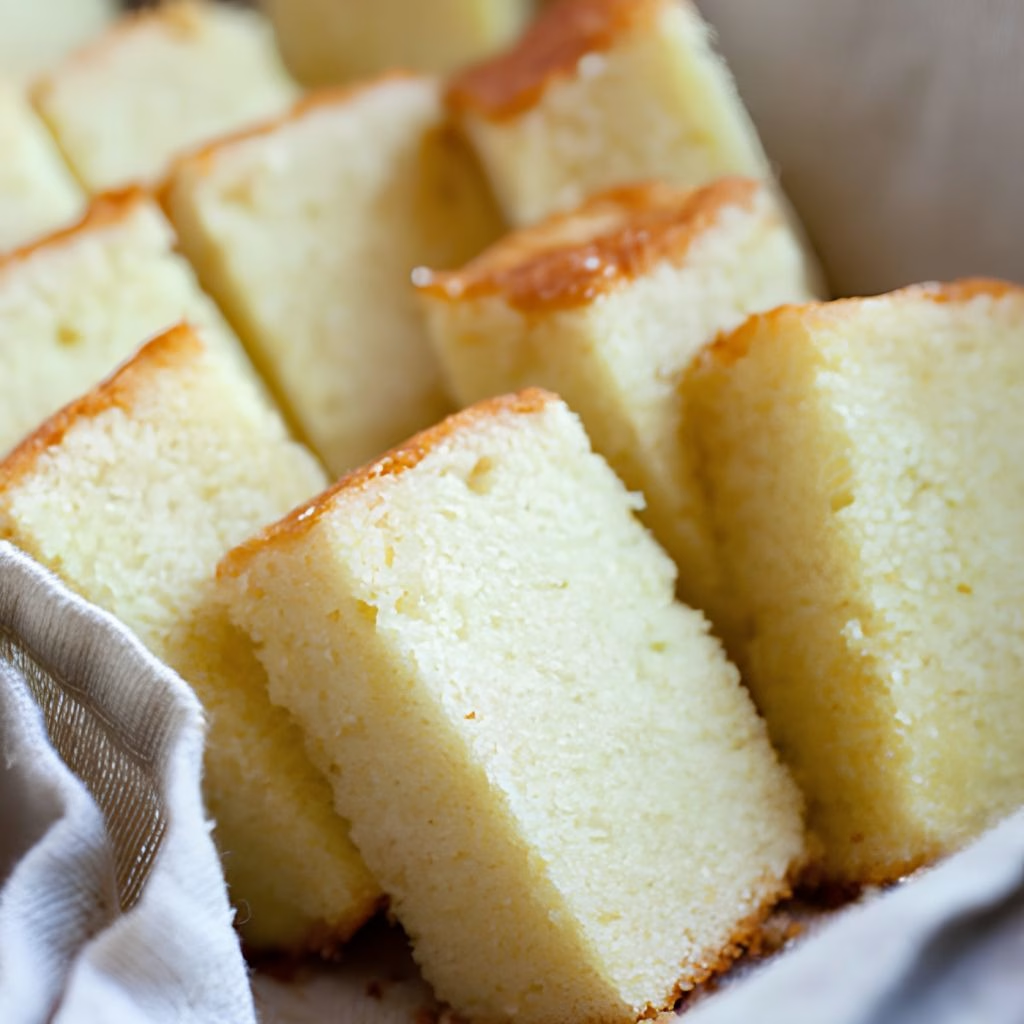
I still remember the first time I pulled this Butter Cake Recipe out of the oven and watched the glaze soak right into that golden crust. I couldn’t wait to slice into it, and honestly, I ate a piece before it even finished cooling.
This is the kind of cake I make when I want something simple, buttery, and guaranteed to disappear fast. It doesn’t need frosting, fancy decorating, or a special occasion, just a few basic ingredients I almost always have in my kitchen. Once you try it, I promise it’ll become one of your go-to bakes too.
Cooking Time
- Prep Time: 20 minutes
- Cook Time: 1 hour
- Total Time: 1 hour 20 minutes
Ingredients for Butter Cake
- 3 cups all-purpose flour, this gives the cake its structure without making it heavy
- 1 teaspoon salt, balances the sweetness so the cake doesn’t taste flat
- ¾ teaspoon baking powder, helps the cake rise into a soft, even crumb
- ½ teaspoon baking soda, works with the baking powder for a lighter texture
- 1 cup unsalted butter, softened, choose unsalted so you control the salt level
- 2 cups granulated sugar, creams beautifully with butter for a fluffy base
- 4 large eggs, bind everything together and add richness
- 1 cup whole milk, I use whole milk for the softest, most tender crumb
- 5 tablespoons unsalted butter, for the glaze, this is what gives the crust its shine
- ¾ cup granulated sugar, for the glaze, sweetens and thickens it slightly
- ¼ cup water, helps the glaze come together into a pourable syrup
- 1½ teaspoons vanilla extract, adds warmth and rounds out the flavor
Note: this recipe serves 12.
Equipment You Need
- Stand mixer or electric hand mixer, for creaming the butter and sugar smoothly
- Large mixing bowls, for combining the wet and dry ingredients separately
- Bundt pan, gives the cake its classic shape and helps it bake evenly
- Small saucepan, for simmering the butter glaze
- Wire cooling rack, lets air circulate so the cake cools properly
How to Make Butter Cake Recipe?
I like to get everything measured out before I start mixing, since this batter comes together quickly once the butter and sugar are creamed. Working through it step by step keeps the process stress-free, even if you’re not an experienced baker. Here’s exactly how I put it all together.
Prep the Pan and Dry Ingredients
Start by preheating your oven to 325°F. Butter and flour your bundt pan generously, making sure to coat every groove so the cake releases cleanly later. In a separate bowl, whisk together the flour, salt, baking powder, and baking soda until fully combined.
Cream the Butter and Sugar
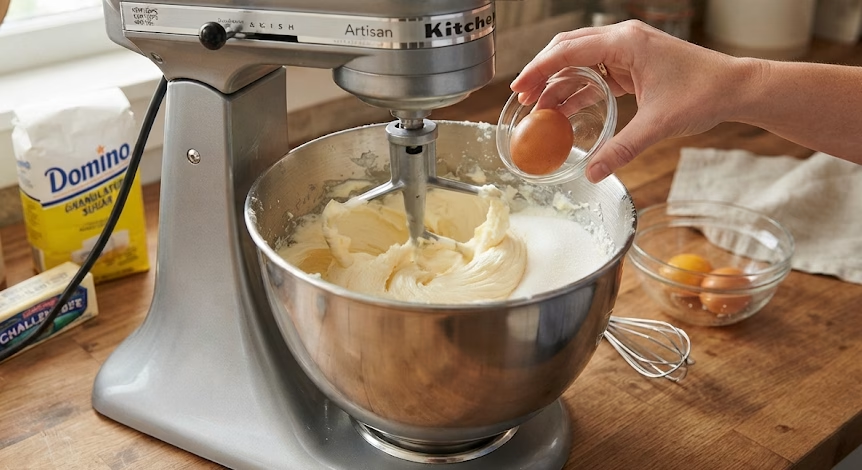
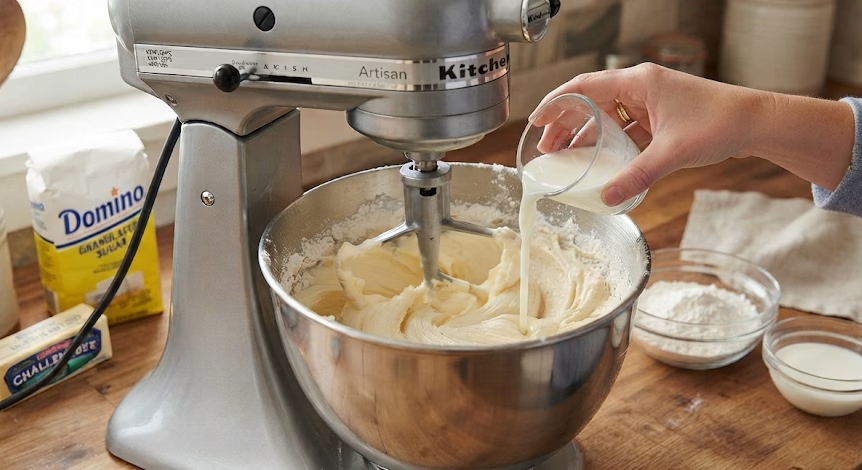
In your mixer, beat the softened butter and sugar together until the mixture turns pale and fluffy, which usually takes three to four minutes. Add the eggs one at a time, beating well after each one so the batter stays smooth and doesn’t curdle.
Combine the Wet and Dry Mixtures
With the mixer on low speed, add the flour mixture in parts, alternating with the milk. Start and finish with the flour mixture, mixing just until each addition is incorporated. Overmixing at this stage can make the cake dense, so I stop as soon as I see no streaks of flour.
Bake the Cake
Spoon the batter into your prepared bundt pan and smooth the top gently. Bake for about an hour, or until a toothpick inserted near the center comes out clean. I avoid opening the oven door early since the temperature drop can affect how evenly the cake rises.
Make the Glaze
While the cake bakes, or right as it comes out of the oven, combine the butter, sugar, and water in a small saucepan over medium heat. Simmer, stirring constantly, until the mixture turns slightly thickened and opaque. Remove it from the heat and stir in the vanilla extract.
Glaze and Cool the Cake
Pour the warm glaze evenly over the cake while it’s still in the pan, letting it soak into every crevice. Let the cake rest for fifteen minutes before inverting it onto a wire rack. Allow it to cool completely before slicing so the crumb sets properly.
Additional Tips for Making This Recipe Better
I’ve made this cake more times than I can count, and these small adjustments have made a real difference for me.
- I always bring my eggs to room temperature first, since cold eggs don’t incorporate as smoothly into the batter.
- I measure my flour with a kitchen scale whenever I can, because scooping straight from the bag tends to pack in too much flour.
- I grease every single groove of my bundt pan, even the nonstick one, since a stuck cake is heartbreaking after all that effort.
- I tap the filled pan gently on the counter before baking to release any trapped air bubbles.
- I pour the glaze on while the cake is still warm, since it soaks in far better than it would on a cooled cake.
Common Mistakes to Avoid
I’ve made a few of these mistakes myself over the years, so I like to flag them for anyone trying this recipe for the first time.
- Using cold butter: I learned the hard way that cold butter won’t cream properly, leaving lumps in the batter instead of a smooth, fluffy base.
- Overmixing after adding flour: I keep my mixer on low and stop as soon as the flour disappears, since overmixing builds too much gluten and toughens the cake.
- Skipping the pan prep: I once rushed this step and lost half my cake to the pan, so now I never skip greasing every groove.
- Opening the oven too often: I used to peek constantly, but I’ve found the cake bakes far more evenly when I leave the door shut.
- Pouring cold glaze: I always make sure my glaze is still warm when it goes on, since a cooled glaze just sits on top instead of soaking in.
How to Serve Butter Cake
I love serving this cake on a simple cake stand so that golden, glazed crust gets to show off. A light dusting of powdered sugar makes it look a little more polished for guests. When I want to dress it up further, I add a spoonful of fresh berries or a drizzle of caramel sauce on the side.
It also pairs wonderfully with a scoop of vanilla ice cream if I’m serving it warm for dessert. For another sweet treat with warm spices and a buttery flavor, I also enjoy Brown Butter Dirty Chai Cookies Recipe.
Variations
- Lemon butter cake: I add lemon zest and a tablespoon of lemon juice to the batter for a brighter, citrusy twist. If you enjoy fresh lemon flavors in your meals too, Baked Cod In Coconut Lemon Cream Sauce Recipe is another delicious way to bring that bright citrus flavor to the table.
- Dairy-free version: I swap the butter for a plant-based alternative and use oat milk instead of whole milk.
- Reduced sugar option: I cut the sugar in the cake batter by a quarter cup without noticing much difference in texture.
- Extra vanilla flavor: I stir an additional teaspoon of vanilla into the batter for a deeper, more fragrant cake.
- Nutty crunch: I fold in half a cup of chopped pecans or walnuts for added texture.
Nutritional Information
Here’s a general idea of what one slice of this butter cake looks like nutritionally.
- Calories: 506 kcal
- Protein: 6 g
- Carbohydrates: 71 g
- Fat: 23 g
Make Ahead and Storage
You can bake this cake a day or two in advance since it actually holds its moisture well thanks to the glaze. Once it has cooled completely, cover it tightly and store it at room temperature for up to five days without needing refrigeration.
If you want to freeze it, wrap the fully cooled cake twice in plastic wrap or foil, and it will keep well in the freezer for up to three months. Thaw it overnight at room temperature before serving so the texture stays soft and moist.
There’s no real need to reheat this cake since it tastes wonderful at room temperature, but a few seconds in the microwave can bring back that fresh-baked warmth if you’d like.
Why You’ll Love This Recipe
This cake has earned a permanent spot in my baking rotation, and here’s why I think you’ll feel the same way.
- It’s incredibly simple: I use basic pantry ingredients and don’t need any special equipment beyond a mixer and a bundt pan.
- It stays moist for days: the glaze keeps this cake soft and flavorful well after the day it’s baked.
- It needs no decorating: I never have to fuss with frosting since the glazed crust already looks beautiful on its own.
- It’s easy to customize: I can add citrus, nuts, or extra vanilla depending on what I’m in the mood for.
- It’s a crowd pleaser: I’ve brought this to potlucks and parties, and it’s always one of the first things to go.
FAQs
What is the difference between a traditional butter cake recipe and a pound cake?
A traditional butter cake recipe is often lighter and softer than pound cake, and I find the ratios of butter, sugar, and flour are usually different too. Pound cake traditionally uses equal parts of each, while this butter cake has its own balance.
Do you have an easy moist butter cake recipe with oil instead of butter?
I generally stick with butter in the cake itself since it gives the richest flavor, but you can replace the butter in the glaze with a neutral oil if needed. The texture will be slightly different but still moist.
What makes an original gooey butter cake recipe different from this one?
A gooey butter cake usually has a soft, custard-like layer baked on top of a cake base, while this butter cake is a single, evenly baked cake soaked in a buttery glaze. Both are delicious, but the texture is quite different.
Can I make this as a simple butter cake recipe for a birthday?
Absolutely, I’ve made this for birthdays plenty of times. I just add a few fresh flowers or berries on top of the cake stand for a celebratory touch without any extra decorating work.
Is this considered the best moist butter cake recipe for beginners?
I think it’s a great starting point for beginner bakers since the steps are straightforward and forgiving. As long as you don’t overmix the batter, I’ve found it turns out well even for first-timers.

Butter Cake Recipe
Ingredients
Method
- Start by preheating your oven to 325°F. Butter and flour your bundt pan generously, making sure to coat every groove so the cake releases cleanly later. In a separate bowl, whisk together the flour, salt, baking powder, and baking soda until fully combined.
- In your mixer, beat the softened butter and sugar together until the mixture turns pale and fluffy, which usually takes three to four minutes. Add the eggs one at a time, beating well after each one so the batter stays smooth and doesn’t curdle.
- With the mixer on low speed, add the flour mixture in parts, alternating with the milk. Start and finish with the flour mixture, mixing just until each addition is incorporated. Overmixing at this stage can make the cake dense, so I stop as soon as I see no streaks of flour.
- Spoon the batter into your prepared bundt pan and smooth the top gently. Bake for about an hour, or until a toothpick inserted near the center comes out clean. I avoid opening the oven door early since the temperature drop can affect how evenly the cake rises.
- While the cake bakes, or right as it comes out of the oven, combine the butter, sugar, and water in a small saucepan over medium heat. Simmer, stirring constantly, until the mixture turns slightly thickened and opaque. Remove it from the heat and stir in the vanilla extract.
- Pour the warm glaze evenly over the cake while it’s still in the pan, letting it soak into every crevice. Let the cake rest for fifteen minutes before inverting it onto a wire rack. Allow it to cool completely before slicing so the crumb sets properly.
Notes
- I always bring my eggs to room temperature first, since cold eggs don’t incorporate as smoothly into the batter.
- I measure my flour with a kitchen scale whenever I can, because scooping straight from the bag tends to pack in too much flour.
- I grease every single groove of my bundt pan, even the nonstick one, since a stuck cake is heartbreaking after all that effort.
- I tap the filled pan gently on the counter before baking to release any trapped air bubbles.
- I pour the glaze on while the cake is still warm, since it soaks in far better than it would on a cooled cake.