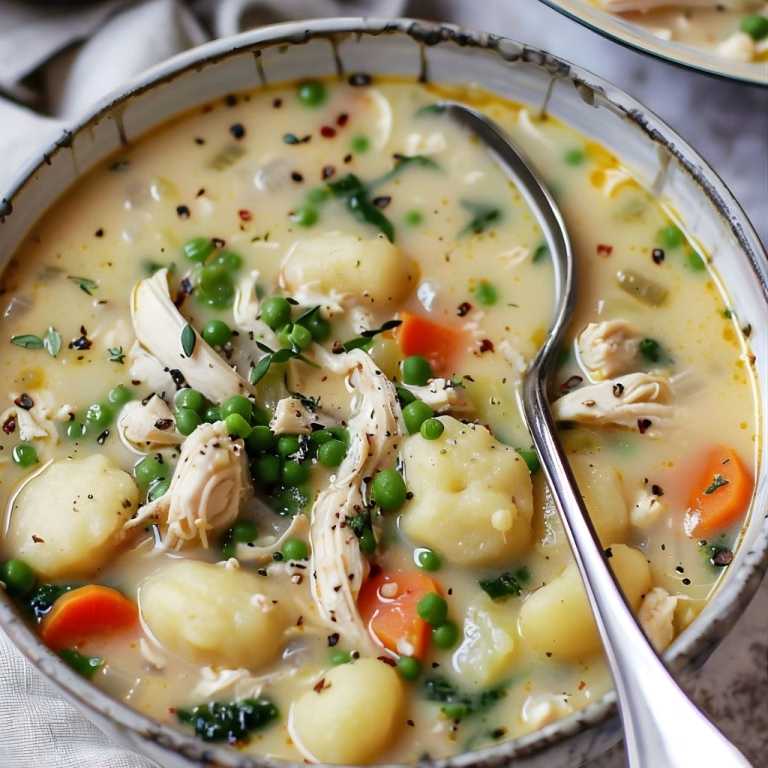
I finally cracked the code on my favorite food court find, and now I’m sharing it with you. After a few messy attempts and one too many mushy noodle batches, I landed on a bowl that tastes just like the one I used to grab on my Costco runs.
This is my go-to copycat version whenever the weather turns cold or someone in my house has the sniffles. It comes together with everyday ingredients, most of which I already have sitting in my fridge and pantry. Once you try this one, I promise your usual soup night is about to get a serious upgrade.

Cooking Time
- Prep Time: 15 minutes
- Cooking Time: 35 minutes
- Total Time: 50 minutes
Ingredients for Costco-Style Chicken Noodle Soup
- 2 tablespoons salted butter — gives the broth that rich, slightly buttery base Costco’s version is known for
- 1 tablespoon olive oil — keeps the butter from burning while the veggies soften
- 1 large yellow onion, diced — builds the savory backbone of the broth
- 3 stalks celery, sliced — adds a fresh, slightly peppery crunch
- 3 large carrots, sliced — brings natural sweetness and a pop of color
- 3 cloves garlic, minced — fresh garlic makes a noticeable difference over the jarred kind
- 10 cups chicken stock — use a good quality stock since it’s the main flavor carrier
- 1 bay leaf — infuses a subtle earthy depth while it simmers
- 1 teaspoon dried thyme — the classic herb that gives this soup its cozy aroma
- 1/2 teaspoon dried parsley — rounds out the herb blend without overpowering
- Salt and freshly ground black pepper, to taste — always taste before adding more, stock can already be salty
- 3 cups shredded rotisserie chicken — a warm rotisserie chicken saves time and adds deep flavor
- 8 ounces wide egg noodles — hold their shape better than thin noodles once they hit the hot broth
- Fresh parsley, chopped, for garnish — a small sprinkle brightens the whole bowl right before serving
Note: This recipe serves 6 to 8 people.
Equipment You’ll Need
- Large stockpot or Dutch oven — for sautéing the vegetables and simmering the soup
- Sharp knife and cutting board — for dicing the onion, celery, and carrots
- Wooden spoon — for stirring without scratching your pot
- Ladle — for portioning the soup into bowls
- Measuring cups and spoons — for keeping the seasoning balanced

How to Make Homemade Costco-Style Chicken Noodle Soup Recipe?
I know soup can feel intimidating if you’ve never made it from scratch, but this one is genuinely simple. Every step builds on the last, so you’re never juggling too much at once. Follow along and you’ll have a steaming pot ready in under an hour.
Step 1: Sauté the Vegetables
I start by melting the butter and olive oil together in my stockpot over medium-high heat. Once it’s shimmering, I toss in the onion, celery, and carrots and let them soften for about five minutes. This step wakes up all the natural sweetness in the vegetables before the broth goes in.

Step 2: Add the Garlic
I stir in the minced garlic once the vegetables have softened and let it cook for just thirty seconds. Garlic burns fast, so I keep the spoon moving the whole time. This short cook releases the aroma without turning it bitter.

Step 3: Pour in the Stock and Seasonings
Next, I pour in the chicken stock along with the bay leaf, thyme, and parsley. I give everything a good stir, then bring the pot up to a gentle boil. This is where the broth really starts smelling like the real deal.
Step 4: Simmer the Broth
Once it’s boiling, I drop the heat down to a low simmer and let it cook uncovered for about fifteen minutes. This gives the vegetables time to turn tender and lets all those herbs infuse the broth. I taste and adjust the salt and pepper here.
Step 5: Add the Noodles
I stir in the egg noodles and let them cook right in the broth for about seven to nine minutes, or until they’re just tender. Cooking them directly in the pot lets them soak up extra flavor instead of tasting bland and separate.
Step 6: Stir in the Chicken
As soon as the noodles are done, I remove the pot from the heat and fold in my shredded rotisserie chicken. Since it’s already cooked, it only needs a few minutes to warm through in the hot broth. This keeps the chicken tender instead of rubbery.
Step 7: Taste, Serve, and Garnish
Before serving, I always give the broth one more taste and adjust the seasoning if needed. I ladle it into bowls and finish each one with a sprinkle of fresh parsley. That last touch makes it look just as good as it tastes.
Additional Tips for Making This Recipe Better
I’ve made this soup more times than I can count, and these are the small tweaks that took it from good to great for me.
- I always use a warm rotisserie chicken instead of raw chicken breast since it saves time and tastes richer.
- I like adding an extra splash of stock if I’m planning on leftovers, since the noodles keep soaking up liquid.
- I sometimes stir in a squeeze of fresh lemon juice right before serving for a little brightness.
- I use wide egg noodles instead of thin ones because they hold up better and don’t turn mushy as fast.
- I keep my herbs simple, since too many competing flavors can drown out that classic Costco taste I’m going for.
I also like having a lighter, veggie-forward option alongside comforting meals like this, such as a Japanese Seaweed Salad Recipe.
Common Mistakes to Avoid
- I’ve overcooked my noodles more than once, so now I always pull the pot off the heat the second they turn tender.
- I used to skip tasting the broth before adding salt, and it ended up too salty since my stock already had sodium.
- I once added the chicken too early and it turned dry, so now I stir it in only at the very end.
- I’ve learned not to rush the vegetable sauté, since undercooked onions and carrots leave the broth tasting flat.
- I made the mistake of freezing the soup with noodles already in it, and they turned mushy after thawing.
How to Serve Costco-Style Chicken Noodle Soup
I love serving this soup in wide, shallow bowls so the chicken and noodles are visible right on top instead of sinking to the bottom. A warm slice of crusty bread or a soft dinner roll on the side makes it feel like a full meal.
For a little extra color, I finish each bowl with a scatter of fresh parsley and a few cracks of black pepper. If I’m serving guests, I set out lemon wedges so everyone can add a bright squeeze to their own bowl. You can also enjoy a heartier protein-focused meal on another day with a Grilled Chicken Veggie Plate Recipe.
Variations
- Dairy-free option: swap the butter for extra olive oil, since the broth itself doesn’t rely on dairy.
- Low-sodium option: use a low-sodium chicken stock and season with salt only at the very end.
- Extra hearty version: add diced potatoes along with the carrots for a thicker, more filling soup.
- Veggie-packed version: stir in a handful of frozen peas or corn during the last few minutes of cooking.
- Gluten-free option: replace the egg noodles with your favorite gluten-free pasta shape.
- Creamy twist: stir in a splash of heavy cream after adding the chicken for a richer, creamy finish.
Nutritional Information
Here’s a general idea of what one serving of this soup looks like, though the exact numbers will shift a bit depending on your exact ingredients.
- Calories: approximately 280 per serving
- Protein: approximately 22 grams per serving
- Carbohydrates: approximately 28 grams per serving
- Fat: approximately 9 grams per serving
Make Ahead and Storage
I often make the broth and vegetables a day ahead, then cook the noodles fresh right before serving so they don’t turn soft in the fridge. This soup keeps well in an airtight container in the refrigerator for up to 4 days.
If I’m freezing it, I leave the noodles out completely and only freeze the broth, vegetables, and chicken, since noodles get mushy after thawing. It stays good in the freezer for up to 3 months, and I just cook a fresh batch of noodles when I’m ready to serve it again.
To reheat, I warm it gently on the stovetop over medium-low heat, stirring occasionally until it’s heated through. If the broth has thickened in the fridge, I add a splash of extra stock or water while reheating.
Why You’ll Love This Recipe
This soup has become a regular in my kitchen for so many reasons, and I think it’ll earn a spot in yours too.
- It’s incredibly quick: from start to finish, I usually have this on the table in under an hour, even on a busy weeknight.
- It uses a rotisserie chicken shortcut: I skip poaching raw chicken entirely, which saves me a solid chunk of prep time.
- It’s easy to customize: whether I want it dairy-free, low-sodium, or extra hearty, this base recipe adjusts without any fuss.
- It reheats beautifully: leftovers taste just as comforting the next day, especially with a fresh batch of noodles.
- It tastes like the real deal: this copycat version genuinely reminds me of the soup I used to pick up on my Costco trips.
FAQs
What’s in Costco’s chicken noodle soup?
Costco’s version is generally made with chicken, egg noodles, carrots, celery, onion, garlic, and a savory herb-seasoned broth. This homemade version recreates that same flavor profile using pantry staples and a rotisserie chicken.
Can I use Costco rotisserie chicken for this recipe?
Yes, a Costco rotisserie chicken works perfectly here and is actually what I use most often. It’s already cooked and well-seasoned, so it adds great flavor while cutting down on prep time.
What kind of noodles work best?
I always reach for wide egg noodles since they hold their texture better in hot broth. Thin noodles tend to turn soft and mushy much faster, especially if there are leftovers.
How many calories are in a bowl of this chicken noodle soup?
One serving of this soup comes out to roughly 280 calories, though this can vary slightly depending on your exact stock and chicken amounts. It’s a satisfying option without feeling overly heavy.
Can I freeze this soup with the noodles already in it?
I don’t recommend it, since the noodles absorb liquid and turn mushy after thawing. Instead, freeze just the broth, vegetables, and chicken, then cook fresh noodles when you’re ready to serve it again.

Costco Chicken Noodle Soup Copycat Recipe
Ingredients
Method
- I start by melting the butter and olive oil together in my stockpot over medium-high heat. Once it’s shimmering, I toss in the onion, celery, and carrots and let them soften for about five minutes. This step wakes up all the natural sweetness in the vegetables before the broth goes in.
- I stir in the minced garlic once the vegetables have softened and let it cook for just thirty seconds. Garlic burns fast, so I keep the spoon moving the whole time. This short cook releases the aroma without turning it bitter.
- Next, I pour in the chicken stock along with the bay leaf, thyme, and parsley. I give everything a good stir, then bring the pot up to a gentle boil. This is where the broth really starts smelling like the real deal.
- Once it’s boiling, I drop the heat down to a low simmer and let it cook uncovered for about fifteen minutes. This gives the vegetables time to turn tender and lets all those herbs infuse the broth. I taste and adjust the salt and pepper here.
- I stir in the egg noodles and let them cook right in the broth for about seven to nine minutes, or until they’re just tender. Cooking them directly in the pot lets them soak up extra flavor instead of tasting bland and separate.
- As soon as the noodles are done, I remove the pot from the heat and fold in my shredded rotisserie chicken. Since it’s already cooked, it only needs a few minutes to warm through in the hot broth. This keeps the chicken tender instead of rubbery.
- Before serving, I always give the broth one more taste and adjust the seasoning if needed. I ladle it into bowls and finish each one with a sprinkle of fresh parsley. That last touch makes it look just as good as it tastes.
Notes
- I always use a warm rotisserie chicken instead of raw chicken breast since it saves time and tastes richer.
- I like adding an extra splash of stock if I’m planning on leftovers, since the noodles keep soaking up liquid.
- I sometimes stir in a squeeze of fresh lemon juice right before serving for a little brightness.
- I use wide egg noodles instead of thin ones because they hold up better and don’t turn mushy as fast.
- I keep my herbs simple, since too many competing flavors can drown out that classic Costco taste I’m going for.