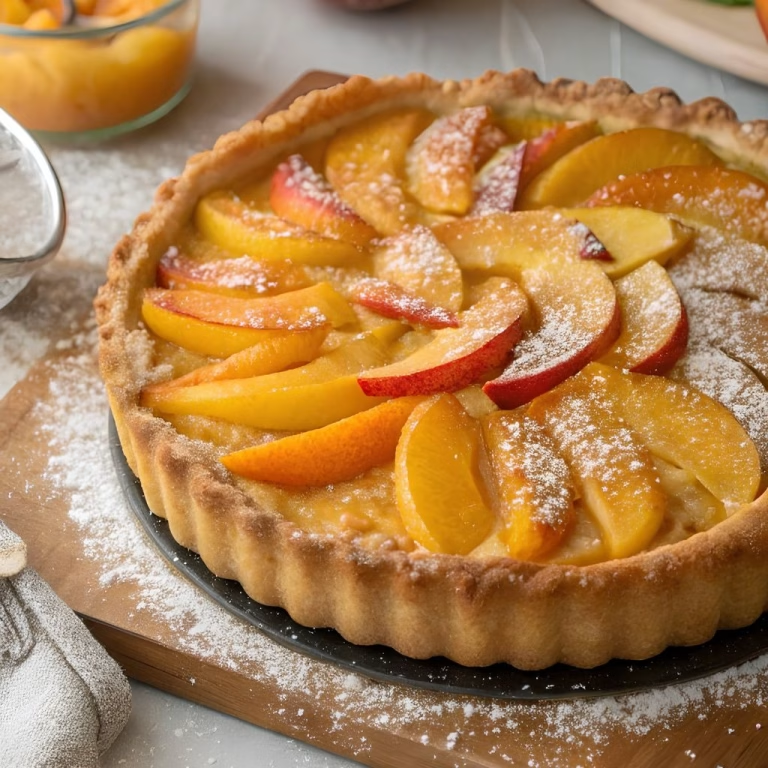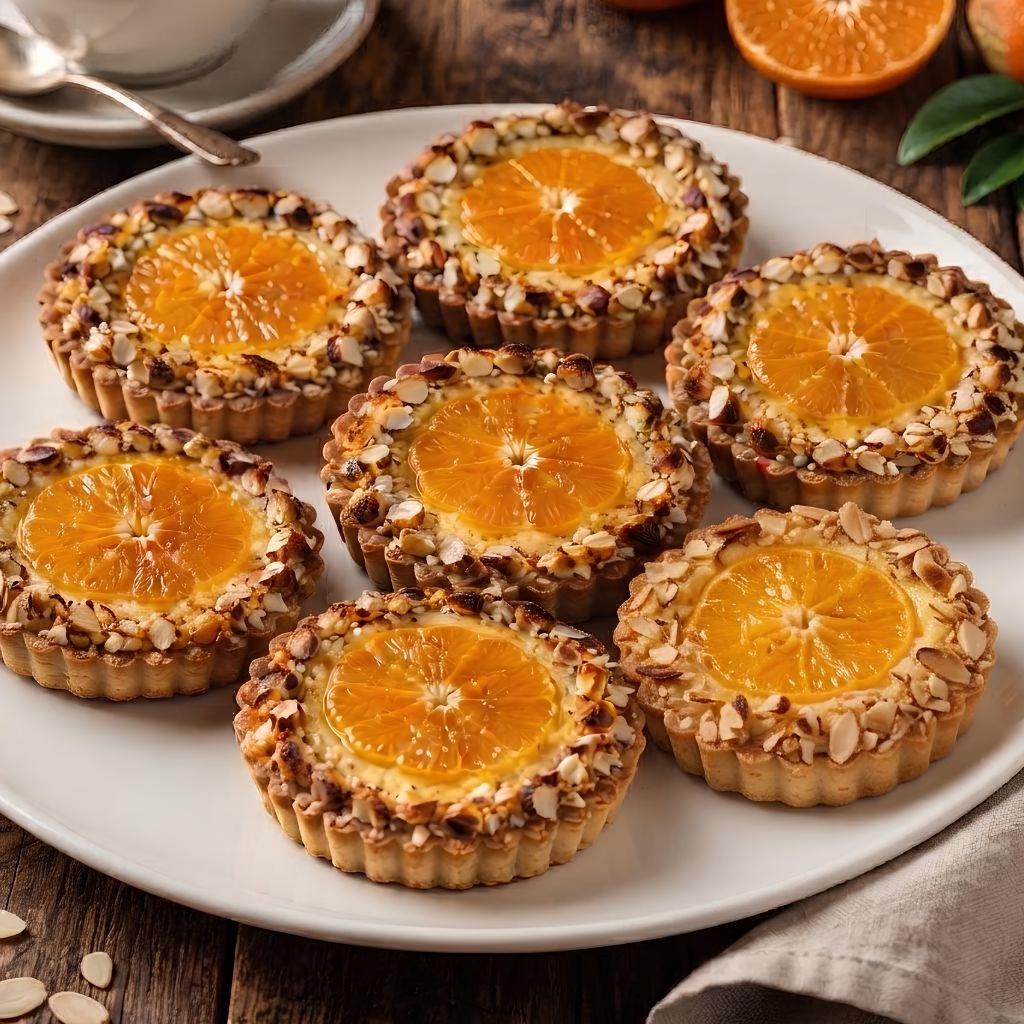
I first made this Creamy German Mandarin Polenta Tartelettes Recipe on a chilly weekend when I had a bowl of mandarins sitting on my counter and no real plan for them. I wanted something a little different from the usual shortcrust base, so I swapped in polenta for texture and a subtle golden crunch. The moment I pulled these out of the oven, the citrus smell alone told me I had a winner.
What started as a quick experiment turned into one of my most requested desserts. Now I make a batch whenever I want something that feels fancy but comes together with very little fuss.

Cooking Time
- Prep Time: 25 minutes
- Cooking Time: 30 minutes
- Total Time: 55 minutes (plus 1 hour chilling)
Ingredients
- 1 cup fine polenta (cornmeal) – gives the crust its signature slightly grainy, golden texture
- 1 cup all-purpose flour – helps bind the polenta crust so it holds its shape
- 1/2 cup unsalted butter, cold and cubed – cold butter is key for a crisp, flaky base
- 1/3 cup granulated sugar – balances the tang of the mandarins
- 1 large egg yolk – adds richness and helps the dough come together
- 4 mandarins, zested and juiced – use fresh mandarins only, bottled juice tastes flat
- 3/4 cup heavy cream – the base of the creamy filling, don’t substitute with milk
- 2 large eggs – helps the filling set into a smooth, custard-like texture
- 1/3 cup sugar (for filling) – adjust slightly depending on how sweet your mandarins are
- 1 tablespoon cornstarch – keeps the filling from becoming runny after baking
- 1 teaspoon vanilla extract – rounds out the citrus flavor nicely
- A pinch of salt – sharpens all the other flavors in the filling
Note: This recipe serves 6, making six individual tartelettes.
Equipment You Need
- Tartelette tins (6 small) – shapes and bakes the individual crusts
- Mixing bowls – for combining the dough and filling separately
- Whisk – blends the filling until smooth and lump-free
- Fine grater or zester – pulls the fragrant oil from mandarin peels
- Rolling pin – flattens the dough evenly before lining the tins
- Baking sheet – keeps the tartelette tins steady in the oven
- Cooling rack – lets the tartelettes cool evenly without a soggy base
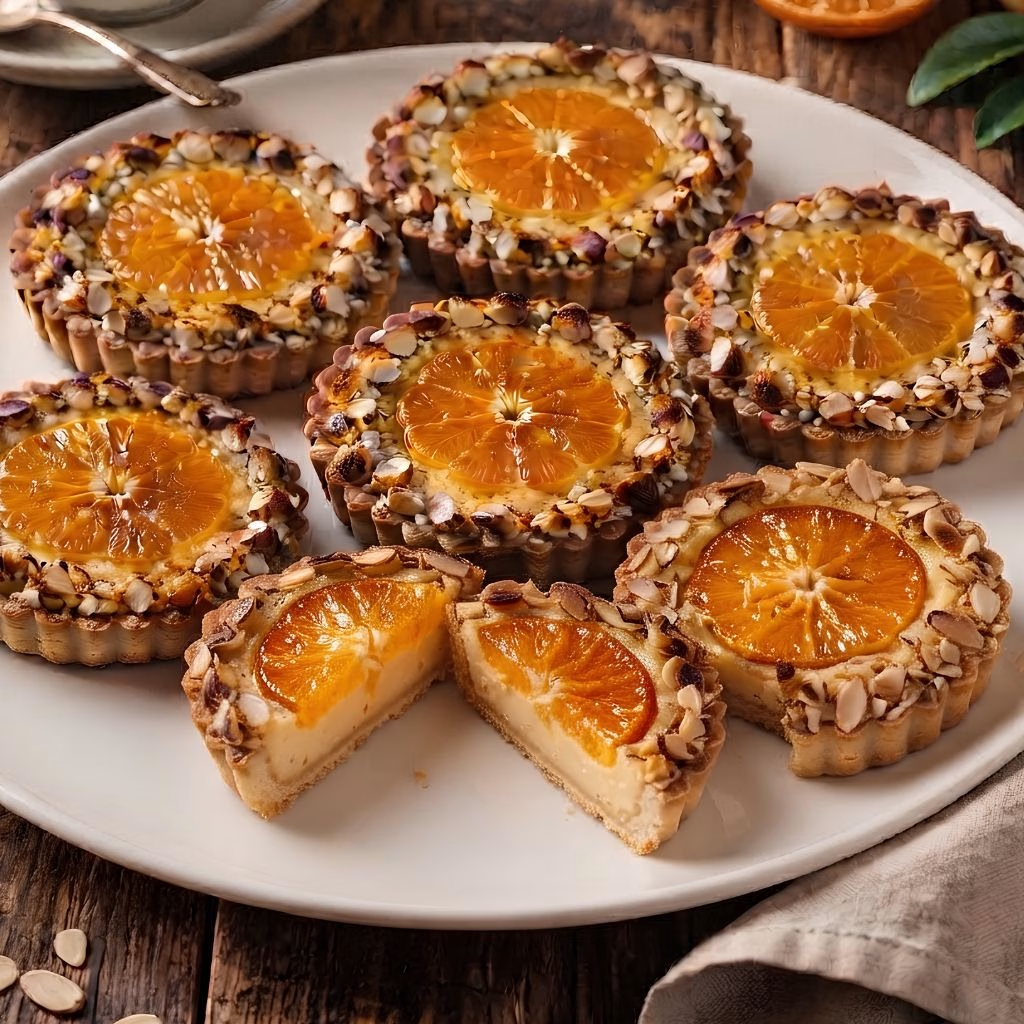
How to Make Creamy German Mandarin Polenta Tartelettes Recipe?
This part is simpler than it looks once you break it down into stages. I always prepare the crust first, let it chill, then move on to the filling. Follow these steps in order and you’ll have a tray of golden tartelettes ready before you know it.
Prepare the Polenta Dough
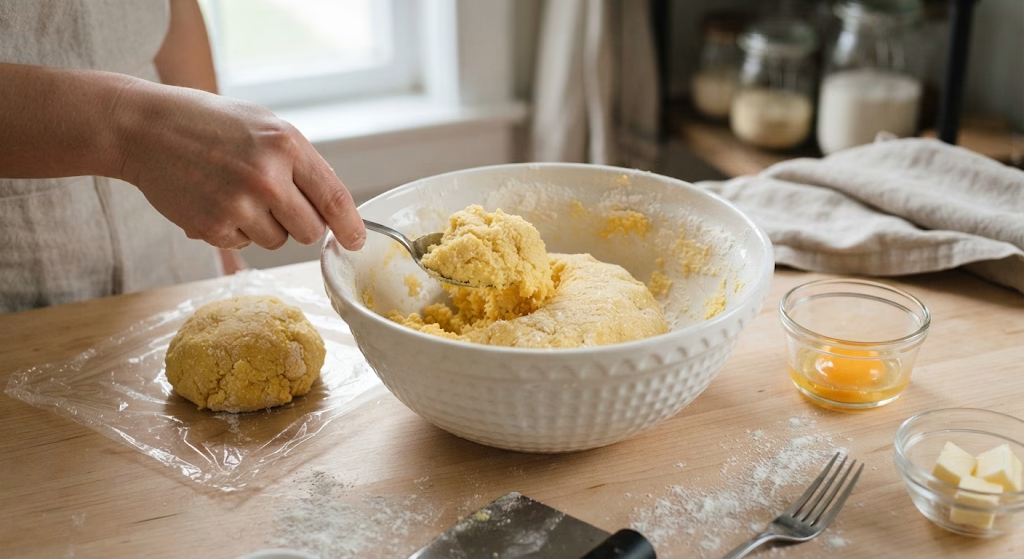
Combine the polenta, flour, and sugar in a bowl, then cut in the cold butter until it looks like coarse crumbs. Add the egg yolk and mix gently until a dough forms. Wrap it in plastic and chill for about 20 minutes so it firms up.
Line the Tartelette Tins
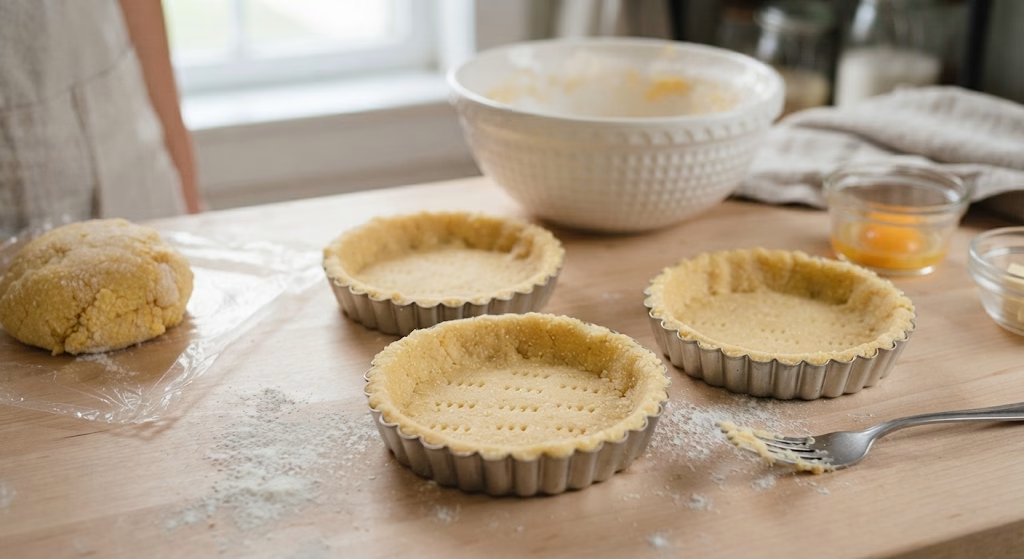
Divide the chilled dough among your tins and press it evenly across the base and up the sides. Prick the bottoms lightly with a fork to stop them from puffing up. Pop the lined tins back in the fridge for 10 minutes.
Blind Bake the Crusts
Bake the crusts at 180°C (350°F) for about 12 minutes until just set and lightly golden. This short pre-bake keeps the base from turning soggy once the filling goes in. Let them cool slightly on the tray before filling.
Make the Mandarin Filling
Whisk together the eggs, sugar, cornstarch, mandarin zest, and juice until smooth. Slowly stream in the cream while whisking so nothing curdles. Stir in the vanilla and a pinch of salt to finish the mixture.
Fill and Bake
Pour the filling evenly into the pre-baked crusts, filling each about three-quarters full. Bake for 18 to 20 minutes until the centers are just set but still have a gentle wobble. Overbaking here will dry out the creamy texture you’re after.
Chill Before Serving
Let the tartelettes cool to room temperature, then refrigerate for at least an hour. This chilling step is what gives the filling its silky, sliceable texture. Serve them cold or just slightly chilled for the best flavor.
Additional Tips for Making This Recipe Better
I’ve made this recipe enough times to pick up a few tricks along the way.
- I always zest my mandarins before juicing them, since it’s nearly impossible to zest a squeezed fruit.
- I let my butter stay properly cold until the last second, it makes a noticeable difference in the crust’s texture.
- I never skip the blind bake, even when I’m short on time, because a soggy base ruins the whole tartelette.
- I taste my mandarins before deciding on sugar, since some batches are naturally sweeter than others.
- I use a light hand when pressing the dough into the tins so it doesn’t turn tough once baked.
Common Mistakes to Avoid
- I once rushed the chilling step and ended up with a filling that never fully set, so now I always give it the full hour.
- I’ve overfilled tins before and had the custard spill over while baking, so I stick to filling them three-quarters full.
- I learned the hard way that overbaking dries out the filling, so I pull them the moment the centers still jiggle slightly.
- I tried using bottled mandarin juice once and the flavor was noticeably weaker, fresh juice really does matter here.
- I’ve forgotten to prick the crust bottoms and ended up with puffed, uneven bases, so I never skip that step now.
How to Serve Creamy German Mandarin Polenta Tartelettes?
I like to dust these lightly with powdered sugar right before they hit the table, since it makes the golden crust pop against the pale filling. A few thin mandarin slices or curls of zest on top add a fresh, bright touch.
For something a little indulgent, a small dollop of lightly whipped cream on the side works beautifully. If I’m serving these for guests, I plate them individually on small dessert plates so each tartelette gets its own moment to shine. If you’re serving these tartelettes as part of a larger meal, they make a lovely citrusy finish after a light seafood main course.
A savory dish such as Miso Butter Salmon with Sizzled Scallion Salsa Verde can pair especially well with the bright mandarin flavors of the dessert, while Yellow Curry Poached Cod offers another flavorful option before finishing with something creamy and citrus-forward. These combinations make the tartelettes an easy choice when you’re planning a full meal rather than just a standalone dessert.
Variations
- Swap the heavy cream for full-fat coconut cream to make a dairy-free version of the filling.
- Use a sugar substitute like erythritol in both the crust and filling for a lower-sugar option.
- Add a touch of cardamom or cinnamon to the polenta dough for a warmer, spiced crust.
- Fold in a spoonful of orange marmalade to the filling for a deeper citrus flavor.
- Use blood oranges or clementines in place of mandarins for a slightly different citrus profile.
Nutritional Information
Here’s a general breakdown per tartelette, based on six servings.
- Calories: approximately 320 kcal
- Protein: 5g
- Carbohydrates: 32g
- Fat: 19g
Make Ahead and Storage
You can prepare the crusts a day in advance and store them at room temperature in an airtight container. This saves time on the day you plan to serve the tartelettes.
Once filled and baked, store the tartelettes in the refrigerator for up to 3 days. Keep them covered so the filling doesn’t dry out or pick up other fridge odors.
These don’t freeze particularly well since the creamy filling can separate once thawed. If you do need to freeze them, wrap tightly and expect a slightly softer texture after thawing in the fridge overnight.
Why You’ll Love This Recipe?
There’s a lot to like about this one, and here’s why it’s become a regular in my kitchen.
- Simple to prepare: The steps are broken into small, manageable stages, so nothing feels overwhelming even for a weekend bake.
- Naturally elegant: These look like they came from a bakery, making them perfect for guests without requiring advanced skills.
- Easy to customize: You can play with spices, citrus varieties, or dietary swaps without changing the basic method.
- Balanced flavor: The tangy mandarin filling against the slightly grainy polenta crust creates a contrast that never feels one-note.
- Make-ahead friendly: With the crust prep-ahead option, you can spread the work across two days if needed.
FAQs
Can I turn this recipe into a German mandarin cake instead of tartelettes?
Yes, you can pour the same filling over a larger polenta cake base and bake it longer. Just increase the baking time and check for a gentle wobble in the center before pulling it out.
What other mandarin desserts pair well with this polenta crust?
Simple mandarin puddings or citrus curds work nicely with this same crust. The slightly grainy texture complements most soft, creamy citrus fillings.
Can I make this into a mandarin pudding instead?
Yes, simply skip the crust and bake the filling in ramekins for a standalone mandarin pudding. It will need a slightly shorter bake time without the crust underneath.
Can I use oranges instead of mandarins for this recipe?
Yes, regular oranges work as a substitute, though the flavor will be a bit less delicate. You may need to adjust the sugar slightly since oranges can taste more tart.
Can I turn this recipe into a mandarin slice for parties?
Yes, bake the crust and filling in a rectangular pan instead of individual tins, then cut into small squares once chilled. It works well for parties since it’s easy to portion.
Can I make this mandarin polenta tart completely from scratch without a tart tin?
Yes, a regular pie dish or a springform pan works as a substitute. Just adjust the baking time slightly since the filling will be thicker in one large pan.
What can I do with extra mandarin oranges after making this recipe?
Extra mandarins are great juiced for the filling in a second batch or used fresh in salads. You can also zest and freeze the peels for later use.
Can I turn leftover filling into a mandarin orange dump cake?
Yes, leftover filling can be layered with cake mix and butter in a baking dish for a quick dump cake. It’s an easy way to use up any extra filling without waste.

Creamy German Mandarin Polenta Tartelettes Recipe
Ingredients
Method
- Combine the polenta, flour, and sugar in a bowl, then cut in the cold butter until it looks like coarse crumbs. Add the egg yolk and mix gently until a dough forms. Wrap it in plastic and chill for about 20 minutes so it firms up.
- Divide the chilled dough among your tins and press it evenly across the base and up the sides. Prick the bottoms lightly with a fork to stop them from puffing up. Pop the lined tins back in the fridge for 10 minutes.
- Bake the crusts at 180°C (350°F) for about 12 minutes until just set and lightly golden. This short pre-bake keeps the base from turning soggy once the filling goes in. Let them cool slightly on the tray before filling.
- Whisk together the eggs, sugar, cornstarch, mandarin zest, and juice until smooth. Slowly stream in the cream while whisking so nothing curdles. Stir in the vanilla and a pinch of salt to finish the mixture.
- Pour the filling evenly into the pre-baked crusts, filling each about three-quarters full. Bake for 18 to 20 minutes until the centers are just set but still have a gentle wobble. Overbaking here will dry out the creamy texture you’re after.
- Let the tartelettes cool to room temperature, then refrigerate for at least an hour. This chilling step is what gives the filling its silky, sliceable texture. Serve them cold or just slightly chilled for the best flavor.
Notes
- I always zest my mandarins before juicing them, since it’s nearly impossible to zest a squeezed fruit.
- I let my butter stay properly cold until the last second, it makes a noticeable difference in the crust’s texture.
- I never skip the blind bake, even when I’m short on time, because a soggy base ruins the whole tartelette.
- I taste my mandarins before deciding on sugar, since some batches are naturally sweeter than others.
- I use a light hand when pressing the dough into the tins so it doesn’t turn tough once baked.