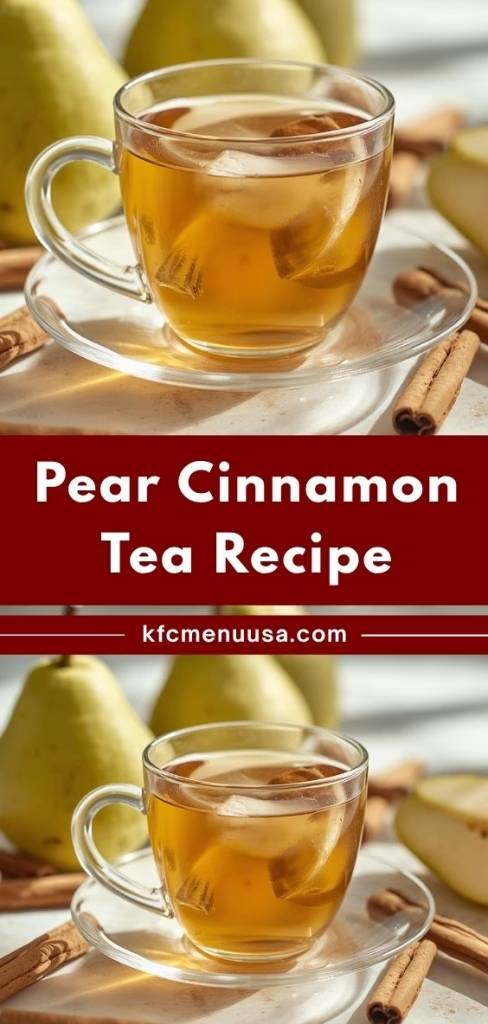
I first made this Pear Cinnamon Tea Recipe on a chilly evening when I wanted something warm but didn’t feel like reaching for coffee again. I had a ripe pear sitting on my counter and a cinnamon stick in my spice drawer, and honestly, I just wanted to see what would happen if I combined them.
The moment it started simmering, my whole kitchen smelled like a bakery, and I knew I had stumbled onto something worth sharing. Now it’s become my go-to drink whenever I want to slow down for a few minutes. If you love cozy, naturally sweet drinks, I think you’re going to fall for this one too.
Cooking Time
- Prep Time: 5 minutes
- Cooking Time: 15 minutes
- Total Time: 20 minutes
Ingredients
- 1 ripe pear, sliced – I like using a slightly soft pear because it releases more natural sweetness into the water
- 1 cinnamon stick – gives that warm, earthy flavor; ground cinnamon works too but a stick infuses more gently
- 2 cups water – the base of the tea, so I always use filtered water for the cleanest taste
- 1 black or green tea bag (optional) – adds depth if you want a stronger, more traditional tea flavor
- 1 tablespoon honey – for natural sweetness, added at the end so it doesn’t lose its flavor from boiling
- 1 teaspoon lemon juice – brightens the whole cup and balances the sweetness of the pear
- A few thin slices of fresh ginger (optional) – adds a gentle warmth, especially nice if you’re feeling under the weather
Note: This recipe makes about 2 servings.
Equipment You Need
- Small saucepan – for simmering the pear and cinnamon together
- Fine mesh strainer – to strain out the pear pieces and cinnamon stick before serving
- Cutting board and knife – for slicing the pear
- Teapot or mug – for steeping and serving
- Measuring spoons – to keep your honey and lemon juice consistent
How to Make Pear Cinnamon Tea Recipe?
Making this tea is really just a matter of letting the pear and cinnamon simmer together until the water turns fragrant and lightly golden. I promise you don’t need any special skills here, just a little patience while it simmers. Here’s exactly how I put it together every time.
Step 1: Slice the Pear
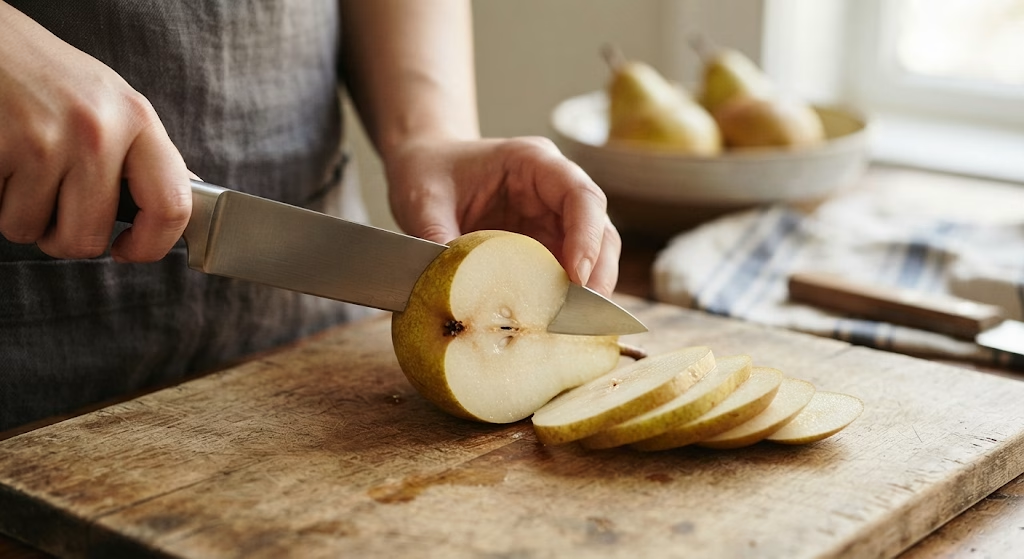
I cut my pear into thin slices, skin on, since most of the flavor and nutrients sit close to the skin. There’s no need to peel it unless you prefer a cleaner-looking cup. Thinner slices release their flavor faster into the water.
Step 2: Simmer With Water and Cinnamon
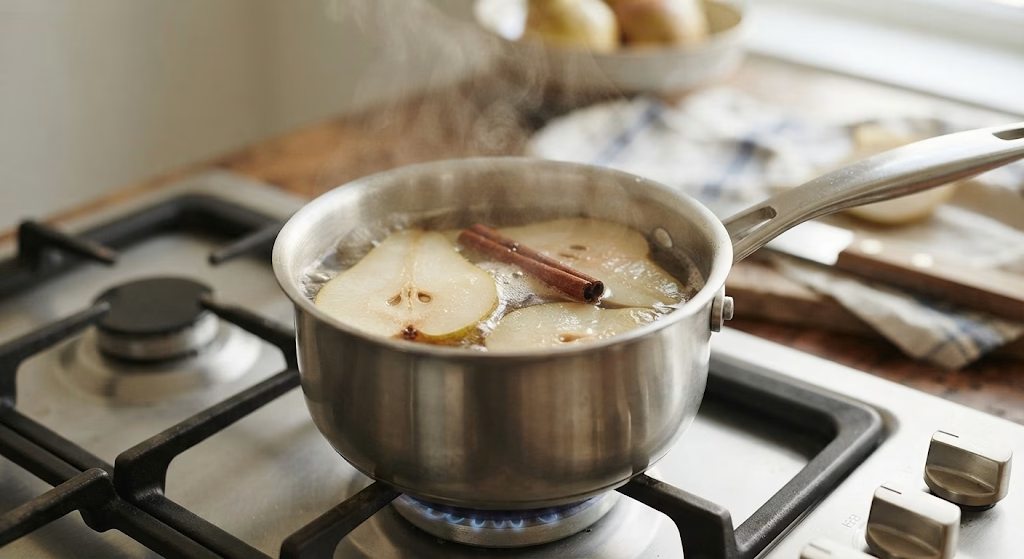
I add the pear slices, cinnamon stick, and water to a small saucepan and bring it to a gentle boil. Once it’s bubbling, I lower the heat and let it simmer for about 10 to 12 minutes. This slow simmer is what pulls out all that natural pear sweetness.
Step 3: Add the Tea Bag
If I’m using a tea bag, I drop it in during the last 3 to 4 minutes of simmering. Steeping it too long can make the tea taste bitter, so I always keep an eye on the clock here. This step is optional if you prefer a caffeine-free version.
Step 4: Strain the Tea
Once everything smells warm and fragrant, I pour the liquid through a fine mesh strainer into my mug. This removes the pear pieces, cinnamon stick, and tea bag, leaving behind a smooth, clear tea.
Step 5: Sweeten and Serve
Last, I stir in honey and a splash of lemon juice while the tea is still hot. I taste it first, since some pears are naturally sweeter than others, and adjust the honey from there before serving.
Additional Tips for Making This Recipe Better
I’ve made this tea more times than I can count, and a few small habits genuinely make it taste better.
- I always use a ripe, slightly soft pear because underripe ones taste bland and watery in tea
- I never skip the simmering step, since a quick steep alone doesn’t pull out enough pear flavor
- I add honey after straining, not while it’s boiling, so the sweetness stays fresh and doesn’t turn bitter
- I keep the cinnamon stick whole instead of using ground cinnamon, since it gives a cleaner, less gritty cup
- I let the tea sit for a minute before drinking so the flavors settle and blend together
Common Mistakes to Avoid
I’ve made a few mistakes along the way, and I’d rather you skip them.
- I once used an unripe pear and the tea barely had any flavor, so I always check for ripeness first
- I oversteeped the tea bag once and ended up with a bitter aftertaste, so I keep it under 4 minutes now
- I forgot to strain properly one time and ended up with pear bits floating in my cup, which wasn’t pleasant to sip
- I added honey too early and noticed it dulled the flavor, so I always wait until the tea is off the heat
- I used way too much cinnamon once, and it completely overpowered the pear, so I stick to one stick per batch
How to Serve Pear Cinnamon Tea
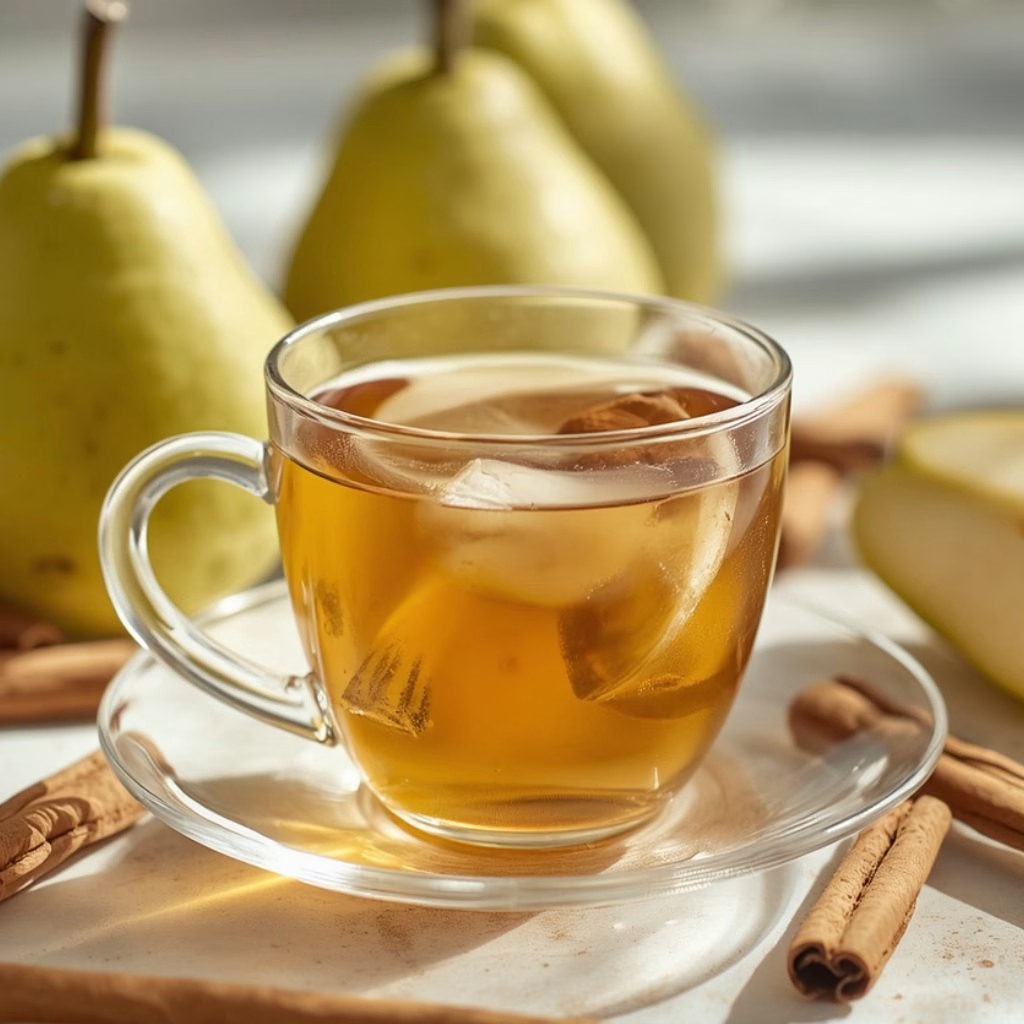
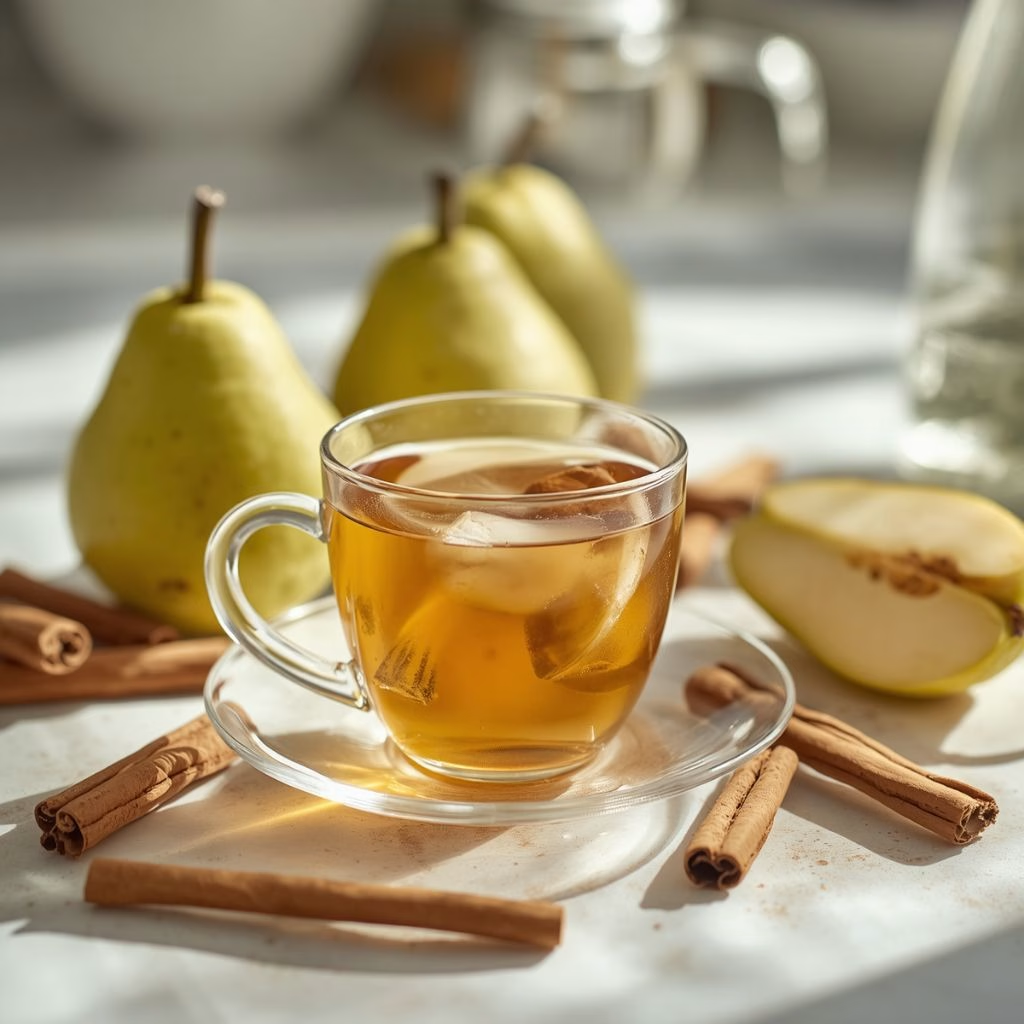
I usually serve this tea in a clear glass mug so you can actually see that lovely golden color come through. A thin pear slice or a small cinnamon stick balanced on the rim makes it look extra inviting, especially if you’re serving guests. On cooler days, I like pairing it with something warm on the side, like a slice of toast or a light pastry, since the tea itself isn’t too heavy.
If you’re serving it for a small gathering, a few sprigs of mint on top add a nice pop of color and freshness. If you’re putting together a heartier meal alongside the tea, Herb Roasted Chicken With Spring Veggies Recipe You’ll Love makes a nice savory option. For another easy chicken option to pair with a light drink or meal, Air Fryer Cilantro Lime Chicken Breast Recipe You’ll Love also fits well with a simple, fresh meal.
Variations
- Dairy-free and vegan version: skip the honey and use maple syrup instead, it works just as well
- Sugar-free version: leave out the honey entirely and let the pear’s natural sweetness carry the flavor
- Spiced version: add a small piece of star anise or a clove or two for a deeper, more festive flavor
- Iced version: let the tea cool completely, then pour it over ice for a refreshing cold-weather-to-warm-weather swap
- Extra fruity version: toss in a few apple slices along with the pear for a fuller fruit flavor
Nutritional Information
Here’s a general idea of what one serving of this tea looks like, though it can vary slightly based on your exact ingredients.
- Calories: around 60-70 per serving
- Protein: less than 1 gram
- Carbohydrates: around 16-18 grams
- Fat: 0 grams
Make Ahead and Storage
You can prepare the pear and cinnamon base a day ahead and simply reheat it before serving, which saves time if you’re planning to enjoy this tea regularly.
If you have leftovers, store the strained tea in an airtight container in the fridge for up to 2 days. Just reheat gently on the stove or in the microwave before drinking.
I don’t recommend freezing this tea, since the texture and flavor change quite a bit once thawed, and it’s quick enough to make fresh whenever you’re craving it.
Why You’ll Love This Recipe
This tea has earned a permanent spot in my weekly routine, and I think you’ll see why once you try it.
- It’s incredibly easy to make: with just a handful of ingredients and one pot, there’s no fuss involved at all
- It’s naturally sweet: the pear does most of the work, so you can use very little added sugar or honey
- It’s easy to customize: you can make it caffeine-free, dairy-free, or spice it up depending on your mood
- It feels cozy and comforting: the warm cinnamon aroma alone makes it perfect for slow mornings or quiet evenings
- It’s gentle on the stomach: I often reach for this when I want something soothing that isn’t too heavy or acidic
FAQs
How do I make pear tea?
You simmer sliced pear with water and cinnamon for about 10 to 12 minutes, then strain and sweeten it with honey. It’s a simple stovetop process that doesn’t need any special equipment.
How can pear tea help with a cough?
Warm pear tea can soothe a scratchy throat and add moisture to a dry cough, especially with added ginger or honey. It’s not a cure, but I find it comforting when I’m feeling under the weather.
What are the benefits of pear tea?
Pear tea offers hydration, a gentle dose of natural antioxidants, and a soothing warmth that’s easy on the stomach. It’s also naturally low in calories, which makes it a light, comforting choice.
Can I make a ginger pear tea version?
Yes, just add a few thin slices of fresh ginger while the pear and cinnamon simmer. It adds a nice warming kick, especially good during colder months or when you’re feeling a bit off.
Is this similar to Chinese pear tea?
It’s inspired by the same idea, since Chinese pear tea also relies on simmering the pear slowly to draw out its natural sweetness. My version keeps things simple with cinnamon instead of traditional Chinese herbs like goji berries or rock sugar.
Do I need to boil the pear for this tea?
Yes, a gentle boil followed by a simmer is what pulls the sweetness and flavor out of the pear. Just steeping it in hot water without simmering won’t give you the same depth of flavor.
Can I use dried pear instead of fresh?
Yes, dried pear slices work well and actually intensify the flavor since they’re more concentrated. I’d use about half the amount compared to fresh pear, since dried fruit is more potent.

Pear Cinnamon Tea Recipe
Ingredients
Method
- I cut my pear into thin slices, skin on, since most of the flavor and nutrients sit close to the skin. There’s no need to peel it unless you prefer a cleaner-looking cup. Thinner slices release their flavor faster into the water.
- I add the pear slices, cinnamon stick, and water to a small saucepan and bring it to a gentle boil. Once it’s bubbling, I lower the heat and let it simmer for about 10 to 12 minutes. This slow simmer is what pulls out all that natural pear sweetness.
- If I’m using a tea bag, I drop it in during the last 3 to 4 minutes of simmering. Steeping it too long can make the tea taste bitter, so I always keep an eye on the clock here. This step is optional if you prefer a caffeine-free version.
- Once everything smells warm and fragrant, I pour the liquid through a fine mesh strainer into my mug. This removes the pear pieces, cinnamon stick, and tea bag, leaving behind a smooth, clear tea.
- Last, I stir in honey and a splash of lemon juice while the tea is still hot. I taste it first, since some pears are naturally sweeter than others, and adjust the honey from there before serving.
Notes
- I always use a ripe, slightly soft pear because underripe ones taste bland and watery in tea
- I never skip the simmering step, since a quick steep alone doesn’t pull out enough pear flavor
- I add honey after straining, not while it’s boiling, so the sweetness stays fresh and doesn’t turn bitter
- I keep the cinnamon stick whole instead of using ground cinnamon, since it gives a cleaner, less gritty cup
- I let the tea sit for a minute before drinking so the flavors settle and blend together