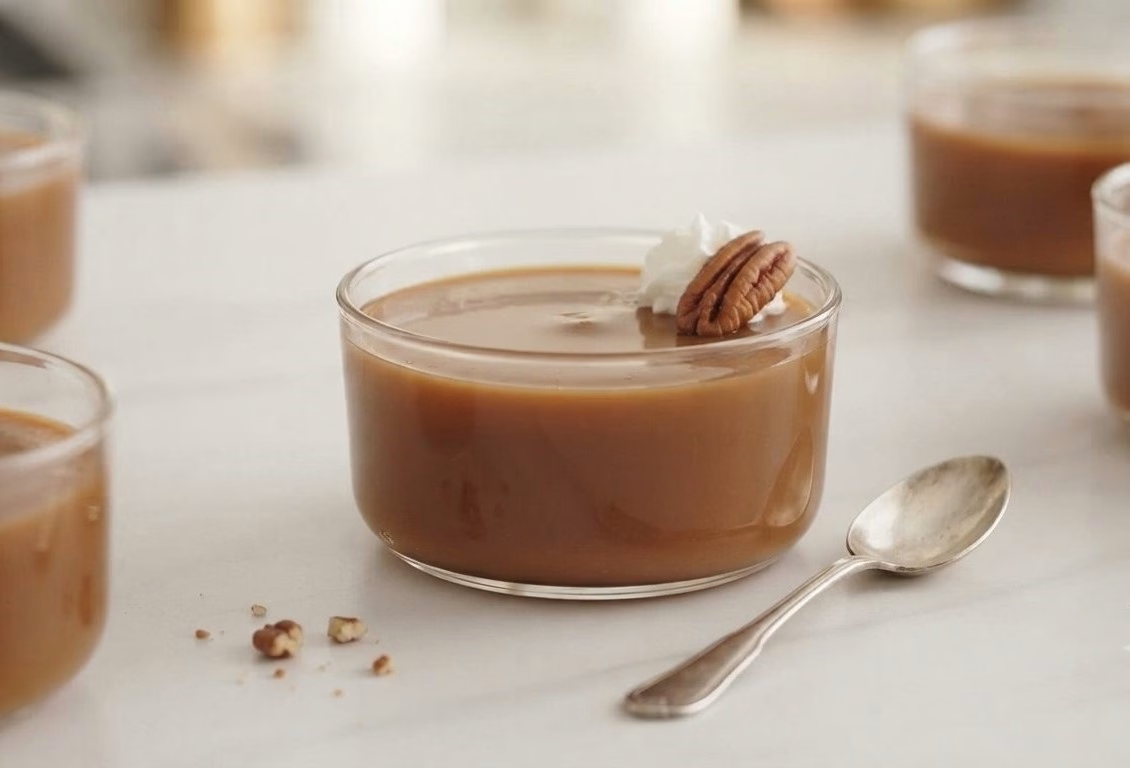
I still remember the first spoonful of butterscotch pudding recipe I ever made, and I haven’t looked back since. There’s something about that deep, caramelized brown sugar aroma filling my kitchen that instantly puts me in a good mood.
I used to think pudding from scratch was intimidating, but once I tried it myself, I realized it’s honestly easier than baking a cake. Now I make a batch whenever I want a cozy, old-fashioned dessert that feels like a warm hug in a cup.
If I’m planning a complete homemade treat, I sometimes pair it with Coconut Peach Lemonade Slushies Recipe for a refreshing contrast. Let me walk you through exactly how I do it, step by step.
Ingredients
- 1/2 cup dark brown sugar – this is the heart of the flavor, so use fresh, soft brown sugar rather than a hardened old box for the best caramel-like taste.
- 1/2 teaspoon salt – balances the sweetness and makes the butterscotch flavor pop instead of tasting flat.
- 3 tablespoons water – helps the sugar melt evenly without burning or turning grainy.
- 1 cup whole milk – whole milk gives the pudding body; skim or low-fat milk will make it watery.
- 1 cup heavy cream – adds the luxurious, velvety texture that makes this pudding feel indulgent.
- 3 tablespoons cornstarch – the thickening agent that gives pudding its classic spoonable texture.
- 3 large egg yolks – yolks add richness and help the pudding set into a smooth custard-like consistency.
- 3 tablespoons unsalted butter, room temperature, cut into pieces – whisked in at the end for a glossy, silky finish.
- 1 teaspoon vanilla extract – rounds out the flavor with warmth; use pure vanilla, not imitation, for the best taste.
- 2 teaspoons bourbon (optional) – adds a subtle depth of flavor for the adults at the table.
Note: These ingredient quantities make about 4 servings, so double everything if you’re feeding a larger crowd or want extra for later.
Variations
- Dairy-free option: swap whole milk and heavy cream for full-fat coconut milk for a rich, slightly tropical twist.
- Sugar-free option: use a brown sugar substitute made for baking, though the flavor will be a touch less deep.
- Flavor boost: stir in a pinch of cinnamon or nutmeg for a cozy, spiced version.
- Extra indulgence: fold in mini chocolate chips or a swirl of caramel sauce right before chilling.
- Nutty twist: top with chopped toasted pecans or walnuts for crunch and contrast.
- Skip the alcohol: leave out the bourbon entirely, or replace it with a splash of extra vanilla for a kid-friendly version.
Cooking Time
- Prep Time: 5 minutes
- Cook Time: 20 minutes
- Chilling Time: 2 hours
- Total Time: 2 hours 25 minutes
Equipment You Need
- Heavy-bottomed saucepan – distributes heat evenly and helps prevent the sugar from scorching.
- Whisk – essential for keeping the pudding smooth and lump-free as it cooks.
- Silicone spatula – scrapes the corners of the pan so nothing sticks or burns while thickening.
- Fine mesh strainer – catches any bits of cooked egg or sugar for a perfectly silky texture.
- Mixing bowl – used for whisking the cornstarch, milk, and egg yolks together before cooking.
- Serving cups or ramekins – for portioning and chilling the finished pudding.
How to Make a Butterscotch Pudding Recipe?
Step 1: Melt the Brown Sugar
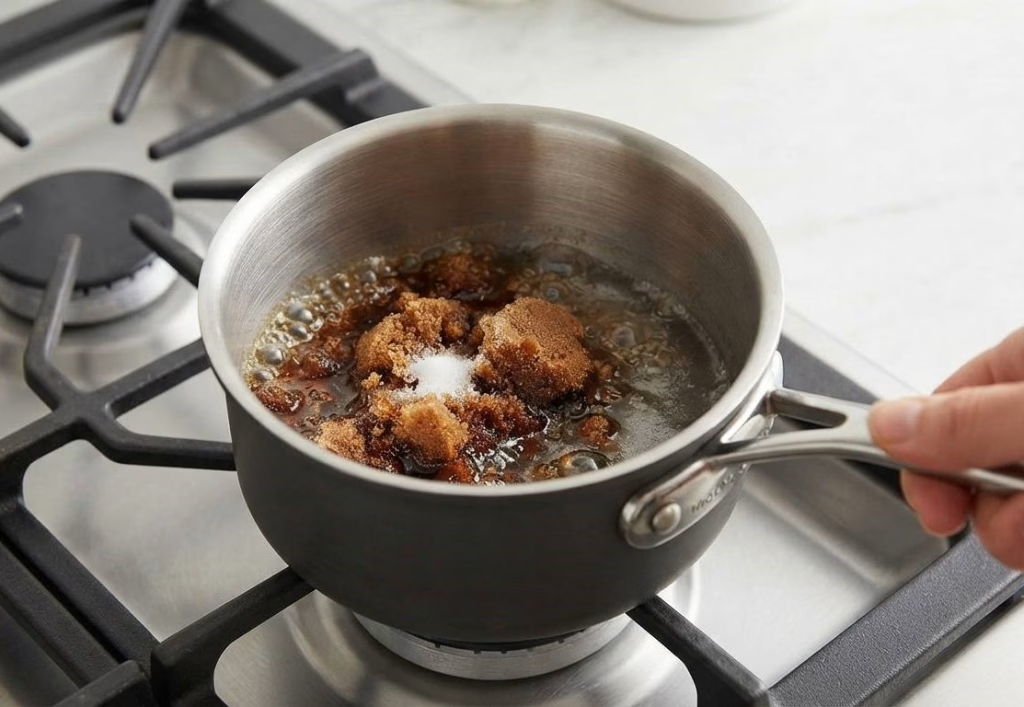
I start by adding the dark brown sugar, salt, and water to my saucepan over medium to medium-low heat. As it starts to bubble, I let it cook for 5 to 6 minutes without stirring, just gently swirling the pan. It’s ready when it darkens slightly and smells rich and nutty.
Step 2: Let It Cool Slightly
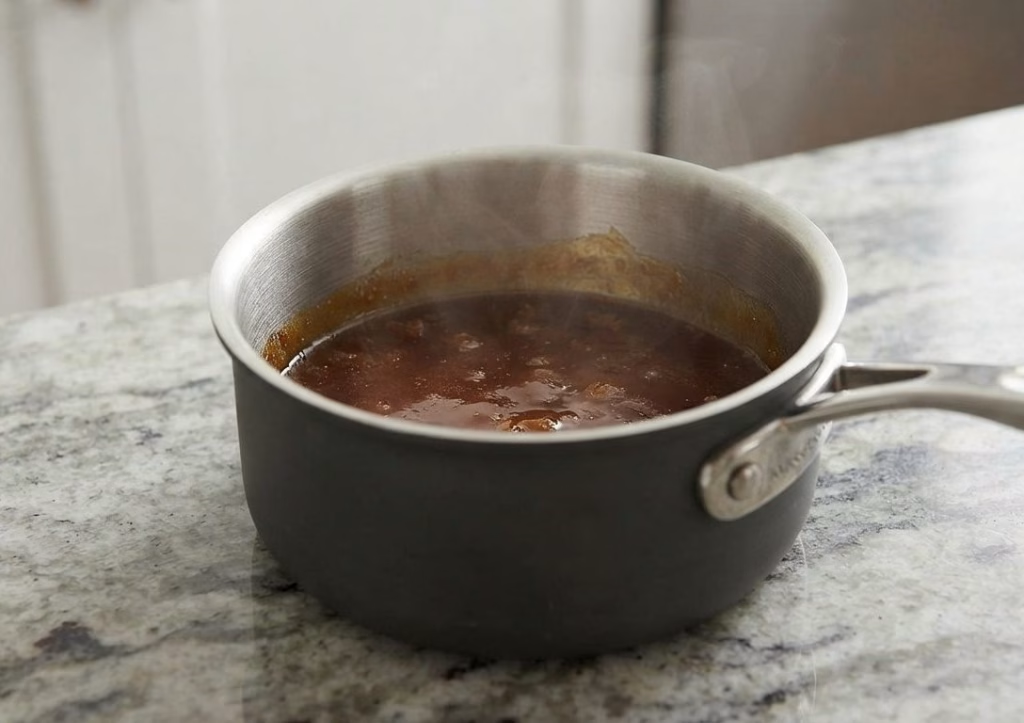
Once the sugar mixture looks glossy and deep amber, I take the pan off the heat and let it cool for a few minutes. This little pause keeps the eggs from scrambling later when everything comes together.
Step 3: Whisk the Cornstarch Slurry
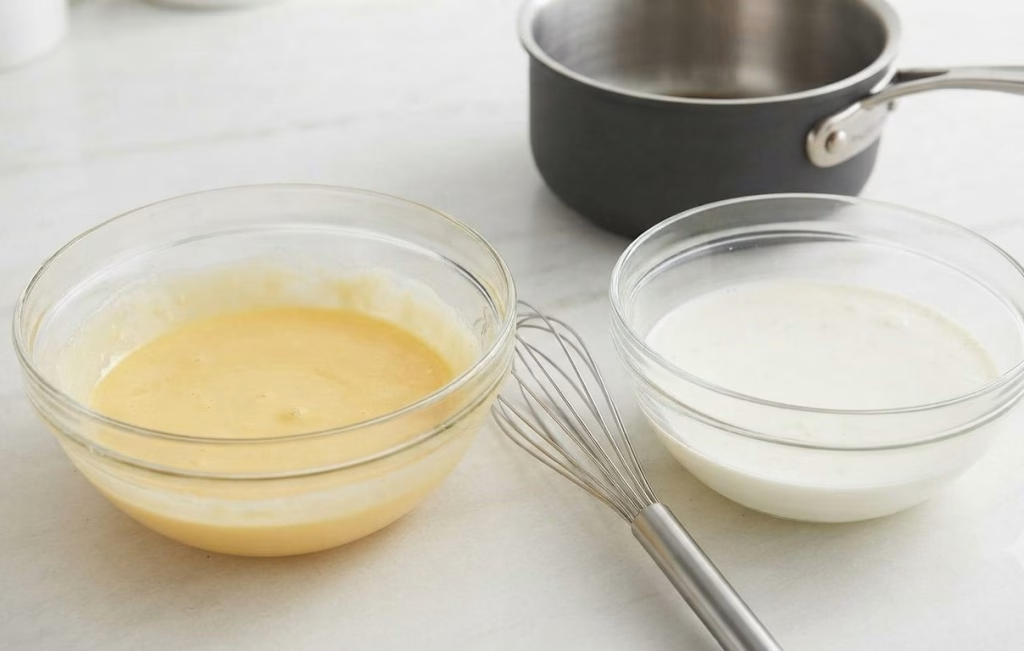
While the sugar cools, I whisk the cornstarch with a splash of the milk until it’s completely smooth. Then I add the egg yolks and whisk again until the mixture looks silky and pale yellow.
Step 4: Combine the Wet Ingredients
Next, I pour the cornstarch and egg mixture into the rest of the milk and heavy cream, whisking briefly just to bring everything together. This creates one smooth base that’s ready to meet the sugar.
Step 5: Mix With the Brown Sugar
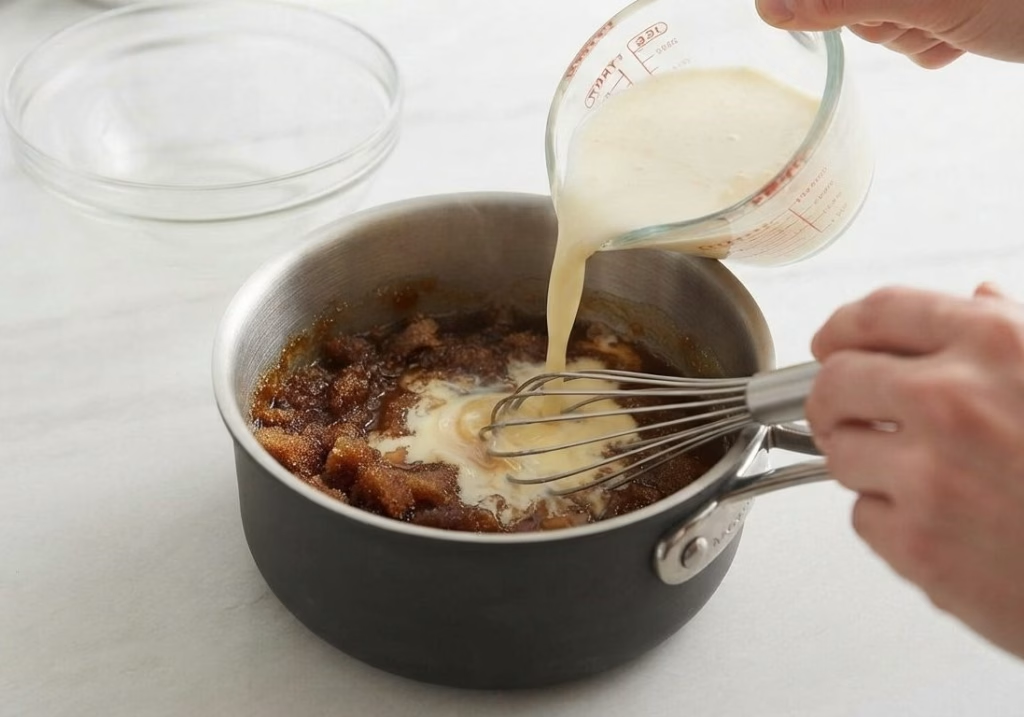
I slowly pour this milk mixture into the cooled brown sugar, whisking the whole time. The sugar will harden and seize up at first, but I don’t panic, because it melts right back down once it’s heated again.
Step 6: Cook Until Thickened
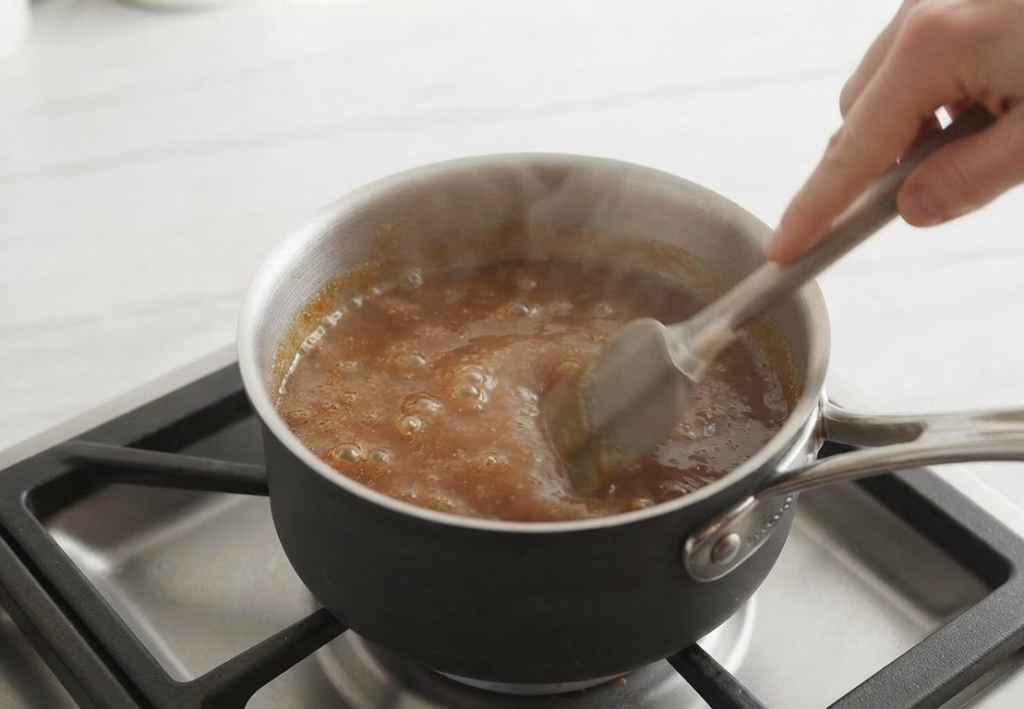
I return the pan to medium-low heat and whisk constantly as the mixture comes to a gentle boil. Once the sugar fully dissolves and it starts thickening, I switch to my silicone spatula to scrape the edges and bottom.
Step 7: Strain for Silkiness
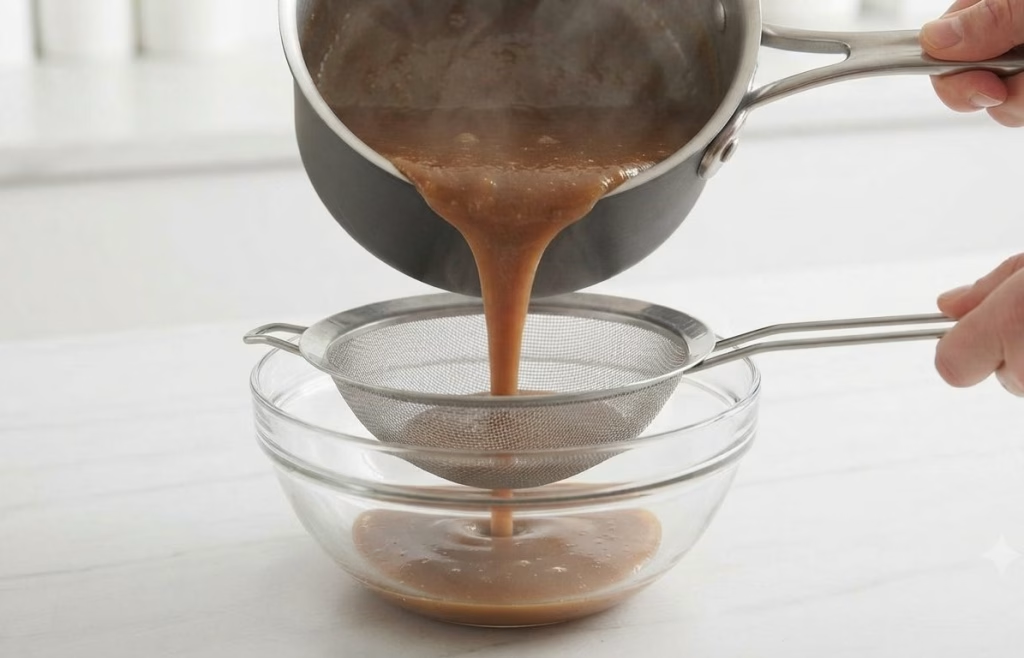
As soon as the pudding reaches a thick boil, I pull it off the heat immediately and pour it through a fine mesh strainer. This step guarantees that ultra-smooth texture with zero lumps.
Step 8: Finish With Butter and Vanilla
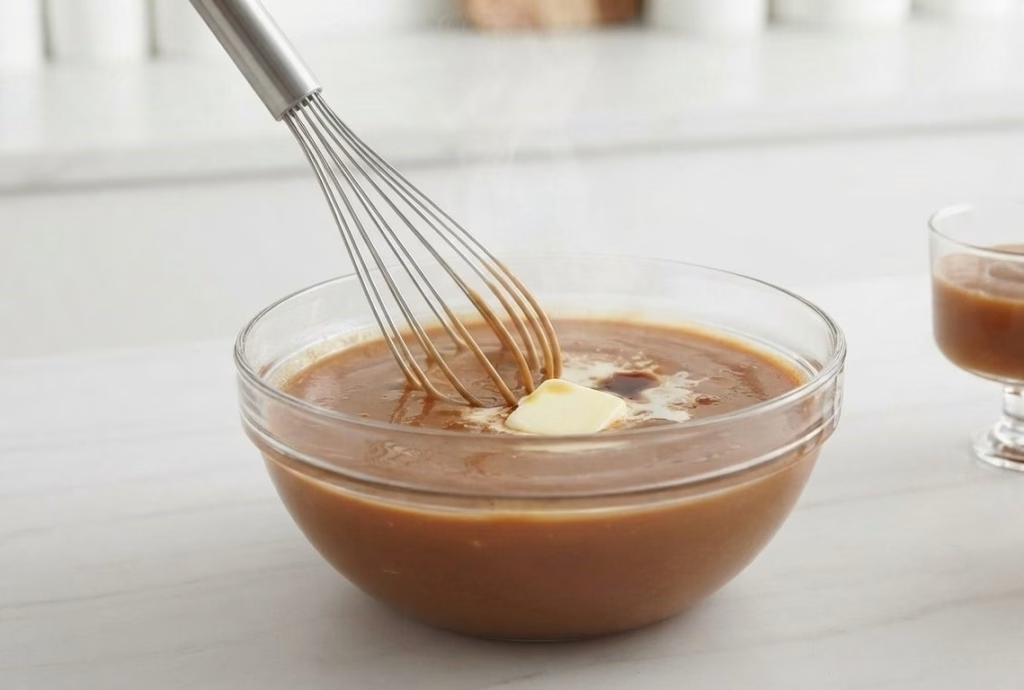
I whisk in the butter, vanilla extract, and bourbon if I’m using it, working the whisk vigorously for about a minute. This final step gives the pudding that glossy, restaurant-quality shine.
Step 9: Chill or Serve Warm
I pour the finished pudding into small serving cups and either enjoy it warm right away or let it set in the fridge. It usually takes about two hours to fully firm up.
Additional Tips for Making This Recipe Better
- I always use a heavy-bottomed saucepan because it keeps the sugar from scorching on me, which happened more than once with a thin pan.
- I never stir while the sugar is bubbling, since stirring at that stage can cause grainy sugar crystals to form.
- I keep both a whisk and a spatula nearby so I can switch tools as the texture changes while cooking.
- I don’t skip straining, even though it feels like an extra step, because it really does make the pudding silkier.
- I let the pudding cool for a few minutes before serving warm, since it’s molten straight off the stove and needs a minute to settle.
- I taste as I go and adjust the salt slightly, since brown sugar brands vary in sweetness.
How to Serve Butterscotch Pudding Recipe?
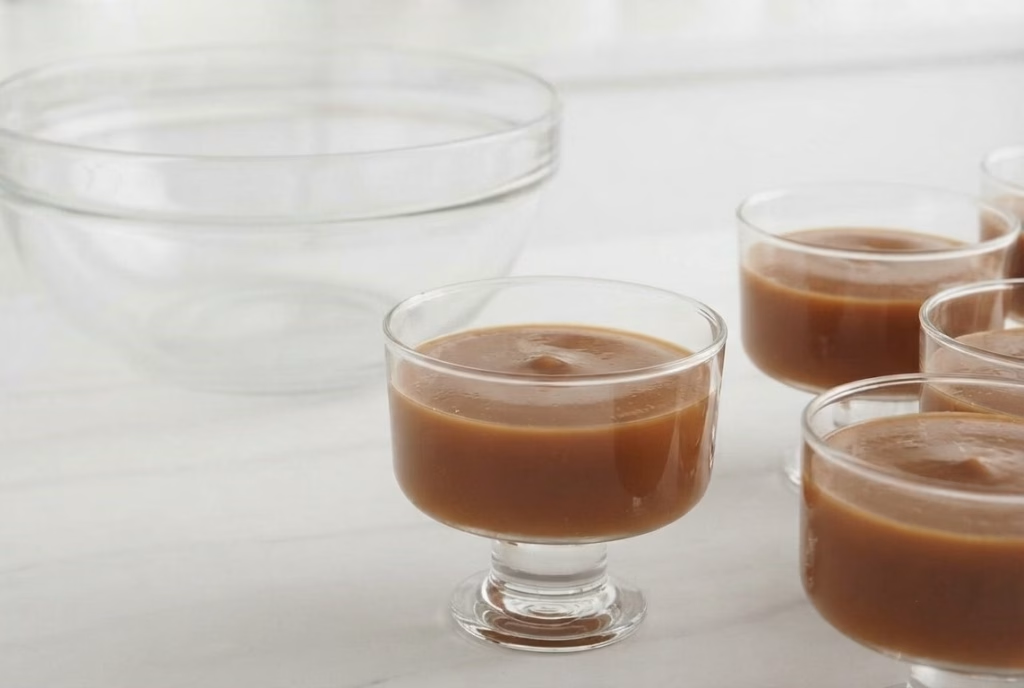
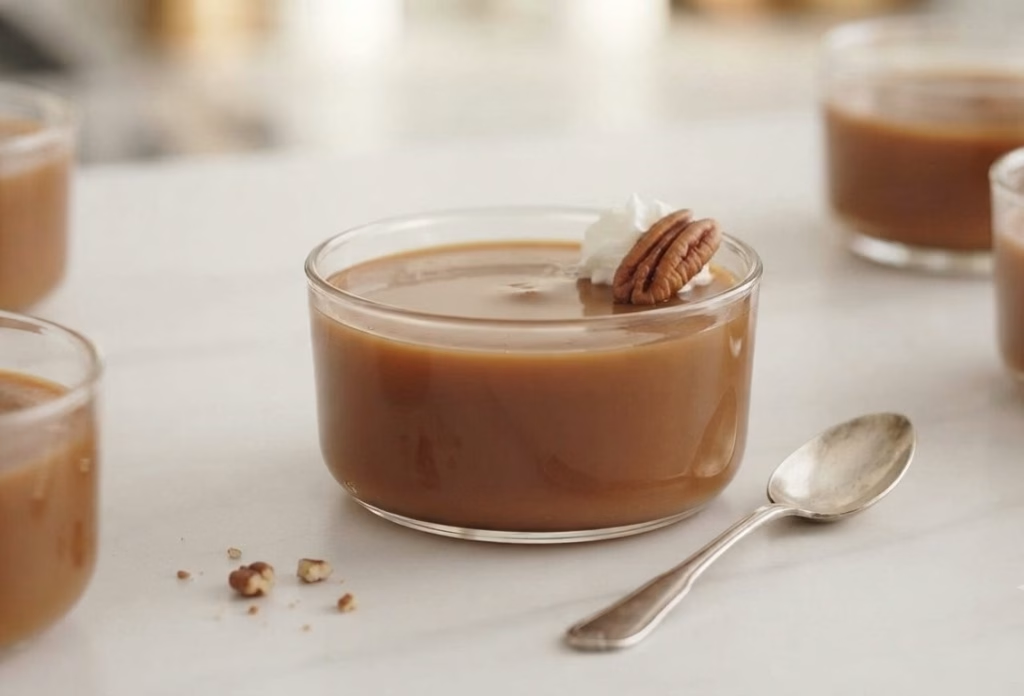
I love serving this pudding in little glass jars or vintage teacups, since the amber color looks so pretty on display. A generous dollop of freshly whipped cream on top makes it feel extra special, and I sometimes add a light dusting of flaky sea salt for contrast.
For a bit of crunch, I’ll sprinkle on some toasted pecans or crushed shortbread cookies right before serving. If I’m hosting, I like to set out a small dessert bar with pudding cups, whipped cream, and toppings so everyone can build their own. It also makes a satisfying dessert after a meal featuring the Garlic Butter Lettuce Tomato Grilled Chicken Sandwich.
Nutritional Information
Here’s a quick look at what you can expect per serving of this pudding.
- Calories: about 497 kcal
- Protein: about 5 grams
- Carbohydrates: about 38 grams
- Fat: about 36 grams
Make Ahead and Storage
Make Ahead: I often make this pudding a day in advance since it needs to chill anyway. It sets beautifully in the fridge overnight, making it perfect for entertaining.
Refrigerating: Stored in an airtight container, this pudding stays fresh in the fridge for up to 4 days. I press a piece of plastic wrap directly onto the surface to prevent a skin from forming.
Freezing: I don’t usually recommend freezing this pudding, since the texture can turn grainy once thawed. It’s really best enjoyed fresh from the fridge.
Reheating: If I want to enjoy it warm again, I gently rewarm individual portions in the microwave in short bursts, stirring in between to keep the texture smooth.
Why You’ll Love This Recipe
Here are a few reasons this pudding has become one of my go-to desserts.
- It’s incredibly easy to make: with just one saucepan and about 20 minutes of active cooking, this feels far fancier than the effort it actually takes.
- It tastes so much better than boxed pudding: the deep, caramelized brown sugar flavor is something a mix simply can’t replicate.
- It’s versatile for any occasion: I can serve it warm on a chilly night or chilled for a dinner party, and it always feels right.
- It’s easy to customize: from dairy-free swaps to a splash of bourbon, I can tweak this recipe to match my mood or my guests’ preferences.
- It’s a nostalgic comfort food: every time I make it, it reminds me of old-fashioned desserts that never go out of style.

Homemade Butterscotch Pudding
Ingredients
Method
- I start by adding the dark brown sugar, salt, and water to my saucepan over medium to medium-low heat. As it starts to bubble, I let it cook for 5 to 6 minutes without stirring, just gently swirling the pan. It’s ready when it darkens slightly and smells rich and nutty
- Once the sugar mixture looks glossy and deep amber, I take the pan off the heat and let it cool for a few minutes. This little pause keeps the eggs from scrambling later when everything comes together.
- While the sugar cools, I whisk the cornstarch with a splash of the milk until it’s completely smooth. Then I add the egg yolks and whisk again until the mixture looks silky and pale yellow.
- Next, I pour the cornstarch and egg mixture into the rest of the milk and heavy cream, whisking briefly just to bring everything together. This creates one smooth base that’s ready to meet the sugar.
- I slowly pour this milk mixture into the cooled brown sugar, whisking the whole time. The sugar will harden and seize up at first, but I don’t panic, because it melts right back down once it’s heated again.
- I return the pan to medium-low heat and whisk constantly as the mixture comes to a gentle boil. Once the sugar fully dissolves and it starts thickening, I switch to my silicone spatula to scrape the edges and bottom.
- As soon as the pudding reaches a thick boil, I pull it off the heat immediately and pour it through a fine mesh strainer. This step guarantees that ultra-smooth texture with zero lumps.
- I whisk in the butter, vanilla extract, and bourbon if I’m using it, working the whisk vigorously for about a minute. This final step gives the pudding that glossy, restaurant-quality shine.
- I pour the finished pudding into small serving cups and either enjoy it warm right away or let it set in the fridge. It usually takes about two hours to fully firm up.
Notes
- I always use a heavy-bottomed saucepan because it keeps the sugar from scorching on me, which happened more than once with a thin pan.
- I never stir while the sugar is bubbling, since stirring at that stage can cause grainy sugar crystals to form.
- I keep both a whisk and a spatula nearby so I can switch tools as the texture changes while cooking.
- I don’t skip straining, even though it feels like an extra step, because it really does make the pudding silkier.
- I let the pudding cool for a few minutes before serving warm, since it’s molten straight off the stove and needs a minute to settle.
- I taste as I go and adjust the salt slightly, since brown sugar brands vary in sweetness.